Julia Doroszewska – författare
Visar alla böcker från författaren Julia Doroszewska. Handla med fri frakt och snabb leverans.
4 produkter
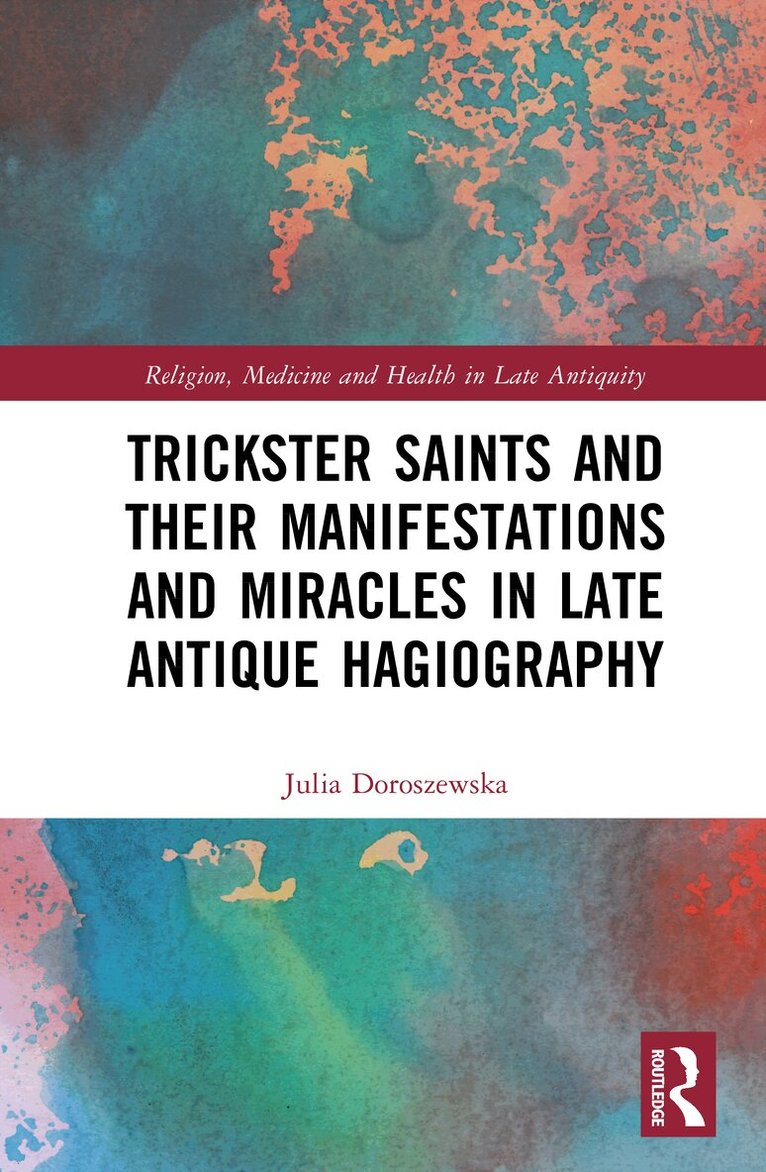
Trickster Saints and Their Manifestations and Miracles in Late Antique Hagiography
Inbunden, 2025
2879 kr
Lägg i varukorg
This book explores how late antique miracle collections depict Christian saints as subversive, theatrical tricksters who blur the boundaries between sacred and profane, human and divine.Readers will gain a fresh perspective on the cultural and theological imagination of Late Antiquity through a …
Trickster Saints and Their Manifestations and Miracles in Late Antique Hagiography
E-bok, 2025
838 kr
Lägg i varukorg
This book explores how late antique miracle collections depict Christian saints as subversive, theatrical tricksters who blur the boundaries between sacred and profane, human and divine.Readers will gain a fresh perspective on the cultural and theological imagination of Late Antiquity through a …
Trickster Saints and Their Manifestations and Miracles in Late Antique Hagiography
E-bok, 2025
838 kr
Lägg i varukorg
This book explores how late antique miracle collections depict Christian saints as subversive, theatrical tricksters who blur the boundaries between sacred and profane, human and divine.Readers will gain a fresh perspective on the cultural and theological imagination of Late Antiquity through a …
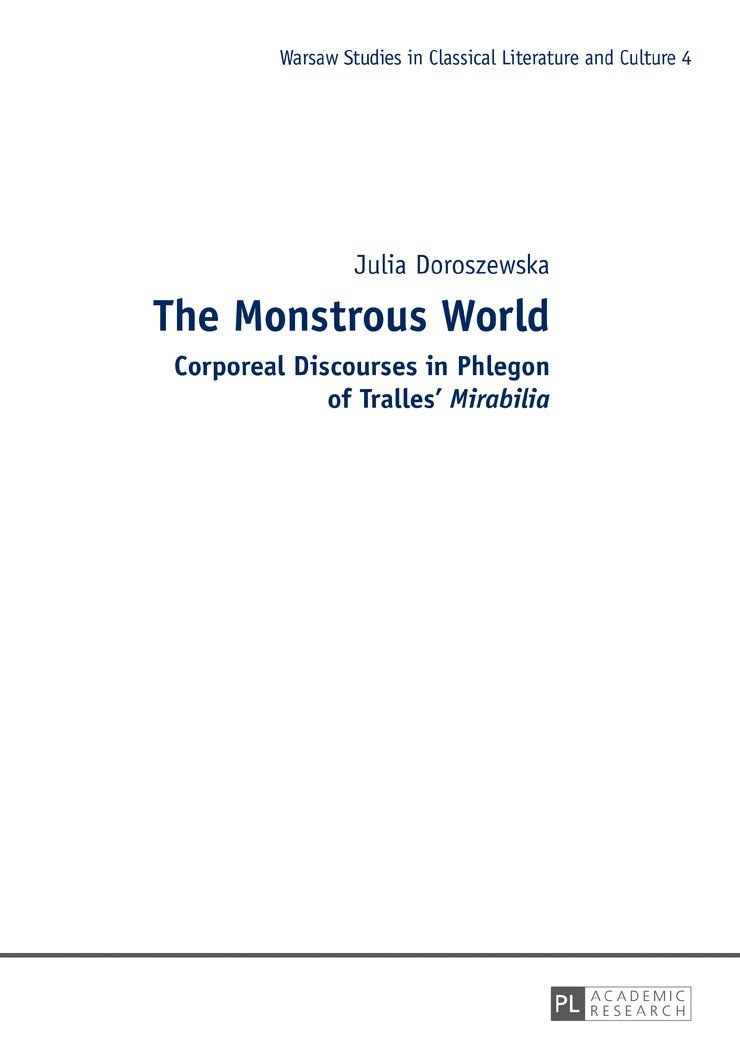
Monstrous World
Corporeal Discourses in Phlegon of Tralles’ «Mirabilia»
Inbunden, 2016
660 kr
Lägg i varukorg
Revenants, oracular heads, hermaphrodites, sex-changers, human-animal children, multiple pregnancies, births, body features … This is just a sample of subjects that Phlegon of Tralles explored in the 2nd century AD in his "Mirabilia". This study identifies the common motifs of Phlegon’s text and …