Julia Eichelberger - Böcker
Visar alla böcker från författaren Julia Eichelberger. Handla med fri frakt och snabb leverans.
4 produkter
4 produkter
390 kr
Skickas inom 10-15 vardagar
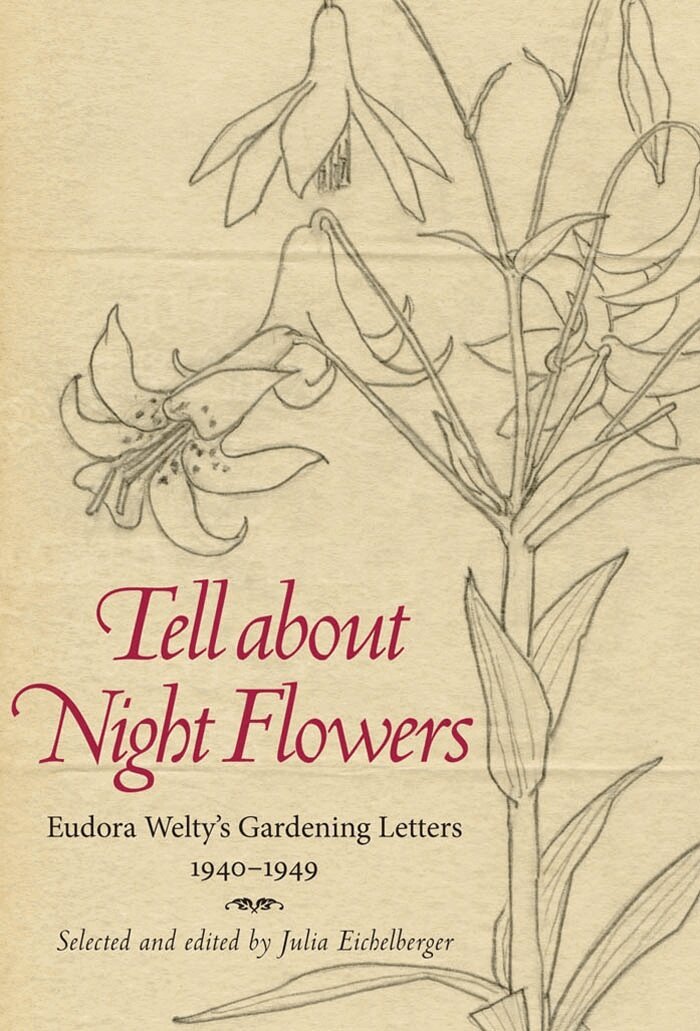
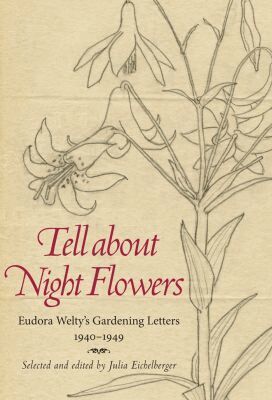
Tell about Night Flowers presents previously unpublished letters by Eudora Welty, selected and annotated by scholar Julia Eichelberger. Welty published many of her best-known works in the 1940s: A Curtain of Green, The Wide Net, The Robber Bridegroom, Delta Wedding, and The Golden Apples. During this period, she also wrote hundreds of letters to two friends who shared her love of gardening. One friend, Diarmuid Russell, was her literary agent in New York; the other, John Robinson, was a high school classmate and an aspiring writer who served in the Army in WWII, and he was long the focus of Welty's affection.Welty's lyrical, witty, and poignant discussions of gardening and nature are delightful in themselves; they are also figurative expressions of Welty's views of her writing and her friendships. Taken together with thirty-five illustrations, they form a poetic narrative of their own, chronicling artistic and psychic developments that were underway before Welty was fully conscious of them. By 1949 her art, like her friendships, had evolved in ways that she would never have predicted in 1940. Tell about Night Flowers not only lets readers glimpse Welty in her garden; it also reveals a brilliant and generous mind responding to the public events, people, art, and natural landscapes Welty encountered at home and on her travels during the 1940s. This book enhances our understanding of the life, landscape, and art of a major American writer.
1 358 kr
Skickas inom 10-15 vardagar
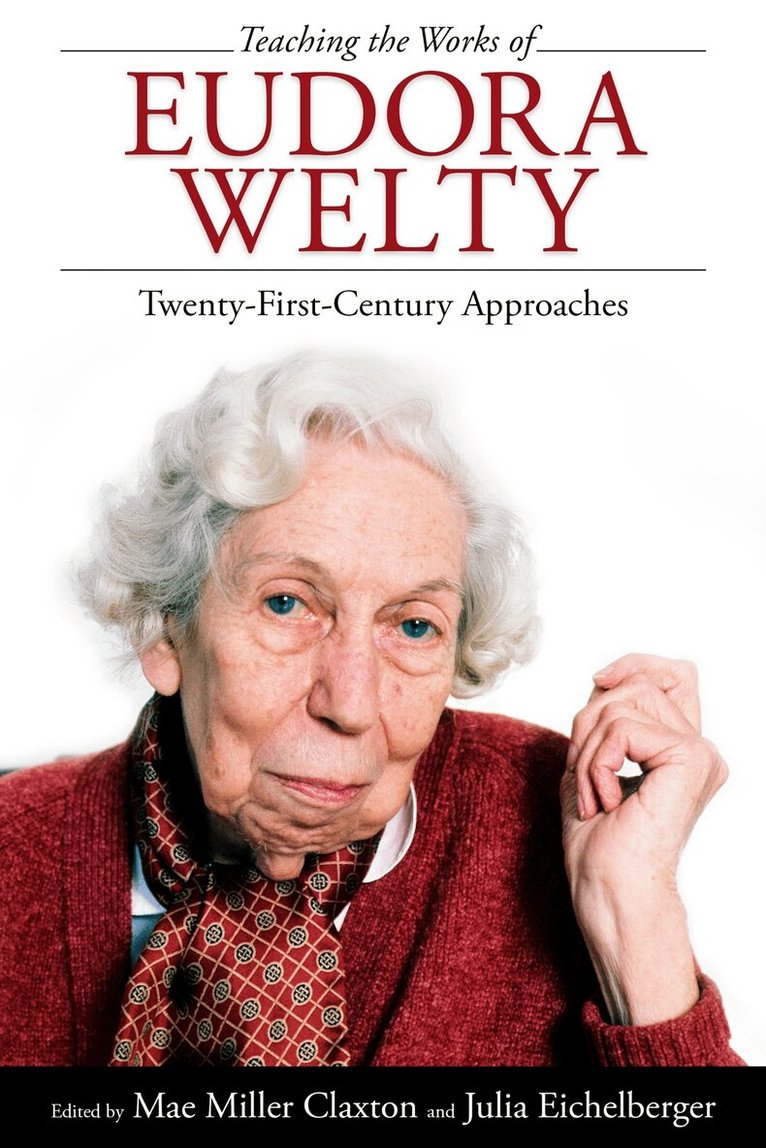
Too often Eudora Welty is known to the general public as Miss Welty, a “perfect lady” who wrote affectionate portraits of her home region. Yet recent scholarship has amply demonstrated a richer complexity. Welty was an innovative artist with cosmopolitan sensibilities and progressive politics, a woman who maintained close friendships with artists and intellectuals throughout the world, a writer as unafraid to experiment as she was to level her pen at the worst human foibles. The essays collected in Teaching the Works of Eudora Welty seek to move Welty beyond a discussion of region and reflect new scholarship that remaps her work onto a larger canvas. The book offers ways to help twenty-first-century readers navigate Welty’s challenging and intricate narratives. It provides answers to questions many teachers will have: Why should I study a writer who documents white privilege? Why should I give this “regional” writer space on an already crowded syllabus? Why should I teach Welty if I do not study the South? How can I help my students make sense of her modernist narratives? How can Welty’s texts help me teach my students about literary theory, about gender and disability, about cultures and societies with which my students are unfamiliar?
422 kr
Skickas inom 10-15 vardagar
Too often Eudora Welty is known to the general public as Miss Welty, a “perfect lady” who wrote affectionate portraits of her home region. Yet recent scholarship has amply demonstrated a richer complexity. Welty was an innovative artist with cosmopolitan sensibilities and progressive politics, a woman who maintained close friendships with artists and intellectuals throughout the world, a writer as unafraid to experiment as she was to level her pen at the worst human foibles. The essays collected in Teaching the Works of Eudora Welty seek to move Welty beyond a discussion of region and reflect new scholarship that remaps her work onto a larger canvas. The book offers ways to help twenty-first-century readers navigate Welty’s challenging and intricate narratives. It provides answers to questions many teachers will have: Why should I study a writer who documents white privilege? Why should I give this “regional” writer space on an already crowded syllabus? Why should I teach Welty if I do not study the South? How can I help my students make sense of her modernist narratives? How can Welty’s texts help me teach my students about literary theory, about gender and disability, about cultures and societies with which my students are unfamiliar?
440 kr
Skickas inom 7-10 vardagar
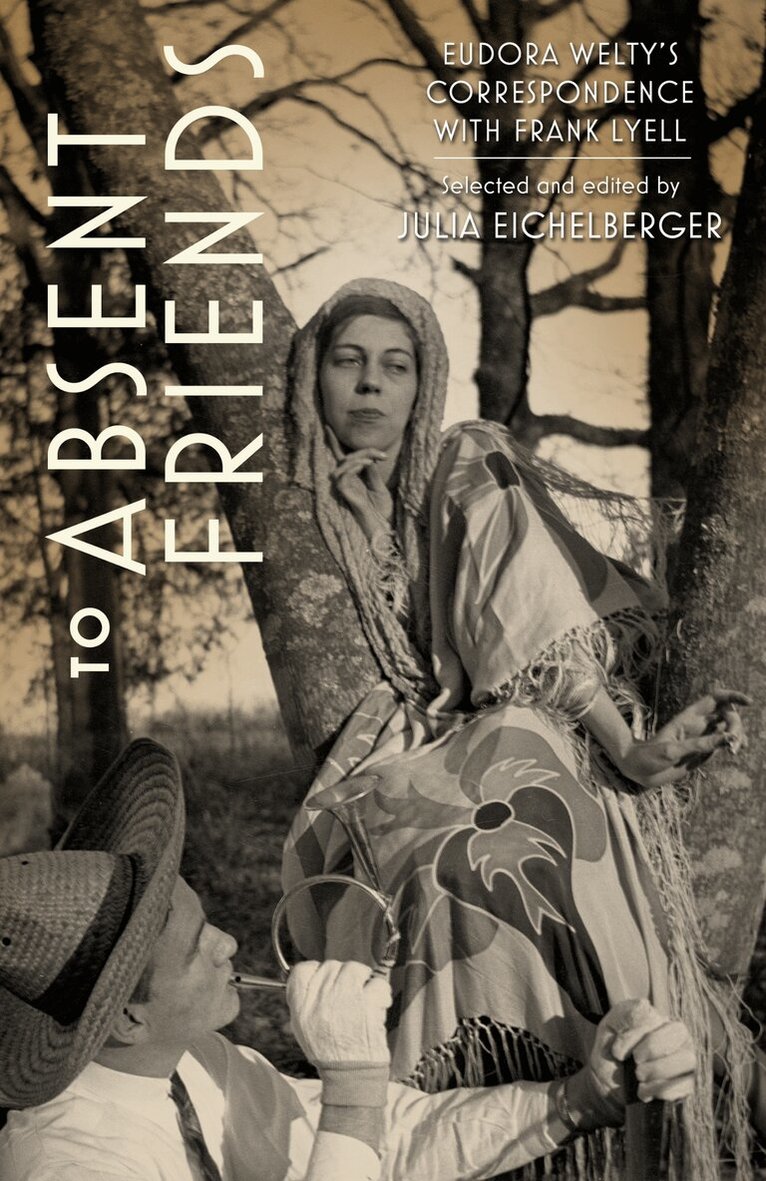
With over 350 complete or excerpted letters, most previously unpublished, To Absent Friends: Eudora Welty's Correspondence with Frank Lyell forms an epistolary narrative of Welty’s writing life and her nearly fifty-year friendship with Frank Lyell, a friend from Jackson, Mississippi. Also included in the text are extensive annotations to explain the letters’ myriad, often telegraphic cultural references. Early letters show both correspondents’ youthful exuberance as Lyell pursued graduate studies at Princeton and Welty, based in Jackson, visited New York whenever she could. They saw much to ridicule in the grown-up world they were entering, but their letters also convey deep admiration for music, literature, art, dance, and other cultural expressions.Letters from the 1940s discuss Welty’s work in progress, Lyell’s wartime service in the Army Air Forces Intelligence, and his teaching jobs in North Carolina and Texas. In the 1950s, her mother’s health began to fail, and the civil rights movement and other world events hovered in the background of letters reporting on the Weltys’ challenging lives. As Welty’s fame grew, the friends continued to share gossip, descriptions of enjoyably bad movies, and reports on literature that moved them. The friends’ final decade of correspondence includes playfulness alongside poignant reminders of their own aging. Becoming quieter, calmer versions of their youthful selves, they retained their delight in high and low culture, their veneration of art, and their love of the absurd. Taken together, these letters document a remarkable artist’s responses to her time and place and a sparkling friendship.