Julia L. Foulkes – författare
Visar alla böcker från författaren Julia L. Foulkes. Handla med fri frakt och snabb leverans.
4 produkter
4 produkter
Inbunden, Engelska, 2016
280 kr
Skickas inom 5-8 vardagar
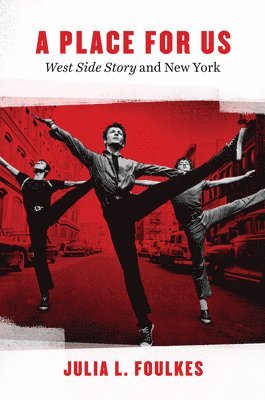
From its Broadway debut to the Oscar-winning film to countless amateur productions, West Side Story is nothing less than an American touchstone an updating of Shakespeare located in a vividly realized, rapidly changing postwar New York. That vision of postwar New York is at the heart of Julia L. Foulkes's A Place for Us. A lifelong fan of the show, Foulkes became interested in its history when she made an unexpected discovery: parts of the iconic film version were shot on the demolition site of what would ultimately be part of the Lincoln Center redevelopment a crowning jewel of postwar urban renewal. Foulkes interweaves the story of the creation of the musical and film with the remaking of the Upper West Side and the larger tale of New York's postwar aspirations.Making unprecedented use of Jerome Robbins's revelatory papers, she shows the crucial role played by the political commitments of Robbins and his fellow gay, Jewish collaborators, Leonard Bernstein and Arthur Laurents: their determination to evoke life in New York as it was actually lived helped give West Side Story its unshakable sense of place even as it put forward a vision of a new, vigorous, determinedly multicultural American city. Beautifully written and full of surprises for even the most dedicated West Side Story fan, A Place for Us is a powerful new exploration of an American classic.
Häftad, Engelska, 2002
448 kr
Skickas inom 10-15 vardagar
This text exposes the social dynamics that shaped American modernism and moved modern dance to the edges of society, a place both provocative and perilous. It was in 1930 that dancer and choreographer Martha Graham proclaimed the arrival of ""dance as an art of and from America"". Dancers such as Doris Humphrey, Ted Shawn, Katherine Dunham, and Helen Tamaris joined Graham in creating a new form of dance, and, like other modernists, they experimented with and argued over their aesthetic innovations, to which they assigned great meaning. However, modern dance was distinct from other artistic genres in that it attracted many different sections of society. Women held leading roles in the development of modern dance both on and off stage, gay men recast the effeminacy often associated with dance into hardened, heroic, American athleticism and African Americans contributed elements of social, African, and Caribbean dance. Through their art, modern dancers challenged conventional roles and images of gender, sexuality, race, class, and regionalism with a view of American democracy that was confrontational and participatory, authorial and populist.
E-bok
Engelska, 2003485 kr
Läs direkt efter köp
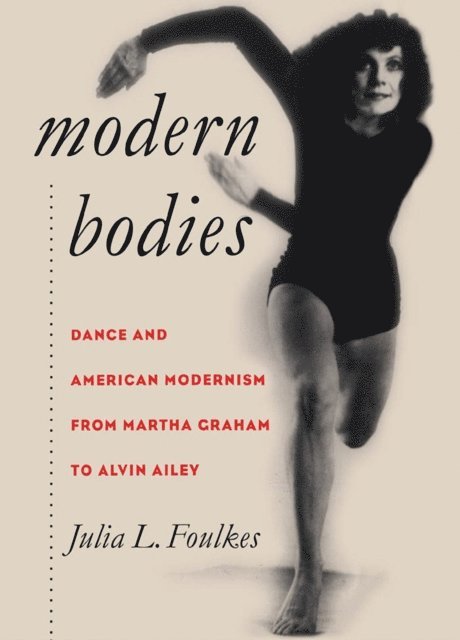
In 1930, dancer and choreographer Martha Graham proclaimed the arrival of “dance as an art of and from America.” Dancers such as Doris Humphrey, Ted Shawn, Katherine Dunham, and Helen Tamiris joined Graham in creating a new form of dance, and, like other modernists, they experimented with and argued over their aesthetic innovations, to which they assigned great meaning.Their innovations, however, went beyond aesthetics. While modern dancers devised new ways of moving bodies in accordance with many modernist principles, their artistry was indelibly shaped by their place in society. Modern dance was distinct from other artistic genres in terms of the people it attracted: white women (many of whom were Jewish), gay men, and African American men and women. Women held leading roles in the development of modern dance on stage and off; gay men recast the effeminacy often associated with dance into a hardened, heroic, American athleticism; and African Americans contributed elements of social, African, and Caribbean dance, even as their undervalued role defined the limits of modern dancers'' communal visions. Through their art, modern dancers challenged conventional roles and images of gender, sexuality, race, class, and regionalism with a view of American democracy that was confrontational and participatory, authorial and populist.Modern Bodies exposes the social dynamics that shaped American modernism and moved modern dance to the edges of society, a place both provocative and perilous.
E-bok
PDF, Engelska, 2003381 kr
Läs direkt efter köp
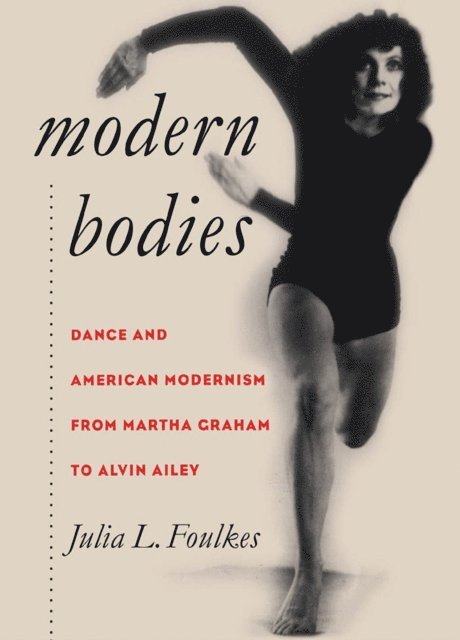
In 1930, dancer and choreographer Martha Graham proclaimed the arrival of “dance as an art of and from America.” Dancers such as Doris Humphrey, Ted Shawn, Katherine Dunham, and Helen Tamiris joined Graham in creating a new form of dance, and, like other modernists, they experimented with and argued over their aesthetic innovations, to which they assigned great meaning.Their innovations, however, went beyond aesthetics. While modern dancers devised new ways of moving bodies in accordance with many modernist principles, their artistry was indelibly shaped by their place in society. Modern dance was distinct from other artistic genres in terms of the people it attracted: white women (many of whom were Jewish), gay men, and African American men and women. Women held leading roles in the development of modern dance on stage and off; gay men recast the effeminacy often associated with dance into a hardened, heroic, American athleticism; and African Americans contributed elements of social, African, and Caribbean dance, even as their undervalued role defined the limits of modern dancers'' communal visions. Through their art, modern dancers challenged conventional roles and images of gender, sexuality, race, class, and regionalism with a view of American democracy that was confrontational and participatory, authorial and populist.Modern Bodies exposes the social dynamics that shaped American modernism and moved modern dance to the edges of society, a place both provocative and perilous.