Julia Secklehner - Böcker
Visar alla böcker från författaren Julia Secklehner. Handla med fri frakt och snabb leverans.
4 produkter
4 produkter
2 219 kr
Skickas inom 10-15 vardagar
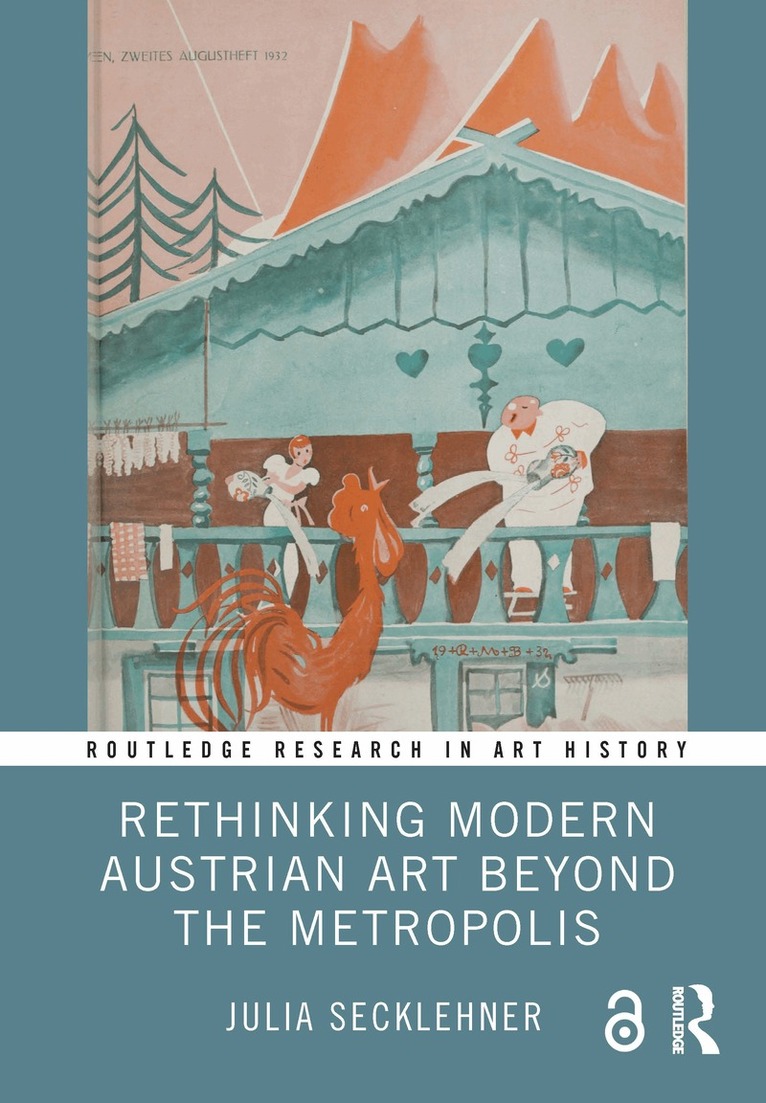
This study examines the role played by regional cultures in modern art and visual culture in Central Europe between 1918 and 1938.Analysing paintings, photographs, prints, and illustrated magazines in relation to topics such as tourism, social activism, rural exoticism, gender, and ethnic diversity, the book offers a fresh perspective on Central European art and visual culture. It pays particular attention to Austria, a country often ignored in histories of modernism in Central Europe, yet one where the countryside gained high visibility as a part of modern culture between the wars. Examples from Czechoslovakia and Hungary also play an important role in comparison and challenge the nationally fragmented histories of modernism in the region. The book’s approach overall is also relevant beyond Central Europe: it corrects assumptions that modern art and visual culture were at home in the urban space and emphasises the role of the countryside as an agent of renewal and emancipation in order to construct a more nuanced history of modernism.The book will be of interest to scholars studying art history, Central European studies, European Studies, modernism, and cultural history.The Open Access version of this book, available at www.taylorfrancis.com, has been made available under a Creative Commons Attribution-Non Commercial-No Derivatives (CC-BY-NC-ND) 4.0 license.
649 kr
Skickas inom 10-15 vardagar
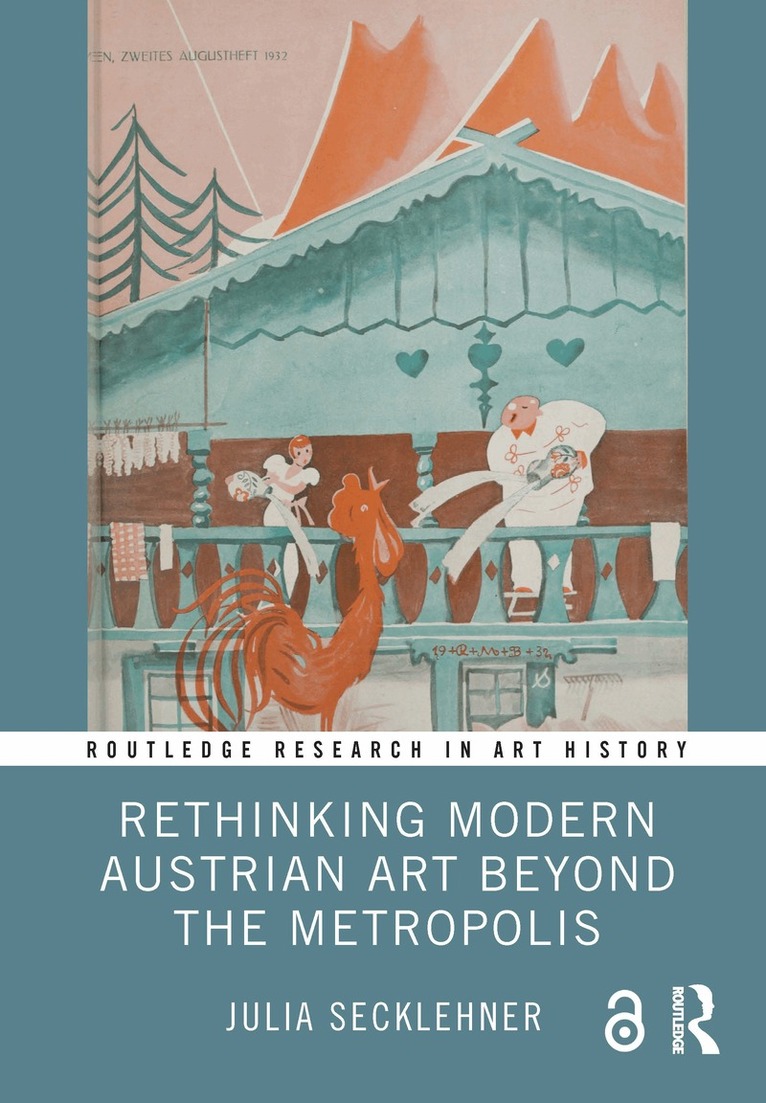
This study examines the role played by regional cultures in modern art and visual culture in Central Europe between 1918 and 1938.Analysing paintings, photographs, prints, and illustrated magazines in relation to topics such as tourism, social activism, rural exoticism, gender, and ethnic diversity, the book offers a fresh perspective on Central European art and visual culture. It pays particular attention to Austria, a country often ignored in histories of modernism in Central Europe, yet one where the countryside gained high visibility as a part of modern culture between the wars. Examples from Czechoslovakia and Hungary also play an important role in comparison and challenge the nationally fragmented histories of modernism in the region. The book’s approach overall is also relevant beyond Central Europe: it corrects assumptions that modern art and visual culture were at home in the urban space and emphasises the role of the countryside as an agent of renewal and emancipation in order to construct a more nuanced history of modernism.The book will be of interest to scholars studying art history, Central European studies, European Studies, modernism, and cultural history.The Open Access version of this book, available at www.taylorfrancis.com, has been made available under a Creative Commons Attribution-Non Commercial-No Derivatives (CC-BY-NC-ND) 4.0 license.
826 kr
Kommande
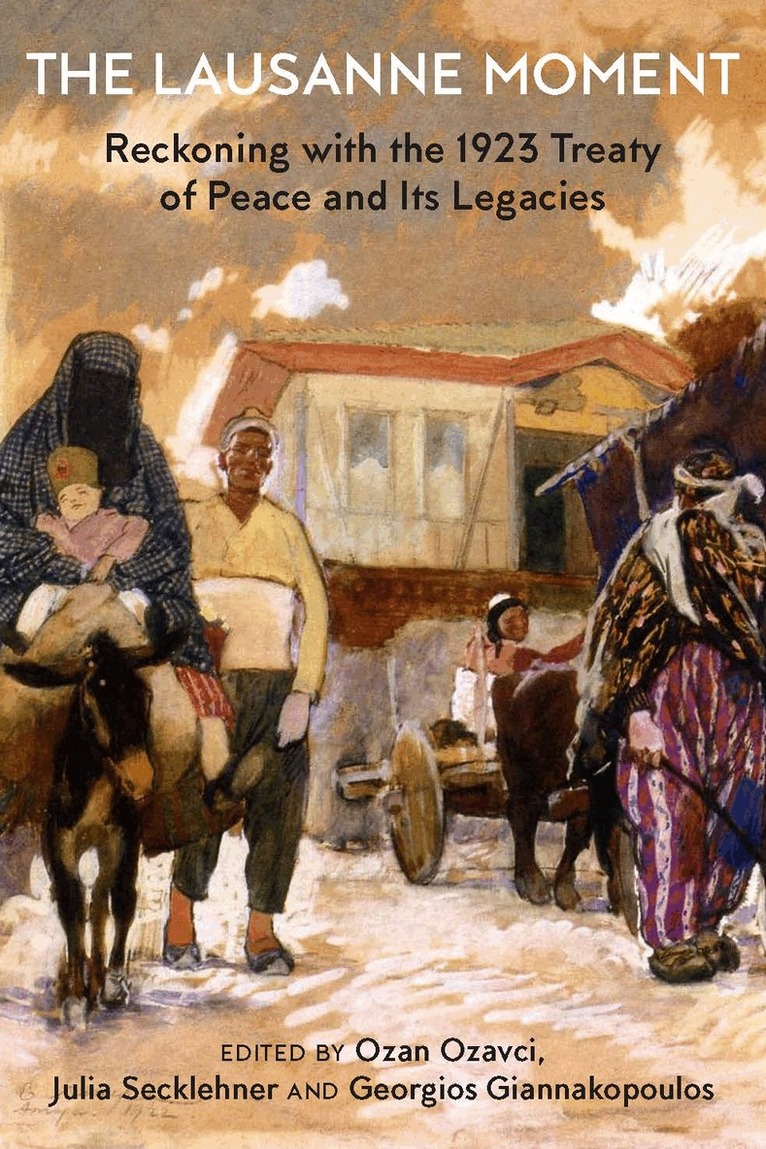
The Treaty of Lausanne (1923) remains one of the few interwar peace settlements that has endured into the twenty-first century. Yet, the memory of Lausanne has proved deeply contested. Celebrated by some as a triumph of state sovereignty and peace-making, it has also come to symbolise forced displacement, the erasure of minority rights, and the codification of population transfers as instruments of international order. Reckoning with Loss addresses the shifting interpretations of the treaty across national contexts, tracing how its provisions have been legally, socially, and politically reimagined—whether in debates over the application of Sharia in Greece’s Western Thrace, or diplomatic flare-ups over its possible revision.One hundred years after the signing of the Treaty of Lausanne, Reckoning with Loss revisits what is often termed the “Lausanne moment”—a diplomatic, legal, economic and financial juncture that helped reshape the world and defined new norms of sovereignty, displacement, and identity. Building on a growing body of interdisciplinary scholarship and serving as a sequel to They All Made Peace – What is Peace? (Gingko, 2023), the edited volume foregrounds the lived realities and long-term legacies of the treaty, critically re-examining the political, cultural, and social consequences of its provisions and aftershocks.Rather than focusing solely on high diplomacy or legal text, Reckoning with Loss brings into view the human dimension of the Lausanne moment. Through case studies ranging from the refugee experience in Nikaia and Asia Minor orphans in Greece, to the enduring memory of loss in Pontic singing, the symbolic ethnicity of Cretan descendants and the Kurdish experience in Turkey, the book documents the deeply personal and community-level consequences of forced migration and political rupture. These experiences are not confined to the immediate postwar period; they linger across time, informing the present-day politics of memory, migration, and identity.The volume also interrogates the geopolitics of Lausanne through new thematic lenses. Essays explore how the treaty facilitated the continuation of imperial practices under new nationalist forms, shaped debates over public debt and cultural heritage, and affected actors and regions often overlooked in Lausanne historiography—such as Albania, Cyprus, and the Kurdish nationalist movements. Lausanne’s cultural afterlives, from its role in shaping archaeology, music, and education policy, to the short-lived invention and later erasure of “Lausanne Day” from Turkey’s official commemorative calendar are also covered in the book.Reckoning with Loss situates the 1923 treaty within broader histories of state-led population engineering, colonial eugenic practices, and the moral politics of international humanitarianism. The “peace” of Lausanne, the volume suggests, was neither absolute nor apolitical—it was crafted, contested, and constantly renegotiated. The book’s contributors collectively ask not only what peace meant in 1923, but also what it means today for those still living with its consequences.Through its interdisciplinary and transregional approach, Reckoning with Loss breaks new ground in Lausanne studies. It brings together historians, anthropologists, archaeologists, political scientists, and cultural theorists, and introduces voices and perspectives—Kurdish, Cypriot, Pontic, Albanian, and Cretan—that have been marginal to mainstream narratives. By weaving together policy analysis, oral history, cultural production, and historical research, the volume offers an expansive and textured account of one of the twentieth century’s most consequential, yet paradoxical, peace settlements.
1 088 kr
Kommande
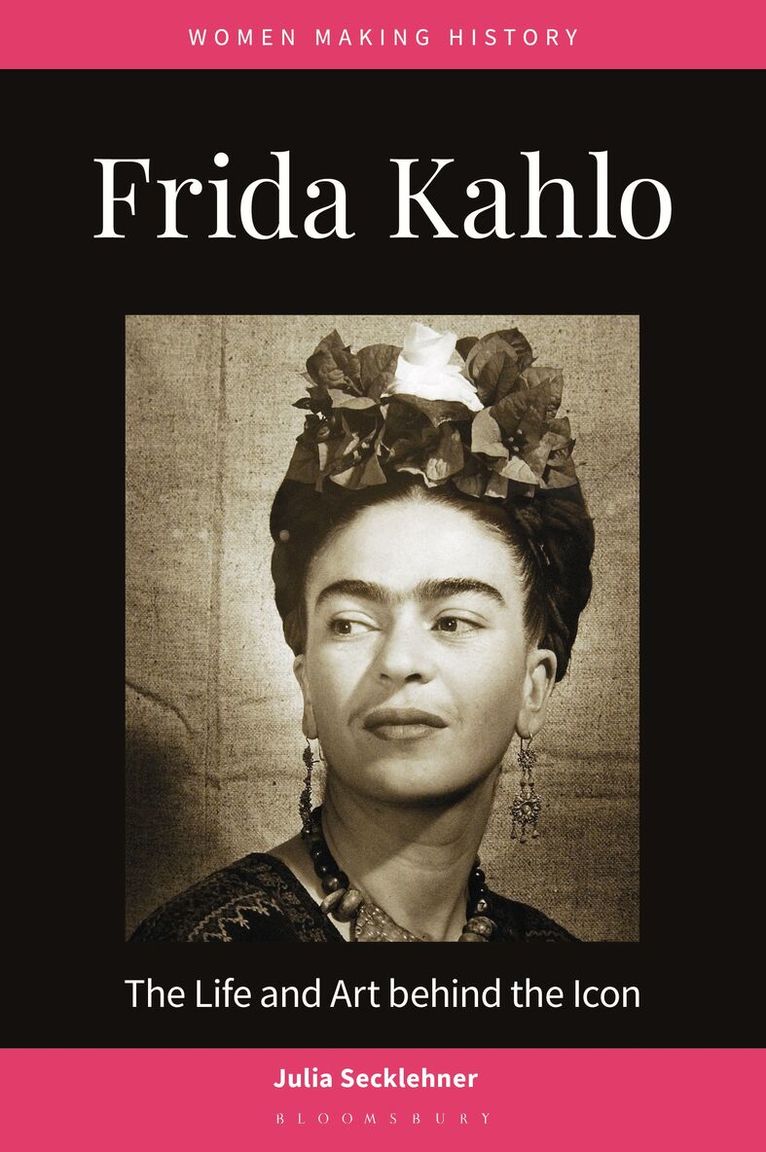
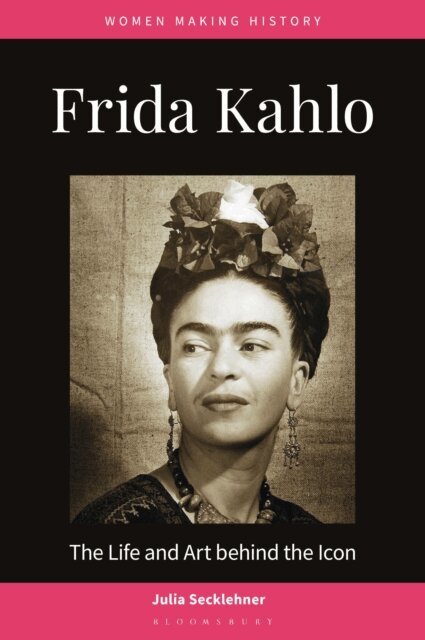
Re-introduces the social and political life and work of one of the world’s most recognizable artists, examining her impact on the broader society of her time, legacy, and how she was later shaped into a feminist and commercial icon.Frida Kahlo is best Known for her colorful self-portraits, which represent some of the most direct renderings of women’s experiences in the 20th century, and for her active membership in Mexico’s modernist artistic circles. Her fame, as we we know it today, grew only after her early death in 1954. Since the 1970s, she has become an iconic figure who is connected to feminist and LGBTQ+ movements around the world. Her face, adorned by a flower wreath and monobrow, has become a highly profitable brand featured on posters and a wide array of design products. Yet this fame has also made it difficult to distinguish between the mythology and the artist she was during her lifetime. This biography reassesses the artist’s life by re-introducing the Frida Kahlo behind the brand, retracing how Kahlo made history as a modernist painter and socialite in a time when Mexico was undergoing significant social and political changes. From her childhood in Mexico City in the midst of the Mexican Revolution, to her politics and tumultuous marriage to Diego Rivera, to her teaching a new generation of artists, this work provides a comprehensive look at the whole life of the artist and traces how her legacy developed into contemporary times.Images throughout illustrate the text and vividly connect readers to Kahlo's life. A timeline, chronological sequencing, and curated next-step resources make this a necessary first-stop reference source that shows the importance of revisiting iconic figures to assess their lives beyond the myths.