Julia Shaw – författare
Visar alla böcker från författaren Julia Shaw. Handla med fri frakt och snabb leverans.
40 produkter
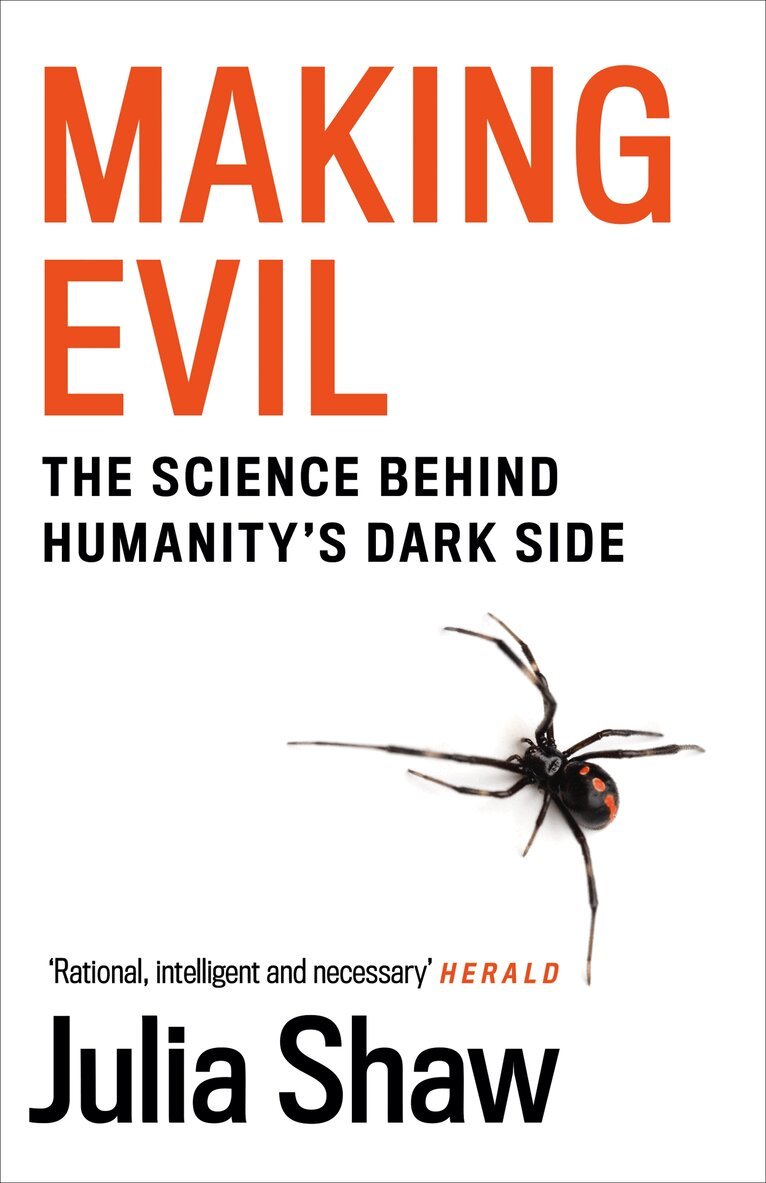
Making Evil
The Science Behind Humanity’s Dark Side
Av Julia Shaw
Häftad, 2020
4,0 utav 5 stjärnor. Totalt antal röster: (1)
131 kr
Lägg i varukorg
Are you evil?In Making Evil, Julia Shaw uses a mix of science, popular culture and real-life examples to investigate the darker side of human nature. How similar is your brain to a psychopath's? How many people have murder fantasies? Can AI be evil? Do your sexual proclivities make you a bad …
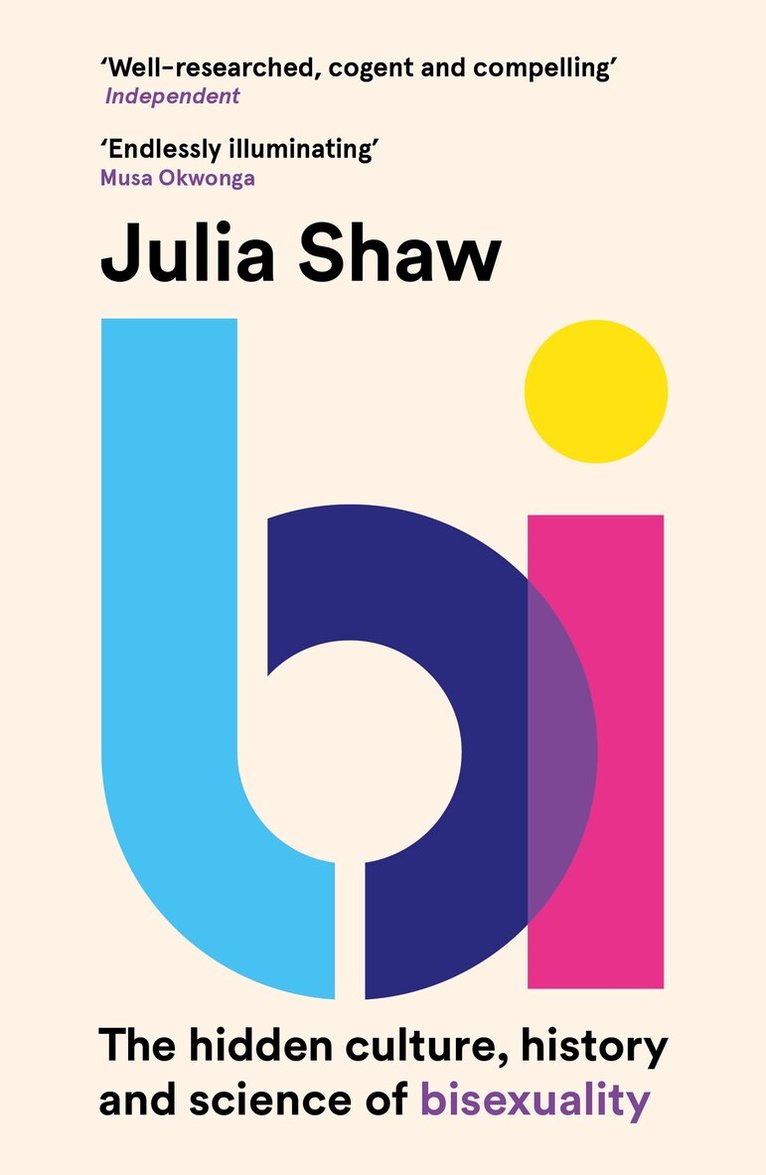
Bi
The Hidden Culture, History and Science of Bisexuality
Av Julia Shaw
Häftad, 2023
3,0 utav 5 stjärnor. Totalt antal röster: (2)
143 kr
Lägg i varukorg
A WATERSTONES BEST BOOK OF 2022: POLITICSBi: The Hidden Culture, History and Science of Bisexuality explores all that we know about the world's largest sexual minority. It is a personal journey that starts with Dr Julia Shaw's own openly bisexual identity, and celebrates the resilience and …
Memory Illusion
Remembering, Forgetting, and the Science of False Memory
Av Julia Shaw
Häftad, 2017
5,0 utav 5 stjärnor. Totalt antal röster: (1)
144 kr
Lägg i varukorg
THE INTERNATIONAL BESTSELLER'Truly fascinating.' Steve Wright, BBC Radio 2- Have you ever forgotten the name of someone you’ve met dozens of times?- Or discovered that your memory of an important event was completely different from everyone else’s?- Or vividly recalled being in a particular place …
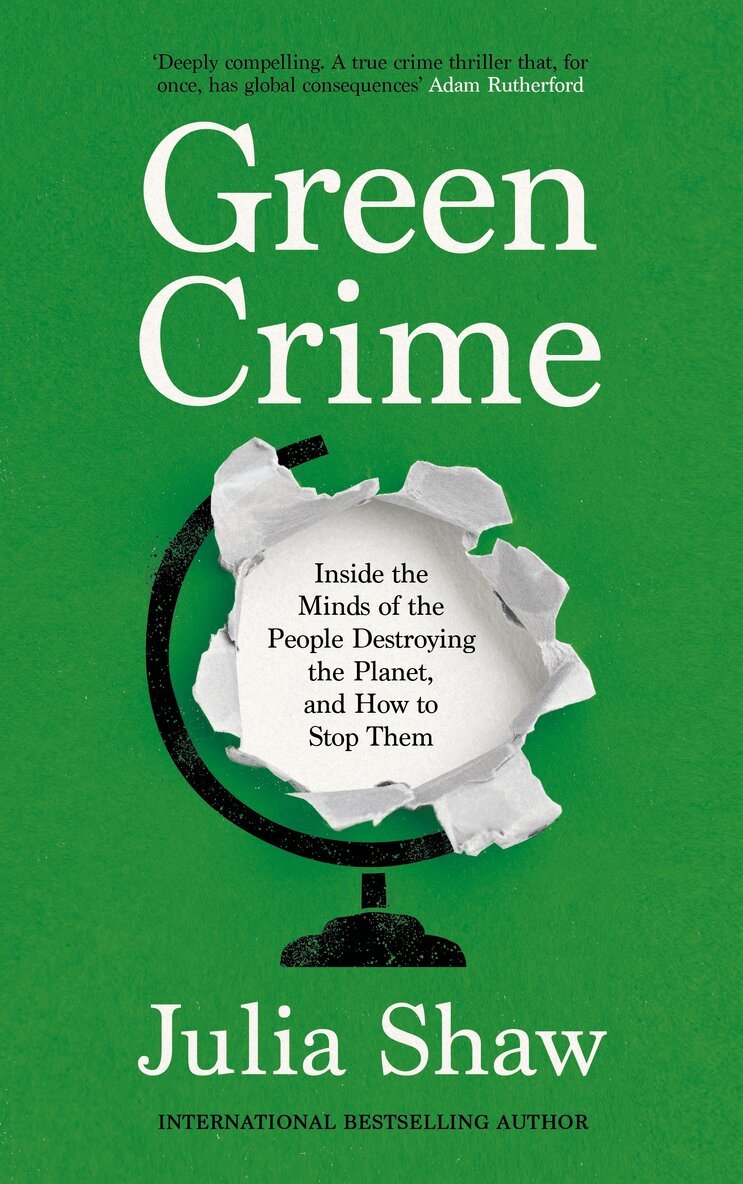
Green Crime
Inside the Minds of the People Destroying the Planet, and How to Stop Them
Av Julia Shaw
Inbunden, 2025
221 kr
Lägg i varukorg
SHORTLISTED FOR THE 2026 WAINWRIGHT PRIZE FOR CONSERVATION WRITINGSHORTLIST FOR THE 2026 WORLD OF BOOKS SUSTAINABLE STORY AWARD FOR NON-FICTION Traffickers. Hit men. Outlaws. Thieves . . . Our planet is a crime scene - but can we catch the killers?Enter a world where people are murdered, ecosystems …
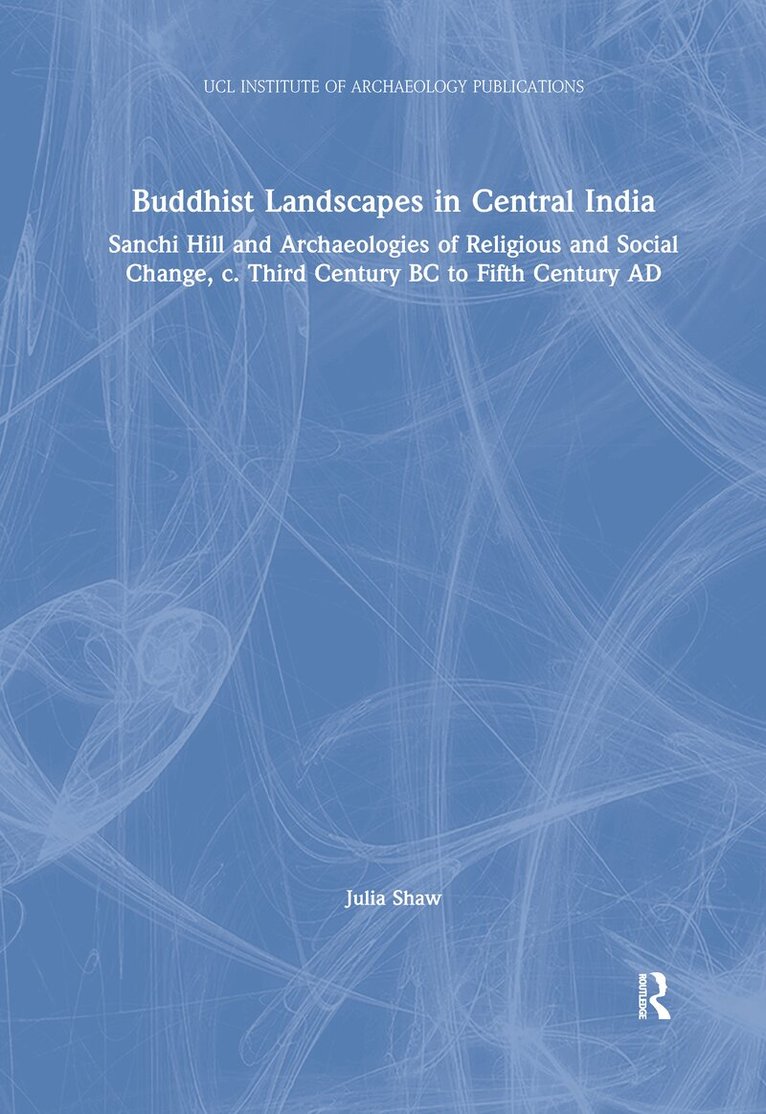
Buddhist Landscapes in Central India
Sanchi Hill and Archaeologies of Religious and Social Change, c. Third Century BC to Fifth Century AD
Av Julia Shaw
Häftad, 2020
652 kr
Lägg i varukorg
The “monumental bias” of Buddhist archaeology has hampered our understanding of the socio-religious mechanisms that enabled early Buddhist monks to establish themselves in new areas. To articulate these relationships, Shaw presents here the first integrated study of settlement archaeology and …
Archaeology of Medicine and Healthcare
Inbunden, 2022
2588 kr
Lägg i varukorg
The maintenance of human health and the mechanisms by which this is achieved – through medicine, medical intervention and care-giving – are fundamentals of human societies. However, archaeological investigations of medicine and care have tended to examine the obvious and explicit manifestations of …
Archaeology of Medicine and Healthcare
Häftad, 2024
667 kr
Lägg i varukorg
The maintenance of human health and the mechanisms by which this is achieved – through medicine, medical intervention and care-giving – are fundamentals of human societies. However, archaeological investigations of medicine and care have tended to examine the obvious and explicit manifestations of …
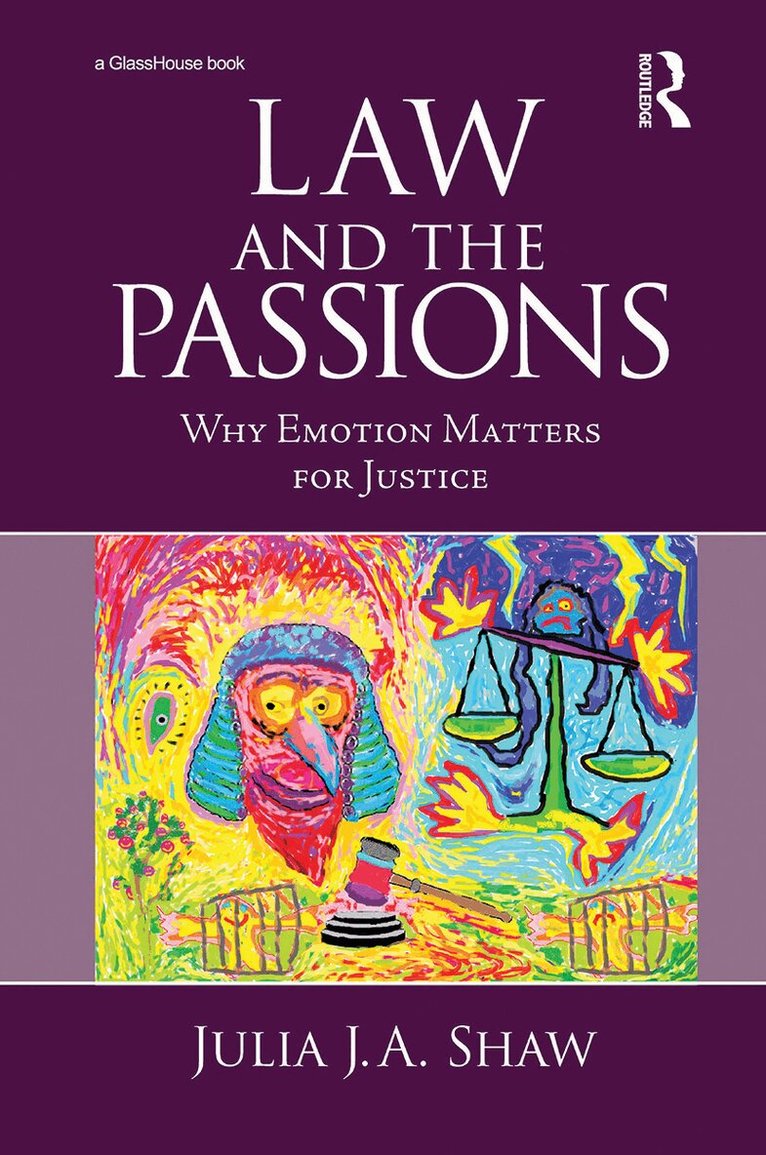
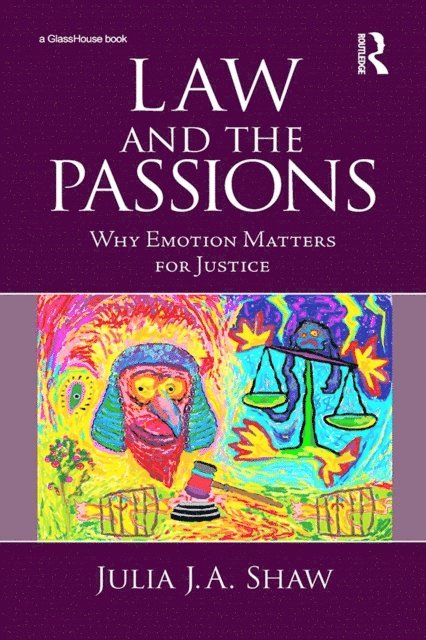
Law and the Passions
Why Emotion Matters for Justice
Av Julia Shaw
Häftad, 2021
663 kr
Lägg i varukorg
Engaging with the underlying social context in which emotions are a motivationalforce, Law and the Passions provides a uniquely inclusive commentary on the significanceand influence of emotions in the history and continuing development oflegal judgment, policy formation, legal practice and legal …
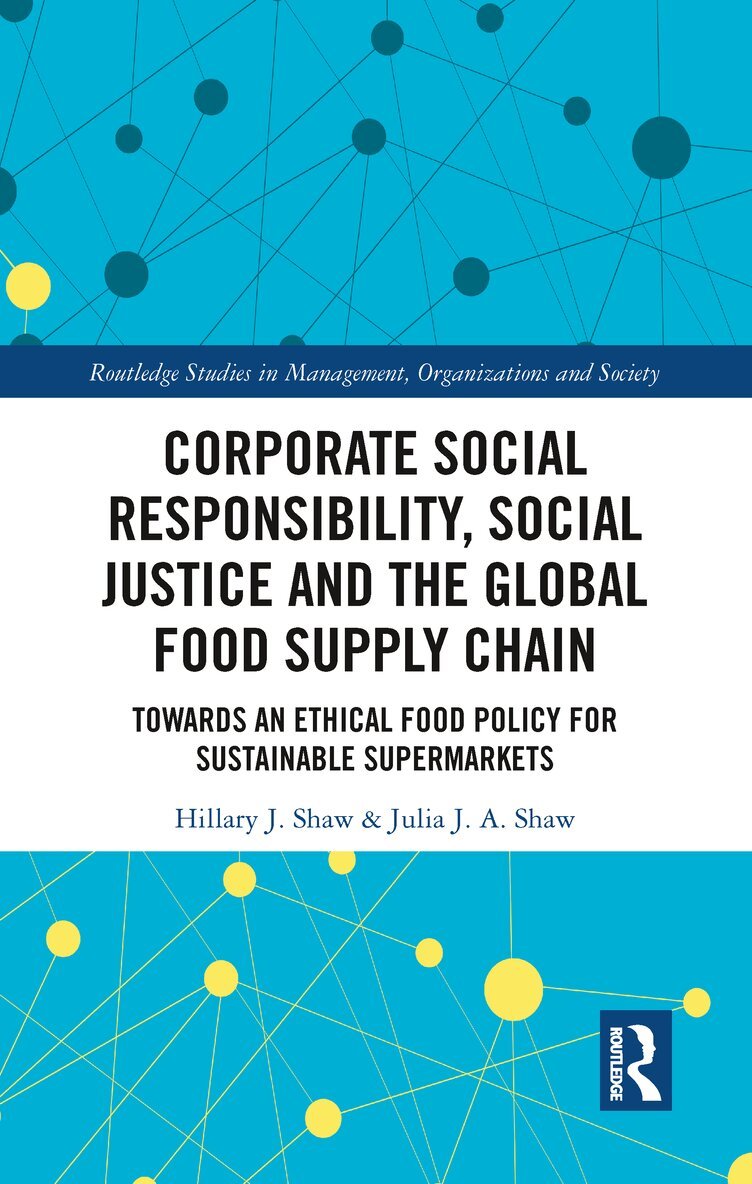
Corporate Social Responsibility, Social Justice and the Global Food Supply Chain
Towards an Ethical Food Policy for Sustainable Supermarkets
Häftad, 2021
712 kr
Lägg i varukorg
Food is a source of nourishment, a cause for celebration, an inducement to temptation, a means of influence, and signifies good health and well-being. Together with other life enhancing goods such as clean water, unpolluted air, adequate shelter and suitable clothing, food is a basic good which is …
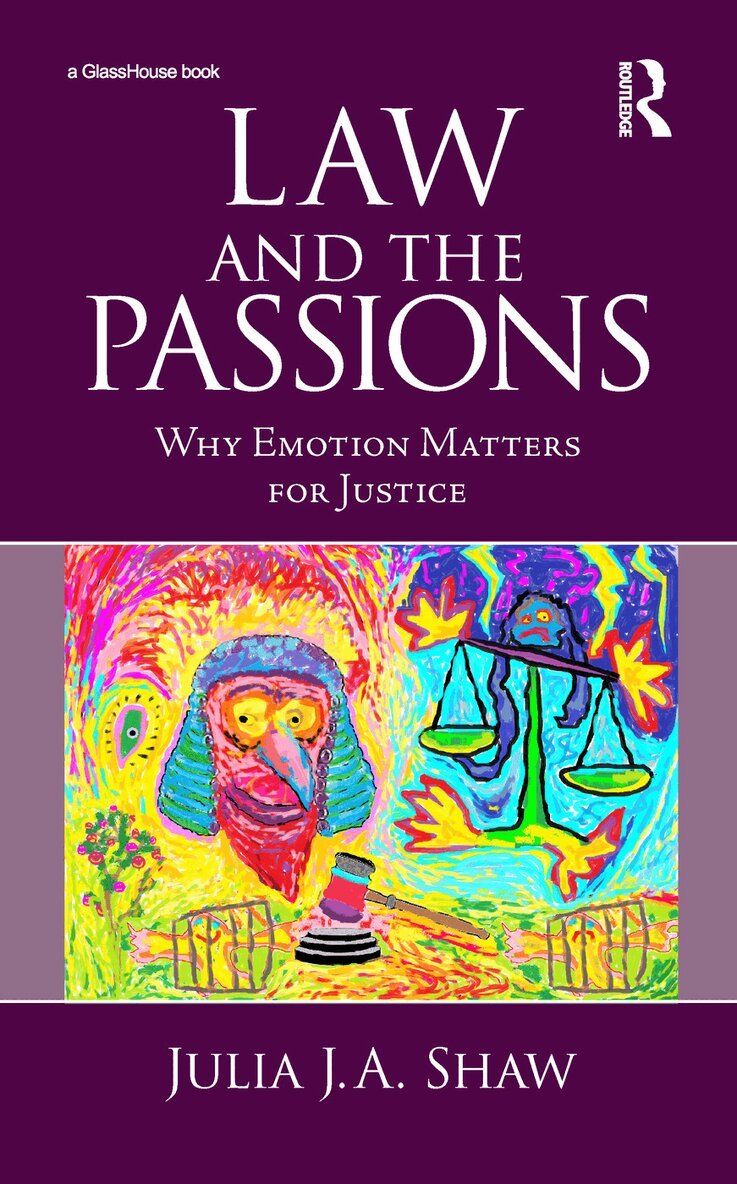
Law and the Passions
Why Emotion Matters for Justice
Av Julia Shaw
Inbunden, 2019
2312 kr
Lägg i varukorg
Engaging with the underlying social context in which emotions are a motivationalforce, Law and the Passions provides a uniquely inclusive commentary on the significanceand influence of emotions in the history and continuing development oflegal judgment, policy formation, legal practice and legal …
Archaeology of Medicine and Healthcare
E-bok, 2022
785 kr
Lägg i varukorg
The maintenance of human health and the mechanisms by which this is achieved – through medicine, medical intervention and care-giving – are fundamentals of human societies. However, archaeological investigations of medicine and care have tended to examine the obvious and explicit manifestations of …
Archaeology of Medicine and Healthcare
E-bok, 2022
768 kr
Lägg i varukorg
The maintenance of human health and the mechanisms by which this is achieved – through medicine, medical intervention and care-giving – are fundamentals of human societies. However, archaeological investigations of medicine and care have tended to examine the obvious and explicit manifestations of …
Law and the Passions
Why Emotion Matters for Justice
Av Julia Shaw
E-bok, 2019
955 kr
Lägg i varukorg
Engaging with the underlying social context in which emotions are a motivational force, Law and the Passions provides a uniquely inclusive commentary on the significance and influence of emotions in the history and continuing development of legal judgment, policy formation, legal practice and legal …
Law and the Passions
Why Emotion Matters for Justice
Av Julia Shaw
E-bok, 2019
976 kr
Lägg i varukorg
Engaging with the underlying social context in which emotions are a motivational force, Law and the Passions provides a uniquely inclusive commentary on the significance and influence of emotions in the history and continuing development of legal judgment, policy formation, legal practice and legal …
Corporate Social Responsibility, Social Justice and the Global Food Supply Chain
Towards an Ethical Food Policy for Sustainable Supermarkets
Inbunden, 2019
2588 kr
Lägg i varukorg
Food is a source of nourishment, a cause for celebration, an inducement to temptation, a means of influence, and signifies good health and well-being. Together with other life enhancing goods such as clean water, unpolluted air, adequate shelter and suitable clothing, food is a basic good which is …
Law Express: Jurisprudence
Av Julia Shaw
Häftad, 2018
183 kr
Lägg i varukorg
JOIN OVER HALF A MILLION STUDENTS WHO CHOSE TO REVISE WITH LAW EXPRESS Revise with the help of the UK’s bestselling law revision series . Features: · Review essential cases , statutes , and legal terms before exams. · Assess and approach the subject by using expert advice . · Gain higher marks with …
Buddhist Landscapes in Central India
Sanchi Hill and Archaeologies of Religious and Social Change, c. Third Century BC to Fifth Century AD
Av Julia Shaw
E-bok, 2016
750 kr
Lägg i varukorg
The “monumental bias” of Buddhist archaeology has hampered our understanding of the socio-religious mechanisms that enabled early Buddhist monks to establish themselves in new areas. To articulate these relationships, Shaw presents here the first integrated study of settlement archaeology and …
Buddhist Landscapes in Central India
Sanchi Hill and Archaeologies of Religious and Social Change, c. Third Century BC to Fifth Century AD
Av Julia Shaw
E-bok, 2016
767 kr
Lägg i varukorg
The “monumental bias” of Buddhist archaeology has hampered our understanding of the socio-religious mechanisms that enabled early Buddhist monks to establish themselves in new areas. To articulate these relationships, Shaw presents here the first integrated study of settlement archaeology and …
Corporate Social Responsibility, Social Justice and the Global Food Supply Chain
Towards an Ethical Food Policy for Sustainable Supermarkets
E-bok, 2019
820 kr
Lägg i varukorg
Food is a source of nourishment, a cause for celebration, an inducement to temptation, a means of influence, and signifies good health and well-being. Together with other life enhancing goods such as clean water, unpolluted air, adequate shelter and suitable clothing, food is a basic good which is …
Corporate Social Responsibility, Social Justice and the Global Food Supply Chain
Towards an Ethical Food Policy for Sustainable Supermarkets
E-bok, 2019
796 kr
Lägg i varukorg
Food is a source of nourishment, a cause for celebration, an inducement to temptation, a means of influence, and signifies good health and well-being. Together with other life enhancing goods such as clean water, unpolluted air, adequate shelter and suitable clothing, food is a basic good which is …
Bi: The Hidden Culture, History, and Science of Bisexuality
Av Julia Shaw
Häftad, 1900
241 kr
Lägg i varukorg
Essential Reading for Pride: Selected as a Favorite LGBTQ+ Book for Adults by People Magazine A provocative, eye-opening, and original book on the science of sexuality beyond gender from an internationally bestselling psychologist. For psychological scientist and bestselling author Dr. Julia Shaw, …
Memory Illusion
Remembering, Forgetting, and the Science of False Memory
Av Julia Shaw
E-bok, 2016
111 kr
Lägg i varukorg
THE INTERNATIONAL BESTSELLER'Truly fascinating.' Steve Wright, BBC Radio 2- Have you ever forgotten the name of someone you’ve met dozens of times?- Or discovered that your memory of an important event was completely different from everyone else’s?- Or vividly recalled being in a particular place …
Buddhist Landscapes in Central India
Sanchi Hill and Archaeologies of Religious and Social Change, c. Third Century BC to Fifth Century AD
Av Julia Shaw
Inbunden, 2013
2594 kr
Lägg i varukorg
The “monumental bias” of Buddhist archaeology has hampered our understanding of the socio-religious mechanisms that enabled early Buddhist monks to establish themselves in new areas. To articulate these relationships, Shaw presents here the first integrated study of settlement archaeology and …
Green Crime
Inside the Minds of the People Destroying the Planet, and How to Stop Them
Av Julia Shaw
Häftad, 2025
198 kr
Lägg i varukorg
SHORTLISTED FOR THE WAINWRIGHT PRIZE FOR CONSERVATION WRITINGSHORTLIST FOR THE WORLD OF BOOKS SUSTAINABLE STORY AWARD FOR NON-FICTION Traffickers. Hit men. Outlaws. Thieves . . . Our planet is a crime scene - but can we catch the killers?Enter a world where people are murdered, ecosystems are …