Juliane Besters-Dilger – författare
Visar alla böcker från författaren Juliane Besters-Dilger. Handla med fri frakt och snabb leverans.
7 produkter
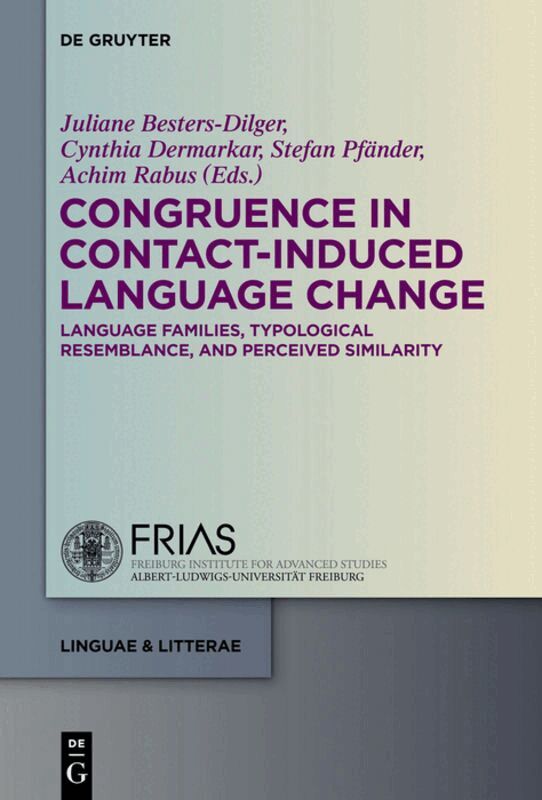
Congruence in Contact-Induced Language Change
Language Families, Typological Resemblance, and Perceived Similarity
Av Juliane Besters-Dilger, Cynthia Dermarkar m. fl.
Inbunden, 2014
2118 kr
Lägg i varukorg
Modern contact linguistics has primarily focused on contact between languages that are genetically unrelated and structurally distant. This compendium of articles looks instead at the effects of pre–existing structural congruency between the affected languages at the time of their initial contact, …
Congruence in Contact-Induced Language Change
Language Families, Typological Resemblance, and Perceived Similarity
Av Achim Rabus, Stefan Pfander m. fl.
E-bok, 2014
1865 kr
Lägg i varukorg
Modern contact linguistics has primarily focused on contact between languages that are genetically unrelated and structurally distant. This compendium of articles looks instead at the effects of pre–existing structural congruency between the affected languages at the time of their initial contact, …
Congruence in Contact-Induced Language Change
Language Families, Typological Resemblance, and Perceived Similarity
Av Achim Rabus, Stefan Pfander m. fl.
E-bok, 2014
1865 kr
Lägg i varukorg
Modern contact linguistics has primarily focused on contact between languages that are genetically unrelated and structurally distant. This compendium of articles looks instead at the effects of pre–existing structural congruency between the affected languages at the time of their initial contact, …
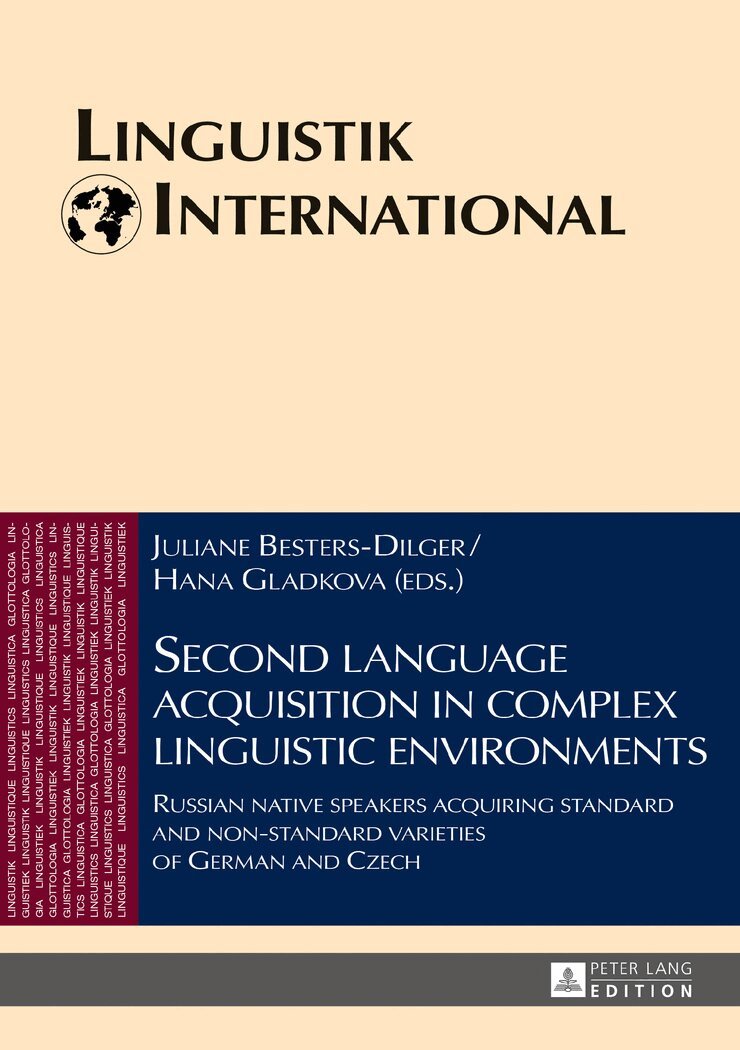
Second language acquisition in complex linguistic environments
Russian native speakers acquiring standard and non-standard varieties of German and Czech
Av Juliane Besters-Dilger, Hana Gladkova
Inbunden, 2016
1105 kr
Lägg i varukorg
Russian-speaking immigrants residing in the Czech Republic or Germany are faced with the challenge of acquiring the Slavic (Czech) or Non-Slavic (German) language of the new environment. This process is influenced by their native language. The volume empirically analyses the acquisition of a …
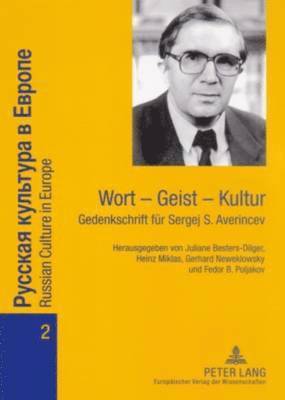
Wort - Geist - Kultur
Gedenkschrift Fuer Sergej S. Averincev
Av Juliane Besters-Dilger, Heinz Miklas m. fl.
Häftad, 2006
1080 kr
Tillfälligt slut
Der bedeutende Literatur- und Kulturwissenschaftler, Übersetzer, Publizist und Dichter Sergej S. Averincev wirkte zuletzt als Professor für Russische Literatur an der Universität Wien. Der Band vereint 19 Beiträge seiner Kollegen und Freunde aus mehreren Fachgebieten, die sich unter Bezug auf die …
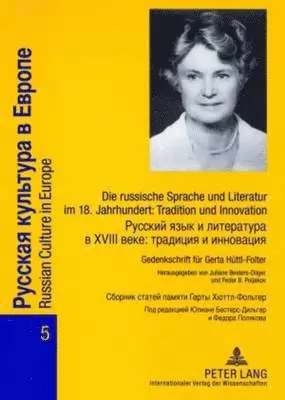
Russische Sprache Und Literatur Im 18. Jahrhundert: Tradition Und Innovation- Russkij Jazyk I Literatura V XVIII Veke: Tradicija I Innovacija
Gedenkschrift Fuer Gerta Huettl-Folter- Sbornik Statej Pamjati Gerty Huettl-Folter
Av Juliane Besters-Dilger, Fedor B Poljakov
Häftad, 2009
822 kr
Tillfälligt slut
Die Ukraine Auf Dem Weg Nach Europa
Die Aera Juschtschenko
Av Juliane Besters-Dilger, Alois Woldan
Inbunden, 2011
495 kr
Tillfälligt slut
Die Orange Revolution im November/Dezember 2004 markierte den Beginn einer klaren politischen Orientierung der Ukraine hin zu einem Beitritt zur Europäischen Union. Europa wird in diesem Band nicht als geografischer oder historischer Begriff, sondern als normatives Konzept verstanden, das die …