Julie Hemment – författare
Visar alla böcker från författaren Julie Hemment. Handla med fri frakt och snabb leverans.
6 produkter
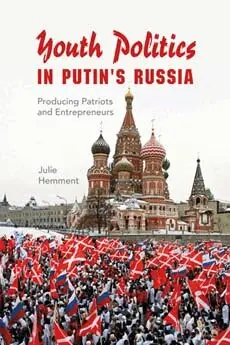
Youth Politics in Putin's Russia
Producing Patriots and Entrepreneurs
Inbunden, 2015
845 kr
Lägg i varukorg
Julie Hemment provides a fresh perspective on the controversial nationalist youth projects that have proliferated in Russia in the Putin era, examining them from the point of view of their participants and offering provocative insights into their origins and significance. The pro-Kremlin …
Youth Politics in Putin's Russia
Producing Patriots and Entrepreneurs
Häftad, 2015
258 kr
Lägg i varukorg
Julie Hemment provides a fresh perspective on the controversial nationalist youth projects that have proliferated in Russia in the Putin era, examining them from the point of view of their participants and offering provocative insights into their origins and significance. The pro-Kremlin …
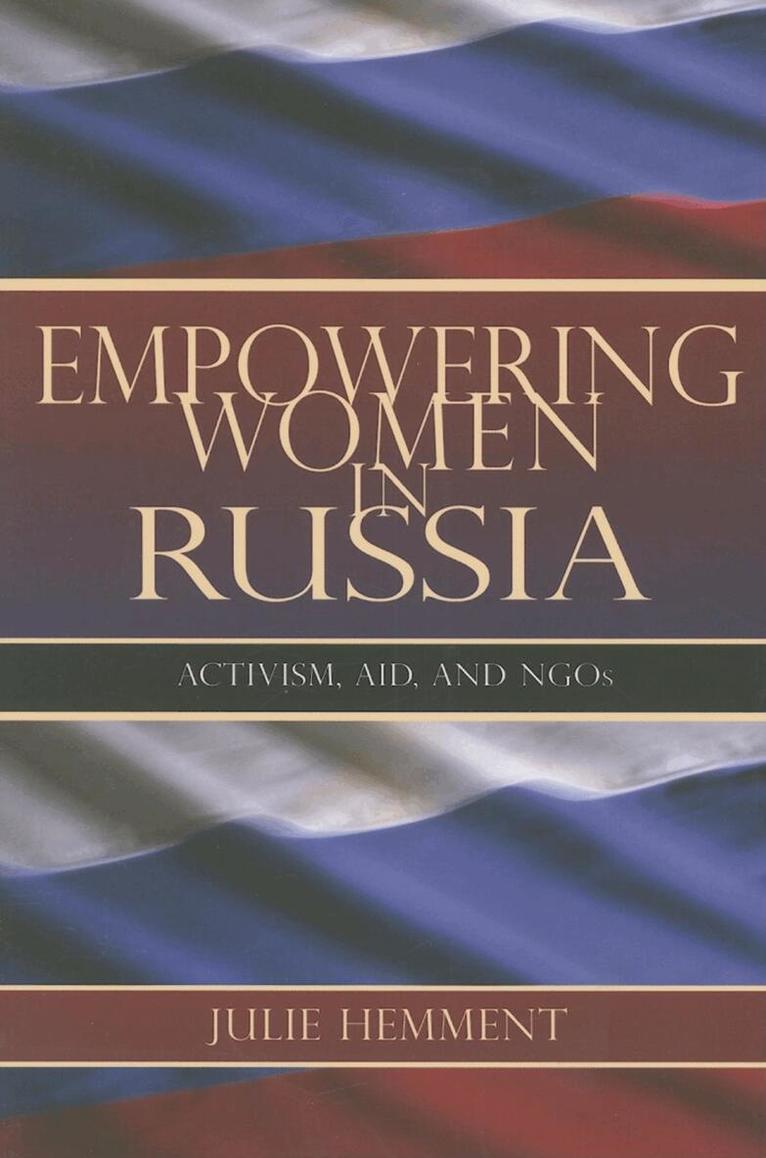
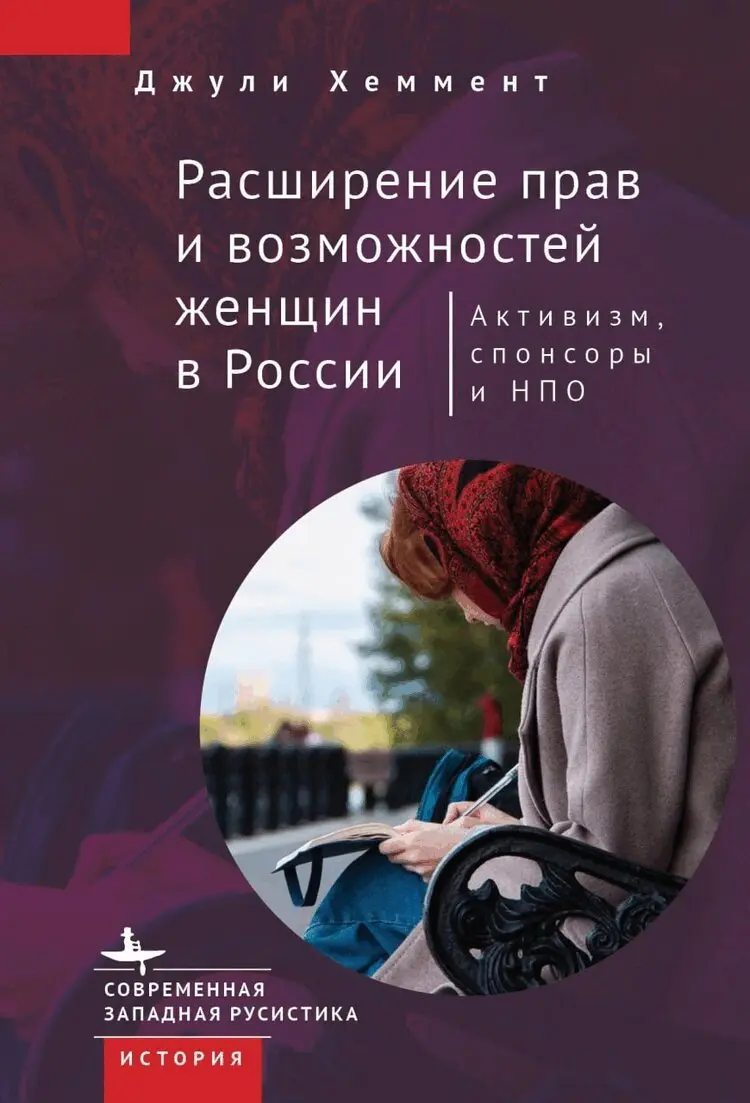
Empowering Women in Russia
Activism, Aid, and NGOs
Häftad, 2007
244 kr
Lägg i varukorg
Julie Hemment's engrossing study traces the development encounter through interactions between international foundations and Russian women's groups during a decade of national collapse. Prohibited from organizing independently under state socialism, women's groups became a focus of attention in the …
Empowering Women in Russia
Activism, Aid, and NGOs
Inbunden, 2023
487 kr
Lägg i varukorg
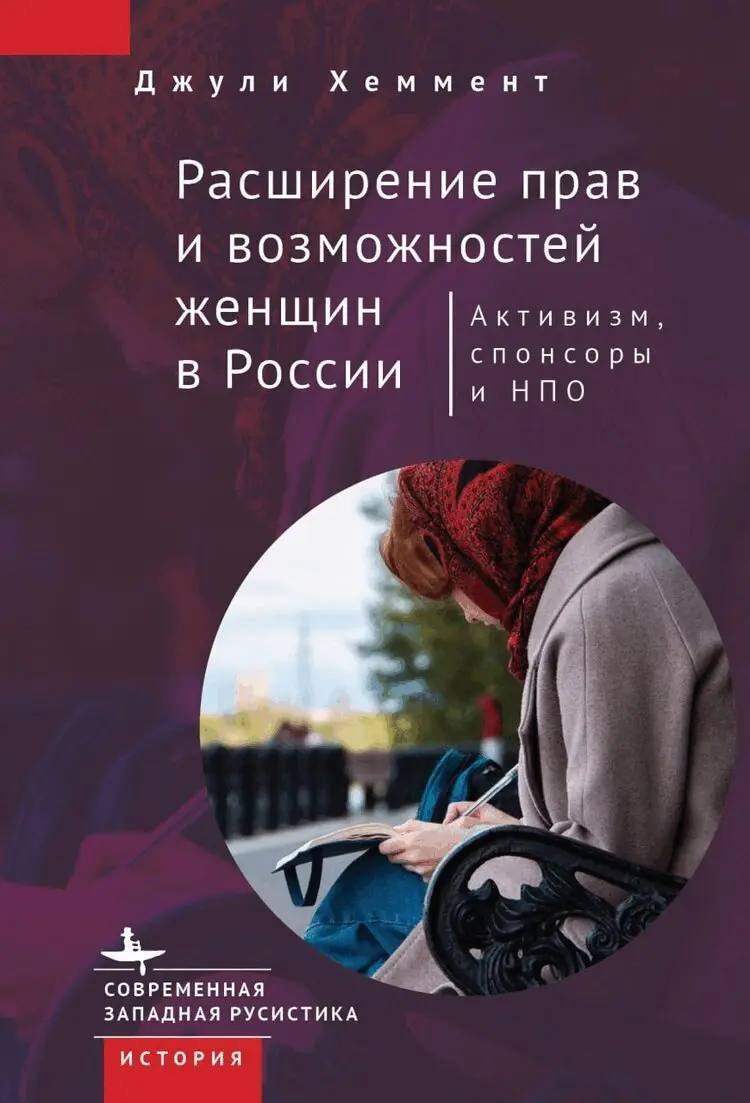
Originally published in 2007, based on research conducted during 1996-1998, Julie Hemment’s engrossing study traces the development encounter through interactions between international foundation and Russian women’s groups during a decade of transformation. Prohibited from organizing independently …
Empowering Women in Russia
Activism, Aid, and NGOs
E-bok, 2023
2597 kr
Lägg i varukorg
Originally published in 2007, based on research conducted during 1996-1998, Julie Hemment’s engrossing study traces the development encounter through interactions between international foundation and Russian women’s groups during a decade of transformation. Prohibited from organizing independently …
Empowering Women in Russia
Activism, Aid, and NGOs
Häftad, 2026
338 kr
Lägg i varukorg
Originally published in 2007, based on research conducted during 1996-1998, Julie Hemment’s engrossing study traces the development encounter through interactions between international foundation and Russian women’s groups during a decade of transformation. Prohibited from organizing independently …