Julie L. Reed - Böcker
Visar alla böcker från författaren Julie L. Reed. Handla med fri frakt och snabb leverans.
4 produkter
4 produkter
393 kr
Skickas inom 10-15 vardagar
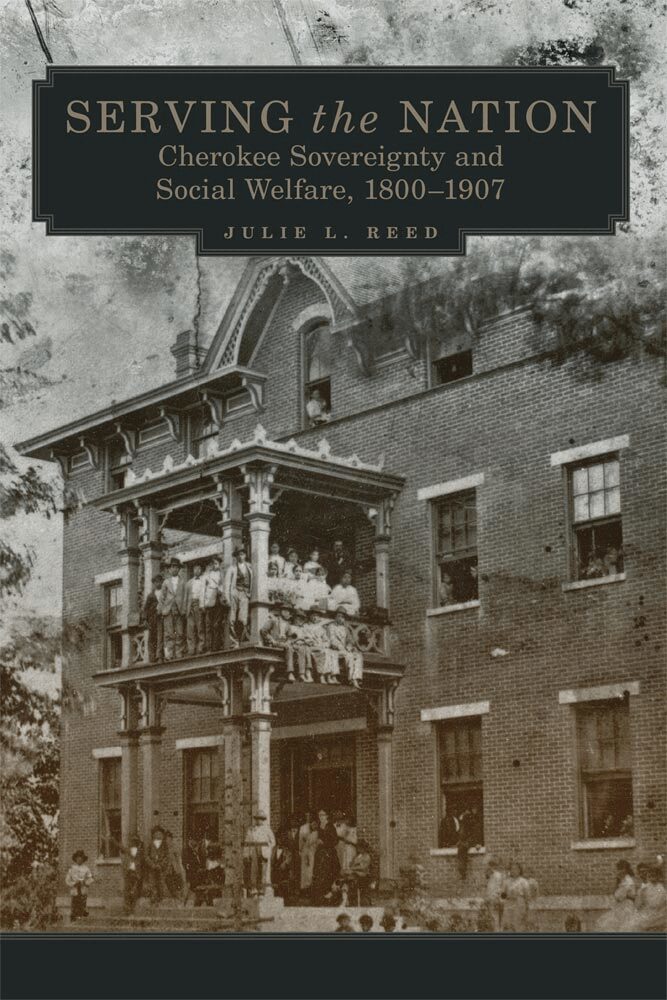
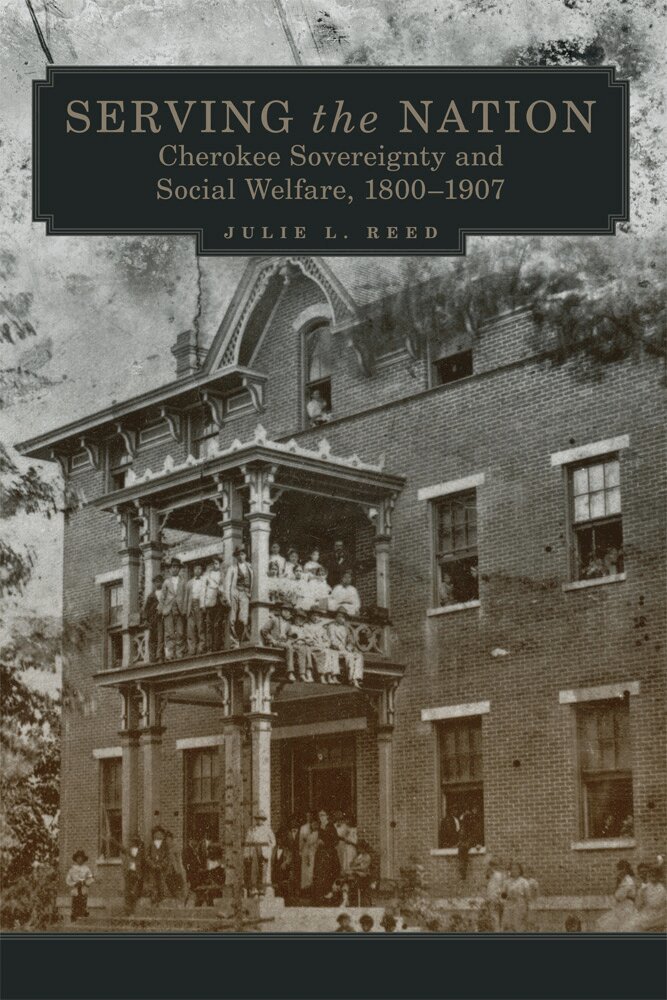
Well before the creation of the United States, the Cherokee people administered their own social policy - a form of what today might be called social welfare - based on matrilineal descent, egalitarian relations, kinship obligations, and communal landholding. The ethic of gadugi, or work coordinated for the social good, was at the heart of this system. Serving the Nation explores the role of such traditions in shaping the alternative social welfare system of the Cherokee Nation, as well as their influence on the U.S. government's social policies.Faced with removal and civil war in the early and mid-nineteenth century, the Cherokee Nation asserted its right to build institutions administered by Cherokee people, both as an affirmation of their national sovereignty and as a community imperative. The Cherokee Nation protected and defended key features of its traditional social service policy, extended social welfare protections to those deemed Cherokee according to citizenship laws, and modified its policies over time to continue fulfilling its people's expectations. Julie L. Reed examines these policies alongside public health concerns, medical practices, and legislation defining care and education for orphans, the mentally ill, the differently abled, the incarcerated, the sick, and the poor.Changing federal and state policies and practices exacerbated divisions based on class, language, and education, and challenged the ability of Cherokees individually and collectively to meet the social welfare needs of their kin and communities. The Cherokee response led to more centralized national government solutions for upholding social welfare and justice, as well as to the continuation of older cultural norms.Offering insights gleaned from reconsidered and overlooked historical sources, this book enhances our understanding of the history and workings of social welfare policy and services, not only in the Cherokee Nation but also in the United States.Serving the Nation is published in cooperation with the William P. Clements Center for Southwest Studies, Southern Methodist University.
283 kr
Skickas inom 10-15 vardagar
Well before the creation of the United States, the Cherokee people administered their own social policy-a form of what today might be called social welfare-based on matrilineal descent, egalitarian relations, kinship obligations, and communal landholding. The ethic of gadugi, or work coordinated for the social good, was at the heart of this system. Serving the Nation explores the role of such traditions in shaping the alternative social welfare system of the Cherokee Nation, as well as their influence on the U.S. government’s social policies.Faced with removal and civil war in the early and mid-nineteenth century, the Cherokee Nation asserted its right to build institutions administered by Cherokee people, both as an affirmation of their national sovereignty and as a community imperative. The Cherokee Nation protected and defended key features of its traditional social service policy, extended social welfare protections to those deemed Cherokee according to citizenship laws, and modified its policies over time to continue fulfilling its people's expectations. Julie L. Reed examines these policies alongside public health concerns, medical practices, and legislation defining care and education for orphans, the mentally ill, the differently abled, the incarcerated, the sick, and the poor.Changing federal and state policies and practices exacerbated divisions based on class, language, and education, and challenged the ability of Cherokees individually and collectively to meet the social welfare needs of their kin and communities. The Cherokee response led to more centralized national government solutions for upholding social welfare and justice, as well as to the continuation of older cultural norms.Offering insights gleaned from reconsidered and overlooked historical sources, this book enhances our understanding of the history and workings of social welfare policy and services, not only in the Cherokee Nation but also in the United States.Serving the Nation is published in cooperation with the William P. Clements Center for Southwest Studies, Southern Methodist University.
1 095 kr
Skickas inom 10-15 vardagar
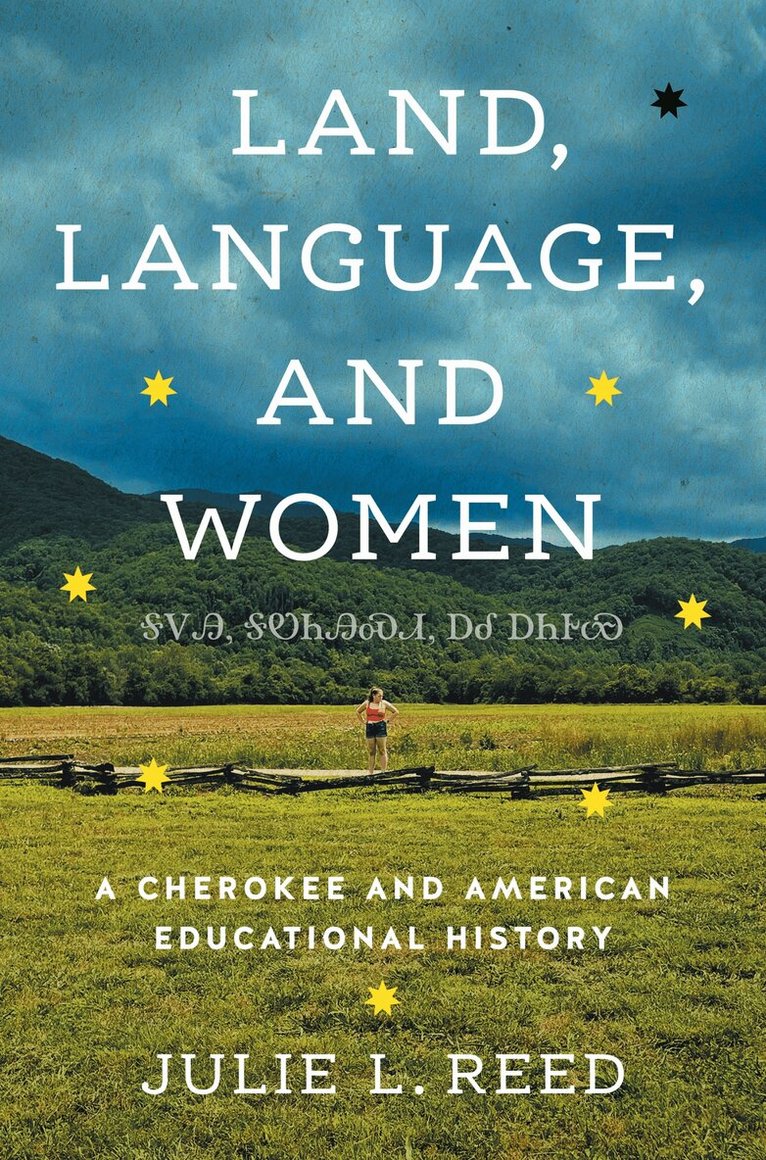
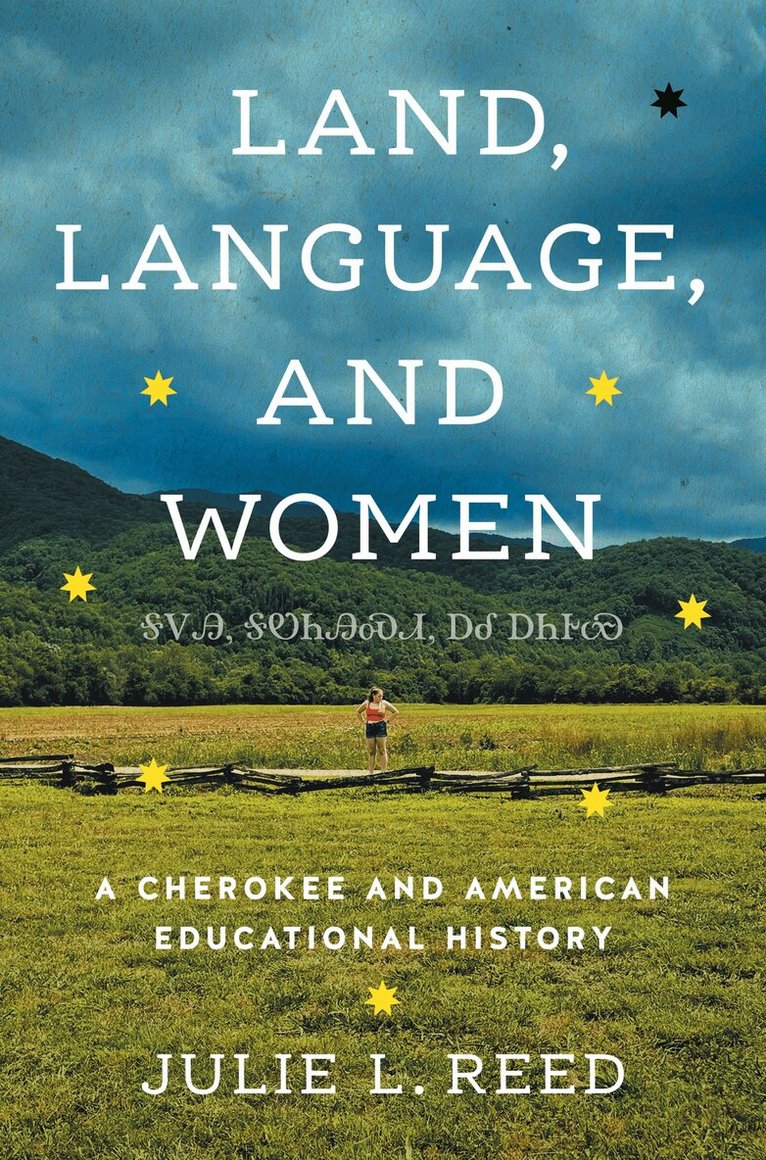
Historians largely understand Native American education through the Indian boarding schools and reservation schools established by the US government during the nineteenth and twentieth centuries. But Native Americans taught and learned from one another long before colonization, and while white settlers and institutions powerfully influenced Indigenous educational practices, they never stopped Native people from educating one another on their own terms.In this ambitious and imaginatively conceived book, Julie L. Reed uses Cherokee teaching and learning practices spanning more than four centuries to reframe the way we think about Native American educational history. Reed draws on archaeological evidence from Southeastern US caves, ethnohistorical narratives of Cherokee syllabary development, records from Christian mission schools, Cherokee Nation archives, and family and personal histories to reveal surprising continuity amid powerful change. Centering the role of women as educators across generations in Cherokee matrilineal society, the power of land to anchor learning, and the significance of language in expressing sovereignty, Reed fundamentally rethinks the nature of educational space, the roles played by teachers and learners, and the periodization imposed by US settler colonialism onto the Indigenous experience.
351 kr
Skickas inom 10-15 vardagar
Historians largely understand Native American education through the Indian boarding schools and reservation schools established by the US government during the nineteenth and twentieth centuries. But Native Americans taught and learned from one another long before colonization, and while white settlers and institutions powerfully influenced Indigenous educational practices, they never stopped Native people from educating one another on their own terms. In this ambitious and imaginatively conceived book, Julie L. Reed uses Cherokee teaching and learning practices spanning more than four centuries to reframe the way we think about Native American educational history. Reed draws on archaeological evidence from Southeastern US caves, ethnohistorical narratives of Cherokee syllabary development, records from Christian mission schools, Cherokee Nation archives, and family and personal histories to reveal surprising continuity amid powerful change. Centering the role of women as educators across generations in Cherokee matrilineal society, the power of land to anchor learning, and the significance of language in expressing sovereignty, Reed fundamentally rethinks the nature of educational space, the roles played by teachers and learners, and the periodization imposed by US settler colonialism onto the Indigenous experience.