Julie Olin-Ammentorp - Böcker
Visar alla böcker från författaren Julie Olin-Ammentorp. Handla med fri frakt och snabb leverans.
4 produkter
4 produkter
112 kr
Skickas inom 5-8 vardagar
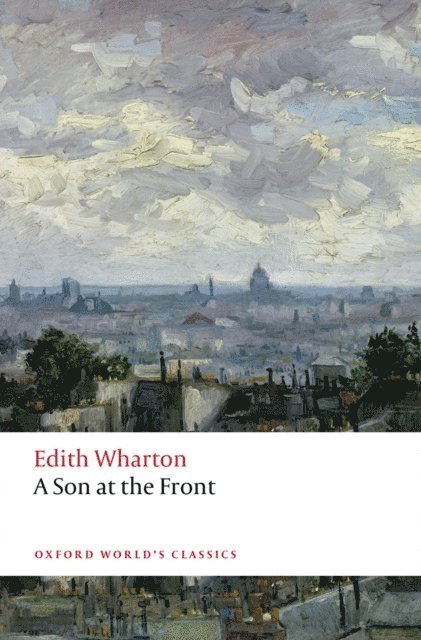
'The war went on; life went on; Paris went on.'In A Son at the Front, her only novel dealing with World War I, Edith Wharton offers a vivid portrait of American expatriate life in Paris, as well as a gripping portrayal of a complex modern family. The painter John Campton is divorced from the mother of his son, George, and although Julia's second husband, Anderson Brant, a wealthy banker, has been a devoted stepfather to George, Campton resents his presence in George's life. This family drama is ruptured by the outbreak of fighting, which requires George, born in France, to report for military service despite his parents' belief that he should be exempted.Reflecting Wharton's own experiences, A Son at the Front documents the shock of the outbreak of war, the early hope of a quick victory for the Allies, the terrible human cost of the war, and the relief when, belatedly, the United States enters the conflict. The novel's tone reflects the realities of life in Paris, and the profound disillusionment of the post-war period, standing as not only an important part of Wharton's oeuvre, but a landmark in the literature of the First World War.
359 kr
Kommande
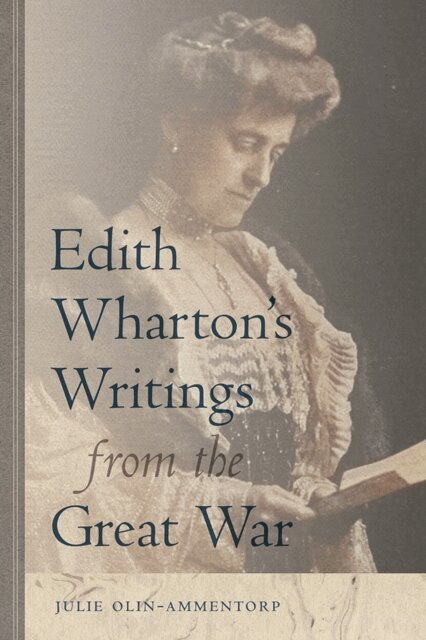
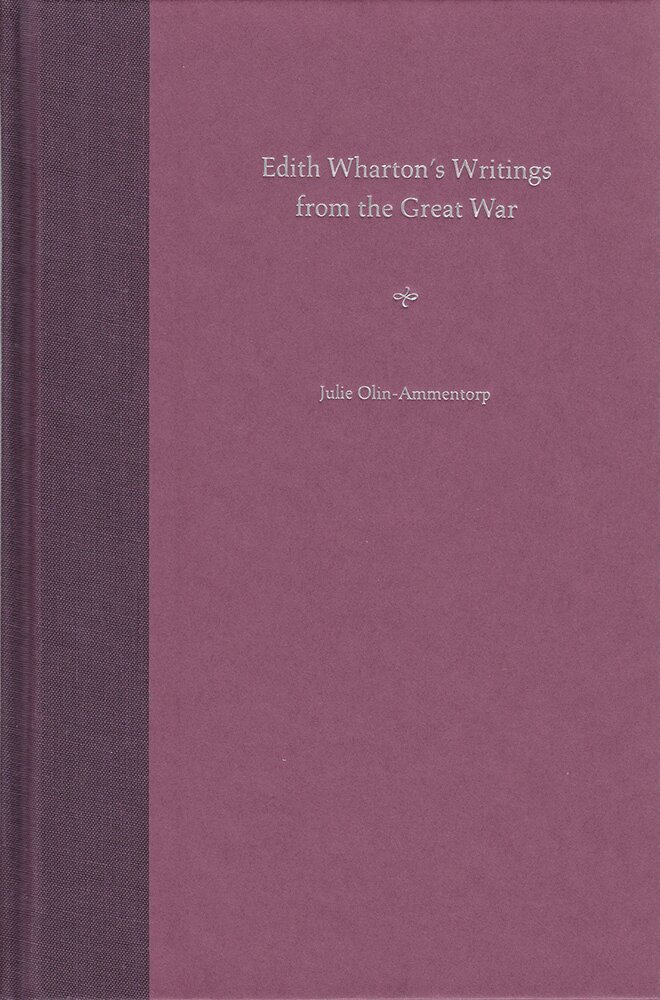
An examination of Edith Wharton's works from World War I, reclaiming Wharton as a "Great War" writer Edith Wharton resided in France during World War I, visiting combat zones and hospitals and working tirelessly with refugee and children’s relief organizations. In magazines and newspapers such as the New York Times, Saturday Evening Post, and Scribner’s, she wrote prodigiously about the war—dispatches, feature articles, and poems. During this time she also completed a number of short stories, two books (Summer and The Marne), and the essays that were collected in French Ways and Their Meaning. The war remained a topic for her after its conclusion, most notably in her 1923 novel, A Son at the Front. Yet none of this work has received the critical attention it deserves. Julie Olin-Ammentorp, through her detailed examination of a wide range of texts, including archival sources and materials long out of print, reclaims Wharton’s war writings and places her in the company of other "Great War" writers. Olin-Ammentorp integrates all of Wharton’s war-time literary genres, discusses common themes, and examines issues such as Wharton’s exclusion from the canon of Great War writers; the effect of the war on her choice of subject, style, and tone; her shifting perspective on the war itself, as it dragged on far longer than anyone anticipated; her sense of personal, social, and literary destabilization during the war; and her increased sense of the role of history during and after the war. Olin-Ammentorp quotes many evocative passages from Wharton’s wartime correspondence—most notably to Henry James, who avidly read Wharton’s letters as if they were dispatches from the front. Particularly new is the inclusion of Wharton’s poetry composed during the war years, most of which has remained unpublished until now. In addition, Olin-Ammentorp’s examination of A Son at the Front is more detailed, comprehensive, and complex than any study to date. She concludes with a reflection on Wharton’s last depiction of the war years in her memoir, A Backward Glance. In addition to providing a thorough analysis of Wharton’s war writings, the book includes two appendixes of her out-of-print and scattered writings, available for the first time in over 85 years. The first contains the war poetry; the second includes a sampling of Wharton’s war-related nonfiction prose, including newspaper reportage, magazine articles, an obituary for her young friend Ronald Simmons who died in the war, and a speech she gave to American servicemen.

748 kr
Skickas inom 10-15 vardagar
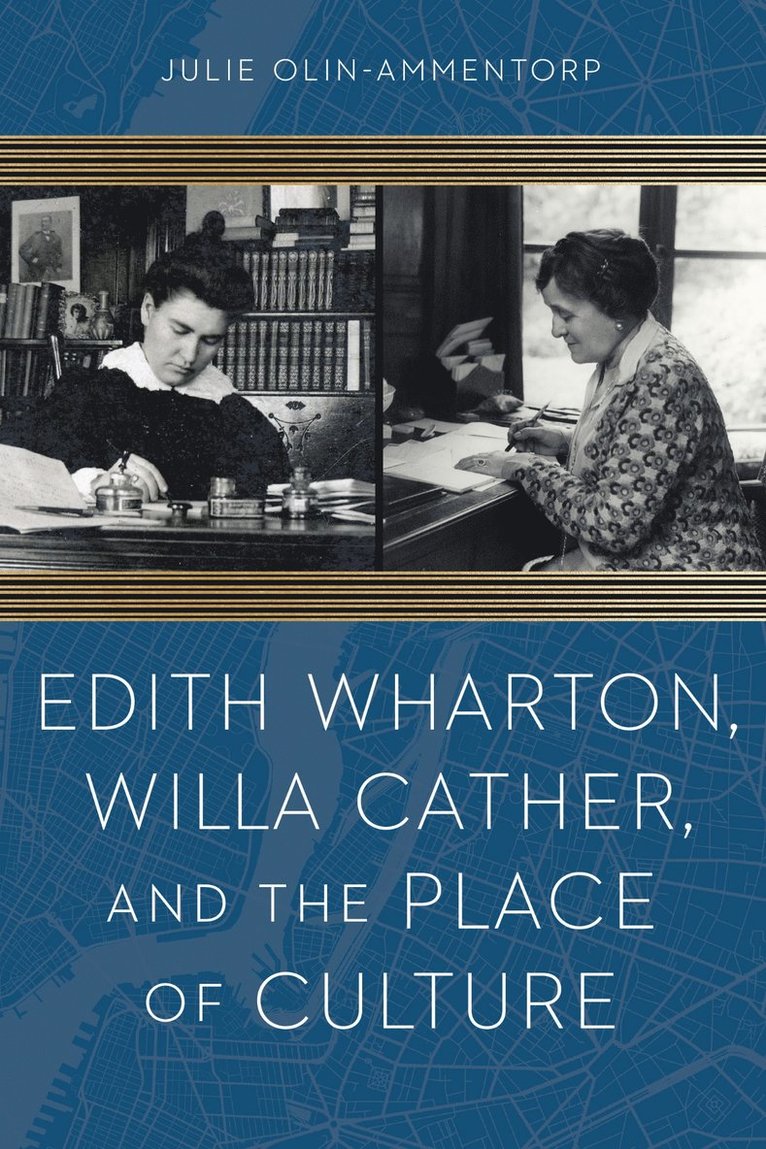
Edith Wharton and Willa Cather wrote many of the most enduring American novels from the first half of the twentieth century, including Wharton’s The House of Mirth, Ethan Frome, and The Age of Innocence, and Cather’s O Pioneers!, My Ántonia, and Death Comes for the Archbishop. Yet despite their perennial popularity and their status as major American novelists, Wharton (1862–1937) and Cather (1873–1947) have rarely been studied together. Indeed, Wharton is seen as “our literary aristocrat,” an author who chronicles the lives of the East Coast, Europe-bound elite, while Cather is considered a prairie populist who describes the lives of rugged Western pioneers. But these depictions neglect the striking and important ways the works of these two authors intersect.The first comparative study of Wharton and Cather in more than thirty years, this book reveals Wharton’s and Cather’s parallel experiences of dislocation, their relationship to each other as writers, and the profound similarities in their theories of fiction. Julie Olin-Ammentorp explores the importance of literary and geographic place in their lives and works, including the role of New York City, the American West, France, and travel. In doing so she reveals the two authors’ shared concern about the culture of place and the place of culture in the United States.
413 kr
Skickas
Edith Wharton and Willa Cather wrote many of the most enduring American novels from the first half of the twentieth century, including Wharton’s The House of Mirth, Ethan Frome, and The Age of Innocence, and Cather’s O Pioneers!, My Ántonia, and Death Comes for the Archbishop. Yet despite their perennial popularity and their status as major American novelists, Wharton (1862–1937) and Cather (1873–1947) have rarely been studied together. Indeed, Wharton is seen as “our literary aristocrat,” an author who chronicles the lives of the East Coast, Europe-bound elite, while Cather is considered a prairie populist who describes the lives of rugged Western pioneers. But these depictions neglect the striking and important ways the works of these two authors intersect.The first comparative study of Wharton and Cather in more than thirty years, this book reveals Wharton’s and Cather’s parallel experiences of dislocation, their relationship to each other as writers, and the profound similarities in their theories of fiction. Julie Olin-Ammentorp explores the importance of literary and geographic place in their lives and works, including the role of New York City, the American West, France, and travel. In doing so she reveals the two authors’ shared concern about the culture of place and the place of culture in the United States.