Julie Roy Jeffrey – författare
Visar alla böcker från författaren Julie Roy Jeffrey. Handla med fri frakt och snabb leverans.
11 produkter
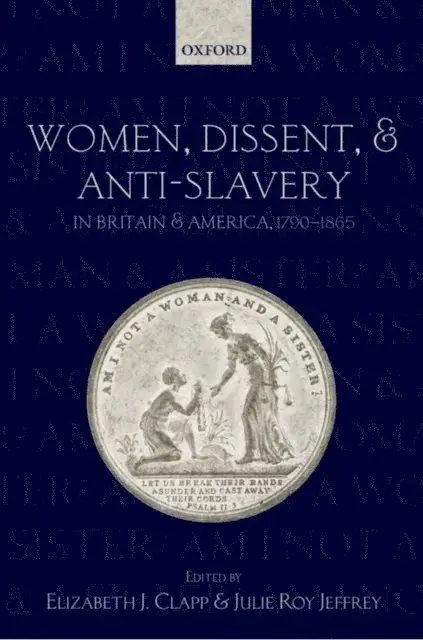
Women, Dissent, and Anti-Slavery in Britain and America, 1790-1865
Av Julie Roy Jeffrey, Elizabeth J. Clapp
E-bok, 2011
569 kr
Lägg i varukorg
As historians have gradually come to recognize, the involvement of women was central to the anti-slavery cause in both Britain and the United States. Like their male counterparts, women abolitionists did not all speak with one voice. Among the major differences between women were their religious …
Women, Dissent, and Anti-Slavery in Britain and America, 1790-1865
Av Elizabeth J. Clapp, Julie Roy Jeffrey
Häftad, 2014
634 kr
Lägg i varukorg
As historians have gradually come to recognize, the involvement of women was central to the anti-slavery cause in both Britain and the United States. Like their male counterparts, women abolitionists did not all speak with one voice. Among the major differences between women were their religious …
Women, Dissent, and Anti-Slavery in Britain and America, 1790-1865
Av Elizabeth J. Clapp, Julie Roy Jeffrey
Inbunden, 2011
1469 kr
Lägg i varukorg
As historians have gradually come to recognize, the involvement of women was central to the anti-slavery cause in both Britain and the United States. Like their male counterparts, women abolitionists did not all speak with one voice. Among the major differences between women were their religious …
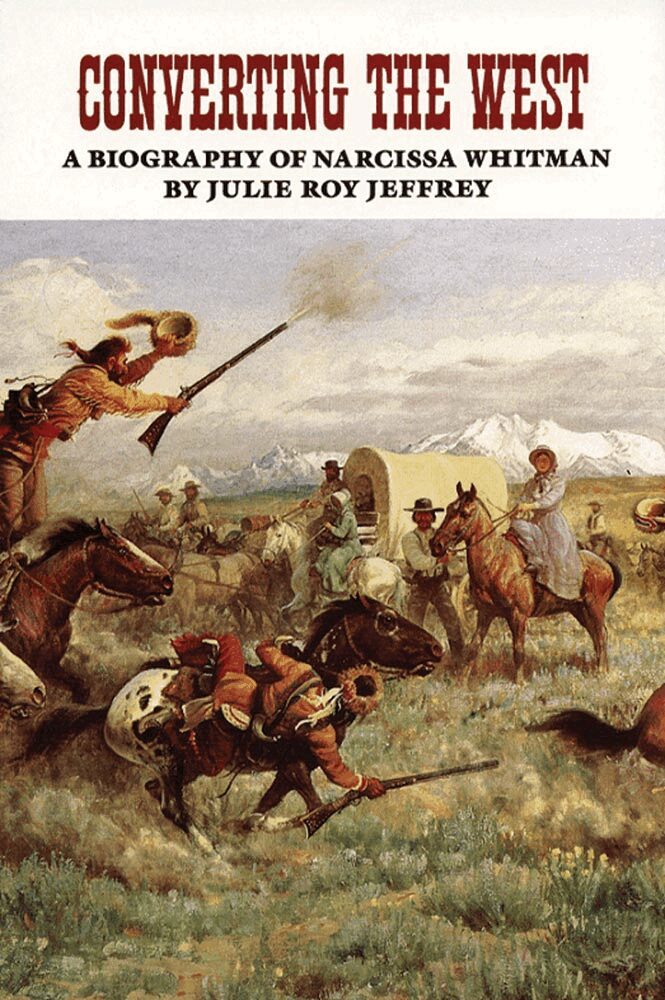
Converting the West
A Biography of Narcissa Whitman
Häftad, 1994
225 kr
Lägg i varukorg
Narcissa Whitman and her husband, Marcus, were pioneer missionaries to the Cayuse Indians in Oregon Territory. Narcissa grew up in western New York State, her values and attitudes carefully shaped by her mother. Very much a child of the Second Great Awakening, she eagerly embraced the burgeoning …
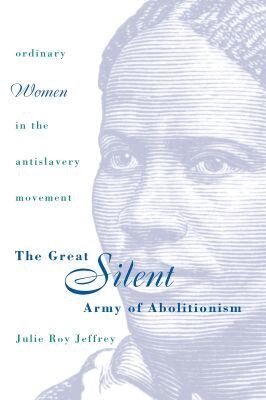
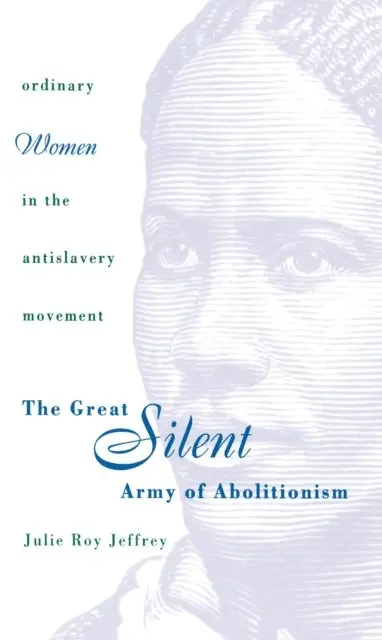
Great Silent Army of Abolitionism
Ordinary Women in the Antislavery Movement
Häftad, 1998
487 kr
Lägg i varukorg
By focusing on male leaders of the abolitionist movement, historians have often overlooked the great grassroots army of women who also fought to eliminate slavery. Here, Julie Roy Jeffrey explores the involvement of ordinary women--black and white--in the most significant reform movement prior to …
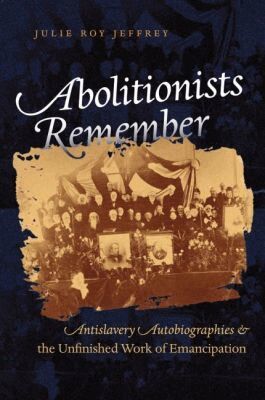
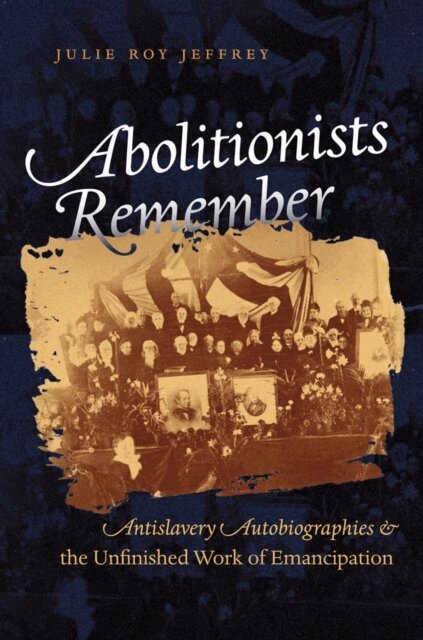
Abolitionists Remember
Antislavery Autobiographies and the Unfinished Work of Emancipation
Häftad, 2008
487 kr
Lägg i varukorg
This is the first book to explore abolitionist autobiographies in the post - Civil War era.In ""Abolitionists Remember"", Julie Roy Jeffrey illuminates a second, little-noted antislavery struggle as abolitionists in the postwar period attempted to counter the nation's growing inclination to forget …
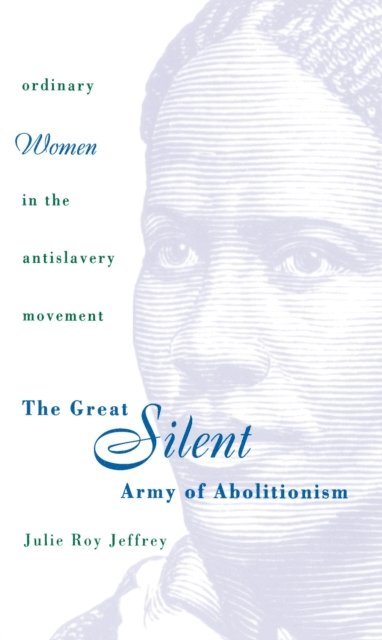
Great Silent Army of Abolitionism
Ordinary Women in the Antislavery Movement
E-bok, 2000
535 kr
Lägg i varukorg
By focusing on male leaders of the abolitionist movement, historians have often overlooked the great grassroots army of women who also fought to eliminate slavery. Here, Julie Roy Jeffrey explores the involvement of ordinary women--black and white--in the most significant reform movement prior to …
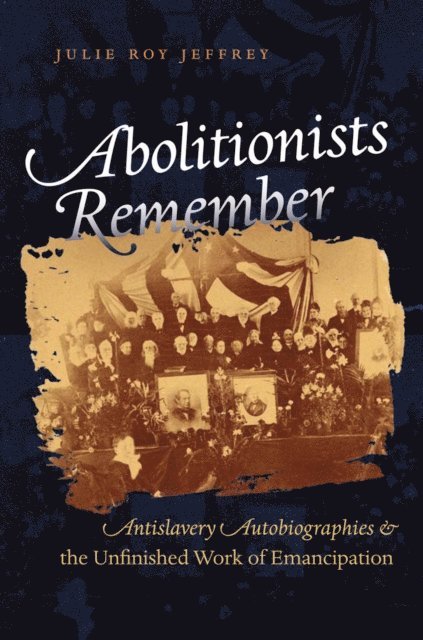
Abolitionists Remember
Antislavery Autobiographies and the Unfinished Work of Emancipation
E-bok, 2012
1873 kr
Lägg i varukorg
In Abolitionists Remember , Julie Roy Jeffrey illuminates a second, little-noted antislavery struggle as abolitionists in the postwar period attempted to counter the nation''s growing inclination to forget why the war was fought, what slavery was really like, and why the abolitionist cause was so …
Great Silent Army of Abolitionism
Ordinary Women in the Antislavery Movement
E-bok, 2000
535 kr
Lägg i varukorg
By focusing on male leaders of the abolitionist movement, historians have often overlooked the great grassroots army of women who also fought to eliminate slavery. Here, Julie Roy Jeffrey explores the involvement of ordinary women--black and white--in the most significant reform movement prior to …
Abolitionists Remember
Antislavery Autobiographies and the Unfinished Work of Emancipation
E-bok, 2012
535 kr
Lägg i varukorg
In Abolitionists Remember , Julie Roy Jeffrey illuminates a second, little-noted antislavery struggle as abolitionists in the postwar period attempted to counter the nation''s growing inclination to forget why the war was fought, what slavery was really like, and why the abolitionist cause was so …
Abolitionists Remember
Antislavery Autobiographies and the Unfinished Work of Emancipation
E-bok, 2012
2124 kr
Lägg i varukorg
In Abolitionists Remember, Julie Roy Jeffrey illuminates a second, little-noted antislavery struggle as abolitionists in the postwar period attempted to counter the nations growing inclination to forget why the war was fought, what slavery was really like, and why the abolitionist cause was so …