Juliet Flower MacCannell – författare
Visar alla böcker från författaren Juliet Flower MacCannell. Handla med fri frakt och snabb leverans.
12 produkter
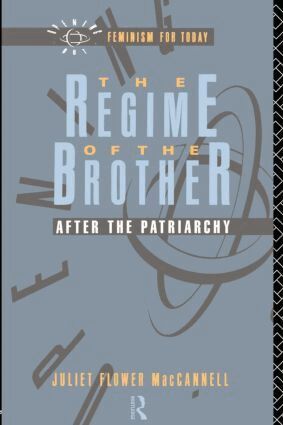
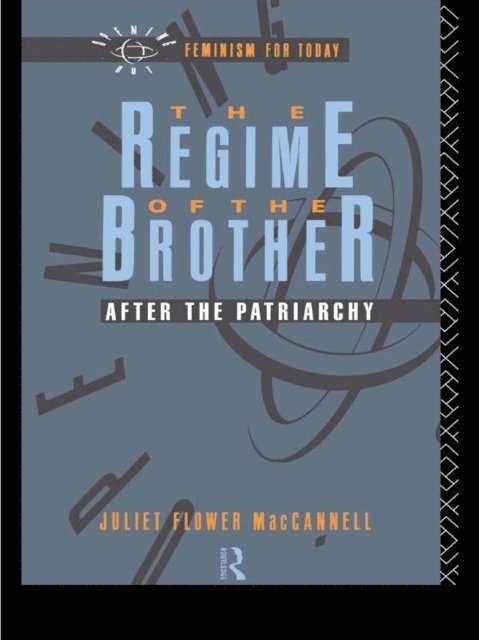
Regime of the Brother
After the Patriarchy
Häftad, 1991
744 kr
Lägg i varukorg
The Regime of the Brother is one of the first attempts to challenge modernity on its own terms. Using the work of Lacan, Kristeva and Freud, Juliet MacCannell confronts the failure of modernity to bring about the social equality promised by the Enlightenment. On the verge of its destruction, the …
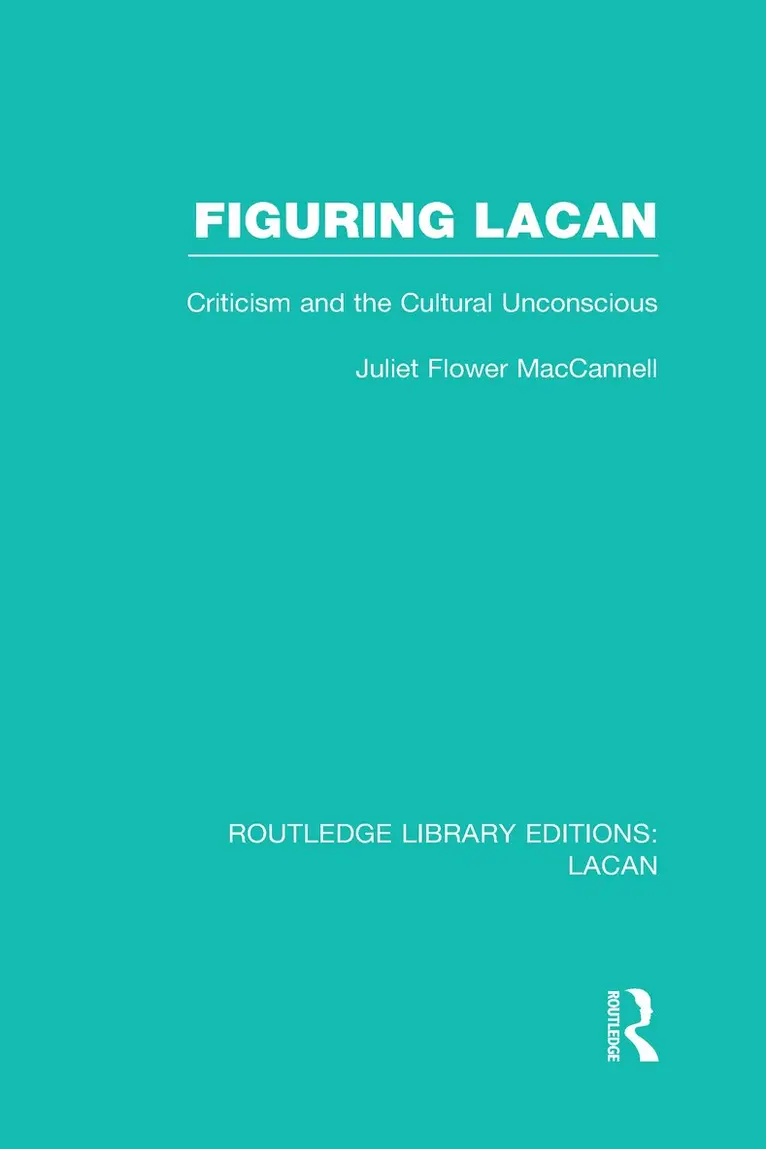
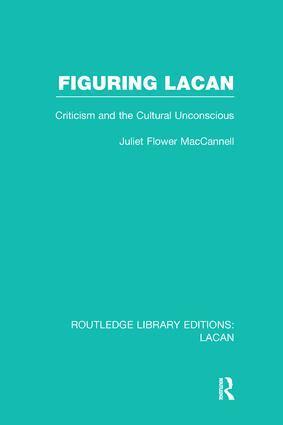
Figuring Lacan (RLE: Lacan)
Criticism and the Unconscious
Inbunden, 2013
2886 kr
Lägg i varukorg
It could be argued that the influence of Lacan on modern literary studies has been greater than anyone’s. Lacan has historicised the universal or mythic perceptions of Freud, and thus lent a new status to literature as a cultural artefact. This book, originally published in 1986, aims to delineate …
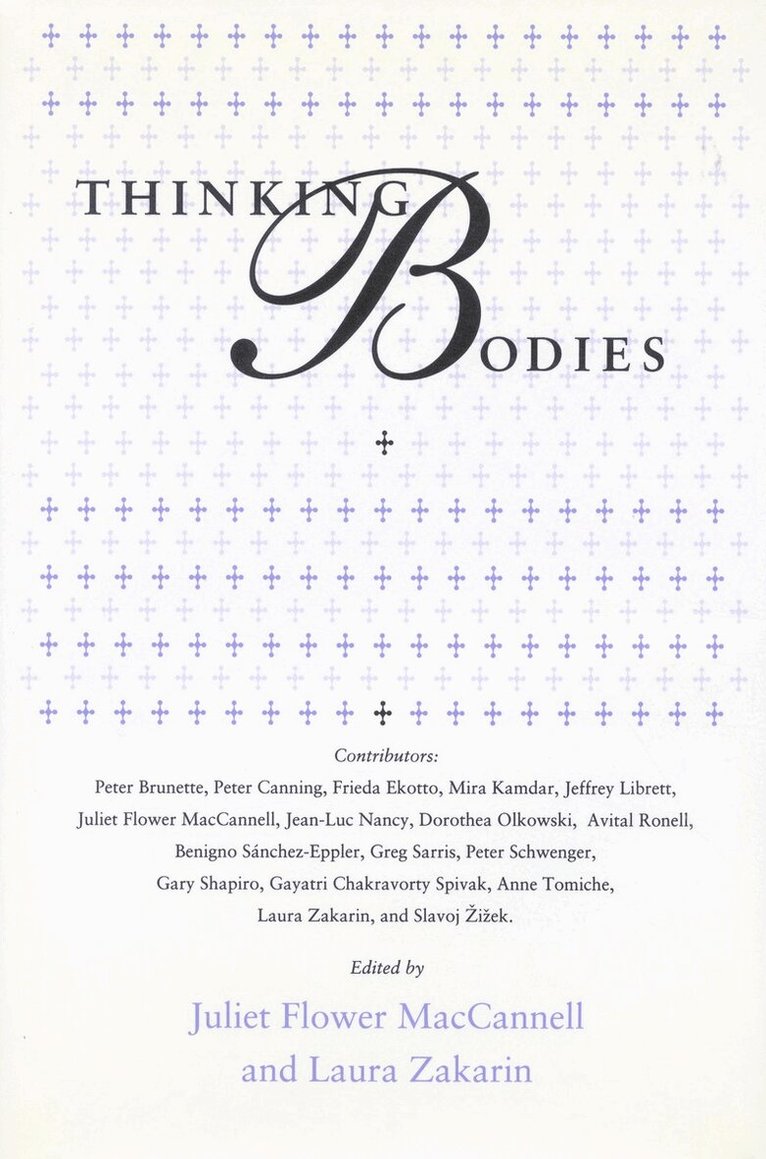
Thinking Bodies
Av Juliet Flower MacCannell, Laura Zakarin
Häftad, 1994
442 kr
Lägg i varukorg
A Stanford University Press classic.
Thinking Bodies
Av Juliet Flower MacCannell, Laura Zakarin
Inbunden, 1994
1826 kr
Lägg i varukorg
A Stanford University Press classic.
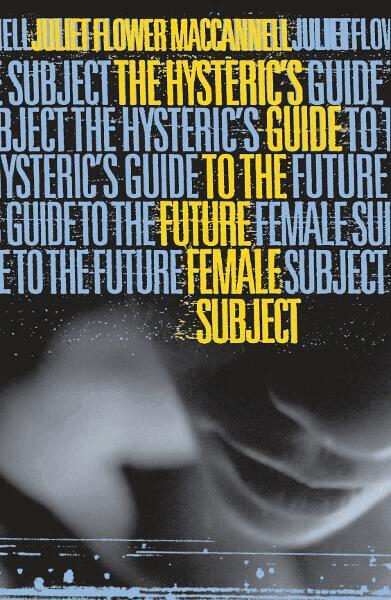
Hysteric's Guide to the Future Female Subject
Häftad, 1999
289 kr
Lägg i varukorg
Proposes an ethics of the feminine through an examination of women’s writing.The Hysteric’s Guide to the Future Female Subject was first published in 1999. Minnesota Archive Editions uses digital technology to make long-unavailable books once again accessible, and are published unaltered from the …
Regime of the Brother
After the Patriarchy
E-bok, 2002
746 kr
Lägg i varukorg
The Regime of the Brother is one of the first attempts to challenge modernity on its own terms. Using the work of Lacan, Kristeva and Freud, Juliet MacCannell confronts the failure of modernity to bring about the social equality promised by the Enlightenment. On the verge of its destruction, the …
Regime of the Brother
After the Patriarchy
E-bok, 2002
746 kr
Lägg i varukorg
The Regime of the Brother is one of the first attempts to challenge modernity on its own terms. Using the work of Lacan, Kristeva and Freud, Juliet MacCannell confronts the failure of modernity to bring about the social equality promised by the Enlightenment. On the verge of its destruction, the …
Regime of the Brother
After the Patriarchy
Inbunden, 2017
3522 kr
Lägg i varukorg
This collection of original essays looks at a topic of growing interest and debate in feminist and historical circles: the social regulation of women through law during the 19th and 20th centuries, and the resistance which emerged in response. The collection refutes the notion of women oppressed …
Figuring Lacan (RLE: Lacan)
Criticism and the Unconscious
Häftad, 2016
845 kr
Lägg i varukorg
It could be argued that the influence of Lacan on modern literary studies has been greater than anyone’s. Lacan has historicised the universal or mythic perceptions of Freud, and thus lent a new status to literature as a cultural artefact. This book, originally published in 1986, aims to delineate …
Figuring Lacan (RLE: Lacan)
Criticism and the Unconscious
E-bok, 2014
974 kr
Lägg i varukorg
It could be argued that the influence of Lacan on modern literary studies has been greater than anyone’s. Lacan has historicised the universal or mythic perceptions of Freud, and thus lent a new status to literature as a cultural artefact. This book, originally published in 1986, aims to …
Figuring Lacan (RLE: Lacan)
Criticism and the Unconscious
E-bok, 2014
996 kr
Lägg i varukorg
It could be argued that the influence of Lacan on modern literary studies has been greater than anyone’s. Lacan has historicised the universal or mythic perceptions of Freud, and thus lent a new status to literature as a cultural artefact. This book, originally published in 1986, aims to …