Juliette Leeb-du Toit – författare
Visar alla böcker från författaren Juliette Leeb-du Toit. Handla med fri frakt och snabb leverans.
5 produkter
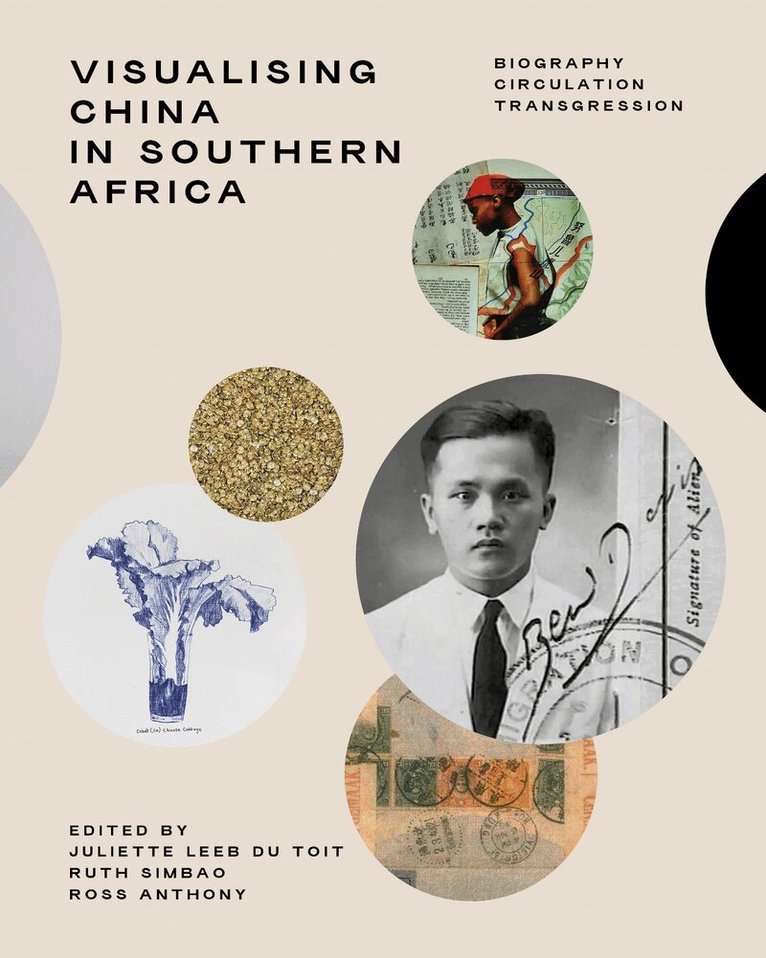
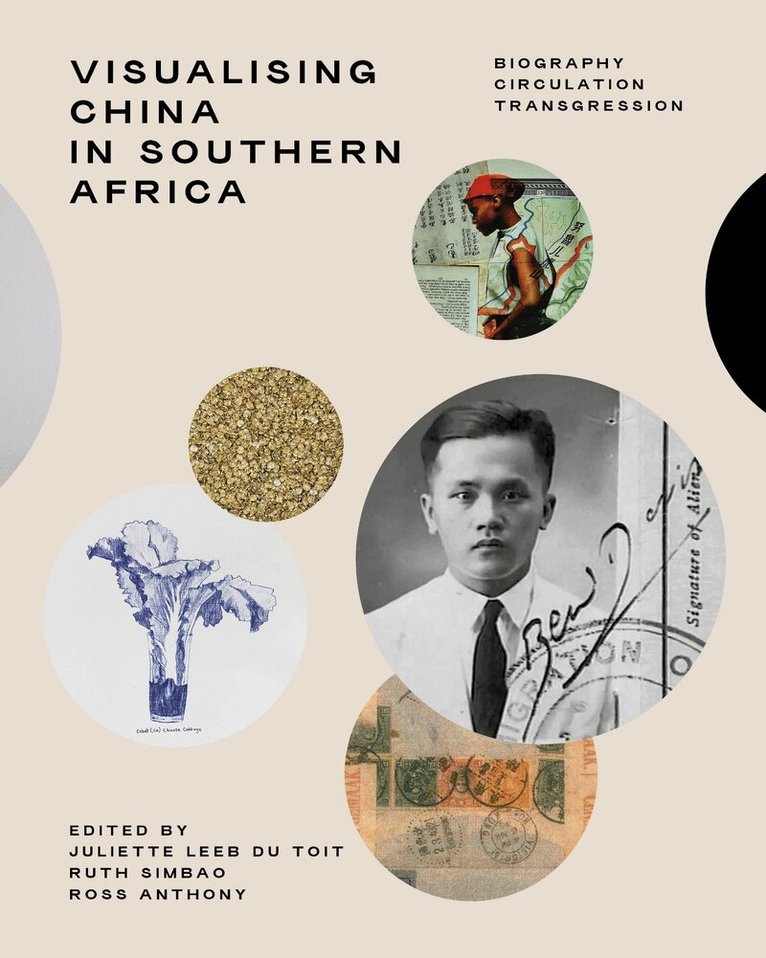
Visualising China in Southern Africa
Biography, Circulation, Transgression
Av Juliette Leeb-du Toit, Ruth Simbao m. fl.
Häftad, 2023
555 kr
Lägg i varukorg
China and Africa have long shared a history of allegiance and contact points through global political forces from the time of colonialism and the Cold War. With China's rise as the new superpower, its presence in Africa has expanded, leading to significant economic, geopolitical and cultural …
Visualising China in Southern Africa
Biography, Circulation, Transgression
Av Lifang Zhang, Yan Yang m. fl.
E-bok, 2023
551 kr
Lägg i varukorg
China and Africa have long shared a history of allegiance and contact points through global political forces from the time of colonialism and the Cold War. With China’s rise as the new superpower, its presence in Africa has expanded, leading to significant economic, geopolitical and cultural …
Visualising China in Southern Africa
Biography, Circulation, Transgression
Av Lifang Zhang, Yan Yang m. fl.
E-bok, 2023
551 kr
Lägg i varukorg
China and Africa have long shared a history of allegiance and contact points through global political forces from the time of colonialism and the Cold War. With China’s rise as the new superpower, its presence in Africa has expanded, leading to significant economic, geopolitical and cultural …
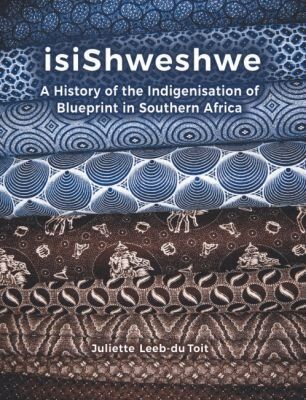
IsiShweshwe
A History of the Indigenisation of Blueprint in South Africa
Häftad, 2017
727 kr
Lägg i varukorg
The cross-cultural usage of a particular cloth type – blueprint – is central to South African cultural history. Known locally as seshoeshoe or isishweshwe, among many other localised names, South African blueprint originated in the Far East and East Asia. Adapted and absorbed by the West, blueprint …
Visualising China in Southern Africa
Biography, Circulation, Transgression
Av Juliette Leeb-du Toit, Ruth Simbao m. fl.
Inbunden, 2023
1145 kr
Tillfälligt slut
China and Africa have long shared a history of allegiance and contact points through global political forces from the time of colonialism and the Cold War. With China's rise as the new superpower, its presence in Africa has expanded, leading to significant economic, geopolitical and cultural …