Julija Sukys - Böcker
Visar alla böcker från författaren Julija Sukys. Handla med fri frakt och snabb leverans.
5 produkter
5 produkter
348 kr
Skickas inom 10-15 vardagar
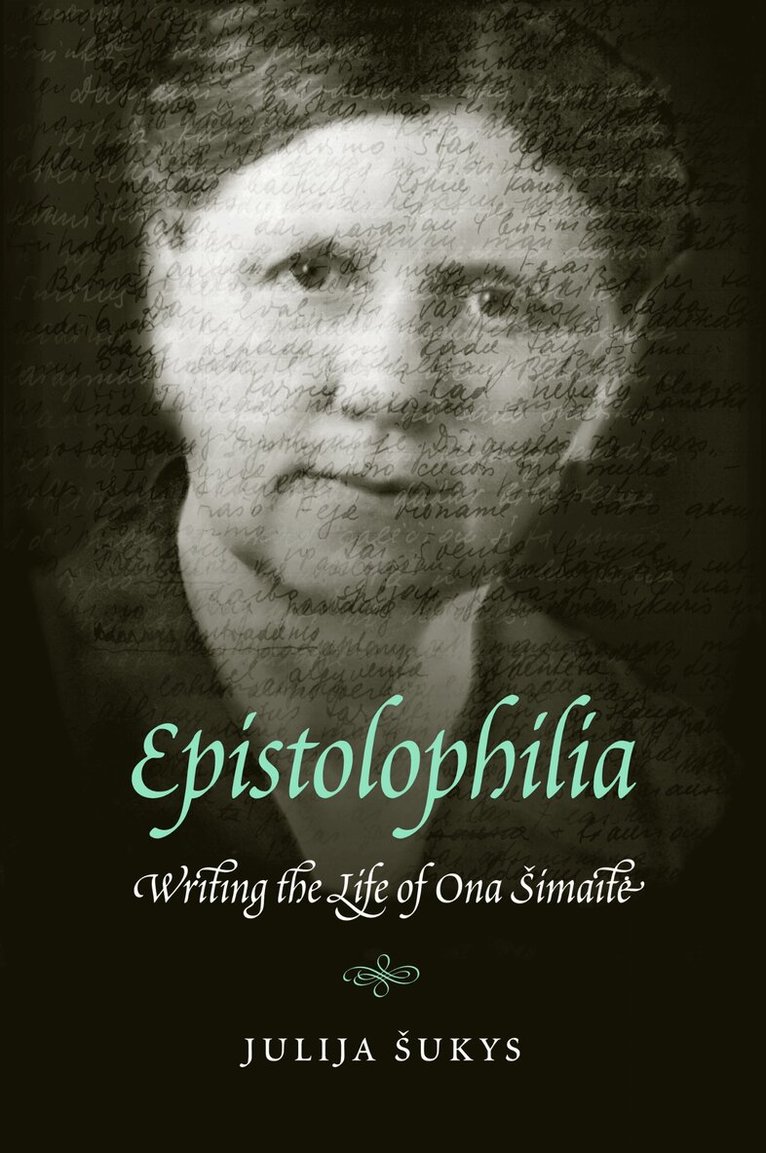
The librarian walks the streets of her beloved Paris. An old lady with a limp and an accent, she is invisible to most. Certainly no one recognizes her as the warrior and revolutionary she was, when again and again she slipped into the Jewish ghetto of German-occupied Vilnius to carry food, clothes, medicine, money, and counterfeit documents to its prisoners. Often she left with letters to deliver, manuscripts to hide, and even sedated children swathed in sacks. In 1944 she was captured by the Gestapo, tortured for twelve days, and deported to Dachau.Through Epistolophilia, Julija Šukys follows the letters and journals—the "life-writing"—of this woman, Ona Šimaitė (1894–1970). A treasurer of words, Šimaitė carefully collected, preserved, and archived the written record of her life, including thousands of letters, scores of diaries, articles, and press clippings. Journeying through these words, Šukys negotiates with the ghost of Šimaitė, beckoning back to life this quiet and worldly heroine—a giant of Holocaust history (one of Yad Vashem's honored "Righteous Among the Nations") and yet so little known. The result is at once a mediated self-portrait and a measured perspective on a remarkable life. It reveals the meaning of life-writing, how women write their lives publicly and privately, and how their words attach them—and us—to life.
348 kr
Skickas inom 10-15 vardagar
On May 26, 1993, the Algerian novelist and poet Tahar Djaout was gunned down in an attack attributed to Islamist extremists. An outspoken critic of the extremism roiling his nation, Djaout, in his death, became a powerful symbol for the "murder of Algerian culture," as scores of journalists, writers, and scholars were targeted in a swelling wave of violence. The author of twelve books of fiction and poetry, Djaout was murdered at a critical point in his career, just as his literary voice was maturing. His death was a great loss not only for Algeria and for Francophone literature but also for world literature. Rage at the news of his slaying was explosive but did nothing to quell the increasing bloodshed. Silence Is Death considers the life and work of Djaout in light of his murder and his role in the conflict that raged between Islamist terrorist cells and Algeria's military regime in the 1990s. The result is an innovative meditation on death, authorship, and the political role of intellectuals. By collapsing the genres of history, biography, personal memoir, fiction, and cultural analysis, Julija Šukys investigates notions of authorial neutrality as well as the relationship between reader and writer in life and in death. Her work offers a view of reading as an encounter across time and place and opens the possibility of a relationship between different cultures under peaceful terms.
287 kr
Skickas inom 7-10 vardagar
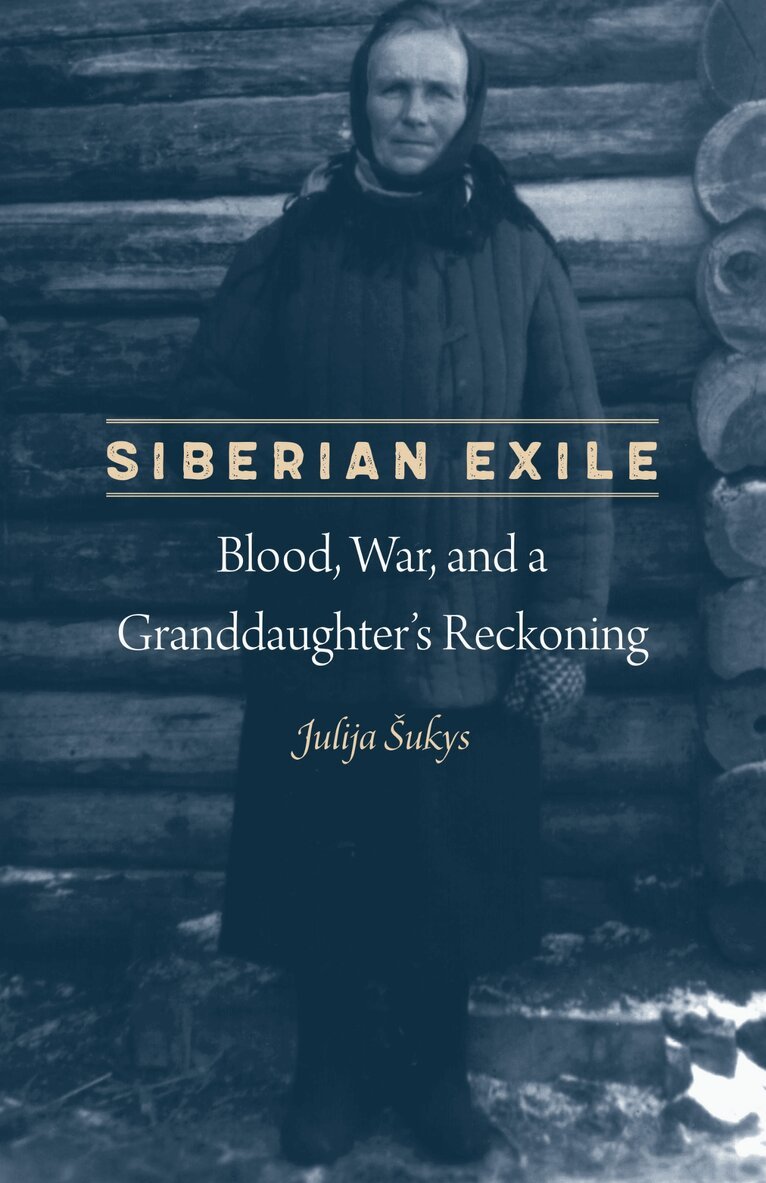
2018 AABS Book Prize Winner2018 Vine Award for Canadian Jewish Literature in NonfictionWhen Julija Šukys was a child, her paternal grandfather, Anthony, rarely smiled, and her grandmother, Ona, spoke only in her native Lithuanian. But they still taught Šukys her family’s story: that of a proud people forced from their homeland when the soldiers came. In mid-June 1941, three Red Army soldiers arrested Ona, forced her onto a cattle car, and sent her east to Siberia, where she spent seventeen years separated from her children and husband, working on a collective farm. The family story maintained that it was all a mistake. Anthony, whose name was on Stalin’s list of enemies of the people, was accused of being a known and decorated anti-Bolshevik and Lithuanian nationalist.Some seventy years after these events, Šukys sat down to write about her grandparents and their survival of a twenty-five-year forced separation and subsequent reunion. Piecing the story together from letters, oral histories, audio recordings, and KGB documents, her research soon revealed a Holocaust-era secret-a family connection to the killing of seven hundred Jews in a small Lithuanian border town. According to KGB documents, the man in charge when those massacres took place was Anthony, Ona’s husband.In Siberian Exile Šukys weaves together the two narratives: the story of Ona, noble exile and innocent victim, and that of Anthony, accused war criminal. She examines the stories that communities tell themselves and considers what happens when the stories we’ve been told all our lives suddenly and irrevocably change, and how forgiveness or grace operate across generations and across the barriers of life and death.
220 kr
Skickas inom 10-15 vardagar
2018 AABS Book Prize Winner2018 Vine Award for Canadian Jewish Literature in NonfictionWhen Julija Šukys was a child, her paternal grandfather, Anthony, rarely smiled, and her grandmother, Ona, spoke only in her native Lithuanian. But they still taught Šukys her family’s story: that of a proud people forced from their homeland when the soldiers came. In mid-June 1941, three Red Army soldiers arrested Ona, forced her onto a cattle car, and sent her east to Siberia, where she spent seventeen years separated from her children and husband, working on a collective farm. The family story maintained that it was all a mistake. Anthony, whose name was on Stalin’s list of enemies of the people, was accused of being a known and decorated anti-Bolshevik and Lithuanian nationalist.Some seventy years after these events, Šukys sat down to write about her grandparents and their survival of a twenty-five-year forced separation and subsequent reunion. Piecing the story together from letters, oral histories, audio recordings, and KGB documents, her research soon revealed a Holocaust-era secret-a family connection to the killing of seven hundred Jews in a small Lithuanian border town. According to KGB documents, the man in charge when those massacres took place was Anthony, Ona’s husband.In Siberian Exile Šukys weaves together the two narratives: the story of Ona, noble exile and innocent victim, and that of Anthony, accused war criminal. She examines the stories that communities tell themselves and considers what happens when the stories we’ve been told all our lives suddenly and irrevocably change, and how forgiveness or grace operate across generations and across the barriers of life and death.
189 kr
Skickas inom 10-15 vardagar
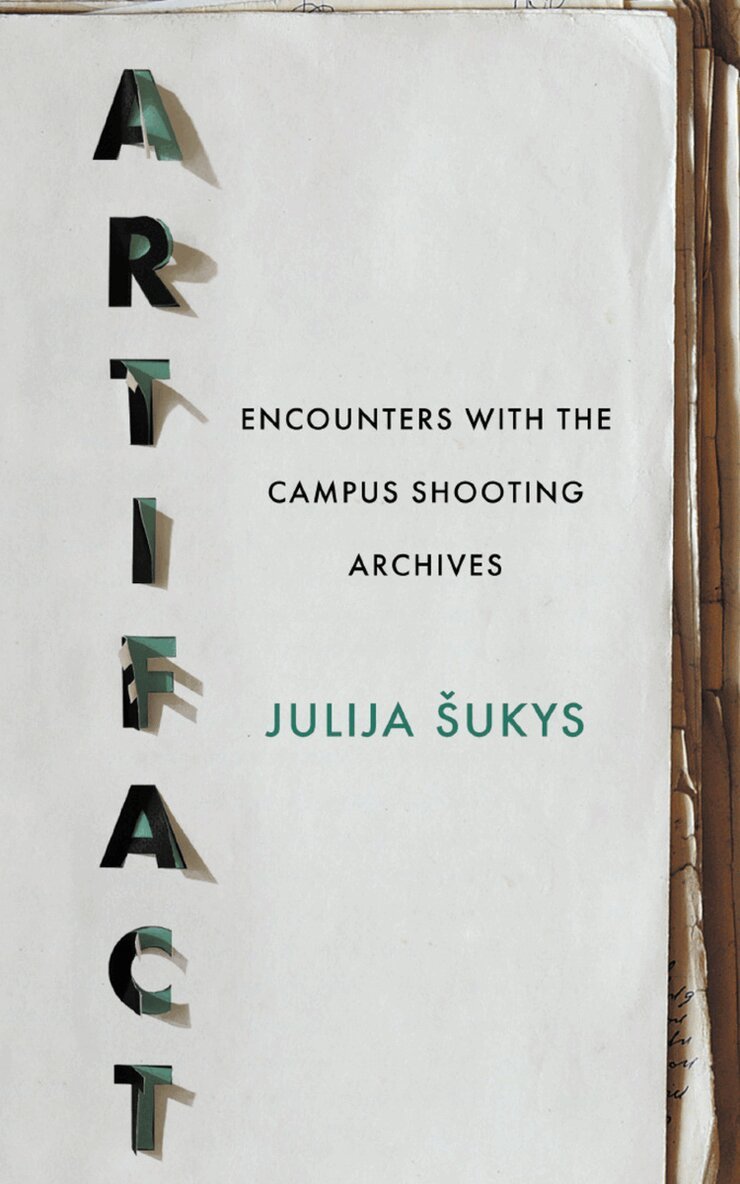
Artifact is about the stories we tell ourselves after mass shootings. Each college campus shooting leaves a record: archival collections, monuments to the dead, government-led inquiries, internal university investigations, and lawsuits. Artifact: Encounters with the Campus Shooting Archives seeks to understand university and college campus shootings that involve students and faculty of those institutions. The book examines the aftermaths of such attacks by moving between university archives, memorials to victims, conversations with survivors, and beyond.Julija Šukys examines a series of five North American university and college campus shootings between 1966 and 2015: the École Polytechnique in Montreal, Concordia University in Montreal, Virginia Tech, University of Alabama–Huntsville, and Umpqua Community College in Roseburg, Oregon. These attacks involved students and faculty as both victims and perpetrators—that is, all the shooters were either faculty members or (in one case, would-be) students of the institution where the killings took place.Šukys arrives at each site long after the killings have taken place: by now, the teddy bears, flowers, and crosses have been cleared away. Prying journalists are long gone. She sorts through myriad objects left at makeshift memorial sites. She talks for hours with a professor who survived an attack only because her colleague’s gun jammed as it was pointed at her head. She wanders and documents the reconfigured buildings made unrecognizable after the horrors that occurred within them. She reads tedious court transcripts, officious government-commissioned reports, and a troubling memoir written by a shooter’s mother and sifts through the mathematics papers that one campus shooter publishes from his prison cell.Artifact weighs what it means to live in a place where students and their teachers are gunned down on a seemingly regular basis. It asks how we can continue to learn, teach, and live when nothing changes in response to these deaths. It attempts to speak into silence, to look at the pain of those who have come through trauma, and to meet their gazes without platitudes or triumphalism. The result is a searching book about care, memory, forgiveness, and survival.