June Namias – författare
Visar alla böcker från författaren June Namias. Handla med fri frakt och snabb leverans.
5 produkter
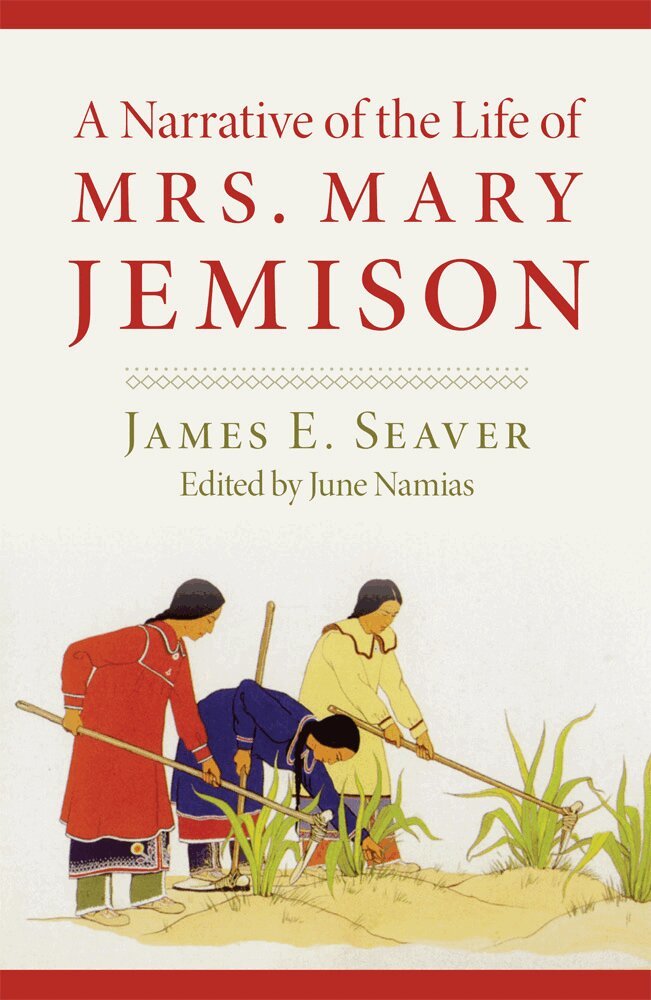
Narrative of the Life of Mrs. Mary Jemison
Av James E. Seaver, June Namias
Häftad, 1995
291 kr
Lägg i varukorg
Mary Jemison was one of the most famous white captives who, after being captured by Indians, chose to stay and live among her captors. In the midst of the Seven Years War(1758), at about age fifteen, Jemison was taken from her western Pennsylvania home by a Shawnee and French raiding party. Her …
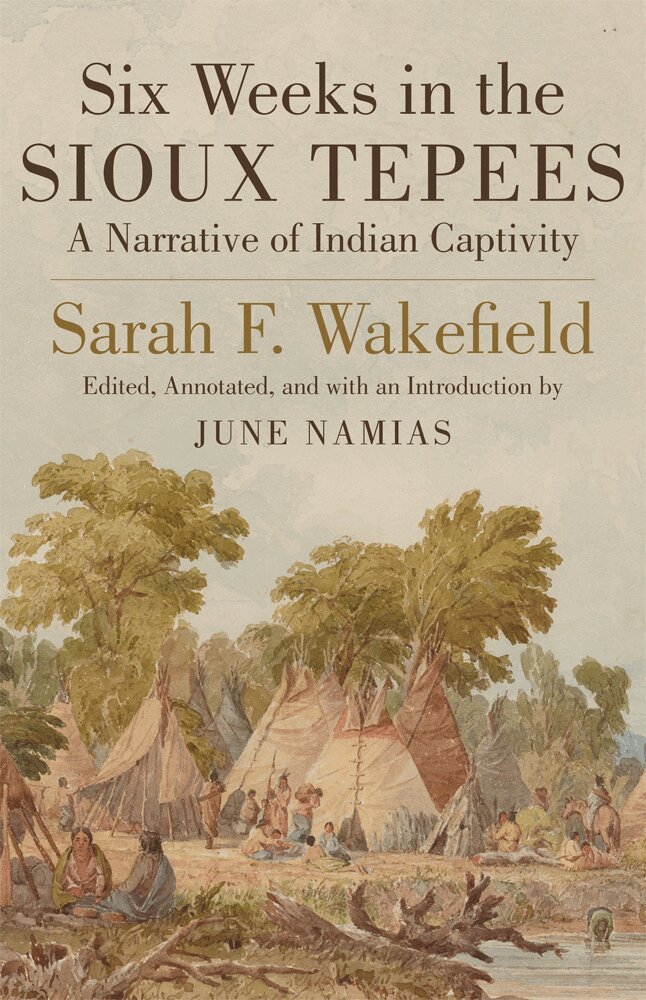
Six Weeks in the Sioux Tepees
A Narrative of Indian Captivity
Av Sarah F. Wakefield, June Namias
Häftad, 2002
213 kr
Lägg i varukorg
The Dakota War (1862) was a searing event in Minnesota history as well as a signal event in the lives of Dakota people. Sarah F. Wakefield was caught up in this revolt. A young doctor's wife and the mother of two small children, Wakefield published her unusual account of the war and her captivity …
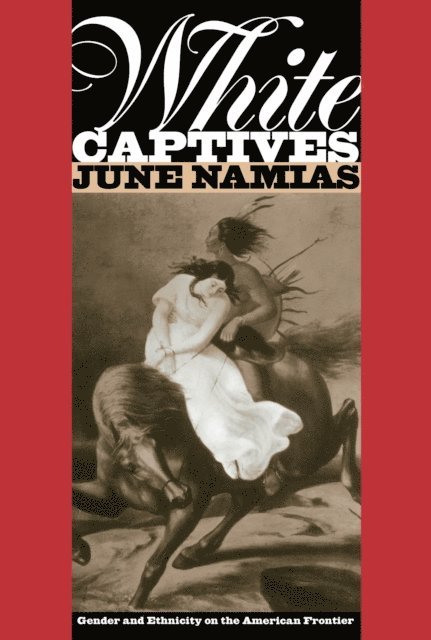
White Captives
Gender and Ethnicity on the American Frontier
Av June Namias
Häftad, 1993
616 kr
Lägg i varukorg
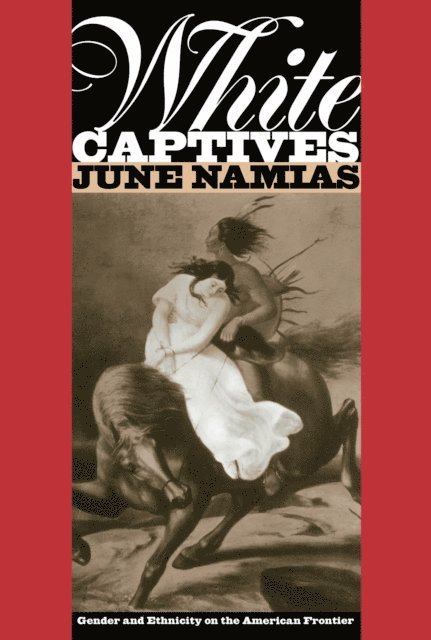
Namias shows that visual, literary, and historical accounts of the capture of Euro-Americans by Indians are commentaries on the uncertain boundaries of gender, race, and culture during the colonial Indian Wars, the American Revolution, and the Civil War. She compares the experiences and …
White Captives
Gender and Ethnicity on the American Frontier
Av June Namias
E-bok, 2005
410 kr
Lägg i varukorg
Namias shows that visual, literary, and historical accounts of the capture of Euro-Americans by Indians are commentaries on the uncertain boundaries of gender, race, and culture during the colonial Indian Wars, the American Revolution, and the Civil War. She compares the experiences and …
White Captives
Gender and Ethnicity on the American Frontier
Av June Namias
E-bok, 2005
402 kr
Lägg i varukorg
Namias shows that visual, literary, and historical accounts of the capture of Euro-Americans by Indians are commentaries on the uncertain boundaries of gender, race, and culture during the colonial Indian Wars, the American Revolution, and the Civil War. She compares the experiences and …