Justin B Richland – författare
Visar alla böcker från författaren Justin B Richland. Handla med fri frakt och snabb leverans.
8 produkter
Cooperation Without Submission
Indigenous Jurisdictions in Native Nation-Us Engagements
Inbunden, 2021
815 kr
Lägg i varukorg
It is well-known that there is a complicated relationship between Native American tribes and the US government. Relations between tribes and the government are dominated by the principle known as the “Federal-Indian Trust Relationship.” The key aspect of this principle is that the government is …
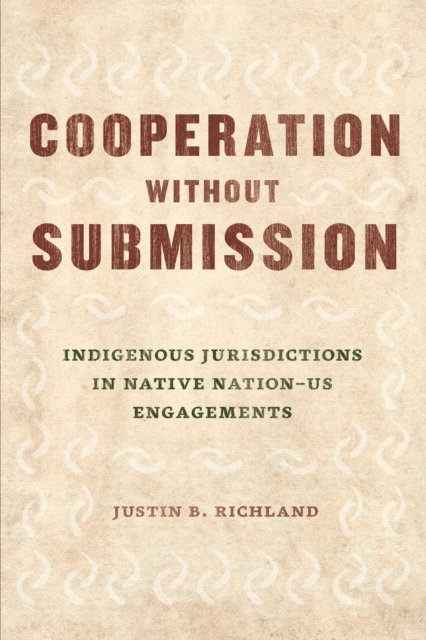
Cooperation without Submission
Indigenous Jurisdictions in Native Nation–US Engagements
E-bok, 2021
451 kr
Lägg i varukorg
A meticulous and thought-provoking look at how Tribes use language to engage in "cooperation without submission." It is well-known that there is a complicated relationship between Native American Tribes and the US government. Relations between Tribes and the federal government are dominated by the …
Cooperation Without Submission
Indigenous Jurisdictions in Native Nation-Us Engagements
Häftad, 2021
234 kr
Lägg i varukorg
It is well-known that there is a complicated relationship between Native American tribes and the US government. Relations between tribes and the government are dominated by the principle known as the “Federal-Indian Trust Relationship.” The key aspect of this principle is that the government is …
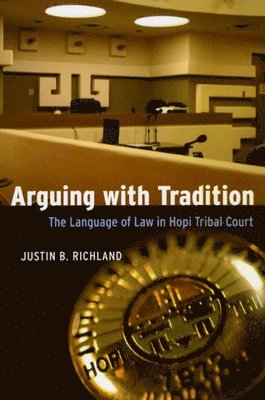
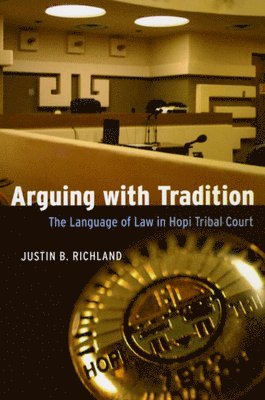
Arguing with Tradition
The Language of Law in Hopi Tribal Court
Inbunden, 2008
784 kr
Lägg i varukorg
"Arguing with Tradition" is the first book to explore language and interaction within a contemporary Native American legal system. Grounded in Justin B. Richland's extensive field research on the Hopi Indian Nation of northeastern Arizona - on whose appellate court he now serves as Justice Pro …
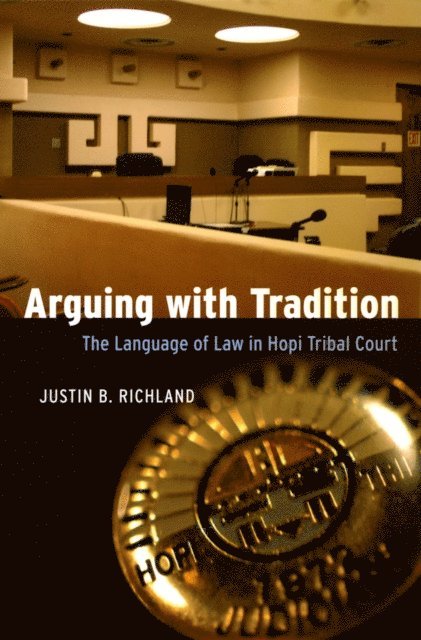
Arguing with Tradition
The Language of Law in Hopi Tribal Court
Häftad, 2008
226 kr
Lägg i varukorg
"Arguing with Tradition" is the first book to explore language and interaction within a contemporary Native American legal system. Grounded in Justin B. Richland's extensive field research on the Hopi Indian Nation of northeastern Arizona - on whose appellate court he now serves as Justice Pro …
Arguing with Tradition
The Language of Law in Hopi Tribal Court
E-bok, 2008
488 kr
Lägg i varukorg
Arguing with Tradition is the first book to explore language and interaction within a contemporary Native American legal system. Grounded in Justin Richland’s extensive field research on the Hopi Indian Nation of northeastern Arizona—on whose appellate court he now serves as Justice Pro …
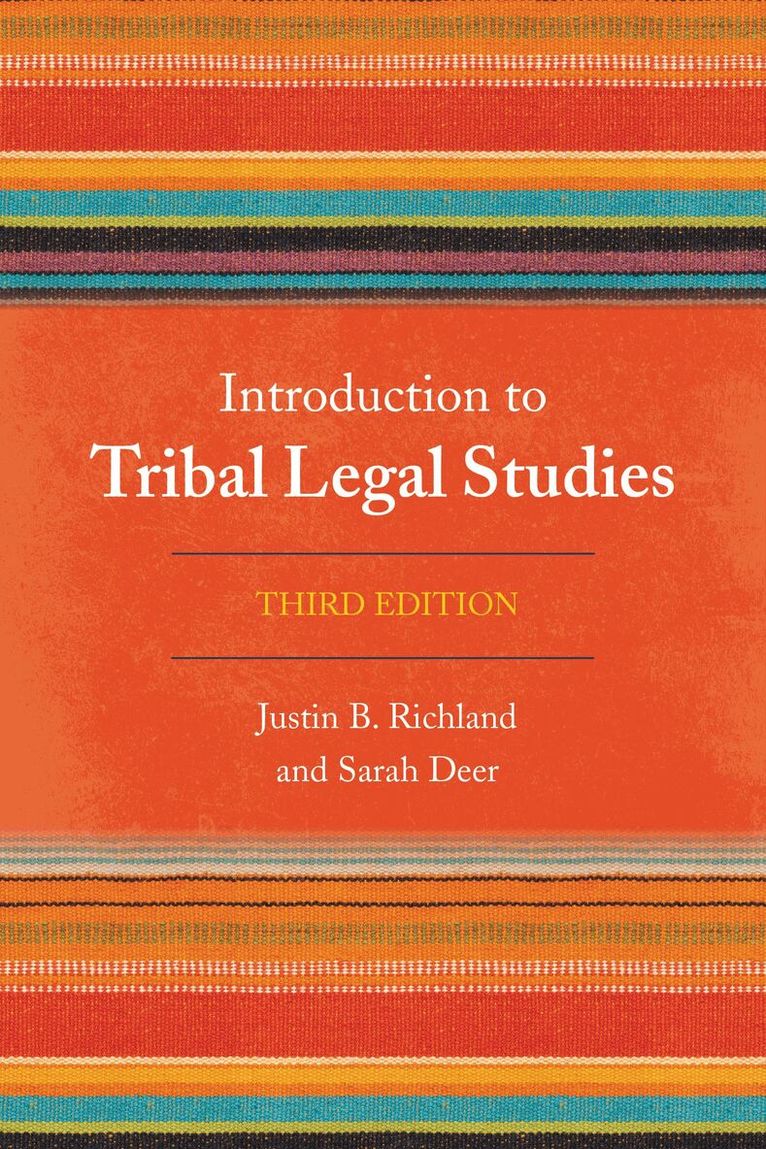
Introduction to Tribal Legal Studies
Av Justin B. Richland, Sarah Deer
Inbunden, 2015
1837 kr
Lägg i varukorg
In clear and straightforward language, Justin B. Richland and Sarah Deer discuss the history and structure of tribal justice systems; the scope of criminal and civil jurisdictions; and the various means by which the integrity of tribal courts is maintained. This book is an indispensable resource …
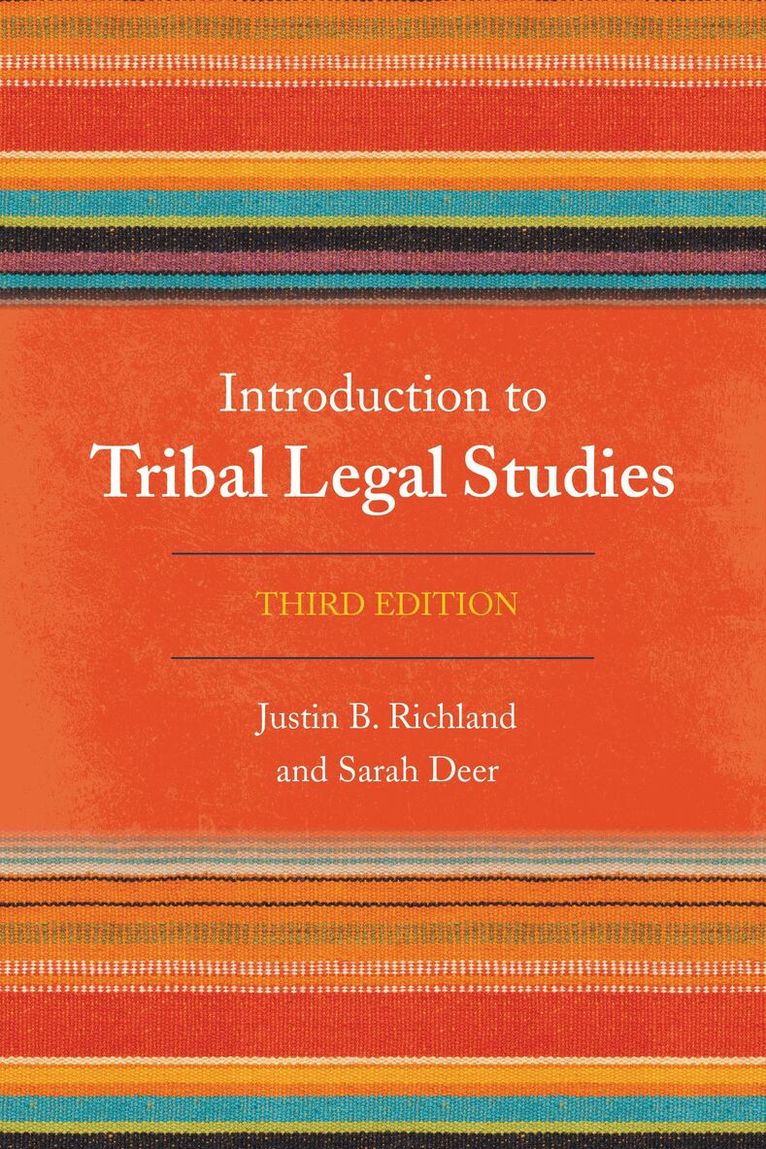
Introduction to Tribal Legal Studies
Av Justin B. Richland, Sarah Deer
Häftad, 2015
921 kr
Lägg i varukorg
In clear and straightforward language, Justin B. Richland and Sarah Deer discuss the history and structure of tribal justice systems; the scope of criminal and civil jurisdictions; and the various means by which the integrity of tribal courts is maintained. This book is an indispensable resource …