Justin Leroy - Böcker
Visar alla böcker från författaren Justin Leroy. Handla med fri frakt och snabb leverans.
4 produkter
4 produkter
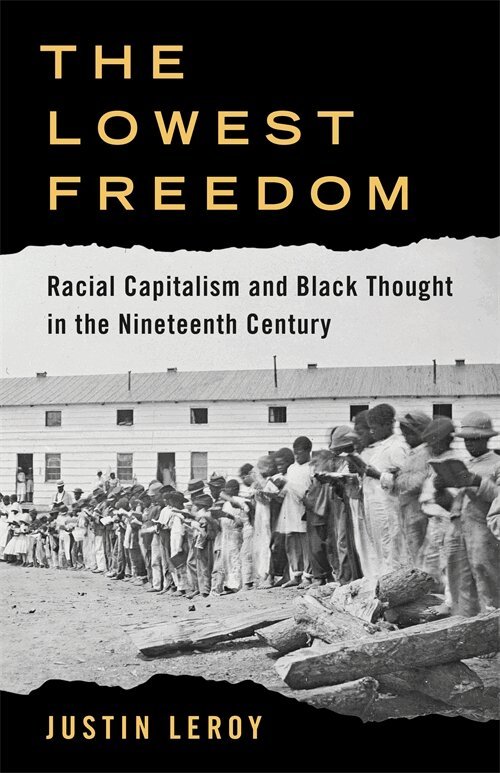
The Lowest Freedom
Racial Capitalism and Black Thought in the Nineteenth Century
Inbunden, Engelska, 2026
895 kr
Skickas inom 7-10 vardagar
Throughout the nineteenth century, Black thinkers grappled with the material limits of freedom. They insisted that emancipation without economic self-determination would reproduce the inequalities of slavery, arguing that true freedom required not only civil rights and suffrage but also defending the rights of workers and curbing the power of capital. They concluded that free Black life could not flourish in conditions of labor exploitation and economic deprivation.The Lowest Freedom is an intellectual history of how economic dispossession shaped the meaning of freedom in Black thought from antebellum abolitionism to the rise of Jim Crow. Justin Leroy argues that figures such as Frederick Douglass, T. Thomas Fortune, Maria Stewart, David Walker, and Ida B. Wells developed a critique of racial capitalism that remains underappreciated. Their theories spanned the eras of slavery and freedom, connecting the North and the South, by illuminating the political economy of racial domination and the interwoven relationship between race and capitalism. By situating their work within broader debates about land, labor, and capital, Leroy provides a new framework for understanding how freedom was theorized, contested, and ultimately constrained in the aftermath of slavery. Bridging Black studies, intellectual history, and the history of capitalism, The Lowest Freedom offers a reinterpretation of African American political thought that places the struggle for economic justice at its core.
2 278 kr
Skickas inom 3-6 vardagar
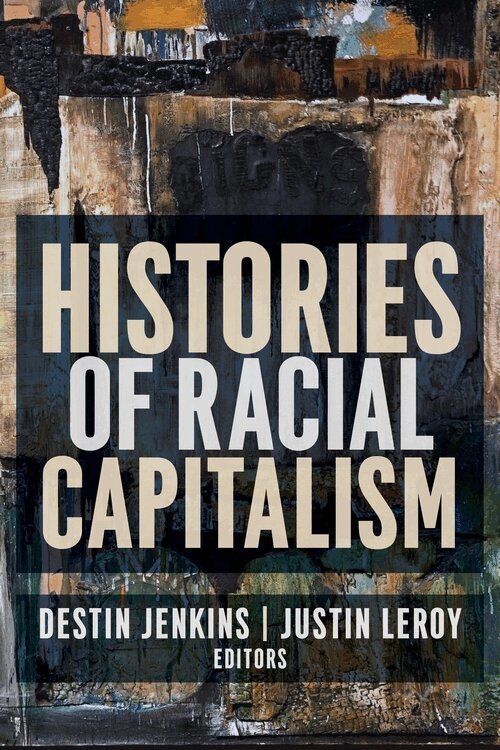
The relationship between race and capitalism is one of the most enduring and controversial historical debates. The concept of racial capitalism offers a way out of this impasse. Racial capitalism is not simply a permutation, phase, or stage in the larger history of capitalism—since the beginning of the Atlantic slave trade and the colonization of the Americas, capitalism, in both material and ideological senses, has been racial, deriving social and economic value from racial classification and stratification. Although Cedric J. Robinson popularized the term, racial capitalism has remained undertheorized for nearly four decades.Histories of Racial Capitalism brings together for the first time distinguished and rising scholars to consider the utility of the concept across historical settings. These scholars offer dynamic accounts of the relationship between social relations of exploitation and the racial terms through which they were organized, justified, and contested. Deploying an eclectic array of methods, their works range from indigenous mortgage foreclosures to the legacies of Atlantic-world maroons, from imperial expansion in the continental United States and beyond to the racial politics of municipal debt in the New South, from the ethical complexities of Latinx banking to the postcolonial dilemmas of extraction in the Caribbean. Throughout, the contributors consider and challenge how some claims about the history and nature of capitalism are universalized while others remain marginalized. By theorizing and testing the concept of racial capitalism in different historical circumstances, this book shows its analytical and political power for today’s scholars and activists.
297 kr
Skickas inom 7-10 vardagar
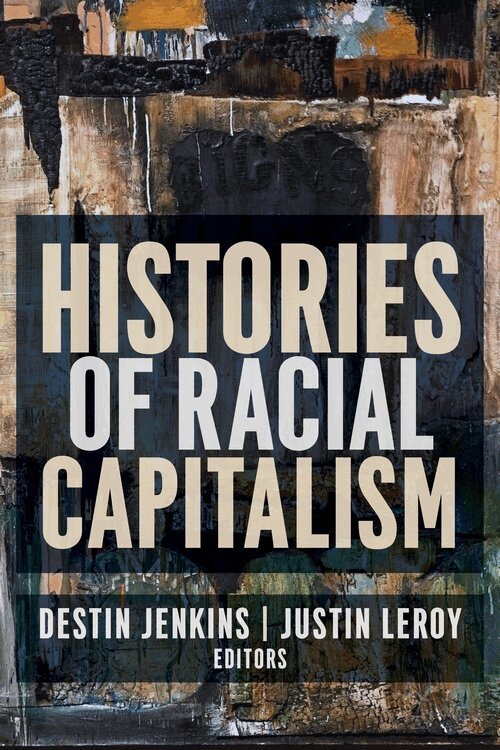
The relationship between race and capitalism is one of the most enduring and controversial historical debates. The concept of racial capitalism offers a way out of this impasse. Racial capitalism is not simply a permutation, phase, or stage in the larger history of capitalism—since the beginning of the Atlantic slave trade and the colonization of the Americas, capitalism, in both material and ideological senses, has been racial, deriving social and economic value from racial classification and stratification. Although Cedric J. Robinson popularized the term, racial capitalism has remained undertheorized for nearly four decades.Histories of Racial Capitalism brings together for the first time distinguished and rising scholars to consider the utility of the concept across historical settings. These scholars offer dynamic accounts of the relationship between social relations of exploitation and the racial terms through which they were organized, justified, and contested. Deploying an eclectic array of methods, their works range from indigenous mortgage foreclosures to the legacies of Atlantic-world maroons, from imperial expansion in the continental United States and beyond to the racial politics of municipal debt in the New South, from the ethical complexities of Latinx banking to the postcolonial dilemmas of extraction in the Caribbean. Throughout, the contributors consider and challenge how some claims about the history and nature of capitalism are universalized while others remain marginalized. By theorizing and testing the concept of racial capitalism in different historical circumstances, this book shows its analytical and political power for today’s scholars and activists.
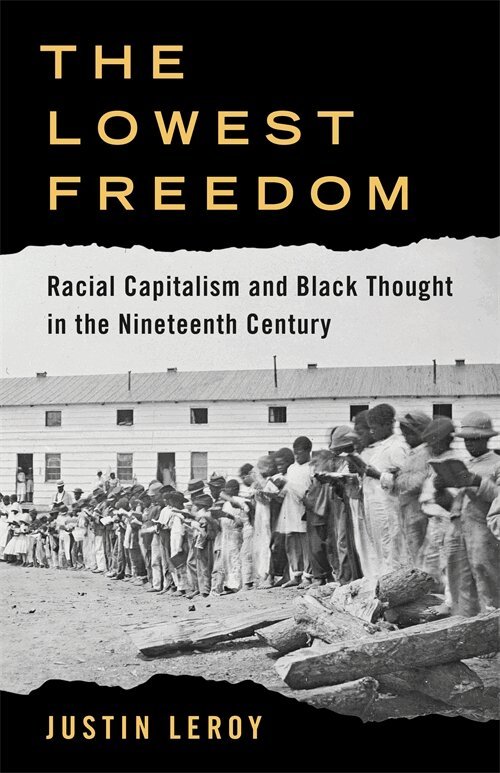
The Lowest Freedom
Racial Capitalism and Black Thought in the Nineteenth Century
Häftad, Engelska, 2026
225 kr
Skickas inom 7-10 vardagar
Throughout the nineteenth century, Black thinkers grappled with the material limits of freedom. They insisted that emancipation without economic self-determination would reproduce the inequalities of slavery, arguing that true freedom required not only civil rights and suffrage but also defending the rights of workers and curbing the power of capital. They concluded that free Black life could not flourish in conditions of labor exploitation and economic deprivation.The Lowest Freedom is an intellectual history of how economic dispossession shaped the meaning of freedom in Black thought from antebellum abolitionism to the rise of Jim Crow. Justin Leroy argues that figures such as Frederick Douglass, T. Thomas Fortune, Maria Stewart, David Walker, and Ida B. Wells developed a critique of racial capitalism that remains underappreciated. Their theories spanned the eras of slavery and freedom, connecting the North and the South, by illuminating the political economy of racial domination and the interwoven relationship between race and capitalism. By situating their work within broader debates about land, labor, and capital, Leroy provides a new framework for understanding how freedom was theorized, contested, and ultimately constrained in the aftermath of slavery. Bridging Black studies, intellectual history, and the history of capitalism, The Lowest Freedom offers a reinterpretation of African American political thought that places the struggle for economic justice at its core.