Justyna Weronika Kasza - Böcker
Visar alla böcker från författaren Justyna Weronika Kasza. Handla med fri frakt och snabb leverans.
2 produkter
2 produkter
974 kr
Skickas inom 5-8 vardagar
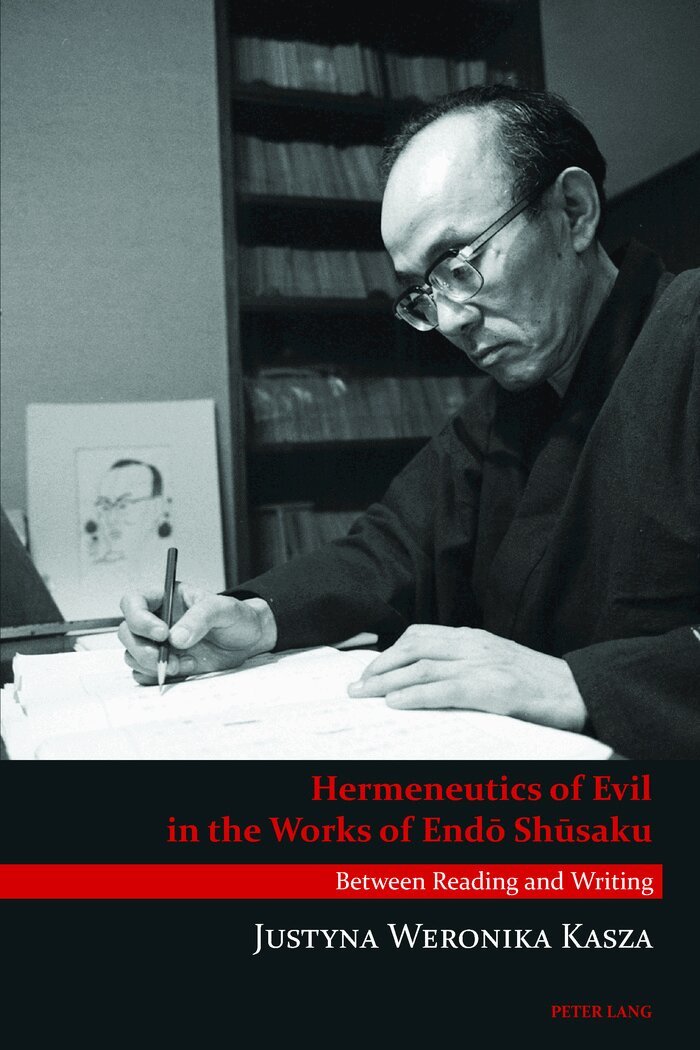
Evil is a salient component of Endō Shūsaku’s writing. Questions surrounding evil haunted the writer as a student of French literature, having discovered the works of Western authors like François Mauriac and Georges Bernanos. It is around the problem of evil that Endō would create his most renowned novels and the cross-cultural dimensions of the questions he posed on the nature of evil would make him one of the most widely translated Japanese authors.This study offers new insight into the intellectual and artistic development of the author by focusing on a lesser known yet significant body of work: his essays and critical texts. The book is, on the one hand, an attempt to follow the path of thinking delineated by Endō Shūsaku himself and, on the other, a methodological approach to literary studies based on the application of selected categories of Paul Ricœur’s hermeneutics. Thus, the book accentuates the problem of subjectivity and personhood in Endō’s works, ultimately exploring the question, Who is the one who asks about evil?
Del 6 - Studies in Oriental Culture and Literature
“I” in the Making
Rethinking the Japanese shishōsetsu in a Global Age
Inbunden, Engelska, 2020
704 kr
Skickas inom 5-8 vardagar
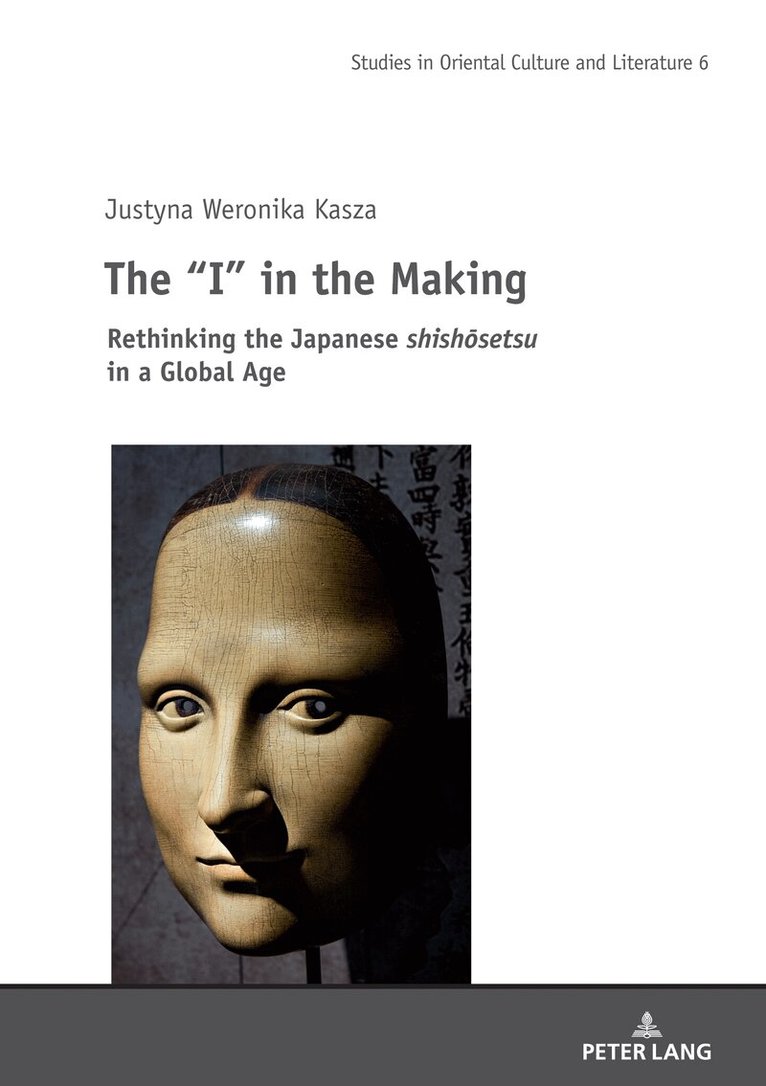
The book centres around the topic of subjectivity and self-representation in contemporary Japanese literature and offers a new approach to the genre of shishōsetsu (the I-novel). It reassesses the works of Dazai Osamu, Ōe Kenzaburō, Endō Shūsaku, Murakami Haruki, and of the translingual writers - Mizumura Minae, Hideo Levy, Tawada Yōko - to expose the wide-ranging treatment of personal experiences, and the intricate relations between the characters, the narrator, and the writing persona.In the context of world fiction and autobiography theories, the book investigates literary and linguistic challenges in expressing the “self.” The shishōsetsu are explored as stories of constructing identities between cultures, languages, literary canons, and testimonies of untranslatability of the self.