
Kaiser Younis – författare
Visar alla böcker från författaren Kaiser Younis. Handla med fri frakt och snabb leverans.
5 produkter
5 produkter
- Nyhet

Inbunden, Engelska, 2026
2 482 kr
Skickas inom 10-15 vardagar
The world of meat, as a fundamental aspect of human nutrition and culture, is both rich and complex. This new volume illuminates this complexity, comprehensively exploring the biochemical makeup, nutritional properties, and broader implications of meat consumption. Recently, meat discussions have evolved beyond mere sustenance to encompass many issues, including health, ethics, sustainability, and economics. Against this backdrop, understanding the composition of meat and its nutritional significance becomes paramount.The new book clearly documents the major and minor components of the meat; meat processing technology, meat products and packaging, meat analysis and regulations, meat by-products, and meat alternatives. The chapters cover:• meat proteins and their nutritional value (discusses the proteinaceous components of meat, covering their structures, functions, and nutritional implications and the role of meat proteins in muscle development, metabolism, and overall human health)• meat fat (including saturated fats, unsaturated fats, and cholesterol)• meat minerals and vitamins (covers the micronutrient content of meat, highlighting its role as a rich source of essential minerals such as iron, zinc, and selenium, as well as vitamins including B vitamins and vitamin D)• meat pigments (looks at factors influencing meat color, including species, age, diet, and processing methods, as well as the sensory implications of meat coloration)• meat slaughtering (covers the processes involved in converting live animals into meat products)• meat analysis techniques (addresses the methods used in the evaluation of meat products, highlighting their strengths, limitations, and applications in quality control and assurance)• meat processing operations (explores the industrial-scale processes involved in meat production and processing)• meat products (showcases the diverse array of meat-based food products offered to consumers)• meat packaging and storage (covers the strategies employed to preserve the freshness, flavor, and safety of meat products throughout the supply chain)• meat transportation (logistics of transporting meat from farm to fork)• meat laws and food safety regulations (explores the regulatory frameworks governing meat production, labeling, trade, and safety at the national and international levels)• health and environmental concerns of meat (explores the complex interplay between meat consumption, public health, and planetary sustainability, with insight into emerging research, policy initiatives, and consumer trends)• meat by-products and plant-based meat alternatives, such as collagen and gelatin as well as plant-based proteins and cultured meat (explores innovative approaches to maximizing the value of meat production while addressing consumer demand for sustainable, ethical, and health-conscious food choices)• cultured meat (the future of meat production, where cellular agriculture promises to revolutionize the way meat is cultivated, such as from tissue engineering and bioreactor technology)This new book is a A-to-Z comprehensive resource for students, researchers, professionals, and anyone interested in understanding meat from a multidisciplinary perspective. It combines expertise from various fields, including food science, nutrition, biochemistry, animal science, and public health, to offer a holistic view of meat and its role in human diets and societies.
Inbunden, Engelska, 2024
2 342 kr
Skickas inom 5-8 vardagar
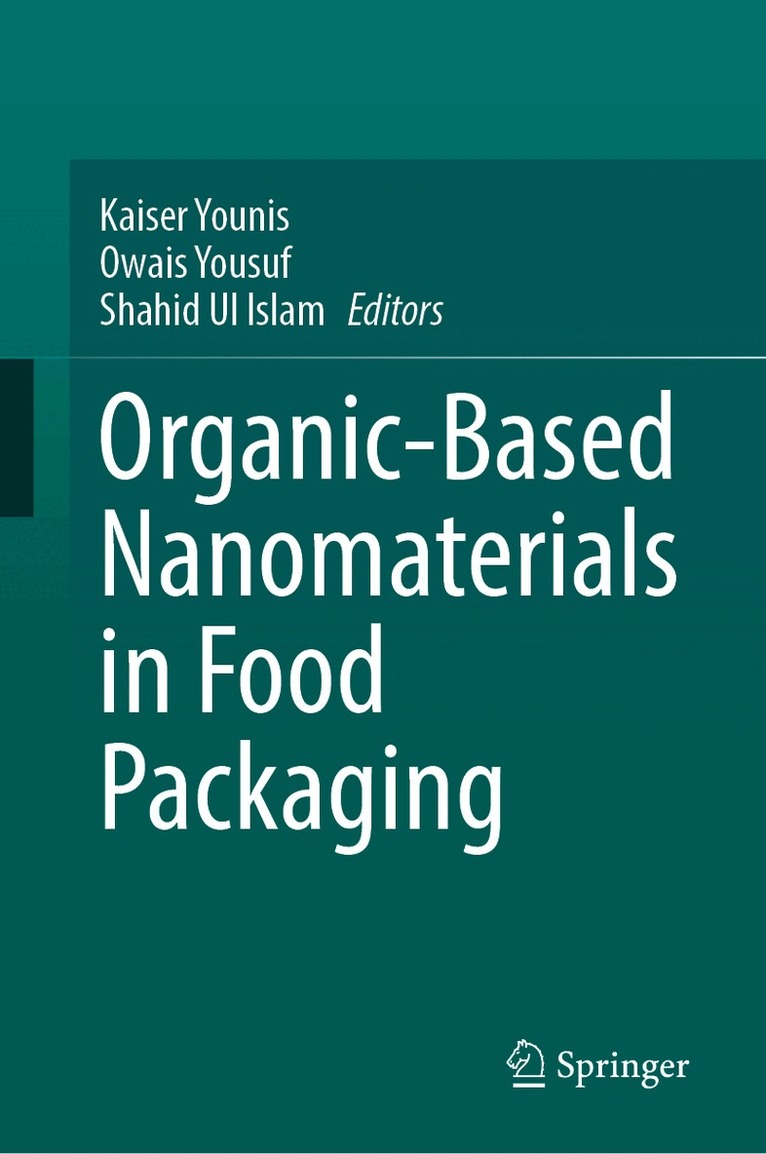
With chapters covering the synthesis of organic nanomaterials, characterization, composition and structure of organic nanomaterials, mechanical properties and an overview of organic-based nanomaterials use in food packaging, cellulose, starch, chitosan and protein -based nanomaterials are covered.
Häftad, Engelska, 2025
2 353 kr
Skickas inom 10-15 vardagar
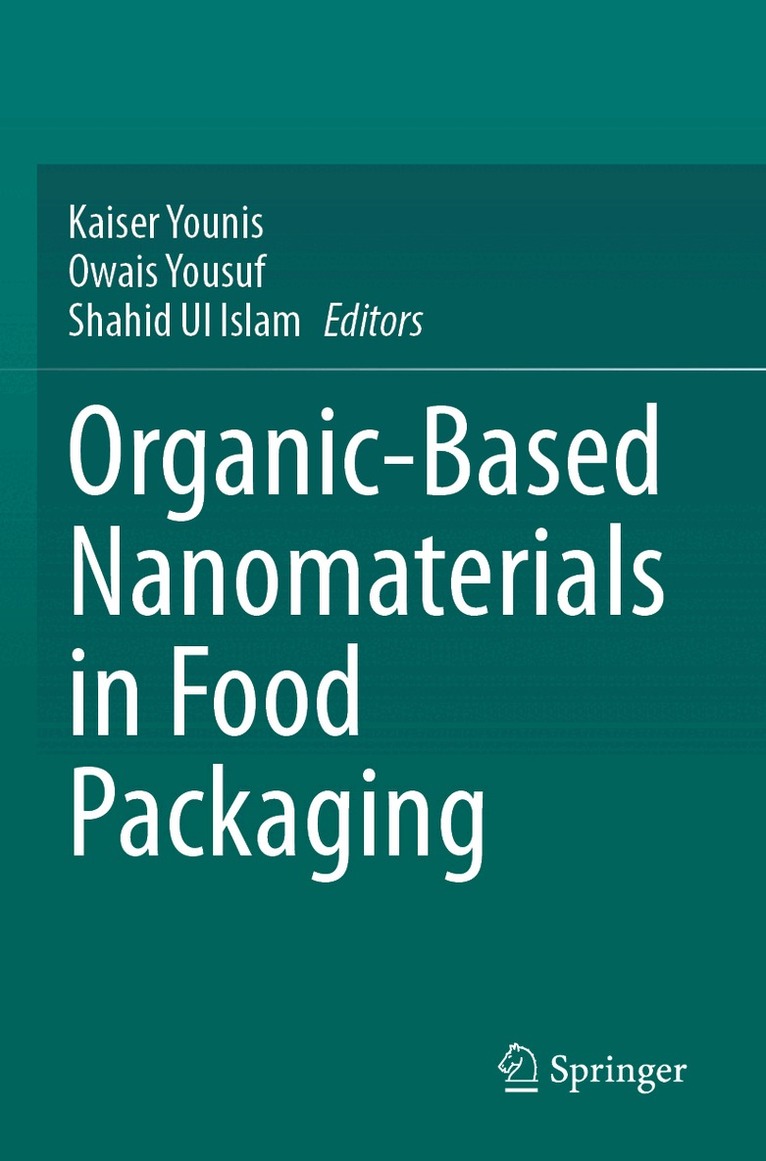
The use of nanomaterials in food packaging is a rapidly advancing area with massive potential for increasing shelf life and improving the safety of food products. Up to this point there has not been a suitable reference work covering the basic modules of organic-based nanomaterials in food packaging. This work documents organic nanomaterials and their synthesis; Characterization, composition and structure of organic nanomaterials; Mechanical properties of organic nanomaterials; Cellulose, Starch, Chitosan, protein and conjugated organic nanomaterials for food packaging plus nano emulsions for edible coating and the overall safety and regulatory aspects of organic nanomaterials. Organic-Based Nanomaterials in Food Packaging is designed to serve researchers, students in food science and technology and food processing, and food industry professionals as well. With chapters covering the synthesis of organic nanomaterials, characterization, composition and structure of organic nanomaterials, mechanical properties and an overview of organic-based nanomaterials use in food packaging, cellulose, starch, chitosan and protein -based nanomaterials are covered. Further chapters focus on conjugated organic nanomaterials, nano emulsions for edible coating and the safety and regulatory issues of organic nanomaterials. For researchers, students and the professionals looking for a full and up-to-date overview of organic based nanomaterials in food packaging, this book serves as an excellent source.
Inbunden, Engelska, 2026
2 894 kr
Kommande
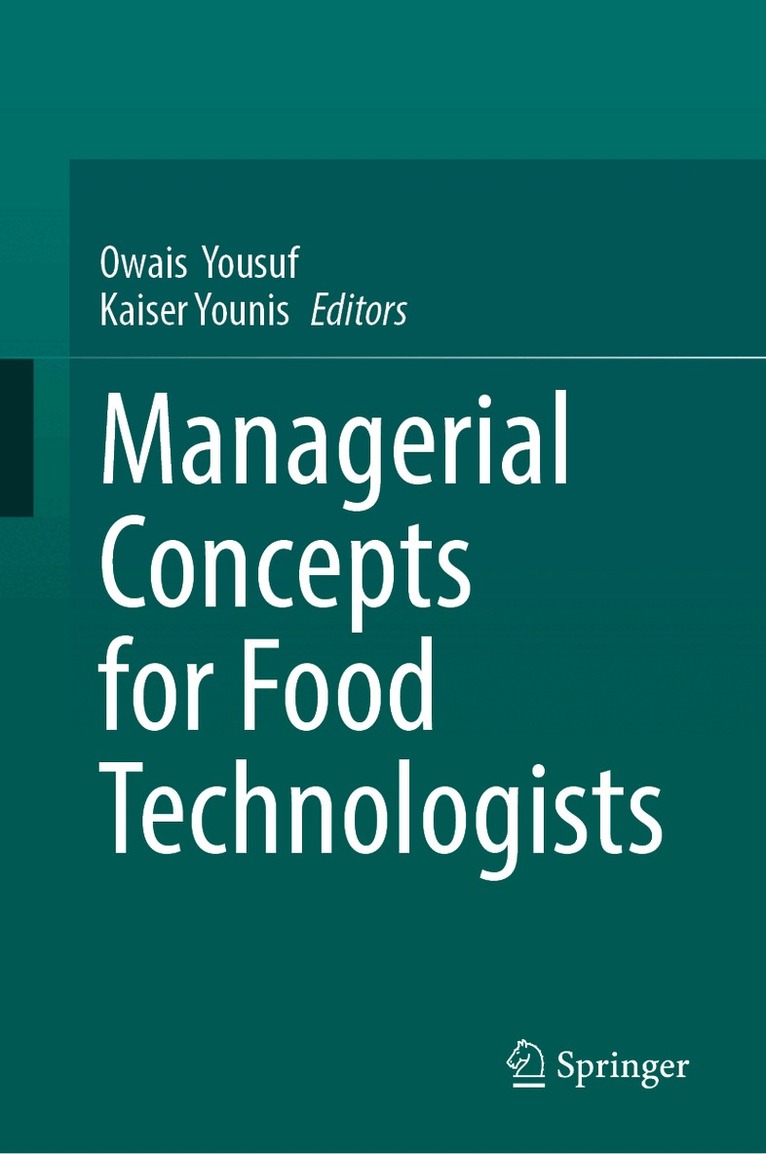
This book offers a deep dive into crucial management concepts tailored for professionals involved in food technology. It provides theories and examples designed to provide food technology professionals with the critical managerial knowledge they need for the complex world of food production and distribution. Covering a wide range of topics, the book explores the details of designing production facilities, crafting innovative marketing strategies, managing human resources effectively and enforcing strict quality control measures, all through the unique lens of food technology.Managerial Concepts for Food Technologists provides a manual for experienced professionals looking to boost their managerial skills in the field. By bridging the gap between academic management theories and the practical demands of the food industry, the book stands out as an essential tool for those in the field. With its comprehensive coverage of broad and detailed topics, the text covers classical management theories to the modern-day challenges faced in managing food technology. This approach ensures readers gain a rich understanding, equipping them to excel in the fast-paced and ever-changing food industry.
Inbunden, Engelska, 2025
1 980 kr
Skickas inom 5-8 vardagar
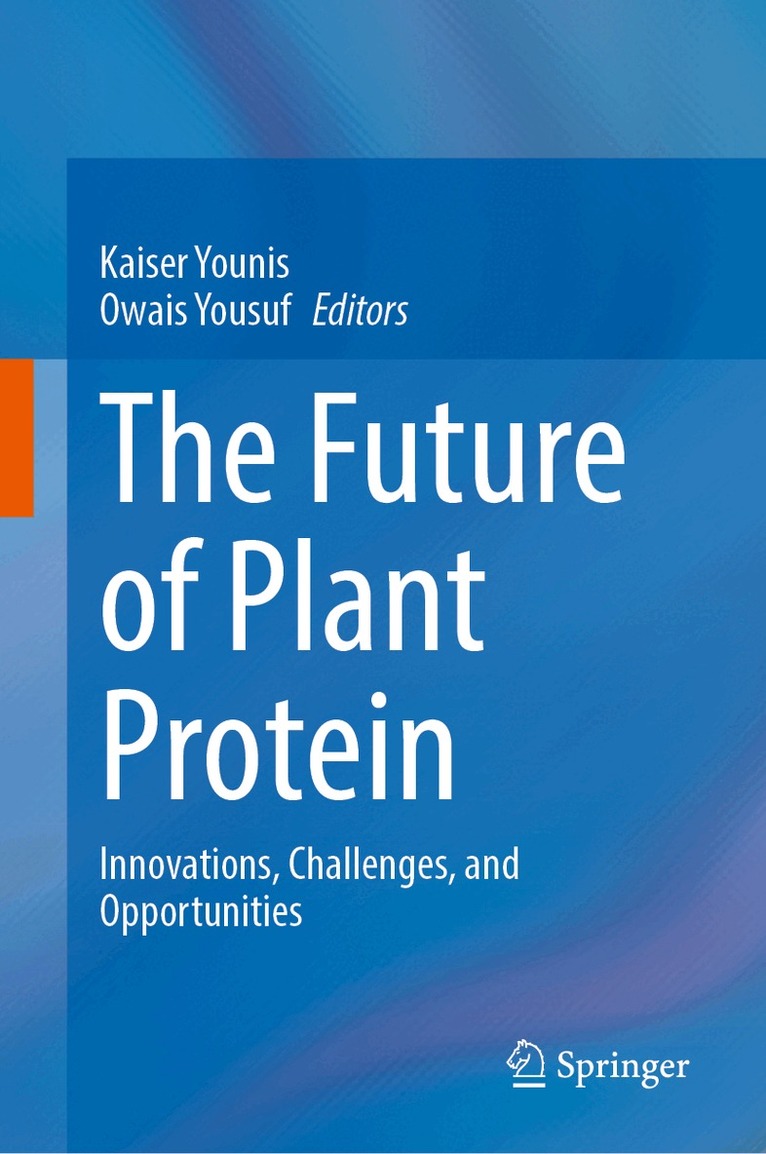
This book presents plant proteins as sustainable and healthy substitutes for animal proteins, highlighting innovations, challenges, and opportunities.