Kamil Kijek - Böcker
Visar alla böcker från författaren Kamil Kijek. Handla med fri frakt och snabb leverans.
4 produkter
4 produkter
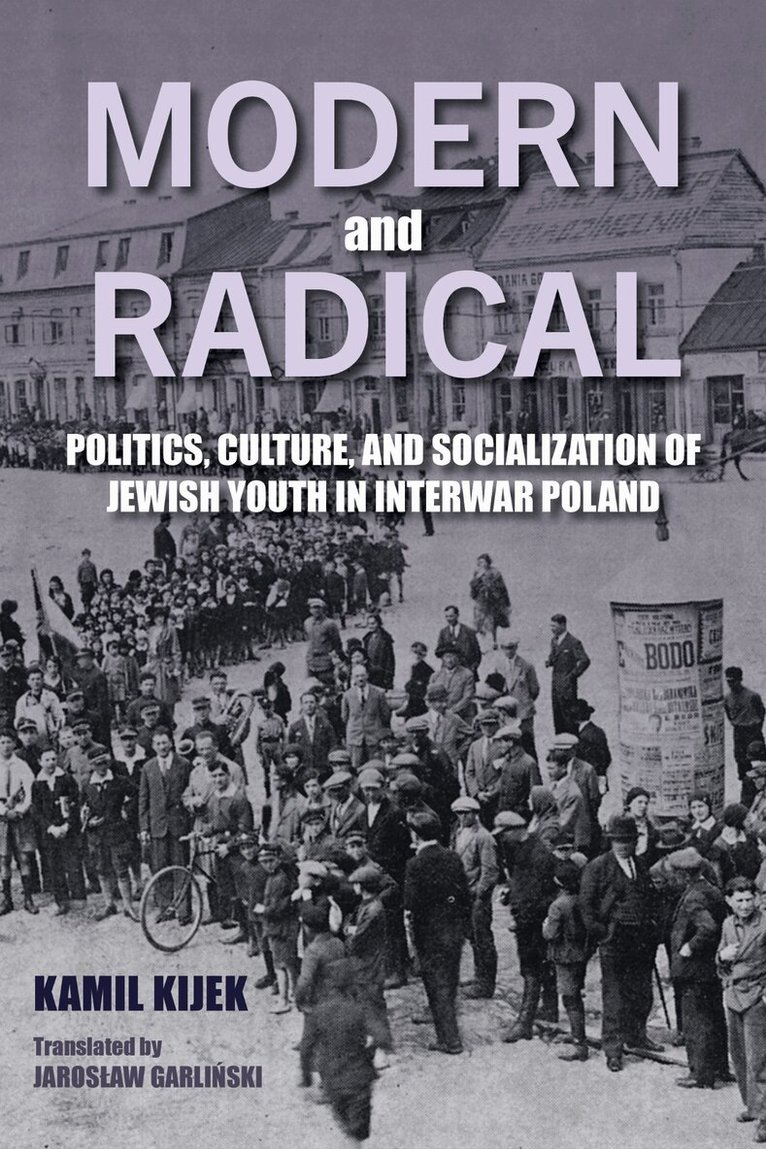
Modern and Radical
Politics, Culture, and Socialization of Jewish Youth in Interwar Poland
Inbunden, Engelska, 2026
1 307 kr
Skickas inom 7-10 vardagar
Why were the last generation of Jews to grow up in Poland before the Holocaust so susceptible to change and new ideas? Despite any major differences between different groups of Jewish youth, whether rich, poor, traditional, orthodox, Zionist, socialist, or communist, the generation as a whole was unified by "radical modernism," engaging with revolutionary political ideologies of the 1930s.Modern and Radical explores the political consciousness of this generation of Jewish youth who came of age in 1930s Poland. Author Kamil Kijek describes how Jewish youth in the 1920s and '30s, unlike their parents and grandparents, attended Polish public schools, adapted to the realities of a Polish national state, and were significantly influenced by both Polish elite and popular cultures—despite the state's emphasis on ethnic Polish nationalism creating a strong feeling of exclusion. This, combined with discrimination in higher education and employment, as well as the growth of antisemitism, created a generation of Jewish youth with a complex, love-hate relationship with the Polish state.Drawing on hundreds of autobiographies penned by young Polish Jews throughout the 1930s, Modern and Radical provides rich insight into how this unique group of Jewish youth in the interwar period experienced life in the emerging national Polish state., reviewing a previous edition or volume
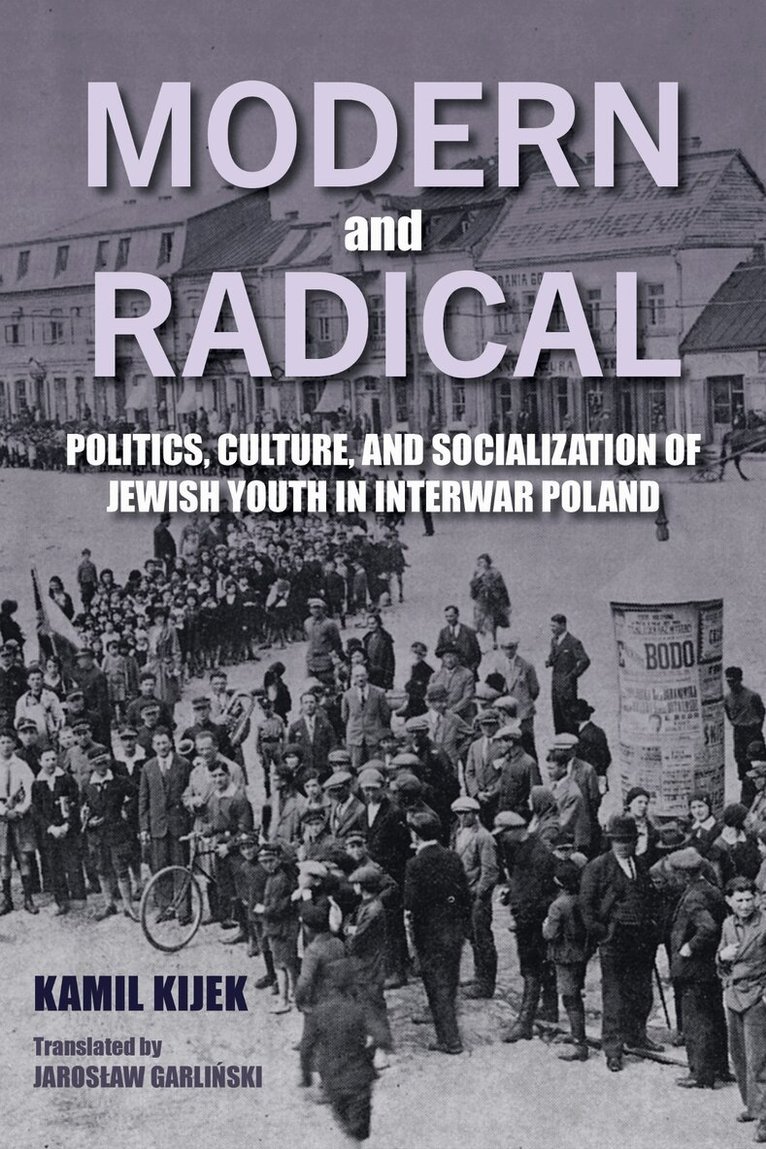
Modern and Radical
Politics, Culture, and Socialization of Jewish Youth in Interwar Poland
Häftad, Engelska, 2026
604 kr
Skickas
Why were the last generation of Jews to grow up in Poland before the Holocaust so susceptible to change and new ideas? Despite any major differences between different groups of Jewish youth, whether rich, poor, traditional, orthodox, Zionist, socialist, or communist, the generation as a whole was unified by "radical modernism," engaging with revolutionary political ideologies of the 1930s.Modern and Radical explores the political consciousness of this generation of Jewish youth who came of age in 1930s Poland. Author Kamil Kijek describes how Jewish youth in the 1920s and '30s, unlike their parents and grandparents, attended Polish public schools, adapted to the realities of a Polish national state, and were significantly influenced by both Polish elite and popular cultures – despite the state's emphasis on ethnic Polish nationalism creating a strong feeling of exclusion. This, combined with discrimination in higher education and employment, as well as the growth of antisemitism, created a generation of Jewish youth with a complex, love-hate relationship with the Polish state.Drawing on hundreds of autobiographies penned by young Polish Jews throughout the 1930s, Modern and Radical provides rich insight into how this unique group of Jewish youth in the interwar period experienced life in the emerging national Polish state., reviewing a previous edition or volume
494 kr
Skickas inom 7-10 vardagar
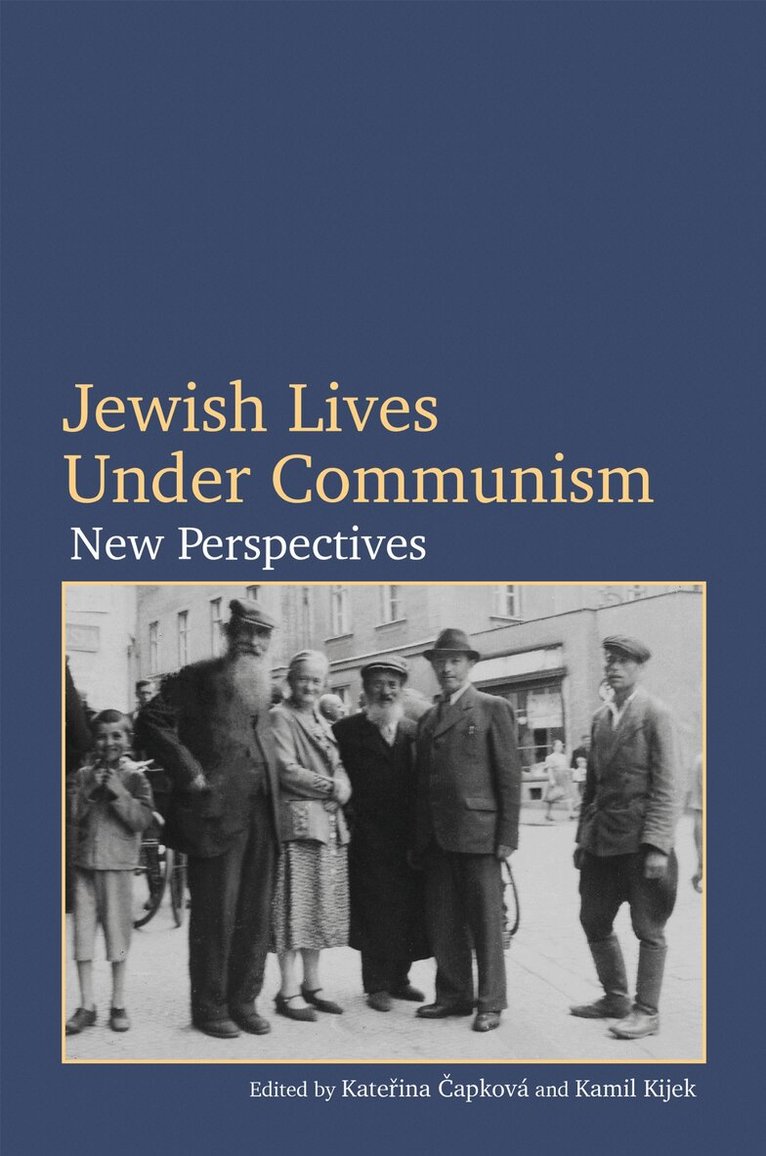
This volume provides new, groundbreaking views of Jewish life in various countries of the pro-Soviet bloc from the end of the Second World War until the collapse of Communism in late 1989. The authors, twelve leading historians and anthropologists from Europe, Israel and the United States, look at the experience of Jews under Communism by digging beyond formal state policy and instead examining the ways in which Jews creatively seized opportunities to develop and express their identities, religious and secular, even under great duress. The volume shifts the focus from Jews being objects of Communist state policy (and from anti-Jewish prejudices in Communist societies) to the agency of Jews and their creativity in Communist Europe after the Holocaust. The examination of Jewish history from a transnational vantage point challenges a dominant strand in history writing today, by showing instead the wide variety of Jewish experiences in law, traditions and institutional frameworks as conceived from one Communist country to another and even within a single country, such as Poland, Czechoslovakia, Hungary, East Germany, and the Soviet Union. By focusing on networks across east-central Europe and beyond and on the forms of identity open to Jews in this important period, the volume begins a crucial rethinking of social and cultural life under Communist regimes.
1 570 kr
Skickas inom 7-10 vardagar
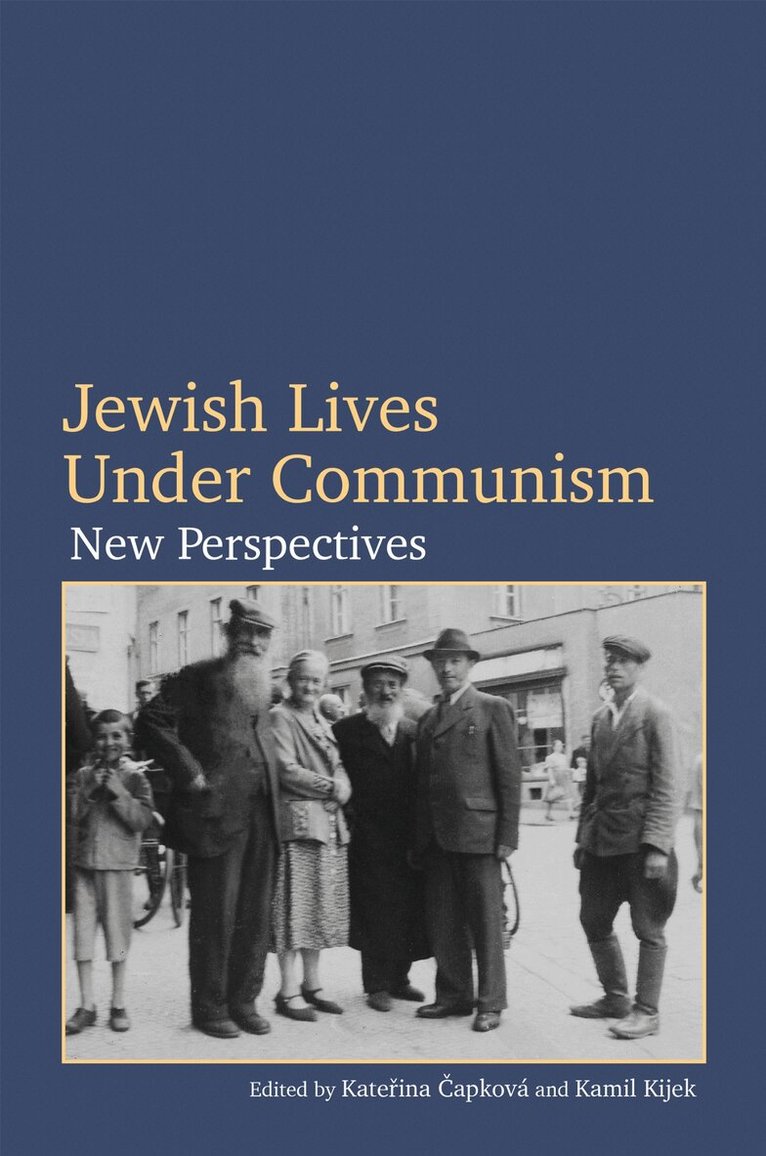
This volume provides new, groundbreaking views of Jewish life in various countries of the pro-Soviet bloc from the end of the Second World War until the collapse of Communism in late 1989. The authors, twelve leading historians and anthropologists from Europe, Israel and the United States, look at the experience of Jews under Communism by digging beyond formal state policy and instead examining the ways in which Jews creatively seized opportunities to develop and express their identities, religious and secular, even under great duress. The volume shifts the focus from Jews being objects of Communist state policy (and from anti-Jewish prejudices in Communist societies) to the agency of Jews and their creativity in Communist Europe after the Holocaust. The examination of Jewish history from a transnational vantage point challenges a dominant strand in history writing today, by showing instead the wide variety of Jewish experiences in law, traditions and institutional frameworks as conceived from one Communist country to another and even within a single country, such as Poland, Czechoslovakia, Hungary, East Germany, and the Soviet Union. By focusing on networks across east-central Europe and beyond and on the forms of identity open to Jews in this important period, the volume begins a crucial rethinking of social and cultural life under Communist regimes.