Kamil Mamak – författare
Visar alla böcker från författaren Kamil Mamak. Handla med fri frakt och snabb leverans.
7 produkter
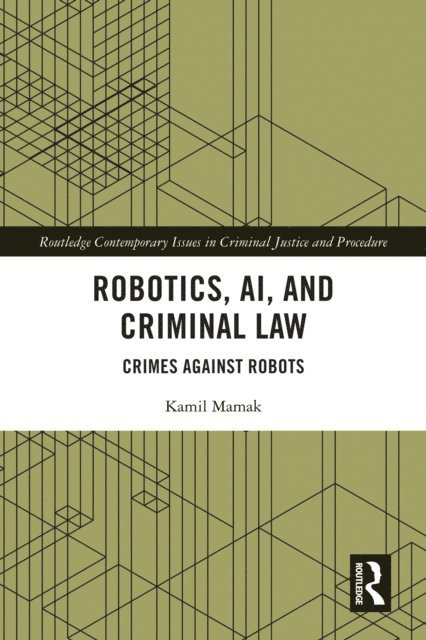
Robotics, AI and Criminal Law
Crimes Against Robots
Av Kamil Mamak
E-bok, 2023
25 kr
Lägg i varukorg
This book offers a phenomenological perspective on the criminal law debate on robots. Today, robots are protected in some form by criminal law. A robot is a person’s property and is protected as property. This book presents the different rationale for protecting robots beyond the property …
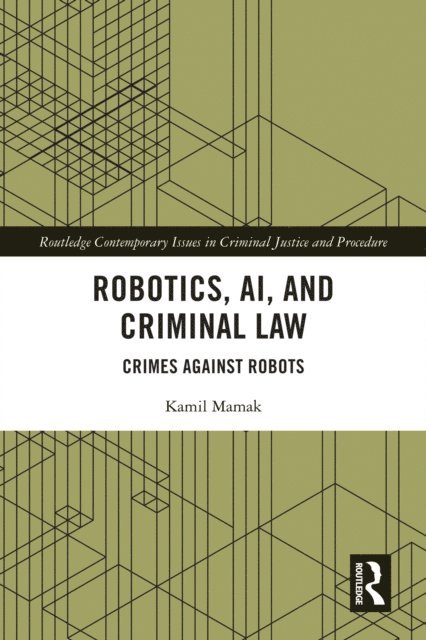
Robotics, AI and Criminal Law
Crimes Against Robots
Av Kamil Mamak
E-bok, 2023
670 kr
Lägg i varukorg
This book offers a phenomenological perspective on the criminal law debate on robots. Today, robots are protected in some form by criminal law. A robot is a person’s property and is protected as property. This book presents the different rationale for protecting robots beyond the property …
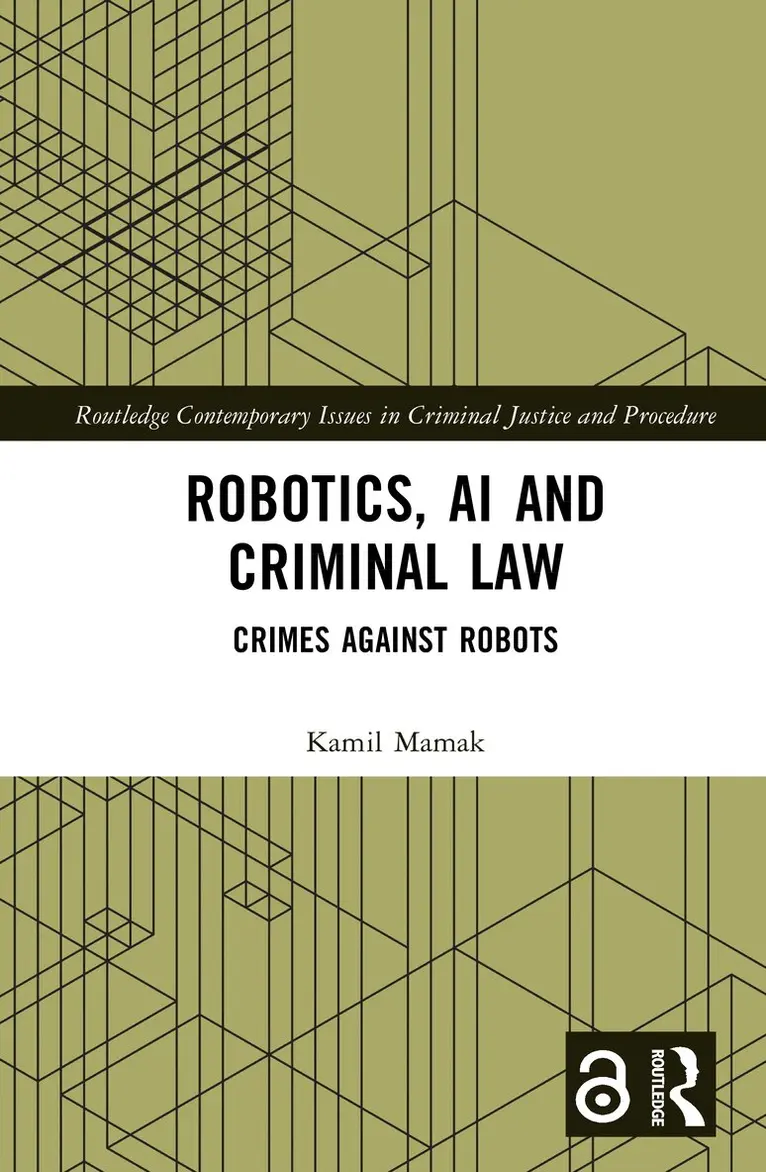
Robotics, AI and Criminal Law
Crimes Against Robots
Av Kamil Mamak
Inbunden, 2023
2510 kr
Lägg i varukorg
This book offers a phenomenological perspective on the criminal law debate on robots. Today, robots are protected in some form by criminal law. A robot is a person’s property and is protected as property. This book presents the different rationale for protecting robots beyond the property …
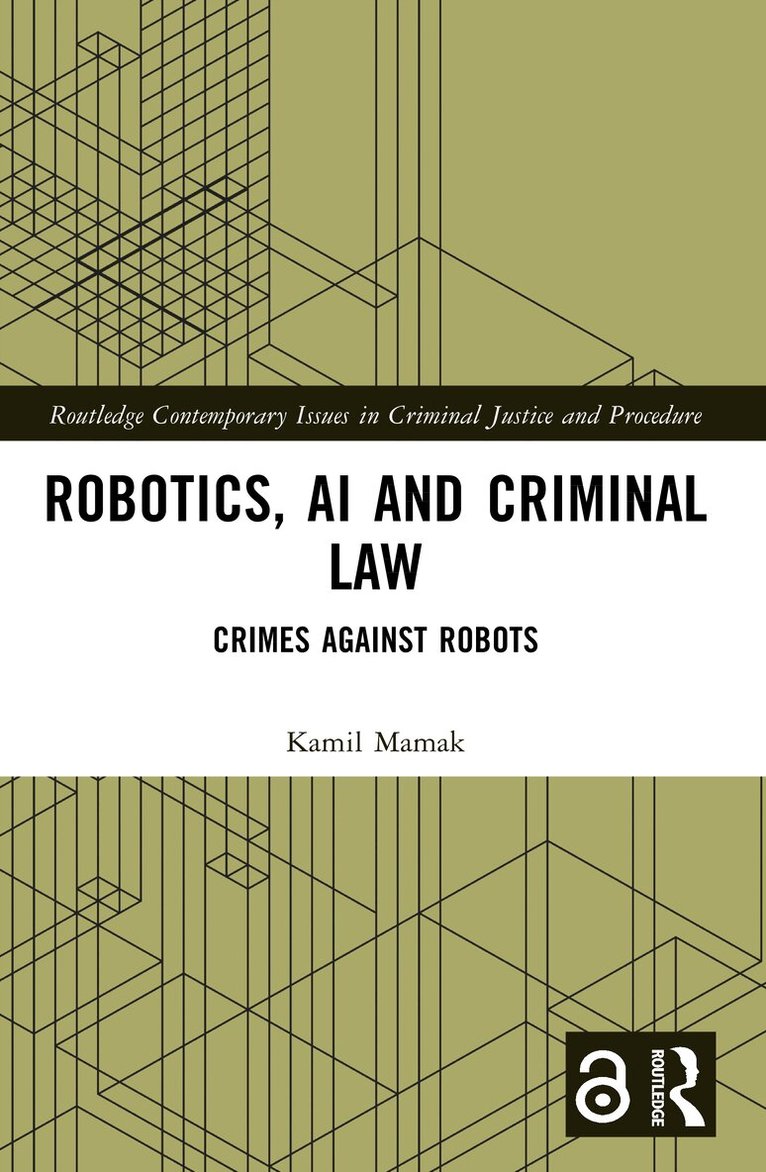
Robotics, AI and Criminal Law
Crimes Against Robots
Av Kamil Mamak
Häftad, 2025
649 kr
Lägg i varukorg
This book offers a phenomenological perspective on the criminal law debate on robots. Today, robots are protected in some form by criminal law. A robot is a person’s property and is protected as property. This book presents the different rationale for protecting robots beyond the property …
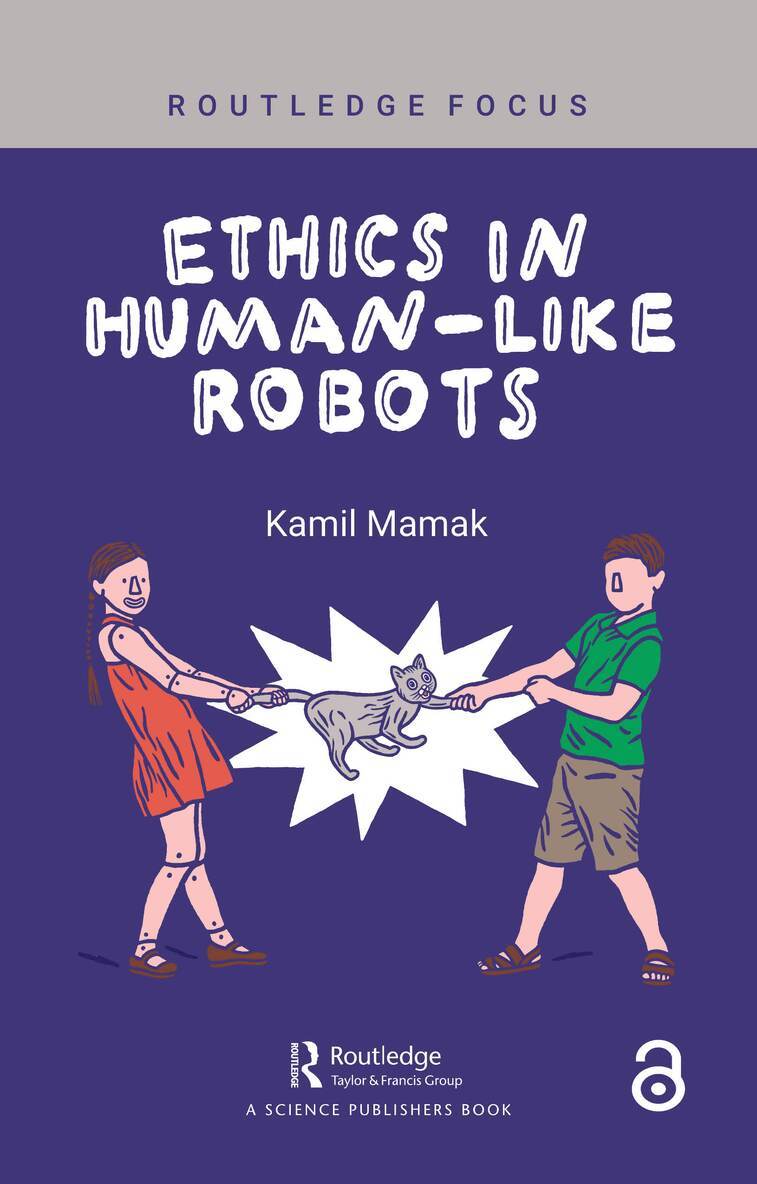
Ethics in Human-like Robots
Av Kamil Mamak
Inbunden, 2024
817 kr
Lägg i varukorg
The idea of creating artificial humans can be found at the beginning of the human culture. Ancient myths contain the stories of artificial humans brought to life by gods. The word robot originates from a play that was about artificial humans made from artificial flesh that aims to serve real …
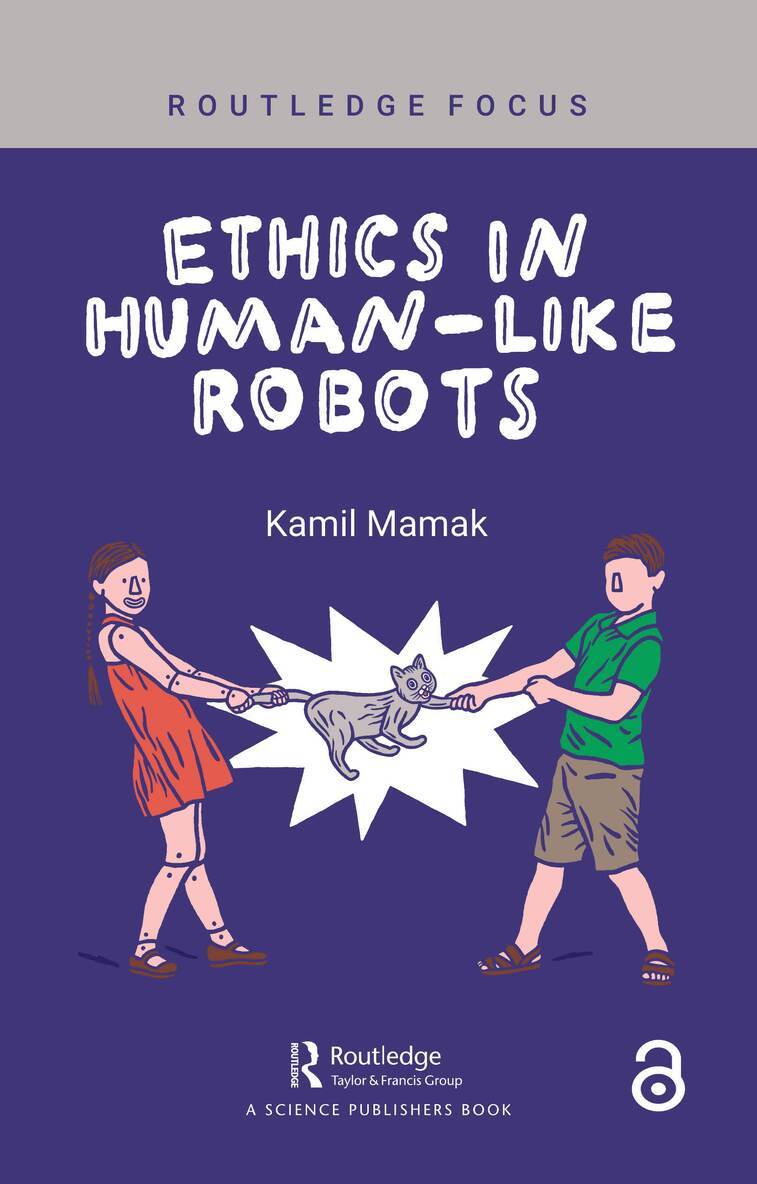
Ethics in Human-like Robots
Av Kamil Mamak
Häftad, 2026
371 kr
Lägg i varukorg
The idea of creating artificial humans can be found at the beginning of the human culture. Ancient myths contain the stories of artificial humans brought to life by gods. The word robot originates from a play that was about artificial humans made from artificial flesh that aims to serve real …
Ethics in Human-like Robots
Av Kamil Mamak
E-bok, 2024
381 kr
Lägg i varukorg
The idea of creating artificial humans can be found at the beginning of the human culture. Ancient myths contain the stories of artificial humans brought to life by gods. The word robot originates from a play that was about artificial humans made from artificial flesh that aims to serve real …