Kamran Asdar Ali – författare
Visar alla böcker från författaren Kamran Asdar Ali. Handla med fri frakt och snabb leverans.
8 produkter
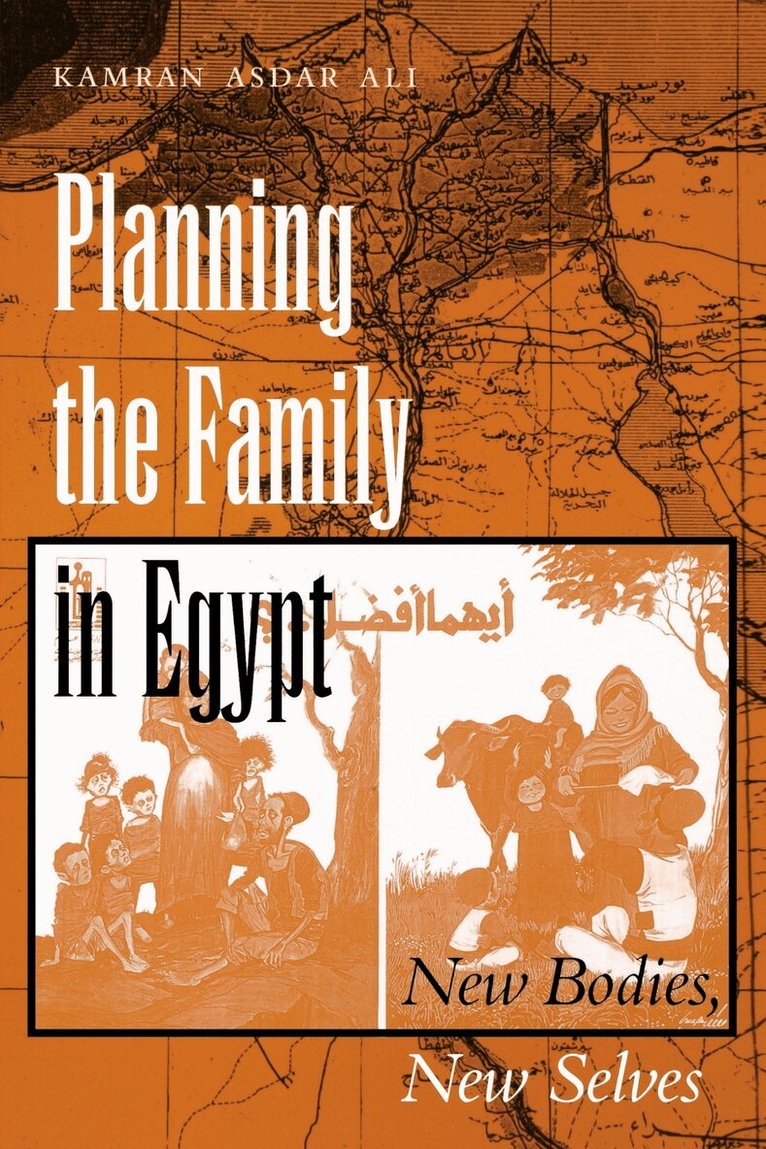
Planning the Family in Egypt
New Bodies, New Selves
Häftad, 2002
281 kr
Lägg i varukorg
In this ethnographic study, the author examines the policies and practices of family planning programs in Egypt to see how an elitist, Western-informed state attempts to create obliging citizens. The state sees voluntary compliance with the law for the common good as the cornerstone of modernity. …
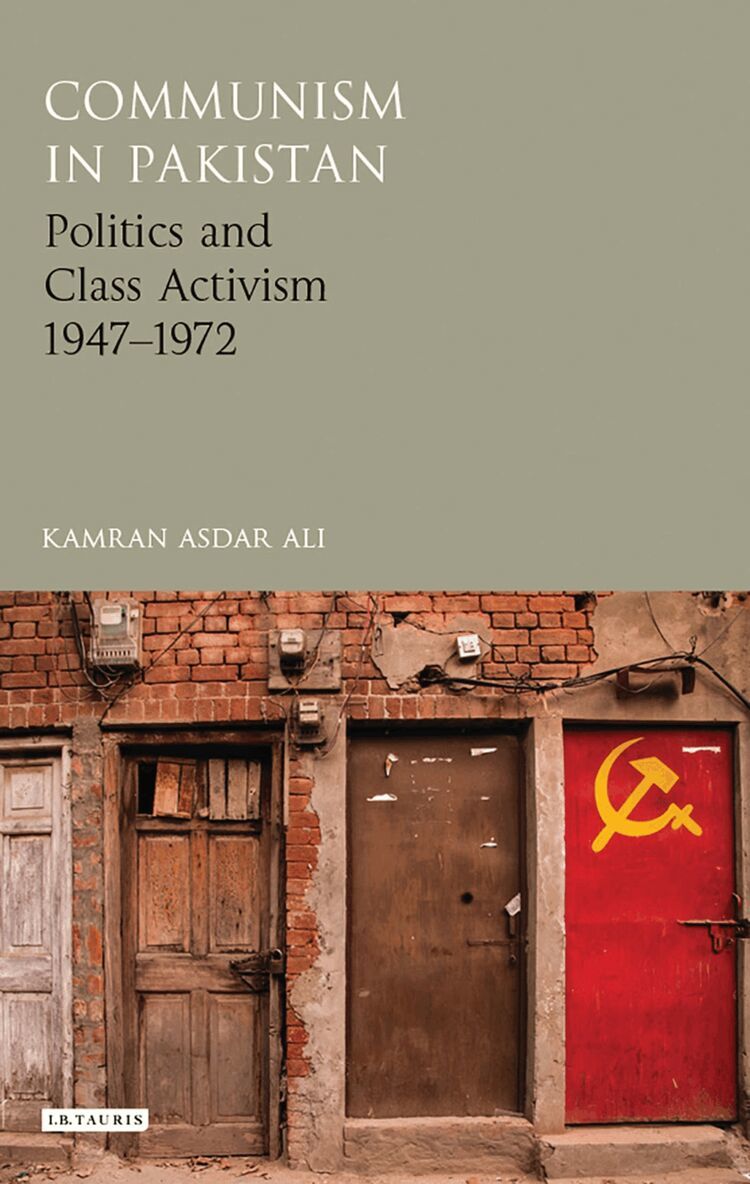
Communism in Pakistan
Politics and Class Activism 1947-1972
E-bok, 2015
2026 kr
Lägg i varukorg
Pakistan today stands at a critical juncture in its short history of existence. While muchhas been written about Pakistan, little is known about Communism or left-leaning politicsin the country post-Partition which played a key role in shaping Pakistani politics today. KamranAsdar Ali here presents …
Communism in Pakistan
Politics and Class Activism 1947-1972
E-bok, 2015
2026 kr
Lägg i varukorg
Pakistan today stands at a critical juncture in its short history of existence. While muchhas been written about Pakistan, little is known about Communism or left-leaning politicsin the country post-Partition which played a key role in shaping Pakistani politics today. KamranAsdar Ali here presents …
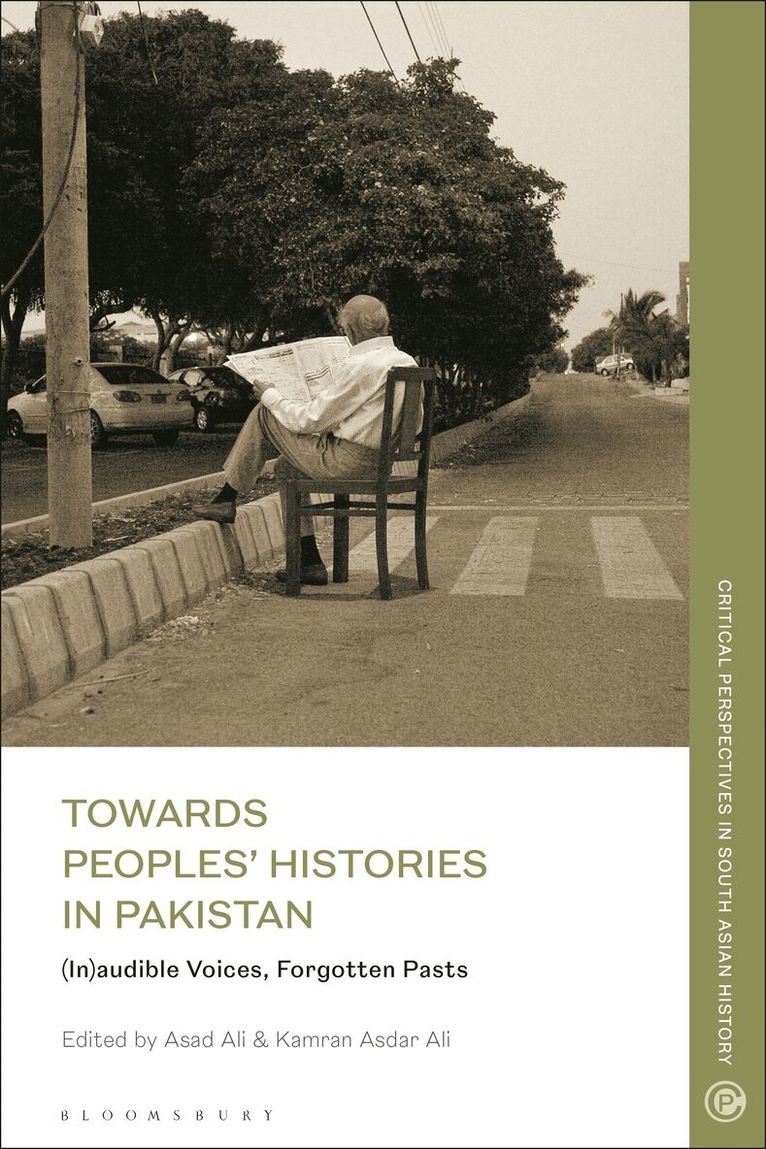
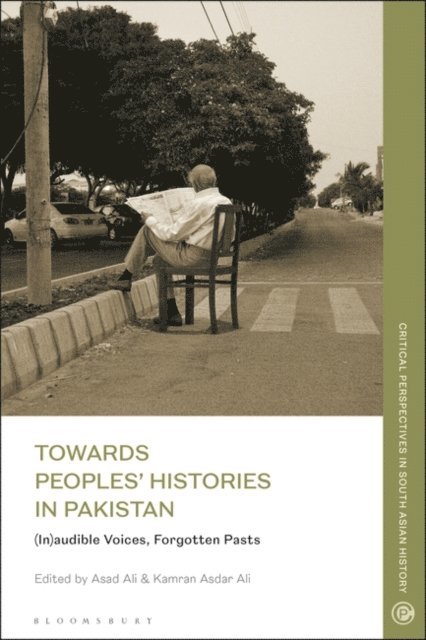
Towards Peoples' Histories in Pakistan
(In)audible Voices, Forgotten Pasts
Inbunden, 2023
1317 kr
Lägg i varukorg
After seventy-five years of independence, the history of Pakistan remains centered on the state, its ideology and the two-nation theory. Towards Peoples' Histories in Pakistan seeks to shift that focus away from histories of an imagined nation, to the history of its peoples. Based on the premise …
Towards Peoples' Histories in Pakistan
(In)Audible Voices, Forgotten Pasts
E-bok, 2023
466 kr
Lägg i varukorg
After seventy-five years of independence, the history of Pakistan remains centered on the state, its ideology and the two-nation theory. Towards Peoples'' Histories in Pakistan seeks to shift that focus away from histories of an imagined nation, to the history of its peoples. Based on the premise …
Towards Peoples' Histories in Pakistan
(In)Audible Voices, Forgotten Pasts
E-bok, 2023
466 kr
Lägg i varukorg
After seventy-five years of independence, the history of Pakistan remains centered on the state, its ideology and the two-nation theory. Towards Peoples'' Histories in Pakistan seeks to shift that focus away from histories of an imagined nation, to the history of its peoples. Based on the premise …
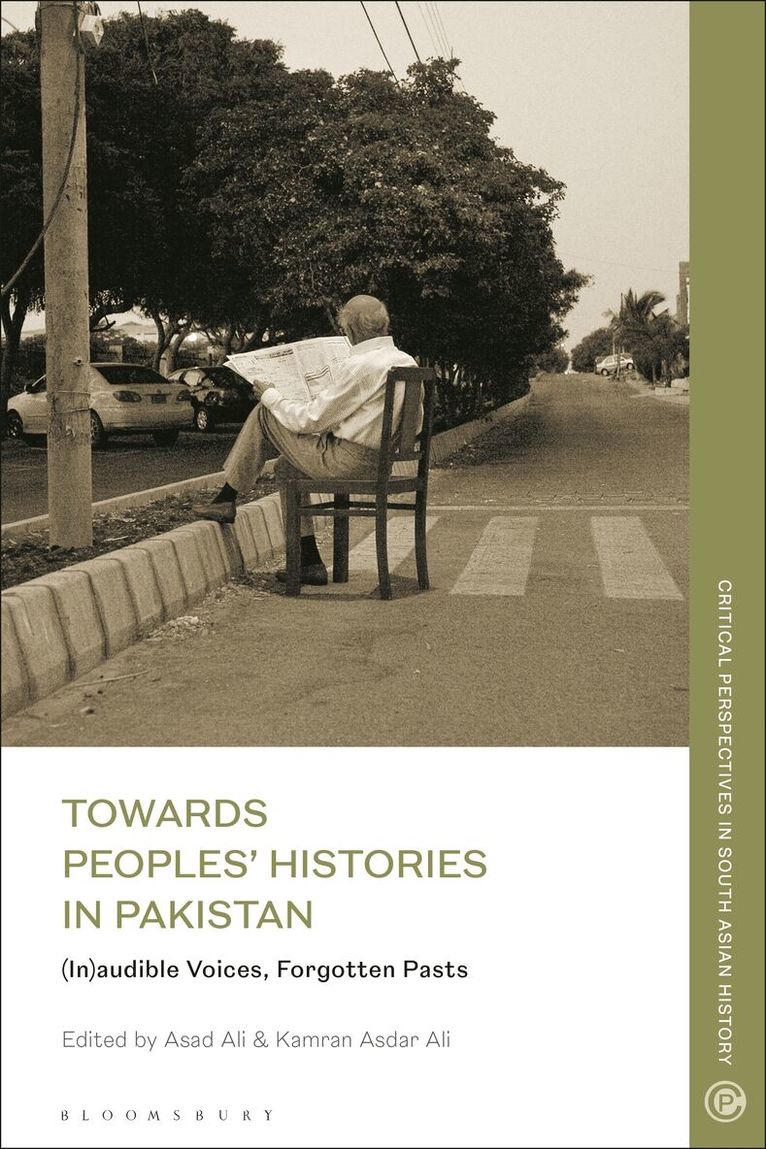
Towards Peoples' Histories in Pakistan
(In)audible Voices, Forgotten Pasts
Häftad, 2024
429 kr
Lägg i varukorg
After seventy-five years of independence, the history of Pakistan remains centered on the state, its ideology and the two-nation theory. Towards Peoples' Histories in Pakistan seeks to shift that focus away from histories of an imagined nation, to the history of its peoples. Based on the premise …
Communism in Pakistan
Politics and Class Activism 1947-1972
Inbunden, 2015
1849 kr
Lägg i varukorg
Pakistan today stands at a critical juncture in its short history of existence. While muchhas been written about Pakistan, little is known about Communism or left-leaning politicsin the country post-Partition which played a key role in shaping Pakistani politics today. KamranAsdar Ali here presents …