Kara Cooney – författare
Visar alla böcker från författaren Kara Cooney. Handla med fri frakt och snabb leverans.
5 produkter
5 produkter
283 kr
Skickas inom 3-6 vardagar
327 kr
Skickas inom 3-6 vardagar
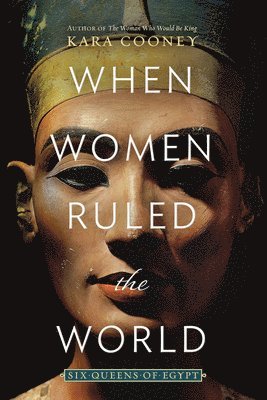
This riveting narrative explores the lives of six remarkable female pharaohs, from Hatshepsut to Cleopatra--women who ruled with real power--and shines a piercing light on our own perceptions of women in power today.Female rulers are a rare phenomenon--but thousands of years ago in ancient Egypt, women reigned supreme. Regularly, repeatedly, and with impunity, queens like Hatshepsut, Nefertiti, and Cleopatra controlled the totalitarian state as power-brokers and rulers. But throughout human history, women in positions of power were more often used as political pawns in a male-dominated society. What was so special about ancient Egypt that provided women this kind of access to the highest political office? What was it about these women that allowed them to transcend patriarchal obstacles? What did Egypt gain from its liberal reliance on female leadership, and could today's world learn from its example? Celebrated Egyptologist Kara Cooney delivers a fascinating tale of female power, exploring the reasons why it has seldom been allowed through the ages, and why we should care.
231 kr
Skickas inom 3-6 vardagar
This riveting narrative explores the lives of six remarkable female pharaohs, from Hatshepsut to Cleopatra--women who ruled with real power--and shines a piercing light on our own perceptions of women in power today.Female rulers are a rare phenomenon--but thousands of years ago in ancient Egypt, women reigned supreme. Regularly, repeatedly, and with impunity, queens like Hatshepsut, Nefertiti, and Cleopatra controlled the totalitarian state as power-brokers and rulers. But throughout human history, women in positions of power were more often used as political pawns in a male-dominated society. What was so special about ancient Egypt that provided women this kind of access to the highest political office? What was it about these women that allowed them to transcend patriarchal obstacles? What did Egypt gain from its liberal reliance on female leadership, and could today's world learn from its example? Celebrated Egyptologist Kara Cooney delivers a fascinating tale of female power, exploring the reasons why it has seldom been allowed through the ages, and why we should care.
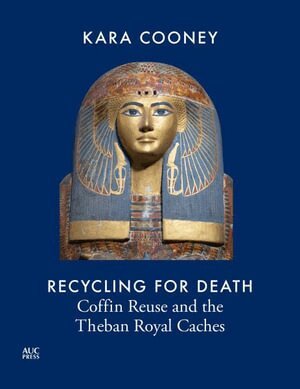
Recycling for Death
Coffin Reuse in Ancient Egypt and the Theban Royal Caches
Inbunden, Engelska, 2024
1 351 kr
Skickas inom 5-8 vardagar
“An absolute gem for specialists and students alike, abundantly illustrated in full color throughout, by an excellent scholar at the height of her powers."—David Aston, The Austrian Academy of Sciences, ViennaA meticulous study of the social, economic, and religious significance of coffin reuse and development during the Ramesside and early Third Intermediate periods, illustrated with over 900 imagesFunerary datasets are the chief source of social history in Egyptology, and the numerous tombs, coffins, Books of the Dead, and mummies of the Twentieth and Twenty-first Dynasties have not been fully utilized as social documents, mostly because the data of this time period is scattered and difficult to synthesize. This culmination of fifteen years of coffin study analyzes coffins and other funerary equipment of elites from the Nineteenth to the Twenty-second Dynasties to provide essential windows into social strategies and adaptations employed during the Bronze Age collapse and subsequent Iron Age reconsolidation.Many Twentieth to Twenty-second Dynasty coffins show evidence of reuse from other, older coffins, as well as obvious marks where gilding or inlay have been removed. Innovative vignettes painted onto coffin surfaces reflect new religious strategies and coping mechanisms within this time of crisis, while advances in mummification techniques reveal an Egyptian anxiety about long-term burial without coffins as a new style of stuffed and painted mummy was developed for the wealthy. It was in the context of necropolis insecurity, economic crisis, and group burial in reused and unpainted chambers that a complex, polychrome coffin style emerged.The first part of this book focuses on the theory and evidence of coffin reuse, contextualized within the social collapse that characterized the Twentieth and Twenty-first Dynasties. The second part presents photo essays of annotated visual data for over sixty Egyptian coffins from the so-called Royal Caches, most of them from the Egyptian Museum in Cairo.Illustrated throughout with high-quality images, the line drawings and color and black-and-white photographs are ideal for careful study, especially evidenced in the digital edition, where pages can be enlarged for close examination.
142 kr
Skickas
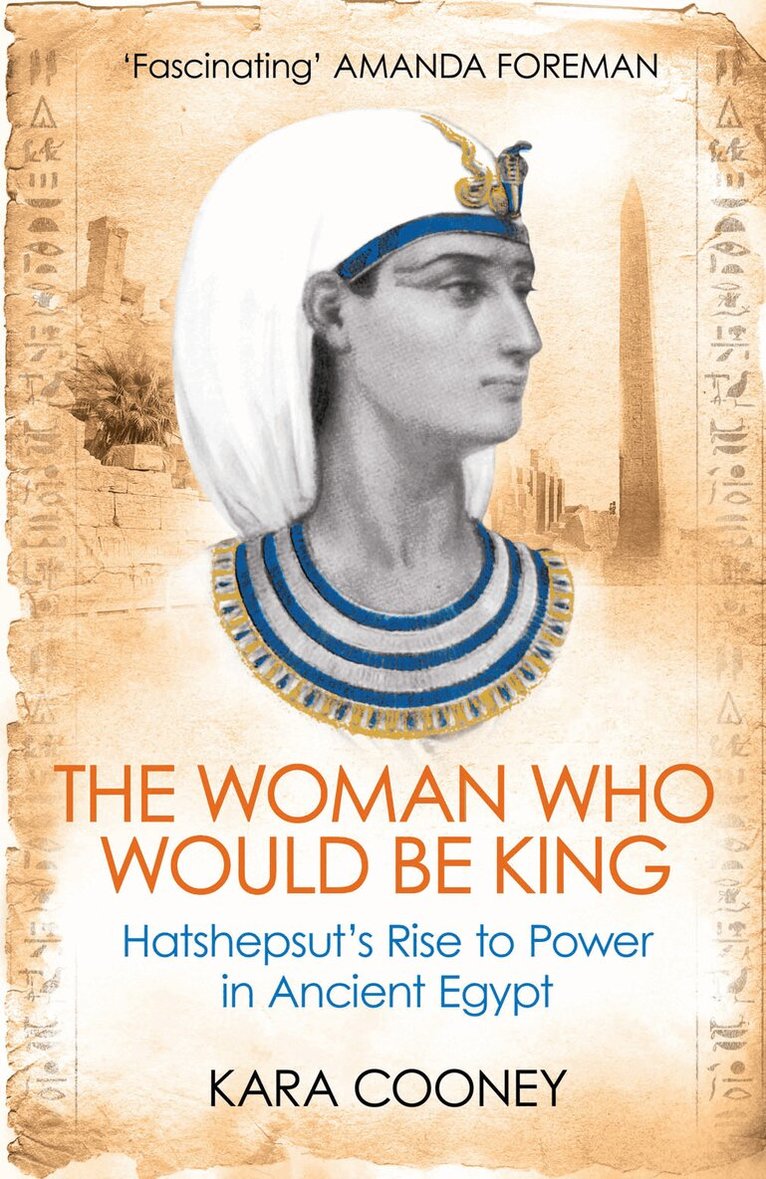
Discover the engrossing story of Ancient Egypt's longest-reigning female pharaoh and her audacious rise to power in a man’s world‘Hatshepsut’s story provides all the ingredients required of a modern bestseller… well-researched… hugely enjoyable.’ Mail on SundayHatshepsut, the daughter of a general who had usurped the throne of Egypt, was born into a privileged position within the royal household. Married off to her own brother, she was expected to bear sons who would legitimize the reign of her father’s family. But she failed to produce a male heir. Such was the twist of fate that paved the way for her own scarcely believable rule: she ascended to the throne as a ‘king’.Over a spectacular twenty-two-year reign, Hatshepsut proved herself a master strategist, cloaking her political power plays with a veil of piety and sexual reinvention. Just as women today face obstacles from a society that equates authority with masculinity, Hatshepsut had to operate the levers of a patriarchal system to emerge as Egypt’s second female pharaoh.Scholars have long speculated as to why her images were violently destroyed within a few decades of her death, all but erasing evidence of her rule. Constructing a rich narrative history using the sources that remain, noted Egyptologist Kara Cooney offers a remarkable interpretation of how Hatshepsut rapidly but methodically consolidated power – and why she fell from public favour just as quickly. The Woman Who Would Be King traces the unconventional life of a female pharaoh and explores our complicated reactions to women in power.‘With rigorous scholarship and a lively sense of sisterhood, Cooney retrieves Hatshepsut in her own times and liberates her as a woman for ours.’ The Times'Engrossing and compulsively readable.' TIME Magazine