Karel Balas - Böcker
Visar alla böcker från författaren Karel Balas. Handla med fri frakt och snabb leverans.
2 produkter
2 produkter
522 kr
Tillfälligt slut
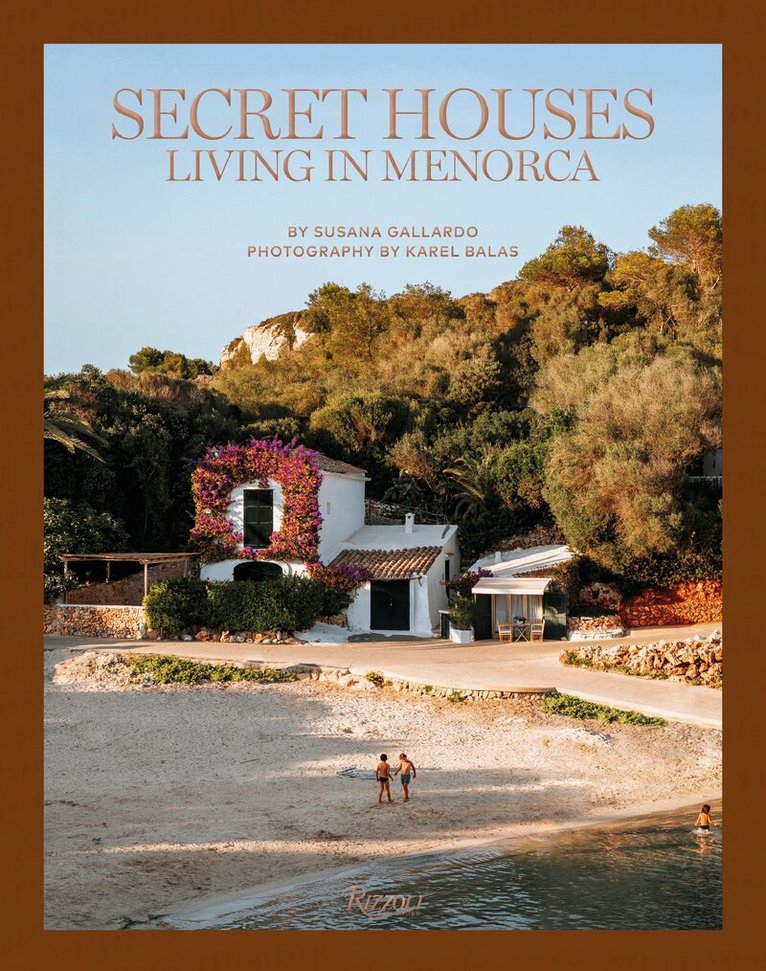
This exquisite volume showcases the signature bohemian-chic interiors and architecture of the Spanish island of Menorca offering a glimpse into the vacation retreats of the artists, creatives, and other sun-seeking spirits who escape to this paradisiacal place. Author Susana Gallardo accompanies readers through the gates of Menorca s most breathtaking private homes into a world of Mediterranean sophistication. From an Art Deco palace in the heart of Mahon, the island s capital, to charming fincas in the interior countryside and spectacular beach villas, these houses radiate Spanish style and spotlight the island s breezy lifestyle. With an eye for the Mediterranean light, Karel Balas beautifully captures the vibrancy of these lush locales in his photographs making this book inspirational for island and sunbelt lovers everywhere.
655 kr
Skickas inom 7-10 vardagar
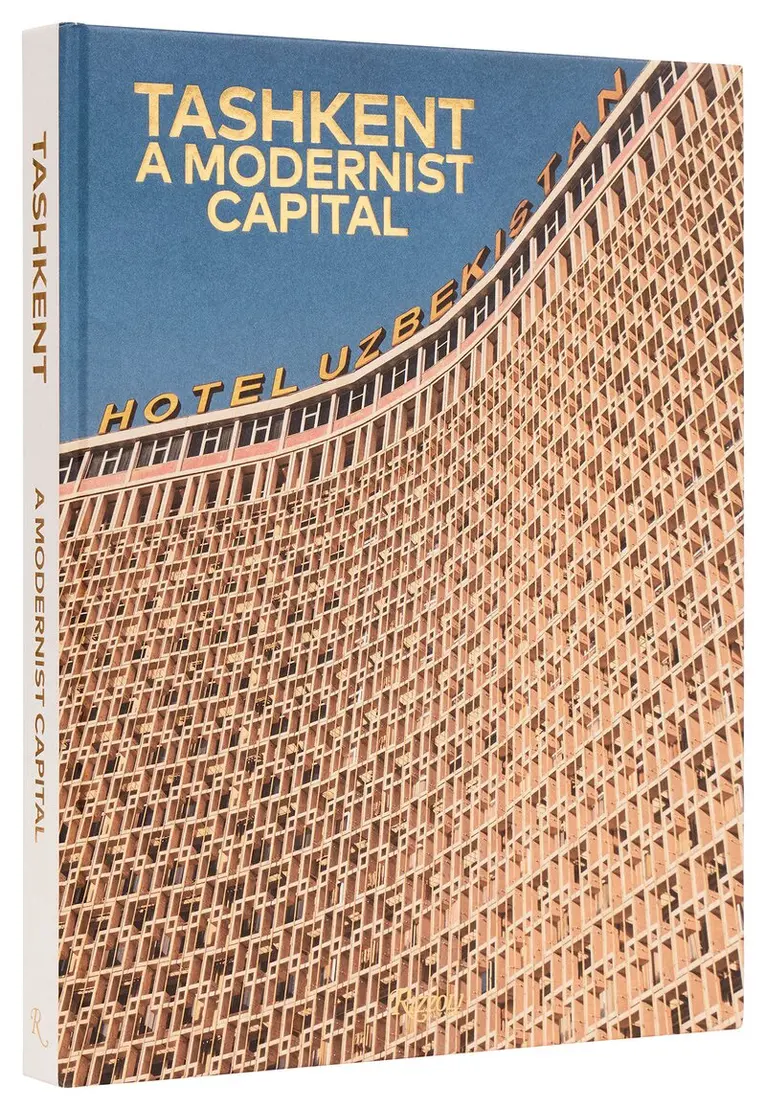
A shrine to Soviet modernist architecture, Tashkent is a rare jewel of modernism rediscovered in this book.Established sometime around the 1st or 2nd century BCE, Tashkent is the capital city of Uzbekistan and the largest metropolis in Central Asia benefiting from its historical role as geographic crossroads, its developed resources, and its thriving multiculturalism. Previous Soviet rule was established in 1917—which over six decades heralded transformations in Tashkent’s culture, identity, and, of course, its landscape and architecture.In this extraordinary volume, realized in collaboration with the Uzbekistan Art and Culture Development Foundation, photographer Karel Balas reveals the modernist architecture of Tashkent through a collection of never-before-seen photographs. Constructed between the 1960s and early ’90s, these buildings stand as powerful metaphors vis-à-vis Tashkent’s past and present, painting a picture of its rich cultural heritage. Part of the overlooked Soviet modernism movement, the expression of this new architectural style represents a vision and social function for the city as a whole—all the while connoting the specific character and modernization of Central Asia. Whether a 1964 cinema, the State Museum of the Arts, the 1970 Lenin Museum, or the striking Hotel Uzbekistan dated 1976, each structure tells a captivating story about one of the most enthralling cities on the Asian continent.