Béatrice Grenier - Böcker
Visar alla böcker från författaren Béatrice Grenier. Handla med fri frakt och snabb leverans.
4 produkter
4 produkter
465 kr
Skickas inom 7-10 vardagar
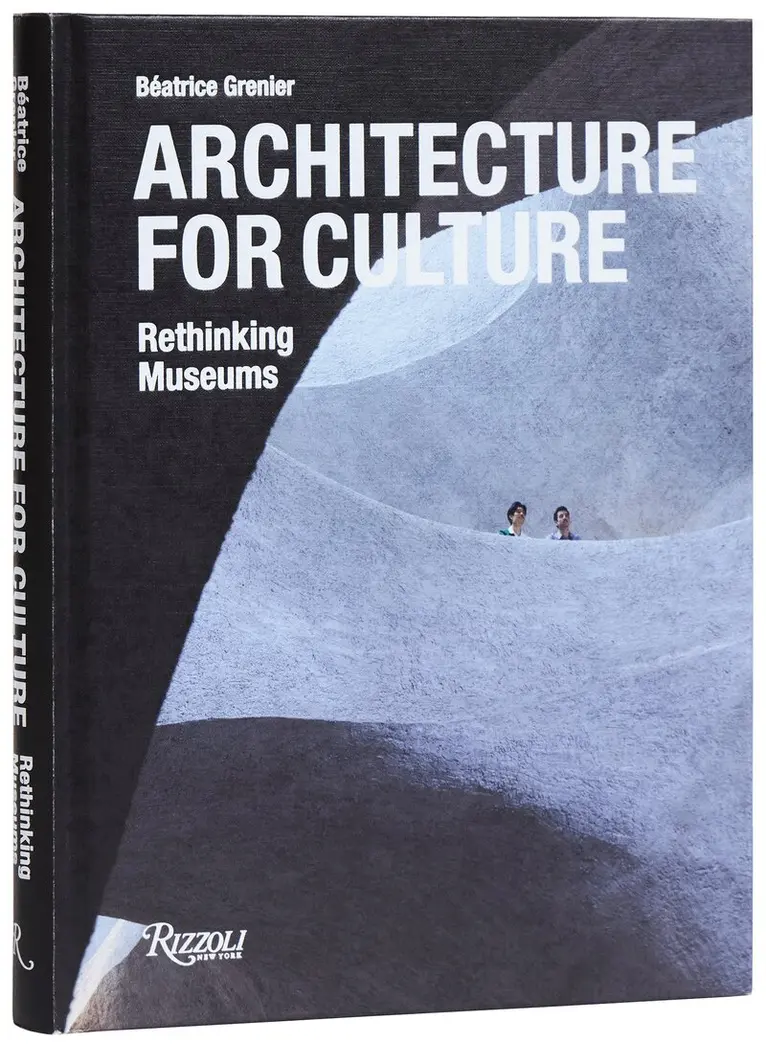
Architects have been reformulating the experience of the museum and art itself, transforming the museum s definition: The Louvre Abu Dhabi as a replica of a museum-city, inspired by Paris; the Guggenheim Museum and the Centre Pompidou as drive-through museums, shaped in an age when the car is a protagonist; the new wing of the American Museum of Natural History in New York reimagines the institution with organic forms, as a bridge over the philosophical divide between culture and nature; the Hangzhou National Archives of Publications and Culture is built as an imitation of an art piece, to be an immersive experience of history and culture; the upcoming Cartier Foundation in front of the Louvre in Paris, with its mobile giant platforms, expresses the needs for dynamic architecture to be the site of the invention of culture. Through this analysis, the museum of the twenty-first century emerges as the most important site of experimentation for architecture and art. The essential role of the museum as an enabler of a different kind of encyclopedia, as a necessary place in our cities in its potential to call into question the dichotomy between the urban and the wild, or as withholding a democratization potential in including new forms of technology as forms of knowledge and culture is catalyzed through architecture. Only through the museum can we understand what art is and what its growing role in our future urban environment might be.
606 kr
Skickas inom 7-10 vardagar
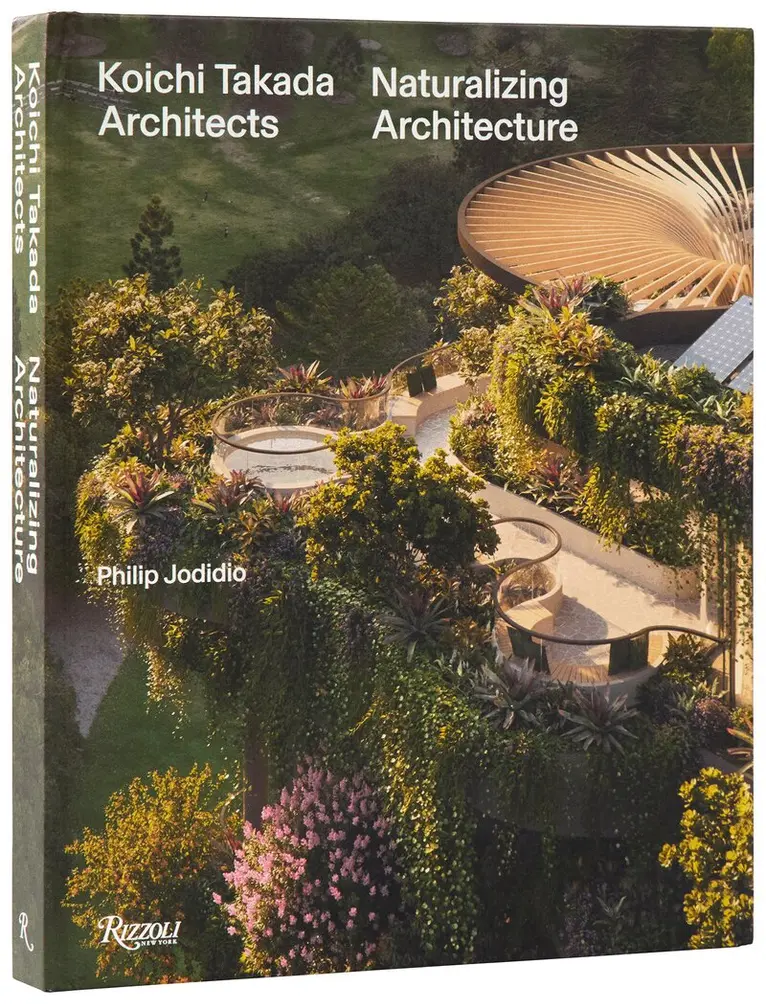
This volume presents a new collection of Takada s most recent projects, pushing further his continuing reflections on reconnecting the natural world with the built environment. Featuring breathtaking photography of his buildings and interiors, along with sketches and nature-inspired imagery, the book guides readers through Takada s global work and innovations. The climate positive residence Sunflower House in Italy has a rotating roof and floors to manage sun exposure and heat gain; the Landmark by Lexus pavilion in Melbourne has 1,000 native Australian plants growing on its facade that granted it a carbon neutral certification; the Palm Frond Retreat at Balmoral Beach in Australia is designed for the inhabitants to use different parts of the house depending on the season and time of day, creating positive impact within homes. Each project illustrates Takada s study of how the present ecological constrains weigh on the architectural design processes and how the reality of our densely built habitats changes the perception we have of buildings and cities, offering a compelling look at environmentally conscious architecture today and to the future evolution of the practice.
655 kr
Skickas inom 7-10 vardagar
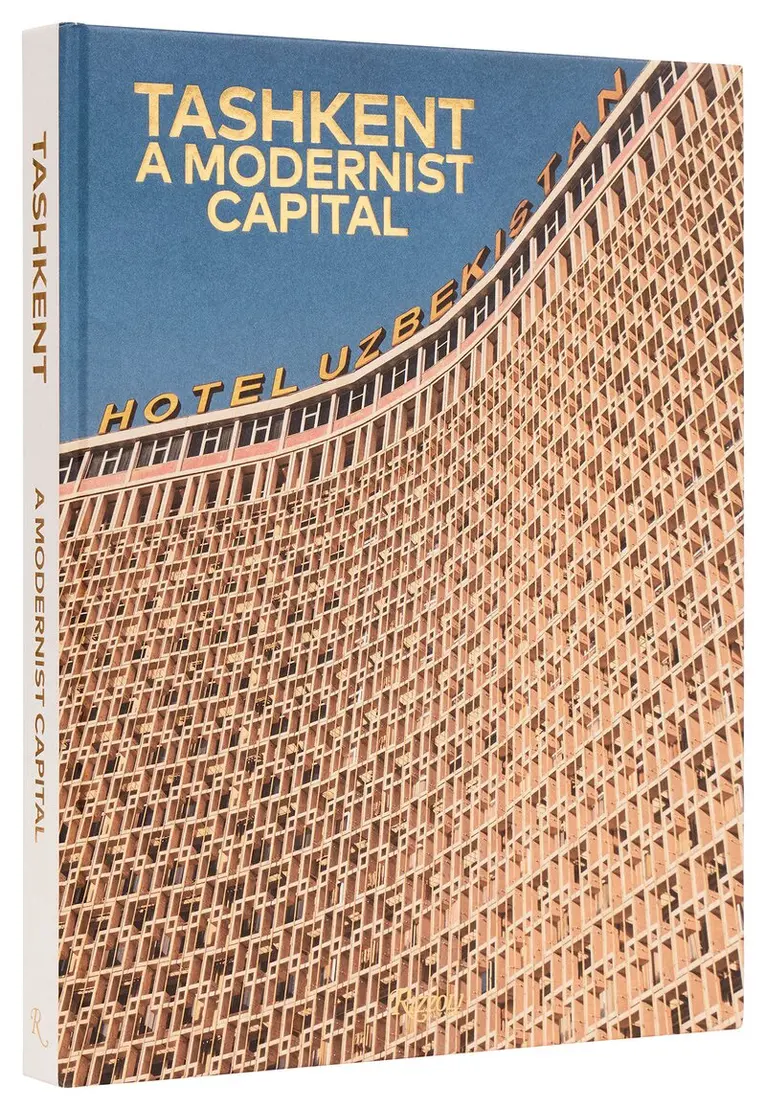
A shrine to Soviet modernist architecture, Tashkent is a rare jewel of modernism rediscovered in this book.Established sometime around the 1st or 2nd century BCE, Tashkent is the capital city of Uzbekistan and the largest metropolis in Central Asia benefiting from its historical role as geographic crossroads, its developed resources, and its thriving multiculturalism. Previous Soviet rule was established in 1917—which over six decades heralded transformations in Tashkent’s culture, identity, and, of course, its landscape and architecture.In this extraordinary volume, realized in collaboration with the Uzbekistan Art and Culture Development Foundation, photographer Karel Balas reveals the modernist architecture of Tashkent through a collection of never-before-seen photographs. Constructed between the 1960s and early ’90s, these buildings stand as powerful metaphors vis-à-vis Tashkent’s past and present, painting a picture of its rich cultural heritage. Part of the overlooked Soviet modernism movement, the expression of this new architectural style represents a vision and social function for the city as a whole—all the while connoting the specific character and modernization of Central Asia. Whether a 1964 cinema, the State Museum of the Arts, the 1970 Lenin Museum, or the striking Hotel Uzbekistan dated 1976, each structure tells a captivating story about one of the most enthralling cities on the Asian continent.
271 kr
Kommande
A programmatic manifesto and cultural proposal, New Natures: Planetary Museums reimagines the encyclopaedic museum for the 21st century. Beginning with Studio Gang’s speculative transformation of the Louvre in Paris, it dissolves the traditional boundaries between museum and ecosystem, culture and nature, city and planet. Other featured case studies include the Benjakitti Forest Park in Bangkok, designed by Yu Kongjan (China); the park of Luma Arles, designed by Bas Smets (Belgium); the Art Biotop Water Garden in Tochigi, designed by Junya Ishigami (Japan); and the Tidal Basin in Washington D.C., designed by Field Operations (USA).Written by French curator and writer Béatrice Grenier, architect Jeanne Gang, and Italian philosopher Emanuele Coccia, the book articulates the need for a new planetary encyclopaedia that encompasses ecological systems together with the geological, hydrological, and atmospheric forces that sustain them.Illustrated with some 50 images New Natures: Planetary Museums offers both a theoretical framework and a new cultural policy for a world shaped by climate crisis.