Karen Kampwirth - Böcker
Visar alla böcker från författaren Karen Kampwirth. Handla med fri frakt och snabb leverans.
10 produkter
10 produkter
422 kr
Skickas inom 7-10 vardagar
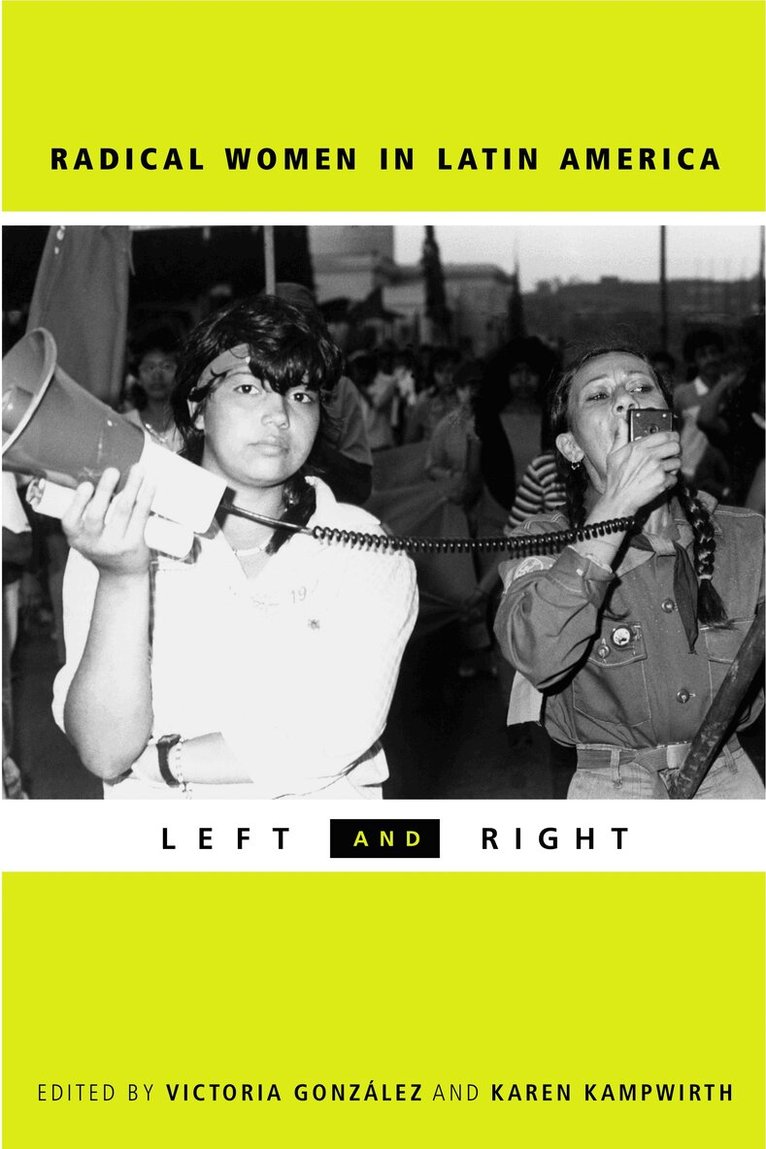
Radical Women in Latin America is a collection of original essays by scholars from a variety of disciplines—anthropology, history, and political science—on the political activism of women from both the left and the right. The stories of these radical women challenge traditional portrayals of men as violent and women as inherently peaceful. This volume forces us to confront the fact that there is no automatic sisterhood among women, even among those of the same class and ethnicity. At the same time, the essays show the similarities that can unite women across immense political divides.This book analyzes radical women’s actions and motivations through four interrelated themes—maternalism, feminism, autonomy, and coalitions between left- and right-wing women—in three Central American countries (Nicaragua, El Salvador, and Guatemala) and three South American countries (Argentina, Brazil, and Chile). The editors and contributors to this volume have done extensive and recent field research in Latin America.Radical Women in Latin America challenges both stereotypical views of Latin American women as easily manipulated and portrayals of women’s activism as inherently progressive. This book will make clear that women are capable of defining their own interests and their political identities, organizing autonomously, and even using violence, if they deem it necessary to pursue their goals.
424 kr
Skickas inom 7-10 vardagar
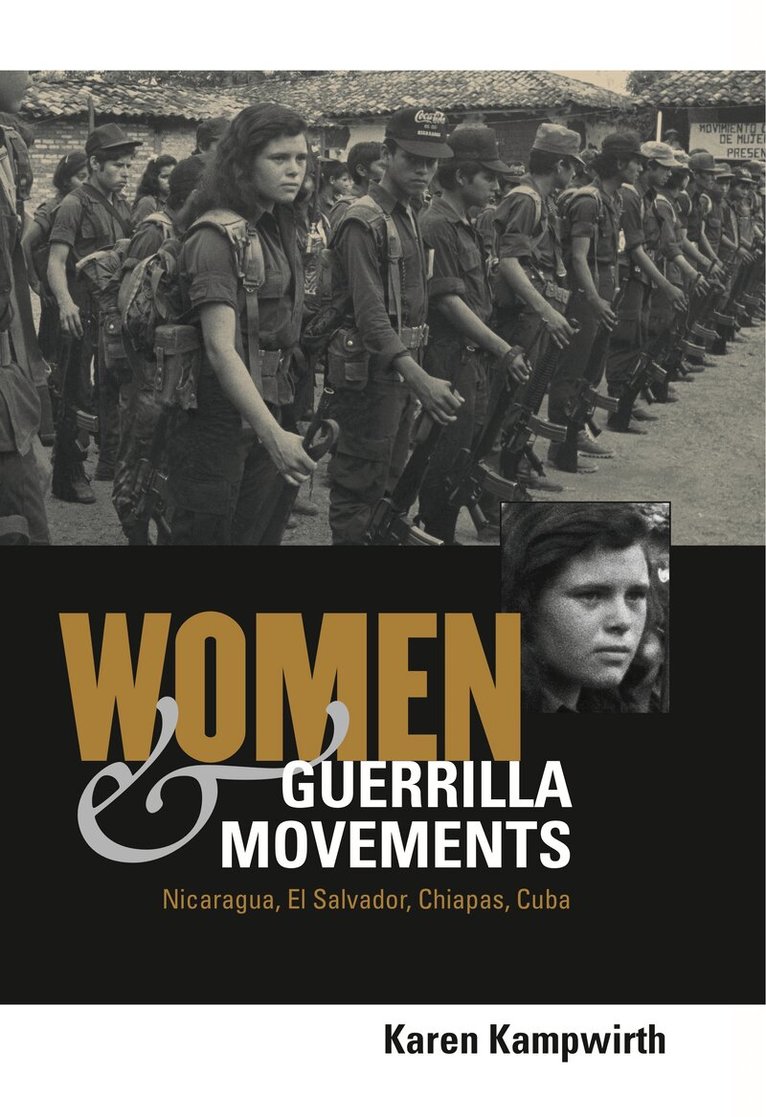
The revolutionary movements that emerged frequently in Latin America over the past century promoted goals that included overturning dictatorships, confronting economic inequalities, and creating what Cuban revolutionary hero Che Guevara called the "new man." But, in fact, many of the "new men" who participated in these movements were not men. Thousands of them were women. This book aims to show why a full understanding of revolutions needs to take account of gender. Karen Kampwirth writes here about the women who joined the revolutionary movements in Nicaragua, El Salvador, and the Mexican state of Chiapas, about how they became guerrillas, and how that experience changed their lives. In the last chapter she compares what happened in these countries with Cuba in the 1950s, where few women participated in the guerrilla struggle. Drawing on more than two hundred interviews, Kampwirth examines the political, structural, ideological, and personal factors that allowed many women to escape from the constraints of their traditional roles and led some to participate in guerrilla activities. Her emphasis on the experiences of revolutionaries adds a new dimension to the study of revolution, which has focused mainly on explaining how states are overthrown.
873 kr
Skickas inom 11-20 vardagar
In the first half of the twentieth century, classic populist leaders like the Peróns in Argentina and Vargas in Brazil sought to create direct, personal ties between themselves and their followers. At the same time, they incorporated large numbers of previously excluded people into the body politic. The resurgence of democracy in Latin America in the 1980s and 1990s brought with it two new waves of populism: first, the neopopulism of leaders like Salinas in Mexico and Fujimori in Peru, who promoted neoliberal solutions to the economic problems of the 1990s; and second, the radical populism of leaders like Chávez in Venezuela and Morales in Bolivia, who repudiated neoliberal policies in favor of some form of socialism in what has come to be called “the pink tide.” Many have studied populist movements, for they offer fascinating insights into Latin American history and politics. But until now there have been no book-length studies of the relationship between gender and populism throughout the region. The essays in Gender and Populism in Latin America analyze the role of masculinity and femininity in the political careers of figures ranging from Evita Perón to Hugo Chávez, considering the relationships among populism, democracy, authoritarianism, and feminism in Argentina, Bolivia, Brazil, Ecuador, Mexico, Nicaragua, Peru, and Venezuela.In addition to the editor, the contributors are Michael Conniff, Gioconda Espina, Sujatha Fernandes, Victoria González-Rivera, Karin Grammático, Jocelyn Olcott, Cathy A. Rakowski, Stéphanie Rousseau, Ximena Sosa-Buchholz, and Joel Wolfe. The Foreword is by Kurt Weyland.
457 kr
Skickas inom 7-10 vardagar
In the first half of the twentieth century, classic populist leaders like the Peróns in Argentina and Vargas in Brazil sought to create direct, personal ties between themselves and their followers. At the same time, they incorporated large numbers of previously excluded people into the body politic. The resurgence of democracy in Latin America in the 1980s and 1990s brought with it two new waves of populism: first, the neopopulism of leaders like Salinas in Mexico and Fujimori in Peru, who promoted neoliberal solutions to the economic problems of the 1990s; and second, the radical populism of leaders like Chávez in Venezuela and Morales in Bolivia, who repudiated neoliberal policies in favor of some form of socialism in what has come to be called “the pink tide.” Many have studied populist movements, for they offer fascinating insights into Latin American history and politics. But until now there have been no book-length studies of the relationship between gender and populism throughout the region. The essays in Gender and Populism in Latin America analyze the role of masculinity and femininity in the political careers of figures ranging from Evita Perón to Hugo Chávez, considering the relationships among populism, democracy, authoritarianism, and feminism in Argentina, Bolivia, Brazil, Ecuador, Mexico, Nicaragua, Peru, and Venezuela.In addition to the editor, the contributors are Michael Conniff, Gioconda Espina, Sujatha Fernandes, Victoria González-Rivera, Karin Grammático, Jocelyn Olcott, Cathy A. Rakowski, Stéphanie Rousseau, Ximena Sosa-Buchholz, and Joel Wolfe. The Foreword is by Kurt Weyland.
553 kr
Skickas inom 7-10 vardagar
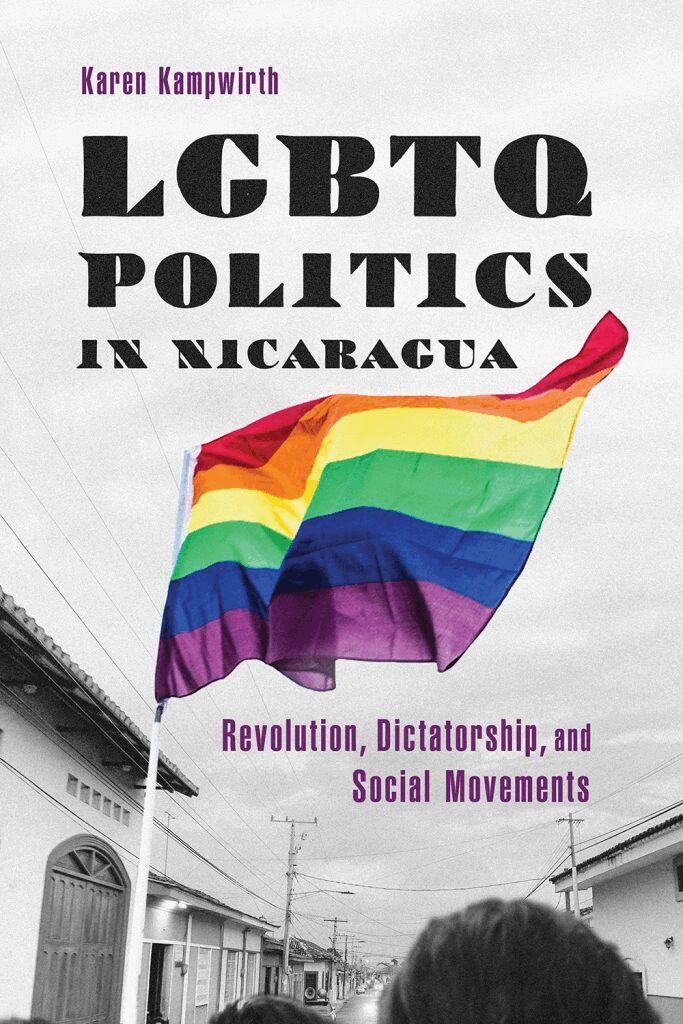
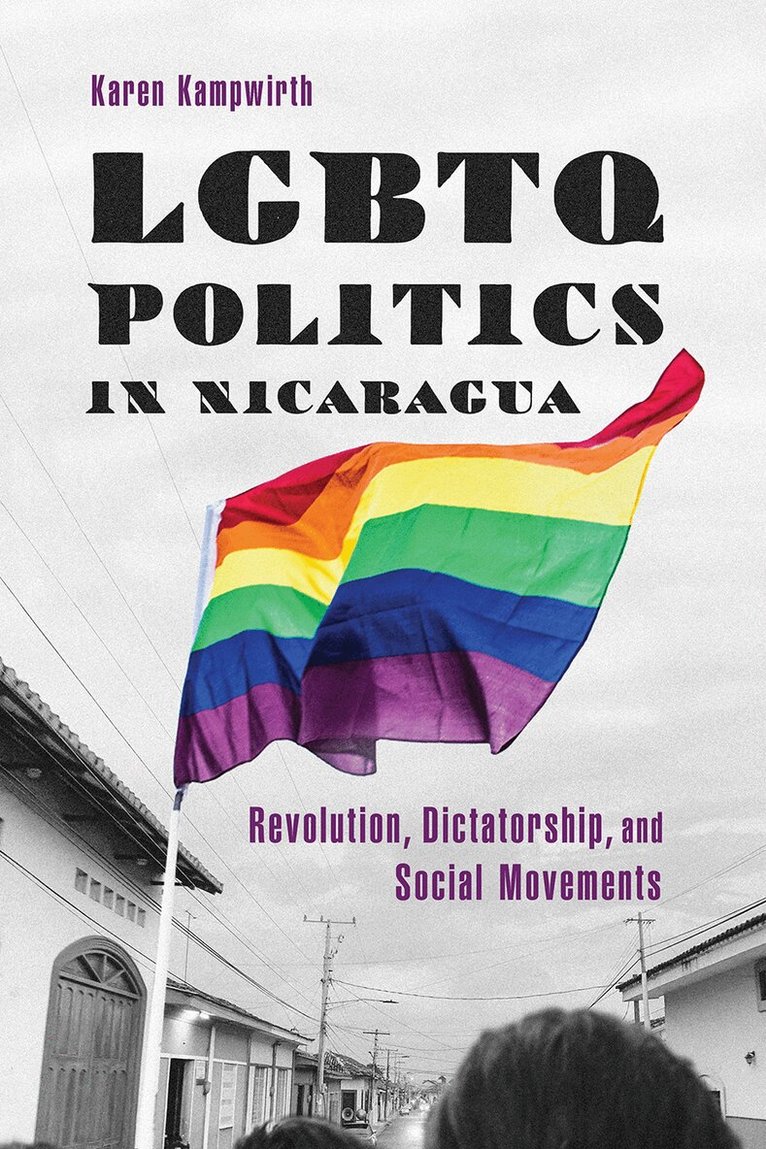
The modern political tumult of Nicaragua includes revolution, dictatorship, and social movements. LGBTQ Politics in Nicaragua explores the untold stories of the LGBTQ community of Nicaragua and its role in the recent political history of the country.Karen Kampwirth is a renowned scholar of the Nicaraguan Revolution, who has been writing at the intersection of gender and politics for decades. In this chronological telling of the last fifty years of political history in Nicaragua, Kampwirth deploys a critical new lens: understanding politics from the perspective of the country’s LGBTQ community. Kampwirth details the gay and lesbian guerrillas in the 1960s and 1970s, Nicaragua’s first openly gay television wizard in the 1980s, and the attempts by LGBTQ revolutionaries to create a civil rights movement and the subsequent squashing of that movement by the ruling Sandinista party. She analyzes the shifting political alliances, the rise of strong feminist and LGBTQ movements in Nicaragua, and the attempts by the administration of Daniel Ortega to co-opt and control these movements.Ultimately, this is a story of struggle and defeat, progress and joy. This timely book provides a well-documented review of LGBTQ politics in modern Nicaragua, helping us to see the Sandinista Revolution and its ongoing aftermath in a new light.
626 kr
Kommande
The modern political tumult of Nicaragua includes revolution, dictatorship, and social movements. LGBTQ Politics in Nicaragua explores the untold stories of the LGBTQ community of Nicaragua and its role in the recent political history of the country. Karen Kampwirth is a renowned scholar of the Nicaraguan Revolution, who has been writing at the intersection of gender and politics for decades. In this chronological telling of the last fifty years of political history in Nicaragua, Kampwirth deploys a critical new lens: understanding politics from the perspective of the country’s LGBTQ community. Kampwirth details the gay and lesbian guerrillas in the 1960s and 1970s, Nicaragua’s first openly gay television wizard in the 1980s, and the attempts by LGBTQ revolutionaries to create a civil rights movement and the subsequent squashing of that movement by the ruling Sandinista party. She analyzes the shifting political alliances, the rise of strong feminist and LGBTQ movements in Nicaragua, and the attempts by the administration of Daniel Ortega to co-opt and control these movements. Ultimately, this is a story of struggle and defeat, progress and joy. This timely book provides a well-documented review of LGBTQ politics in modern Nicaragua, helping us to see the Sandinista Revolution and its ongoing aftermath in a new light.
1 948 kr
Kommande
Murillo has been first lady of Nicaragua twice (1985–1990 and 2007–2017), vice president (2017–2025), and copresident (since February 2025). She also is a published poet who has been involved in Sandinista politics since the late 1960s. With her husband, Daniel Ortega, she was part of the movement that fought against the Somoza dictatorship and then against the Contra rebels. Particularly since returning to power in the twenty-first century, Ortega and Murillo have become increasingly authoritarian, ordering imprisonment, torture, and murder of their perceived opponents, which has pushed thousands into exile and caused millions to live in fear. Karen Kampwirth draws on interviews with those close to Murillo, archival sources, and Murillo’s own words to create a portrait of a woman who was willing to sacrifice her principles, family, and allies in her quest for power. Murillo’s story challenges many of our assumptions about womanhood and dictatorship. It is a cautionary tale of the female condition, and how, in their effort to push against that condition, some women make awful choices, with terrible consequences.
574 kr
Kommande
Murillo has been first lady of Nicaragua twice (1985–1990 and 2007–2017), vice president (2017–2025), and copresident (since February 2025). She also is a published poet who has been involved in Sandinista politics since the late 1960s. With her husband, Daniel Ortega, she was part of the movement that fought against the Somoza dictatorship and then against the Contra rebels. Particularly since returning to power in the twenty-first century, Ortega and Murillo have become increasingly authoritarian, ordering imprisonment, torture, and murder of their perceived opponents, which has pushed thousands into exile and caused millions to live in fear. Karen Kampwirth draws on interviews with those close to Murillo, archival sources, and Murillo’s own words to create a portrait of a woman who was willing to sacrifice her principles, family, and allies in her quest for power. Murillo’s story challenges many of our assumptions about womanhood and dictatorship. It is a cautionary tale of the female condition, and how, in their effort to push against that condition, some women make awful choices, with terrible consequences.
353 kr
Skickas inom 10-15 vardagar
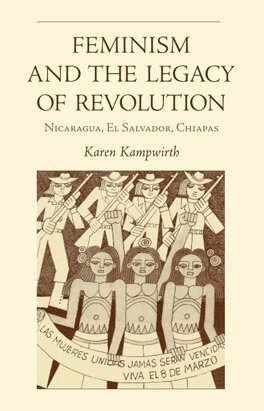
In many Latin American countries, guerrilla struggle and feminism have been linked in surprising ways. Women were mobilized by the thousands to promote revolutionary agendas that had little to do with increasing gender equality. They ended up creating a uniquely Latin American version of feminism that combined revolutionary goals of economic equality and social justice with typically feminist aims of equality, nonviolence, and reproductive rights.Drawing on more than two hundred interviews with women in Nicaragua, El Salvador, and the Mexican state of Chiapas, Karen Kampwirth tells the story of how the guerrilla wars led to the rise of feminism, why certain women became feminists, and what sorts of feminist movements they built. Feminism and the Legacy of Revolution: Nicaragua, El Salvador, Chiapas explores how the violent politics of guerrilla struggle could be related to the peaceful politics of feminism. It considers the gains, losses, and internal conflicts within revolutionary women's organizations.Feminism and the Legacy of Revolution challenges old assumptions regarding revolutionary movements and the legacy of those movements for the politics of daily life. It will appeal to a broad, interdisciplinary audience in political science, sociology, anthropology, women's studies, and Latin American studies as well as to general readers with an interest in international feminism.
540 kr
Skickas inom 10-15 vardagar
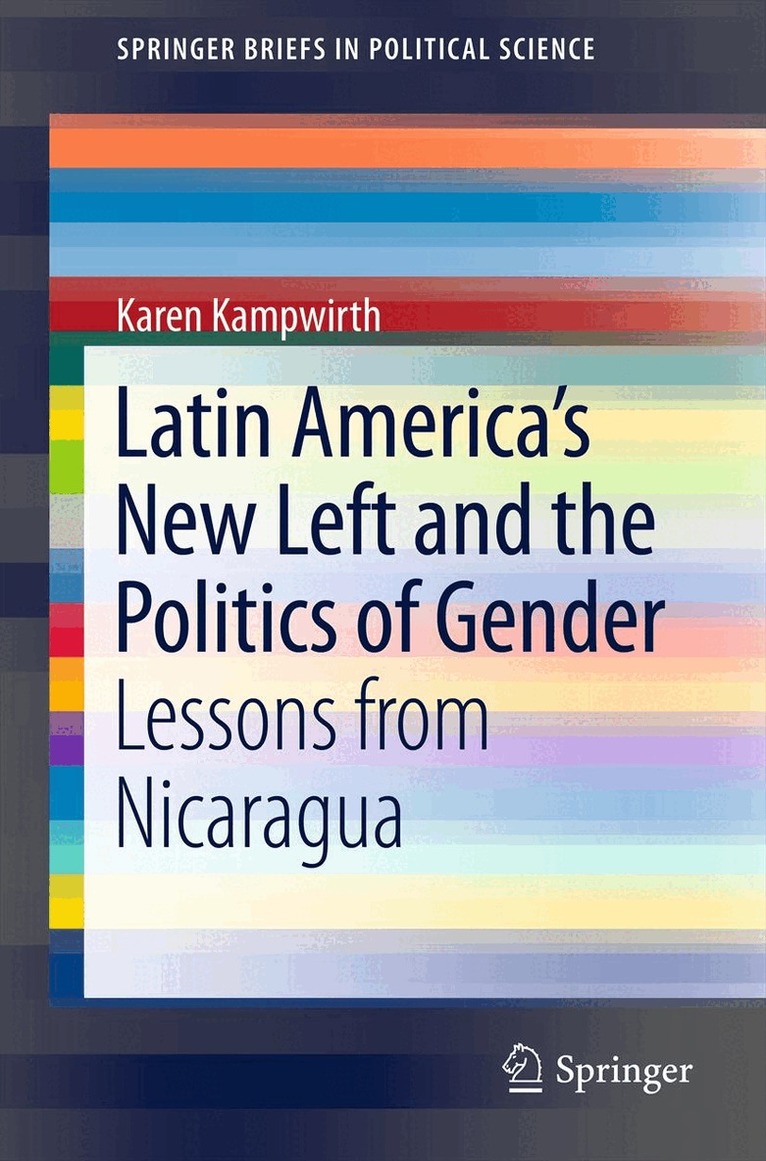
The majority of Latin Americans now live in countries that are governed by democratically elected governments on the political left, which is unprecedented in that region. This book analyzes this occurrence by asking a question that up until now has been largely ignored in the literature on the contemporary Latin American left: to what extent have these governments governed with, and promoting the interests of, the women's movements that are an important part of their base of support? This question is examined by focusing on a critical case that is rarely analyzed in the literature on the new Latin American left, the case of Nicaragua. The broader implications for Latin America will be shown, making this book of interest to researchers and graduate students in Latin American studies as well as gender studies and political science.