Victoria González-Rivera - Böcker
Visar alla böcker från författaren Victoria González-Rivera. Handla med fri frakt och snabb leverans.
4 produkter
4 produkter
415 kr
Skickas inom 7-10 vardagar
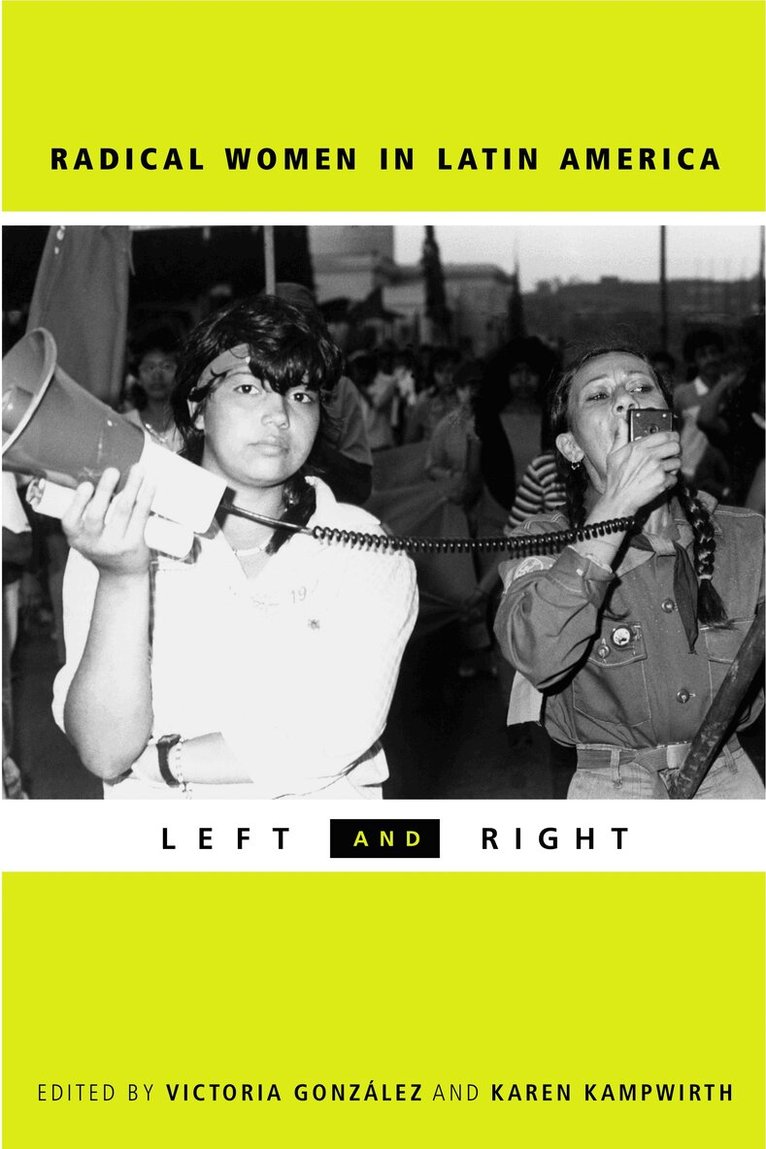
Radical Women in Latin America is a collection of original essays by scholars from a variety of disciplines—anthropology, history, and political science—on the political activism of women from both the left and the right. The stories of these radical women challenge traditional portrayals of men as violent and women as inherently peaceful. This volume forces us to confront the fact that there is no automatic sisterhood among women, even among those of the same class and ethnicity. At the same time, the essays show the similarities that can unite women across immense political divides.This book analyzes radical women’s actions and motivations through four interrelated themes—maternalism, feminism, autonomy, and coalitions between left- and right-wing women—in three Central American countries (Nicaragua, El Salvador, and Guatemala) and three South American countries (Argentina, Brazil, and Chile). The editors and contributors to this volume have done extensive and recent field research in Latin America.Radical Women in Latin America challenges both stereotypical views of Latin American women as easily manipulated and portrayals of women’s activism as inherently progressive. This book will make clear that women are capable of defining their own interests and their political identities, organizing autonomously, and even using violence, if they deem it necessary to pursue their goals.
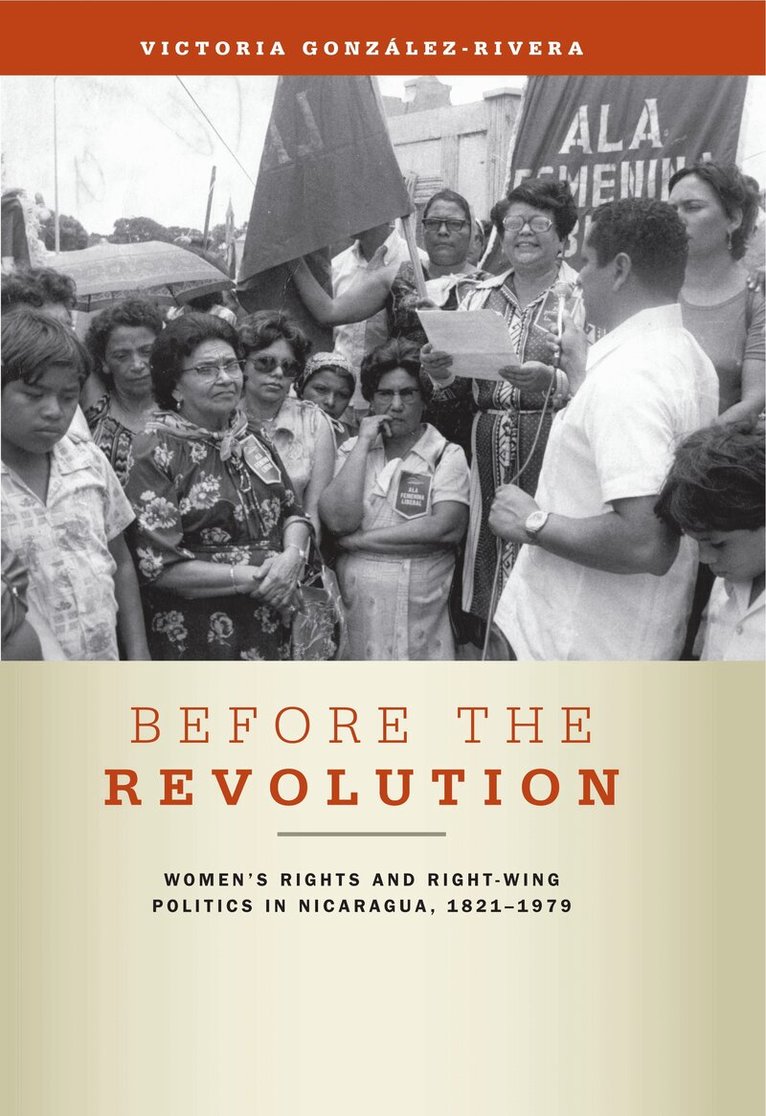
Before the Revolution
Women's Rights and Right-Wing Politics in Nicaragua, 1821–1979
Häftad, Engelska, 2011
502 kr
Skickas inom 5-8 vardagar
Those who survived the brutal dictatorship of the Somoza family have tended to portray the rise of the women’s movement and feminist activism as part of the overall story of the anti-Somoza resistance. But this depiction of heroic struggle obscures a much more complicated history. As Victoria González-Rivera reveals in this book, some Nicaraguan women expressed early interest in eliminating the tyranny of male domination, and this interest grew into full-fledged campaigns for female suffrage and access to education by the 1880s. By the 1920s a feminist movement had emerged among urban, middle-class women, and it lasted for two more decades until it was eclipsed in the 1950s by a nonfeminist movement of mainly Catholic, urban, middle-class and working-class women who supported the liberal, populist, patron-clientelistic regime of the Somozas in return for the right to vote and various economic, educational, and political opportunities. Counterintuitively, it was actually the Somozas who encouraged women's participation in the public sphere (as long as they remained loyal Somocistas). Their opponents, the Sandinistas and Conservatives, often appealed to women through their maternal identity. What emerges from this fine-grained analysis is a picture of a much more complex political landscape than that portrayed by the simplifying myths of current Nicaraguan historiography, and we can now see why and how the Somoza dictatorship did not endure by dint of fear and compulsion alone.
656 kr
Skickas inom 7-10 vardagar
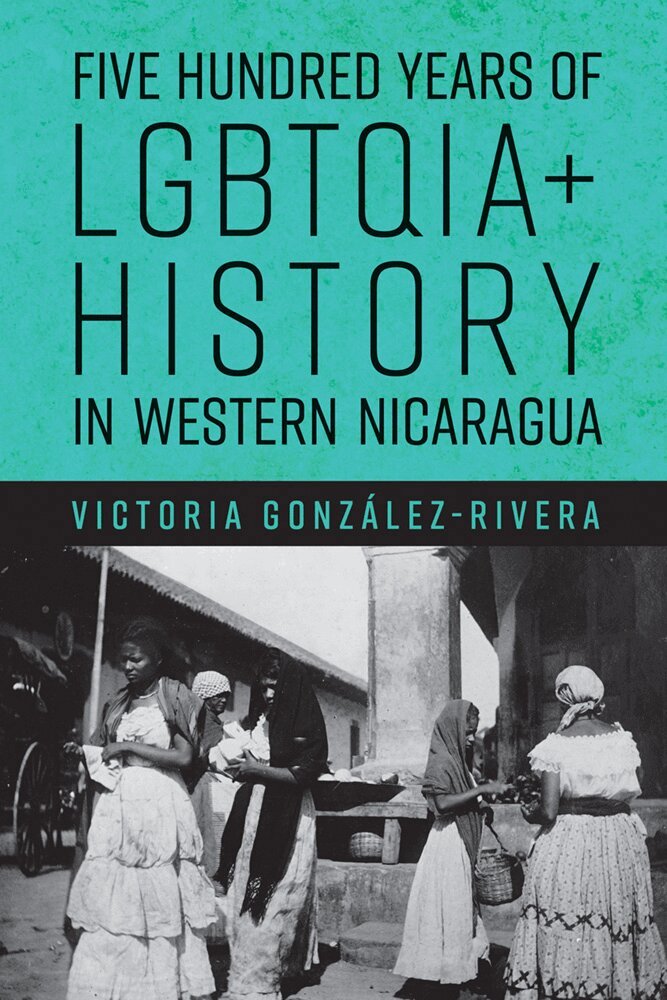
This groundbreaking book reframes five hundred years of western Nicaraguan history by giving gender and sexuality the attention they deserve. Victoria GonzÁlez-Rivera decenters nationalist narratives of triumphant mestizaje and argues that western Nicaragua’s LGBTQIA+ history is a profoundly Indigenous one.In this expansive history, GonzÁlez-Rivera documents connections between Indigeneity, local commerce, and femininity (cis and trans), demonstrating the long history of LGBTQIA+ Nicaraguans. She sheds light on historical events, such as Andres Caballero’s 1536 burning at the stake for sodomy. GonzÁlez-Rivera discusses how elite efforts after independence to “modernize” open-air markets led to increased surveillance of LGBTQIA+ working-class individuals. She also examines the 1960s and the Somoza dictatorship, when another wave of persecution emerged, targeting working-class gay men and trans women, leading to a more stringent anti-sodomy law.The centuries prior to the post-1990 political movement for greater LGBTQIA+ rights demonstrate that, far from being marginal, LGBTQIA+ Nicaraguans have been active in every area of society for hundreds of years.
626 kr
Kommande
This groundbreaking book reframes five hundred years of western Nicaraguan history by giving gender and sexuality the attention they deserve. Victoria González-Rivera decenters nationalist narratives of triumphant mestizaje and argues that western Nicaragua’s LGBTQIA history is a profoundly Indigenous one. In this expansive history, González-Rivera documents connections between Indigeneity, local commerce, and femininity (cis and trans), demonstrating the long history of LGBTQIA Nicaraguans. She sheds light on historical events, such as Andres Caballero’s 1536 burning at the stake for sodomy. González-Rivera discusses how elite efforts after independence to “modernize” open-air markets led to increased surveillance of LGBTQIA working-class individuals. She also examines the 1960s and the Somoza dictatorship, when another wave of persecution emerged, targeting working-class gay men and trans women, leading to a more stringent anti-sodomy law. The centuries prior to the post-1990 political movement for greater LGBTQIA rights demonstrate that, far from being marginal, LGBTQIA Nicaraguans have been active in every area of society for hundreds of years.