Karen L. Cox - Böcker
Visar alla böcker från författaren Karen L. Cox. Handla med fri frakt och snabb leverans.
10 produkter
10 produkter
282 kr
Skickas inom 10-15 vardagar
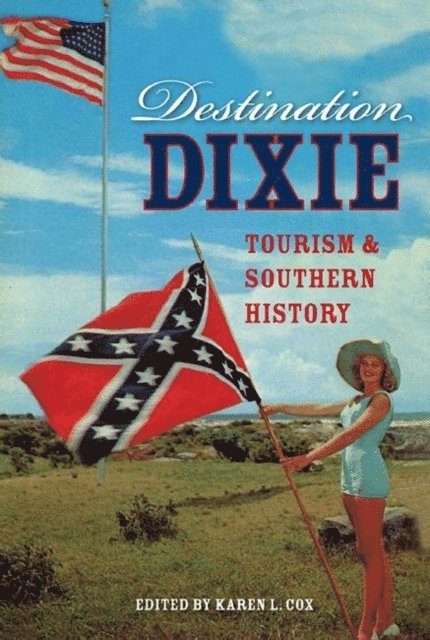
Once upon a time, it was impossible to drive through the South without coming across signs to ""See Rock City"" or similar tourist attractions. From battlegrounds to birthplaces, and sites in between, heritage tourism has always been part of how the South attracts visitors and defines itself, yet such sites are often understudied in the scholarly literature.As the contributors to this volume make clear, the narrative of southern history told at these sites is often complicated by race, influenced by local politics, and shaped by competing memories. Included are essays on the meanings of New Orleans cemeteries; Stone Mountain, Georgia; historic Charleston, South Carolina; Yorktown National Battlefield; Selma, Alabama, as locus of the civil rights movement; and the homes of Mark Twain, Margaret Mitchell, and other notables.Destination Dixie reveals that heritage tourism in the South is about more than just marketing destinations and filling hotel rooms; it cuts to the heart of how southerners seek to shape their identity and image for a broader touring public now often made up of northerners and southerners alike.
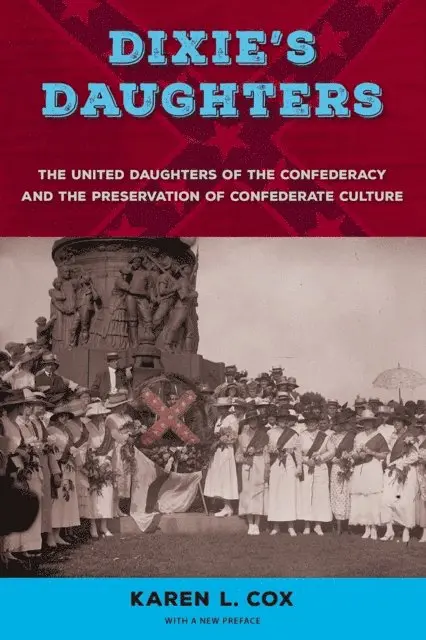
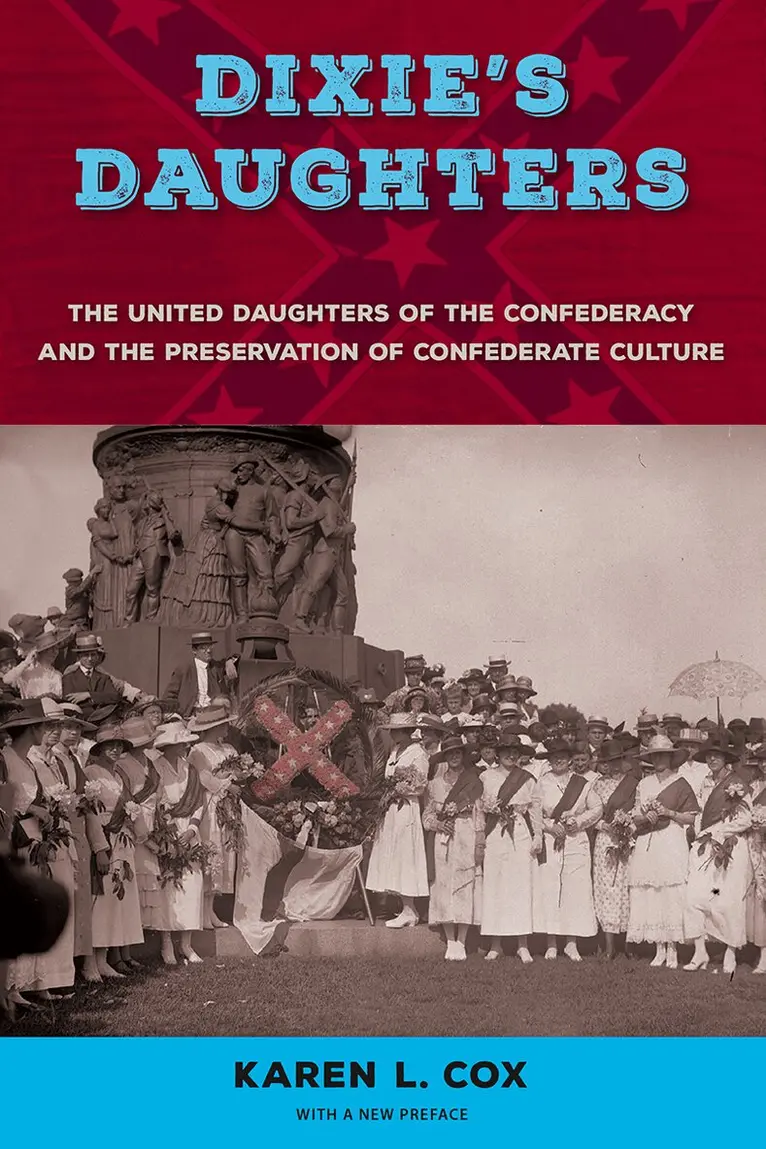
Dixie's Daughters
The United Daughters of the Confederacy and the Preservation of Confederate Culture
Häftad, Engelska, 2019
268 kr
Skickas inom 10-15 vardagar
Even without the right to vote, members of the United Daughters of the Confederacy proved to have enormous social and political influence throughout the South--all in the name of preserving Confederate culture. Karen L. Cox's history of the UDC, an organization founded in 1894 to vindicate the Confederate generation and honor the Lost Cause, shows why myths surrounding the Confederacy continue to endure.
275 kr
Skickas inom 3-6 vardagar
Nine killed in Charleston church shooting. White supremacists demonstrate in Charlottesville. Monuments decommissioned in New Orleans and Chapel Hill. The headlines keep coming, and the debate rolls on. How should we contend with our troubled history as a nation? What is the best way forward?This first book in UGA Press’s History in the Headlines series offers a rich discussion between four leading scholars who have studied the history of Confederate memory and memorialization. Through this dialogue, we see how historians explore contentious topics and provide historical context for students and the broader public. Confederate Statues and Memorialization artfully engages the past and its influence on present racial and social tensions in an accessible format for students and interested general readers.Following the conversation, the book includes a “Top Ten” set of essays and articles that everyone should read to flesh out their understanding of this contentious, sometimes violent topic. The book closes with an extended list of recommended reading, offering readers specific suggestions for pursuing other voices and points of view.
326 kr
Skickas inom 5-8 vardagar
163 kr
Skickas inom 5-8 vardagar
620 kr
Skickas inom 5-8 vardagar
378 kr
Skickas inom 10-15 vardagar
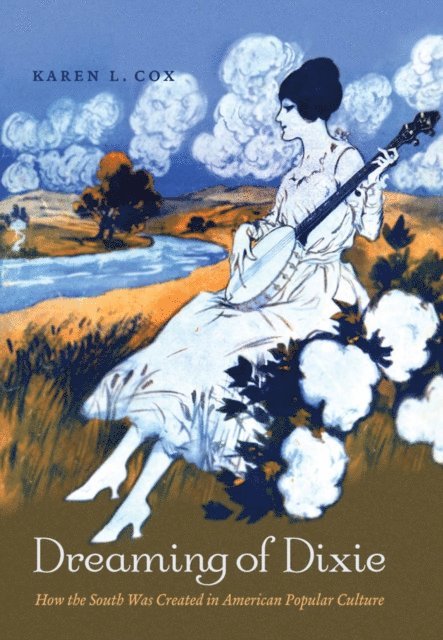
From the late nineteenth century through World War II, popular culture portrayed the American South as a region ensconced in its antebellum past, draped in moonlight and magnolias, and represented by such southern icons as the mammy, the belle, the chivalrous planter, white-columned mansions, and even bolls of cotton. In Dreaming of Dixie , Karen Cox shows that the chief purveyors of this constructed nostalgia for the Old South were outsiders of the region, especially advertising agencies, musicians, publishers, radio personalities, writers, and filmmakers playing to consumers' anxiety about modernity by marketing the South as a region still dedicated to America's pastoral traditions. Cox examines how southerners themselves embraced the imaginary romance of the region's past, particularly in the tourist trade as southern states and cities sought to capitalize on popular perceptions by showcasing their Old South heritage. Only when television emerged as the most influential medium of popular culture did views of the South begin to change, as news coverage of the civil rights movement brought images of violence, protest, and conflict in the South into people's living rooms. Until then, Cox argues, most Americans remained content with their romantic vision of Dixie. |Cox shows that the chief purveyors of nostalgia for the Old South were outsiders of the region, playing to consumers' anxiety about modernity by marketing the South as a region still dedicated to America's pastoral traditions. Cox examines how southerners themselves embraced the imaginary romance of the region's past.
274 kr
Skickas inom 3-6 vardagar
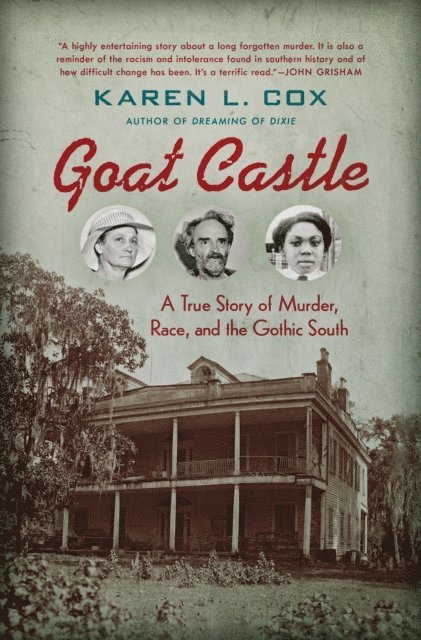
In 1932, the city of Natchez, Mississippi, reckoned with an unexpected influx of journalists and tourists as the lurid story of a local murder was splashed across headlines nationwide. Two eccentrics, Richard Dana and Octavia Dockery - known in the press as the "Wild Man" and the "Goat Woman" - enlisted an African American man named George Pearls to rob their reclusive neighbor, Jennie Merrill, at her estate. During the attempted robbery, Merrill was shot and killed. The crime drew national coverage when it came to light that Dana and Dockery, the alleged murderers, shared their huge, decaying antebellum mansion with their goats and other livestock, which prompted journalists to call the estate "Goat Castle." Pearls was killed by an Arkansas policeman in an unrelated incident before he could face trial. However, as was all too typical in the Jim Crow South, the white community demanded "justice," and an innocent black woman named Emily Burns was ultimately sent to prison for the murder of Merrill. Dana and Dockery not only avoided punishment but also lived to profit from the notoriety of the murder by opening their derelict home to tourists.Strange, fascinating, and sobering, Goat Castle tells the story of this local feud, killing, investigation, and trial, showing how a true crime tale of fallen southern grandeur and murder obscured an all too familiar story of racial injustice.
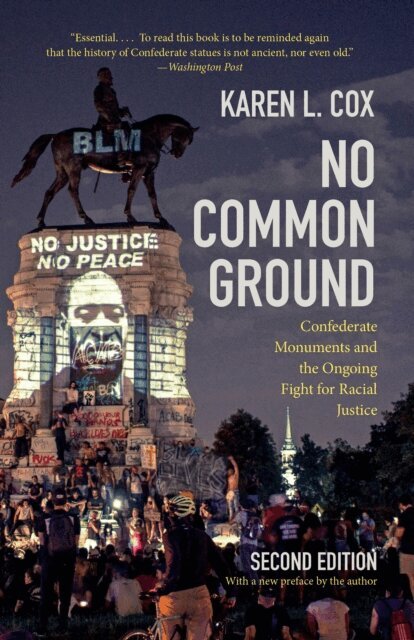
No Common Ground
Confederate Monuments and the Ongoing Fight for Racial Justice
Inbunden, Engelska, 2021
264 kr
Skickas inom 7-10 vardagar
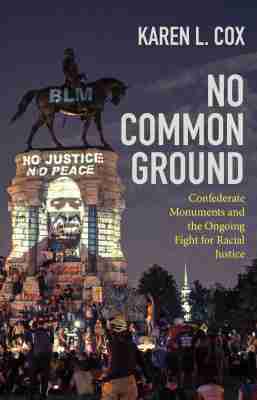
When it comes to Confederate monuments, there is no common ground. Polarizing debates over their meaning have intensified into legislative maneuvering to preserve the statues, legal battles to remove them, and rowdy crowds taking matters into their own hands. These conflicts have raged for well over a century--but they've never been as intense as they are today. In this eye-opening narrative of the efforts to raise, preserve, protest, and remove Confederate monuments, Karen L. Cox depicts what these statues meant to those who erected them and how a movement arose to force a reckoning. She lucidly shows the forces that drove white southerners to construct beacons of white supremacy, as well as the ways that antimonument sentiment, largely stifled during the Jim Crow era, returned with the civil rights movement and gathered momentum in the decades after the Voting Rights Act of 1965. Monument defenders responded with gerrymandering and "heritage" laws intended to block efforts to remove these statues, but hard as they worked to preserve the Lost Cause vision of southern history, civil rights activists, Black elected officials, and movements of ordinary people fought harder to take the story back. Timely, accessible, and essential, No Common Ground is the story of the seemingly invincible stone sentinels that are just beginning to fall from their pedestals.
197 kr
Skickas inom 7-10 vardagar
When it comes to Confederate monuments, there is no common ground. Debates over their meaning have sparked legislative battles, courtroom fights, and public protests that sometimes turn destructive. These conflicts have persisted for over a century, but never with today’s intensity. In No Common Ground, historian Karen L. Cox examines the rise, preservation, and contestation of Confederate monuments. She explores what these statues meant to their builders and how movements arose to challenge them. Cox traces the forces behind symbols of white supremacy and how antimonument sentiment—suppressed during the Jim Crow era—reemerged with the civil rights movement and grew after the Voting Rights Act of 1965. Monument defenders used gerrymandering and heritage laws to block removals, while civil rights activists fought to reclaim public space and history. This second edition includes a new preface tracing developments in the monument conflict since 2020—from George Floyd’s murder to the removals, legal battles, and federal actions that followed—revealing a nation still divided, with no common ground in sight.