Karen Michele Chandler - Böcker
Visar alla böcker från författaren Karen Michele Chandler. Handla med fri frakt och snabb leverans.
4 produkter
4 produkter
598 kr
Skickas inom 10-15 vardagar
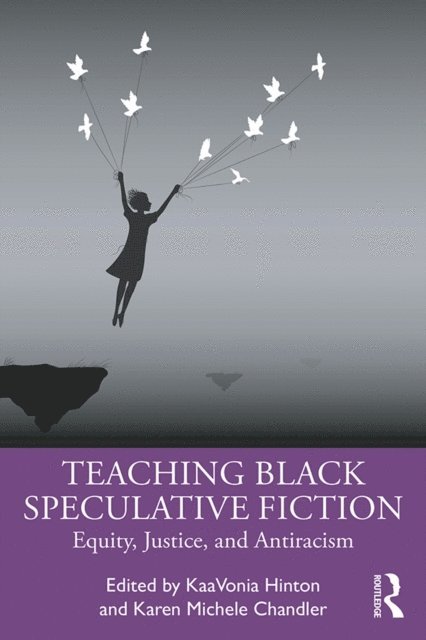
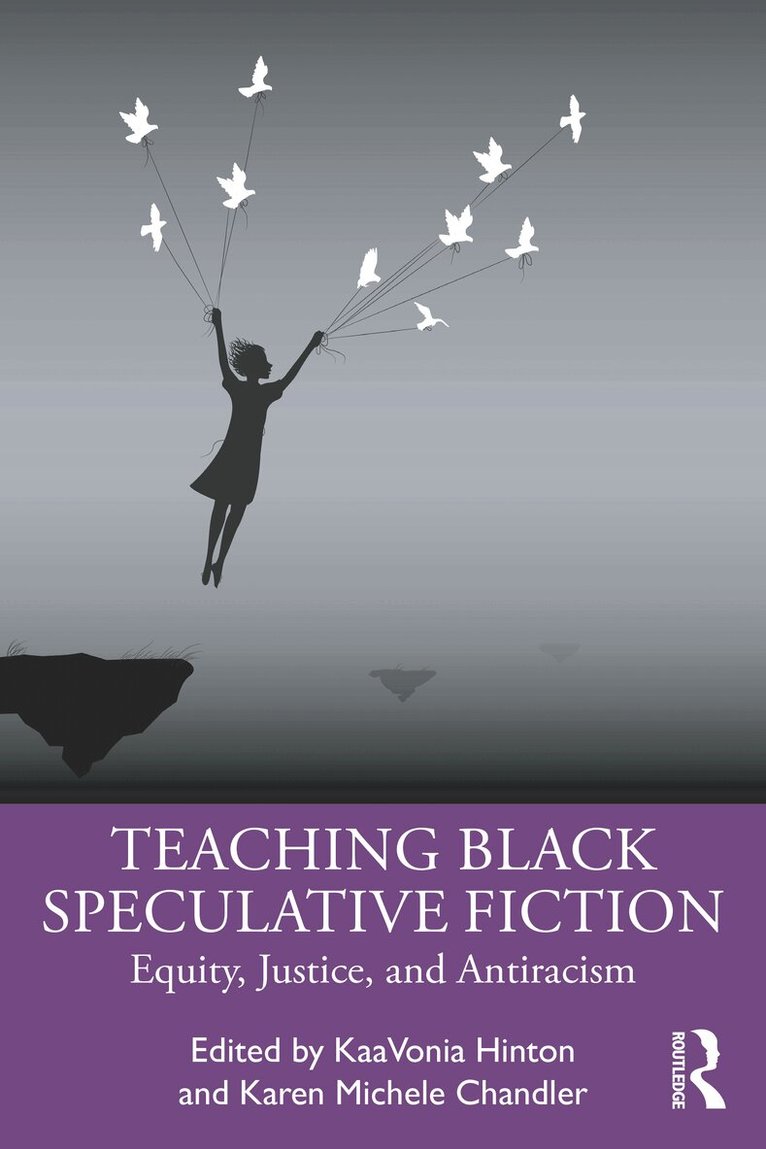
Teaching Black Speculative Fiction: Equity, Justice, and Antiracism edited by KaaVonia Hinton and Karen Michele Chandler offers innovative approaches to teaching Black speculative fiction (e.g., science fiction, fantasy, horror) in ways that will inspire middle and high school students to think, talk, and write about issues of equity, justice, and antiracism. The book highlights texts by seminal authors such as Octavia E. Butler and influential and emerging authors, including Nnedi Okorafor, Kacen Callender, B. B. Alston, Tomi Adeyemi, and Bethany C. Morrow.Each chapter in Teaching Black Speculative Fiction:introduces a Black speculative text and its author,describes how the text engages with issues of equity, justice, and/or antiracism,explains and describes how one theory or approach helps elucidate the key text’s concern with equity, justice, and/or antiracism, andoffers engaging teaching activities that encourage students to read the focal text; that facilitate exploration of the text and a theoretical lens or critical approach; and that guide students to consider ways to extend the focus on equity, justice, and/or antiracism to action in their own lives and communities.
2 044 kr
Skickas inom 10-15 vardagar
Teaching Black Speculative Fiction: Equity, Justice, and Antiracism edited by KaaVonia Hinton and Karen Michele Chandler offers innovative approaches to teaching Black speculative fiction (e.g., science fiction, fantasy, horror) in ways that will inspire middle and high school students to think, talk, and write about issues of equity, justice, and antiracism. The book highlights texts by seminal authors such as Octavia E. Butler and influential and emerging authors, including Nnedi Okorafor, Kacen Callender, B. B. Alston, Tomi Adeyemi, and Bethany C. Morrow.Each chapter in Teaching Black Speculative Fiction:introduces a Black speculative text and its author,describes how the text engages with issues of equity, justice, and/or antiracism,explains and describes how one theory or approach helps elucidate the key text’s concern with equity, justice, and/or antiracism, andoffers engaging teaching activities that encourage students to read the focal text; that facilitate exploration of the text and a theoretical lens or critical approach; and that guide students to consider ways to extend the focus on equity, justice, and/or antiracism to action in their own lives and communities.
Tending to the Past
Selfhood and Culture in Children's Narratives About Slavery and Freedom
Inbunden, Engelska, 2024
1 336 kr
Skickas inom 7-10 vardagar
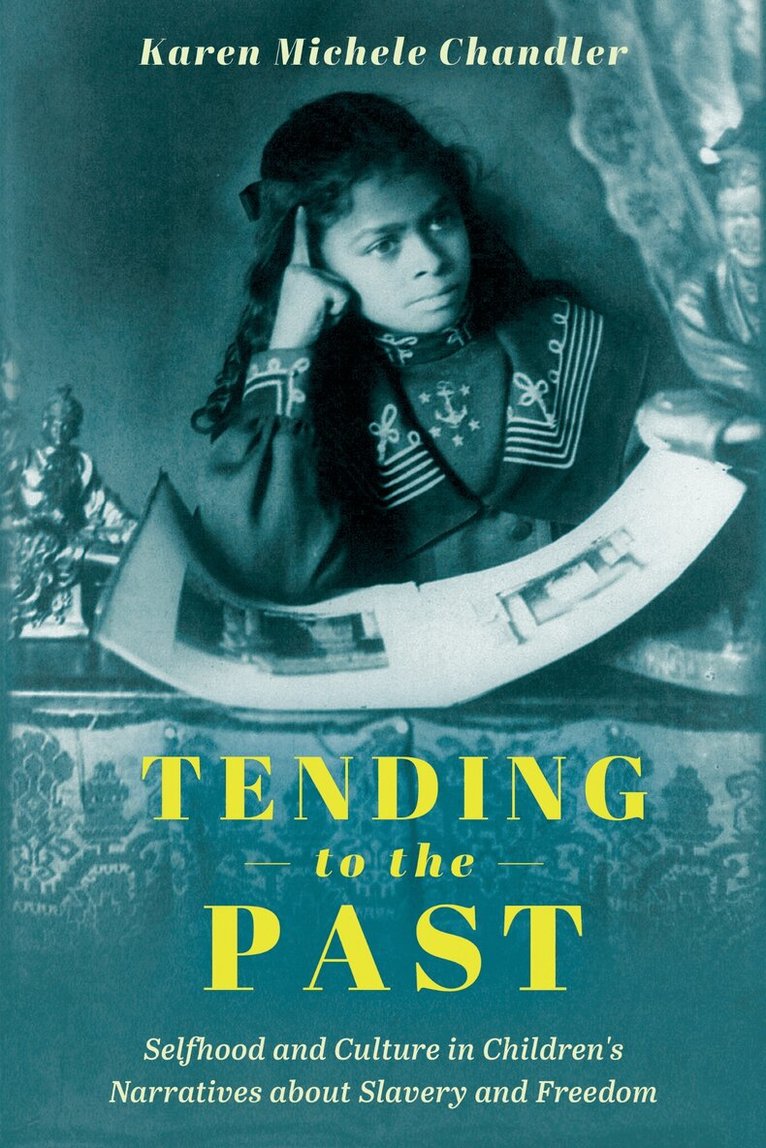
In many popular depictions of Black resistance to slavery, stereotypes around victimization and the heroic efforts of a small number of individuals abound. These ideas ignore the powers of ordinary families and obscure the systematic working of racism. Tending to the Past: Selfhood and Culture in Children’s Narratives about Slavery and Freedom examines Black-authored historical novels and films for children that counter this distortion and depict creative means by which ordinary African Americans survived slavery and racism in early America. Tending to the Past argues that this important, understudied historical writing—freedom narratives—calls on young readers to be active, critical thinkers about the past and its legacies within the present. The book examines how narratives by children’s book authors, such as Joyce Hansen, Julius Lester, Marilyn Nelson, and Patricia McKissack, and the filmmakers Charles Burnett and Zeinabu irene Davis, were influenced by Black cultural imperatives, such as the Black Arts Movement, to foster an engaged, culturally aware public. Through careful analysis of this rich body of work, Tending to the Past thus contributes to ongoing efforts to construct a history of Black children’s literature and film attuned to its range, specificity, and depths.Tending to the Past provides illuminating interpretations that will help scholars and educators see the significance of the freedom narratives’ reconstructions in a neoliberal era, a time of shrinking opportunities for many African Americans. It offers models for understanding the powers and continuing relevance of the Black child’s creative agency and the Black cultural practices that have fostered it.
Tending to the Past
Selfhood and Culture in Children's Narratives About Slavery and Freedom
Häftad, Engelska, 2024
415 kr
Skickas inom 7-10 vardagar
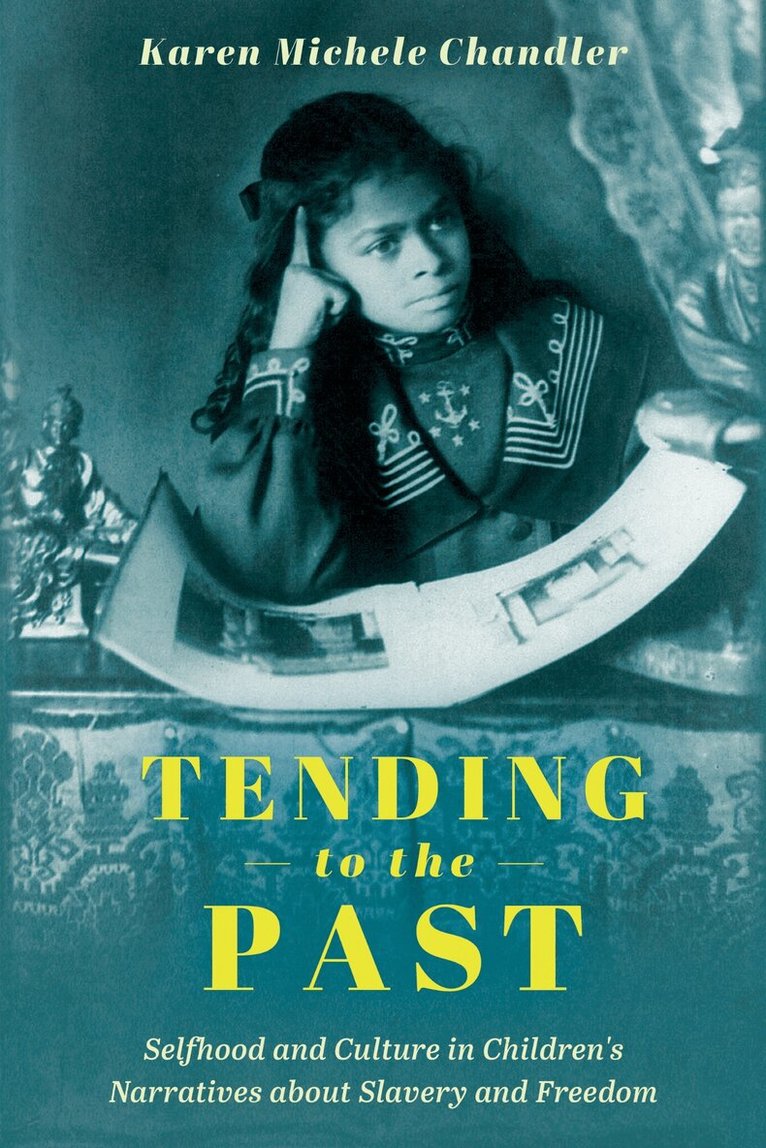
In many popular depictions of Black resistance to slavery, stereotypes around victimization and the heroic efforts of a small number of individuals abound. These ideas ignore the powers of ordinary families and obscure the systematic working of racism. Tending to the Past: Selfhood and Culture in Children’s Narratives about Slavery and Freedom examines Black-authored historical novels and films for children that counter this distortion and depict creative means by which ordinary African Americans survived slavery and racism in early America. Tending to the Past argues that this important, understudied historical writing—freedom narratives—calls on young readers to be active, critical thinkers about the past and its legacies within the present. The book examines how narratives by children’s book authors, such as Joyce Hansen, Julius Lester, Marilyn Nelson, and Patricia McKissack, and the filmmakers Charles Burnett and Zeinabu irene Davis, were influenced by Black cultural imperatives, such as the Black Arts Movement, to foster an engaged, culturally aware public. Through careful analysis of this rich body of work, Tending to the Past thus contributes to ongoing efforts to construct a history of Black children’s literature and film attuned to its range, specificity, and depths.Tending to the Past provides illuminating interpretations that will help scholars and educators see the significance of the freedom narratives’ reconstructions in a neoliberal era, a time of shrinking opportunities for many African Americans. It offers models for understanding the powers and continuing relevance of the Black child’s creative agency and the Black cultural practices that have fostered it.