Karín Lesnik-Oberstein – författare
Visar alla böcker från författaren Karín Lesnik-Oberstein. Handla med fri frakt och snabb leverans.
7 produkter
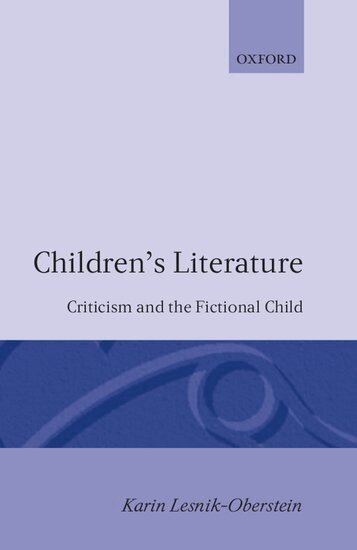
Children's Literature
Criticism and the Fictional Child
Inbunden, 1994
3997 kr
Lägg i varukorg
Children's Literature: Criticism and the Fictional Child is an original and lucid study of the figure of the `child' as it is presented in the rapidly expanding field of the criticism of children's literature. The book argues that in fact, this same body of criticism - through often contradictory …
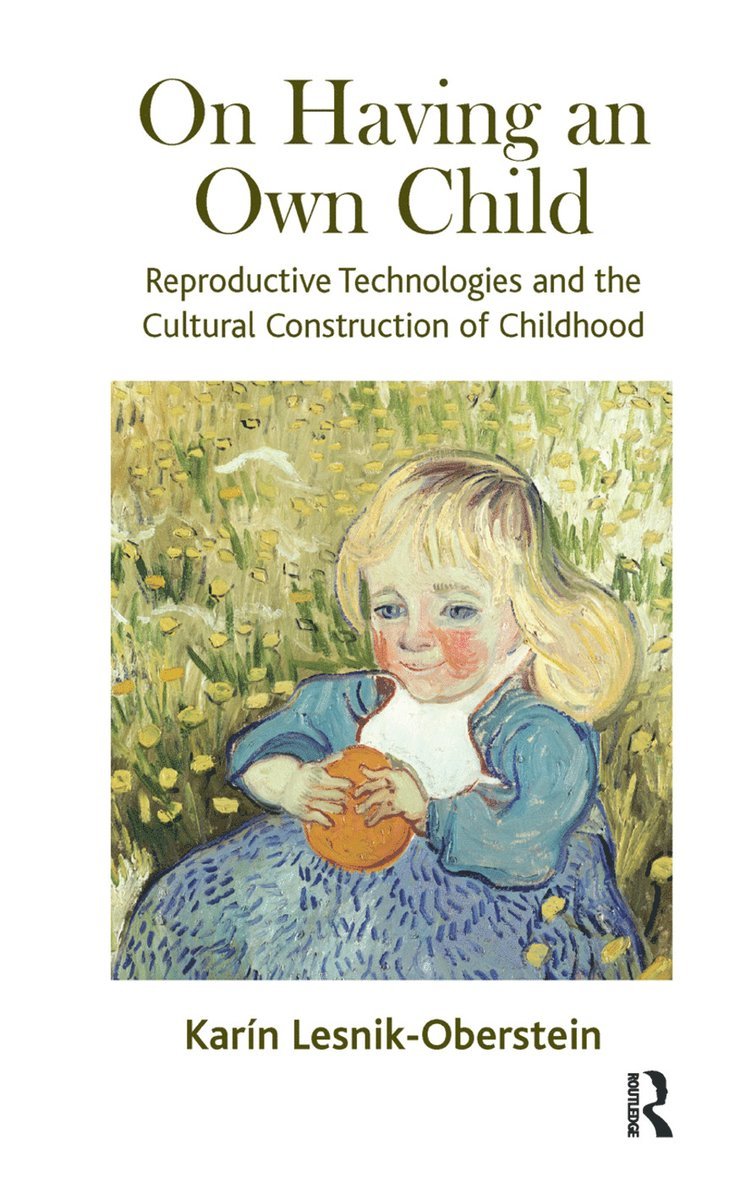
On Having an Own Child
Reproductive Technologies and the Cultural Construction of Childhood
Inbunden, 2019
2439 kr
Lägg i varukorg
How are ideas of genetics, 'blood', the family, and relatedness created and consumed? This is the first book ever to consider in depth why people want children, and specifically why people want children produced by reproductive technologies (such as IVF, ICSI etc). As the book demonstrates, even …
On Having an Own Child
Reproductive Technologies and the Cultural Construction of Childhood
E-bok, 2018
675 kr
Lägg i varukorg
How are ideas of genetics, ''blood'', the family, and relatedness created and consumed? This is the first book ever to consider in depth why people want children, and specifically why people want children produced by reproductive technologies (such as IVF, ICSI etc). As the book demonstrates, even …
On Having an Own Child
Reproductive Technologies and the Cultural Construction of Childhood
E-bok, 2018
690 kr
Lägg i varukorg
How are ideas of genetics, ''blood'', the family, and relatedness created and consumed? This is the first book ever to consider in depth why people want children, and specifically why people want children produced by reproductive technologies (such as IVF, ICSI etc). As the book demonstrates, even …
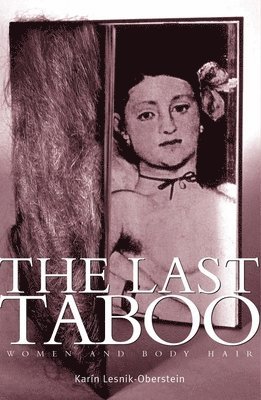
last taboo
Women and body hair
Häftad, 2011
427 kr
Lägg i varukorg
This is the first academic book ever written on women and body hair, which has been seen until now as too trivial, ridiculous or revolting to write about. Even feminist writers or researchers on the body have found remarkably little to say about body hair, usually ignoring it completely. It would …
Children’s Literature
New Approaches
Av Karin Lesnik-Oberstein, K. Lesnik-Oberstein
Häftad, 2004
759 kr
Lägg i varukorg
Children's Literature: New Approaches is a guide for graduate and upper-level undergraduate students of children's literature. It is structured through critics reading individual texts to bring out wider issues that are current in the field. Includes chronology of key events and publications, a …
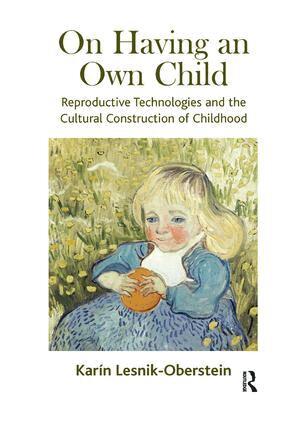
On Having an Own Child
Reproductive Technologies and the Cultural Construction of Childhood
Häftad, 2008
587 kr
Lägg i varukorg
How are ideas of genetics, 'blood', the family, and relatedness created and consumed?This is the first book ever to consider in depth why people want children, and specifically why people want children produced by reproductive technologies (such as IVF, ICSI etc). As the book demonstrates, even …