Kasper Risbjerg Eskildsen – författare
Visar alla böcker från författaren Kasper Risbjerg Eskildsen. Handla med fri frakt och snabb leverans.
9 produkter
Things of the Past
A Modern Yearning
Häftad, 2025
291 kr
Lägg i varukorg
This Element explores the yearning for things of the past, from early modern antiquarianism to the contemporary art market. It tells a global story about scholars who, driven by this yearning, roamed the world and amassed many of its historical artefacts. Their motivation was not just pleasure or …
Things of the Past
A Modern Yearning
Inbunden, 2025
918 kr
Lägg i varukorg
This Element explores the yearning for things of the past, from early modern antiquarianism to the contemporary art market. It tells a global story about scholars who, driven by this yearning, roamed the world and amassed many of its historical artefacts. Their motivation was not just pleasure or …
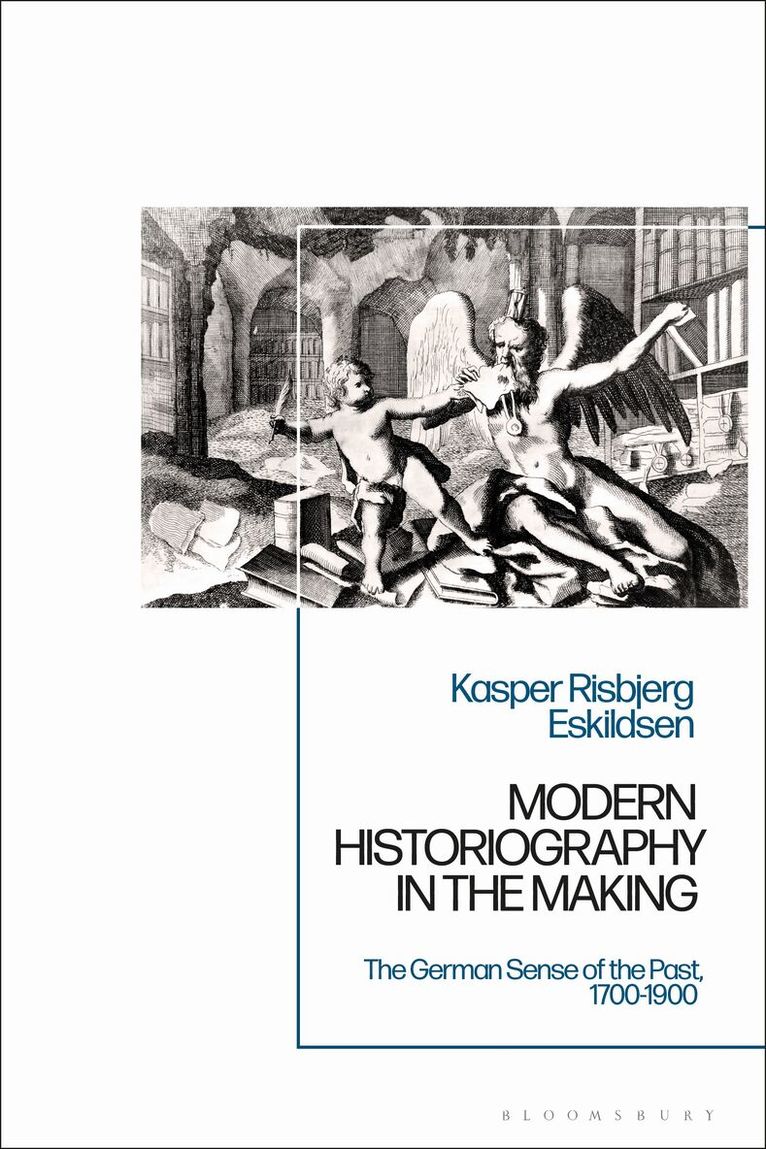
Modern Historiography in the Making
The German Sense of the Past, 1700-1900
Inbunden, 2022
1388 kr
Lägg i varukorg
At the end of the 19th century, German historical scholarship had grown to great prominence. Academics around the world imitated their German colleagues. Intellectuals described historical scholarship as a foundation of the modern worldview. To many, the modern age was an ‘age of history’. This …
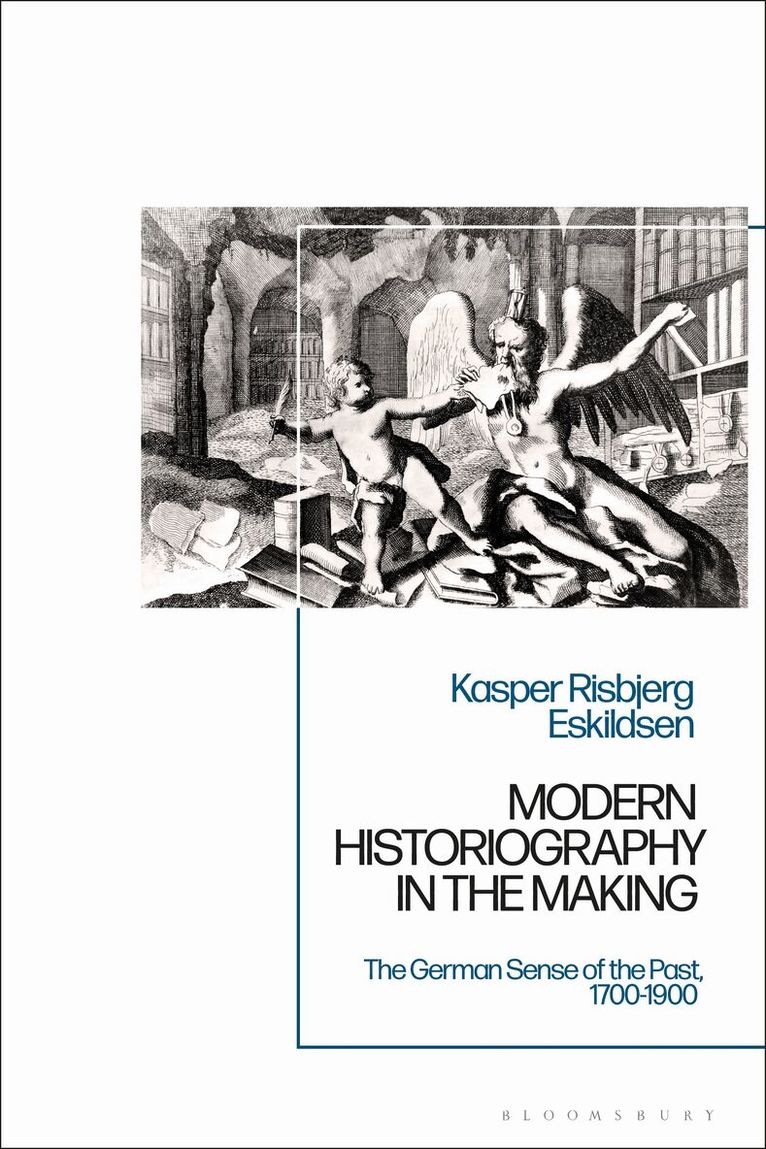
Modern Historiography in the Making
The German Sense of the Past, 1700-1900
Häftad, 2023
443 kr
Lägg i varukorg
At the end of the 19th century, German historical scholarship had grown to great prominence. Academics around the world imitated their German colleagues. Intellectuals described historical scholarship as a foundation of the modern worldview. To many, the modern age was an ‘age of history’. This …
Modern Historiography in the Making
The German Sense of the Past, 1700-1900
E-bok, 2022
482 kr
Lägg i varukorg
At the end of the 19th century, German historical scholarship had grown to great prominence. Academics around the world imitated their German colleagues. Intellectuals described historical scholarship as a foundation of the modern worldview. To many, the modern age was an ''age of history''. This …
Modern Historiography in the Making
The German Sense of the Past, 1700-1900
E-bok, 2022
471 kr
Lägg i varukorg
At the end of the 19th century, German historical scholarship had grown to great prominence. Academics around the world imitated their German colleagues. Intellectuals described historical scholarship as a foundation of the modern worldview. To many, the modern age was an ''age of history''. This …
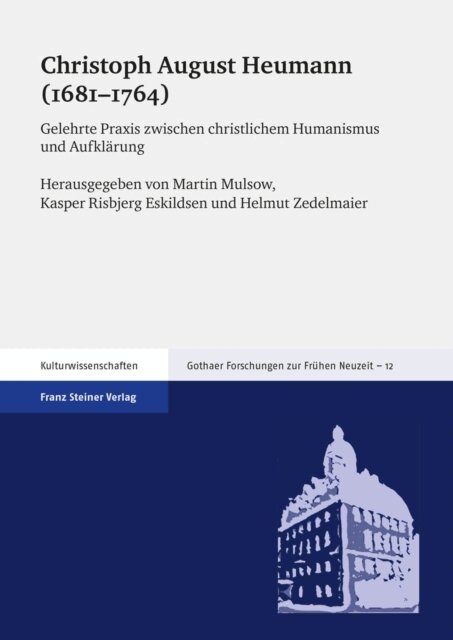
Christoph August Heumann (1681–1764)
Gelehrte Praxis zwischen christlichem Humanismus und Aufklärung
Av Helmut Zedelmaier, Kasper Risbjerg Eskildsen m. fl.
E-bok, 2017
721 kr
Lägg i varukorg
Christoph August Heumann (1681–1764) war ein äußerst produktiver deutscher Gelehrter, Verfasser unzähliger Abhandlungen und Übersetzungen sowie Herausgeber historisch-philologischer Kommentare antiker Texte und der Bibel. Mit ungewöhnlicher Intensität beteiligte er sich an den philologischen, …