Kate Booth - Böcker
Visar alla böcker från författaren Kate Booth. Handla med fri frakt och snabb leverans.
3 produkter
3 produkter
2 113 kr
Skickas inom 10-15 vardagar
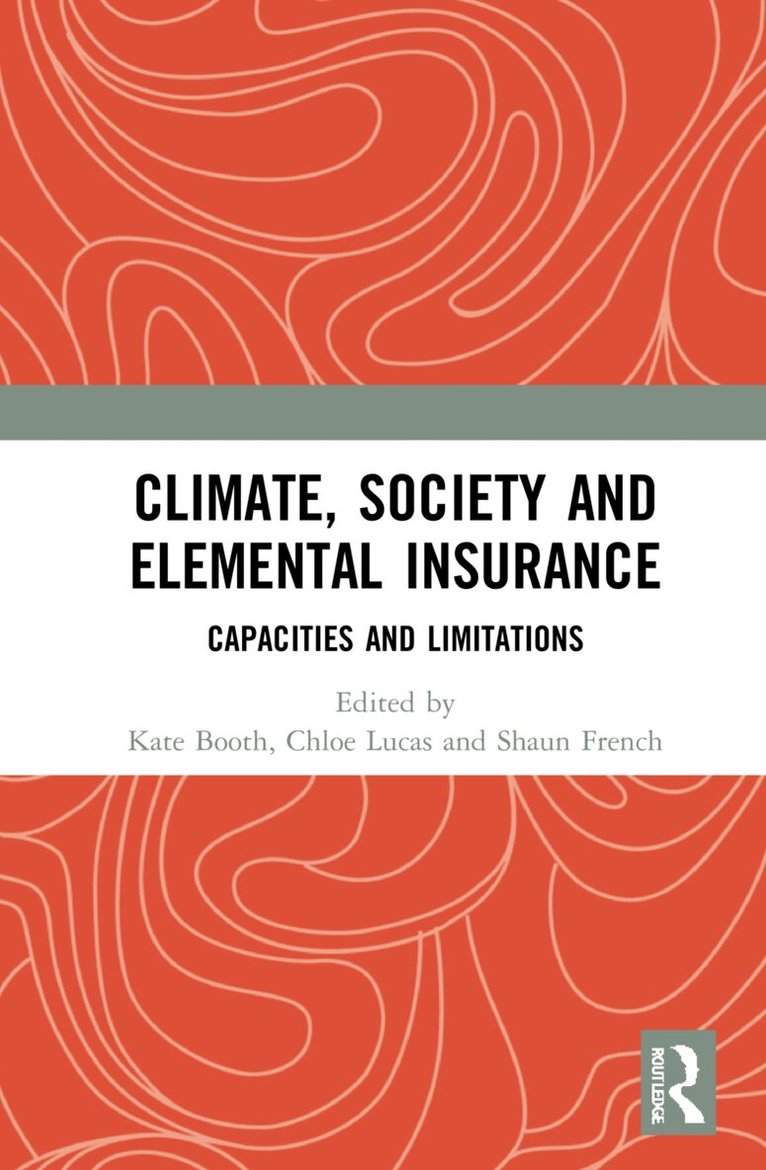
In this book, world-leading social scientists come together to provide original insights on the capacities and limitations of insurance in a changing world.Climate change is fundamentally changing the ways we insure, and the ways we think about insurance. This book moves beyond traditional economics and financial understandings of insurance to address the social and geopolitical dimensions of this powerful and pervasive part of contemporary life. Insurance shapes material and social realities, and is shaped by them in turn. The contributing authors of this book show how insurance constitutes and is constituted through the traditional elements of earth, water, air, fire, and the novel element of big data. The applied and theoretical insights presented through this novel elemental approach reveal that insurance is more dynamic, multifaceted, and spatially variegated than commonly imagined.This book is an authoritative source on the capacities and limitations of insurance. It is a go-to reference for researchers and students in the social sciences – particularly those with an interest in economics and finance, and how these intersect with geography, politics, and society. It is also relevant for those in the disaster, environmental, health, natural, and social sciences who are interested in the role of insurance in addressing risk, resilience, and adaptation.The Open Access version of this book, available at www.taylorfrancis.com, has been made available under a Creative Commons Attribution-Non Commercial-No Derivatives 4.0 license.
618 kr
Skickas inom 10-15 vardagar
In this book, world-leading social scientists come together to provide original insights on the capacities and limitations of insurance in a changing world.Climate change is fundamentally changing the ways we insure, and the ways we think about insurance. This book moves beyond traditional economics and financial understandings of insurance to address the social and geopolitical dimensions of this powerful and pervasive part of contemporary life. Insurance shapes material and social realities, and is shaped by them in turn. The contributing authors of this book show how insurance constitutes and is constituted through the traditional elements of earth, water, air, fire, and the novel element of big data. The applied and theoretical insights presented through this novel elemental approach reveal that insurance is more dynamic, multifaceted, and spatially variegated than commonly imagined.This book is an authoritative source on the capacities and limitations of insurance. It is a go-to reference for researchers and students in the social sciences – particularly those with an interest in economics and finance, and how these intersect with geography, politics, and society. It is also relevant for those in the disaster, environmental, health, natural, and social sciences who are interested in the role of insurance in addressing risk, resilience, and adaptation.The Open Access version of this book, available at www.taylorfrancis.com, has been made available under a Creative Commons Attribution-Non Commercial-No Derivatives 4.0 license.
461 kr
Kommande
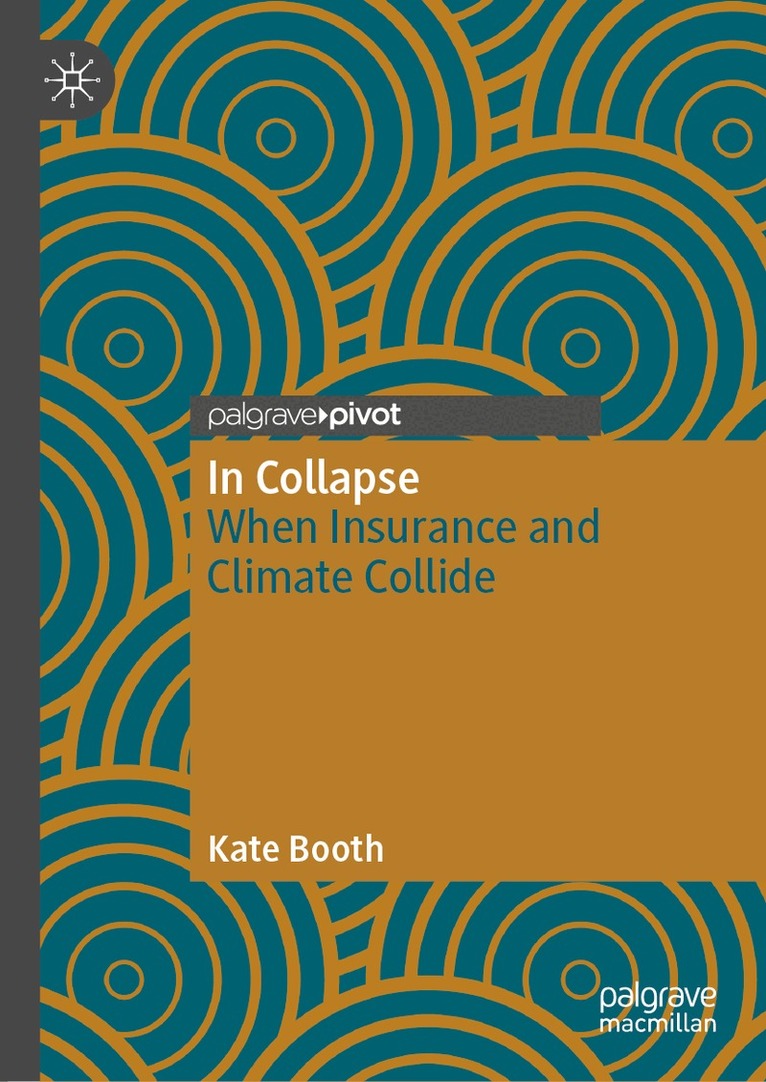
This book takes a critical look at the idea of collapse, focusing on the relationship between accelerating climate risks and insurance. Insurance is a weathervane for the social impacts of unmitigated global environmental change, and it is pointing to rough times ahead: unstoppable rises in the cost-of-living and growing inequity and inequality, amidst intensifying extreme weather events. This book provides an authoritative and accessible investigation into the social and geographic dimensions of insurance in a changing world, to challenge notions of collapse and ‘the end of the world’ that are fatalistic and blind to inequality and inequity. It presents a new way of understanding collapse, and how to live well, in a changing world. The author argues that we must find language and ideas to accurately describe the current global trajectory and its uneven, unjust impacts. She explains that without critical understandings of notions like collapse, we will remain bereft of meaningful action and achievable goals.