Kate Gibson – författare
Visar alla böcker från författaren Kate Gibson. Handla med fri frakt och snabb leverans.
9 produkter
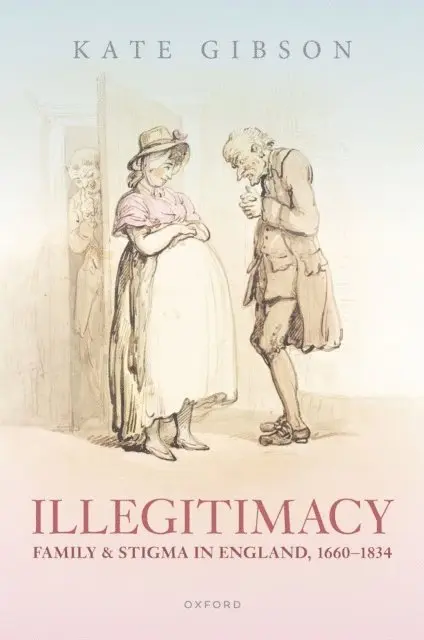
Illegitimacy, Family, and Stigma in England, 1660-1834
Av Kate Gibson
E-bok, 2022
1416 kr
Lägg i varukorg
Illegitimacy, Family, and Stigma is the first full-length exploration of what it was like to be illegitimate in eighteenth-century England, a period of ''sexual revolution'', unprecedented increase in illegitimate births, and intense debate over children''s rights to state support. Using the words …
Illegitimacy, Family, and Stigma in England, 1660-1834
Av Kate Gibson
E-bok, 2022
1416 kr
Lägg i varukorg
Illegitimacy, Family, and Stigma is the first full-length exploration of what it was like to be illegitimate in eighteenth-century England, a period of ''sexual revolution'', unprecedented increase in illegitimate births, and intense debate over children''s rights to state support. Using the words …
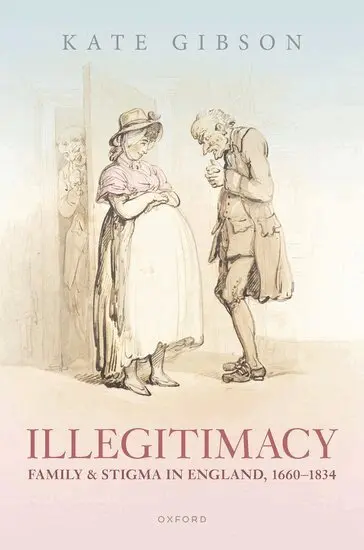
Illegitimacy, Family, and Stigma in England, 1660-1834
Av Kate Gibson
Inbunden, 2022
1586 kr
Lägg i varukorg
Illegitimacy, Family, and Stigma is the first full-length exploration of what it was like to be illegitimate in eighteenth-century England, a period of 'sexual revolution', unprecedented increase in illegitimate births, and intense debate over children's rights to state support. Using the words of …
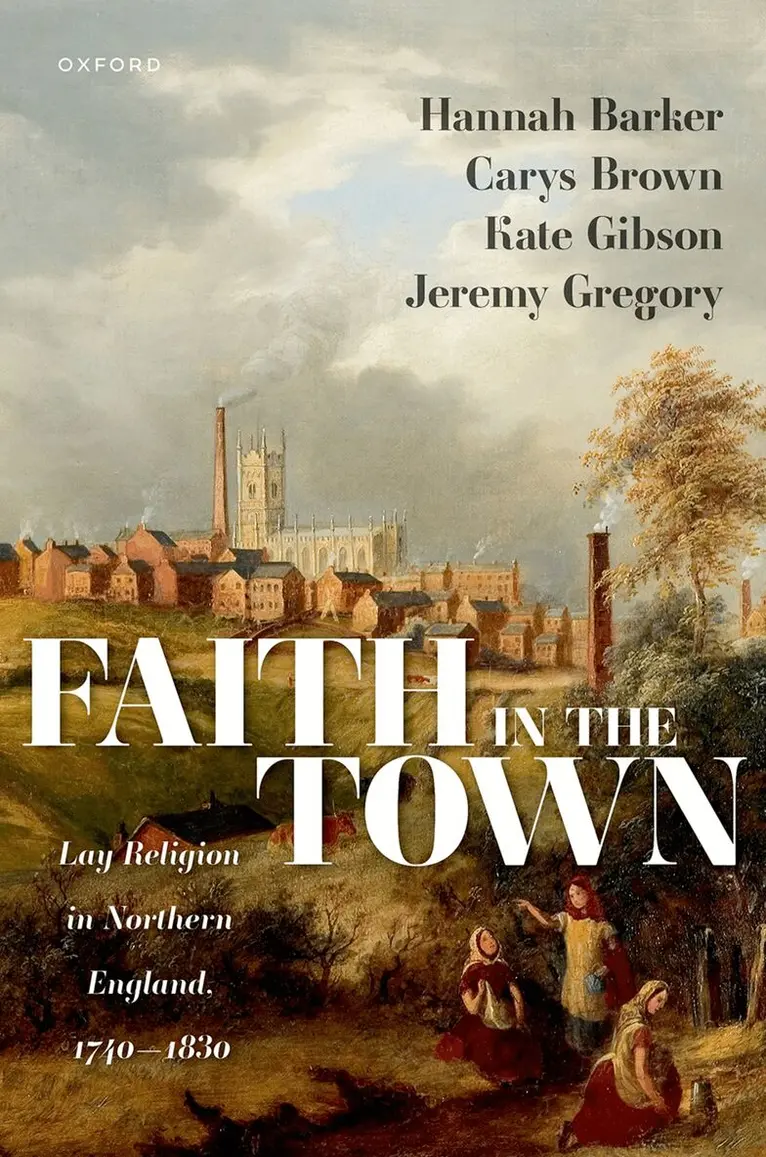
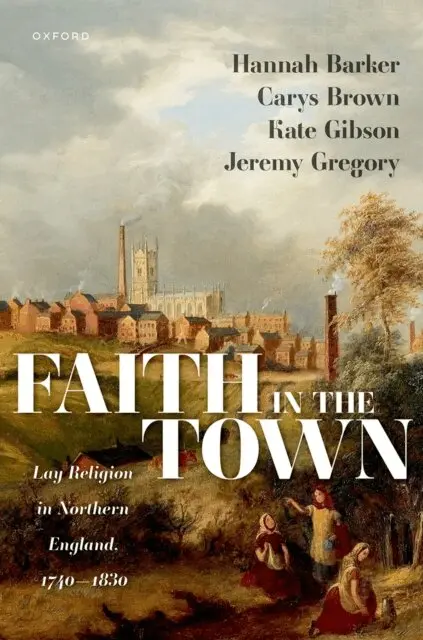
Faith in the Town
Lay Religion in Northern England, 1740–1830
Av Hannah Barker, Carys Brown m. fl.
Inbunden, 2025
1789 kr
Lägg i varukorg
This is an open access title available under the terms of a CC BY-NC-ND 4.0 International licence. It is free to read on the Oxford Academic platform and offered as a free PDF download from OUP and selected open access locations.Across eighteenth- and early nineteenth-century northern England, …
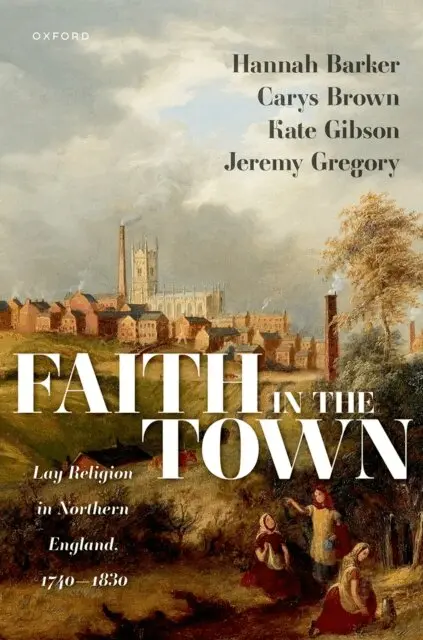
Faith in the Town
Lay Religion in Northern England, 1740-1830
Av Jeremy Gregory, Kate Gibson m. fl.
E-bok, 2025
1522 kr
Lägg i varukorg
This is an open access title available under the terms of a CC BY-NC-ND 4.0 International licence. It is free to read on the Oxford Academic platform and offered as a free PDF download from OUP and selected open access locations. Across eighteenth- and early nineteenth-century northern England, …
Faith in the Town
Lay Religion in Northern England, 1740-1830
Av Jeremy Gregory, Kate Gibson m. fl.
E-bok, 2025
1613 kr
Lägg i varukorg
This is an open access title available under the terms of a CC BY-NC-ND 4.0 International licence. It is free to read on the Oxford Academic platform and offered as a free PDF download from OUP and selected open access locations.Across eighteenth- and early nineteenth-century northern England, …
Walking Through Fog: A Christian Perspective on Fibromyalgia
Av Kate Gibson, Sarah B. Houston
Häftad
162 kr
Lägg i varukorg
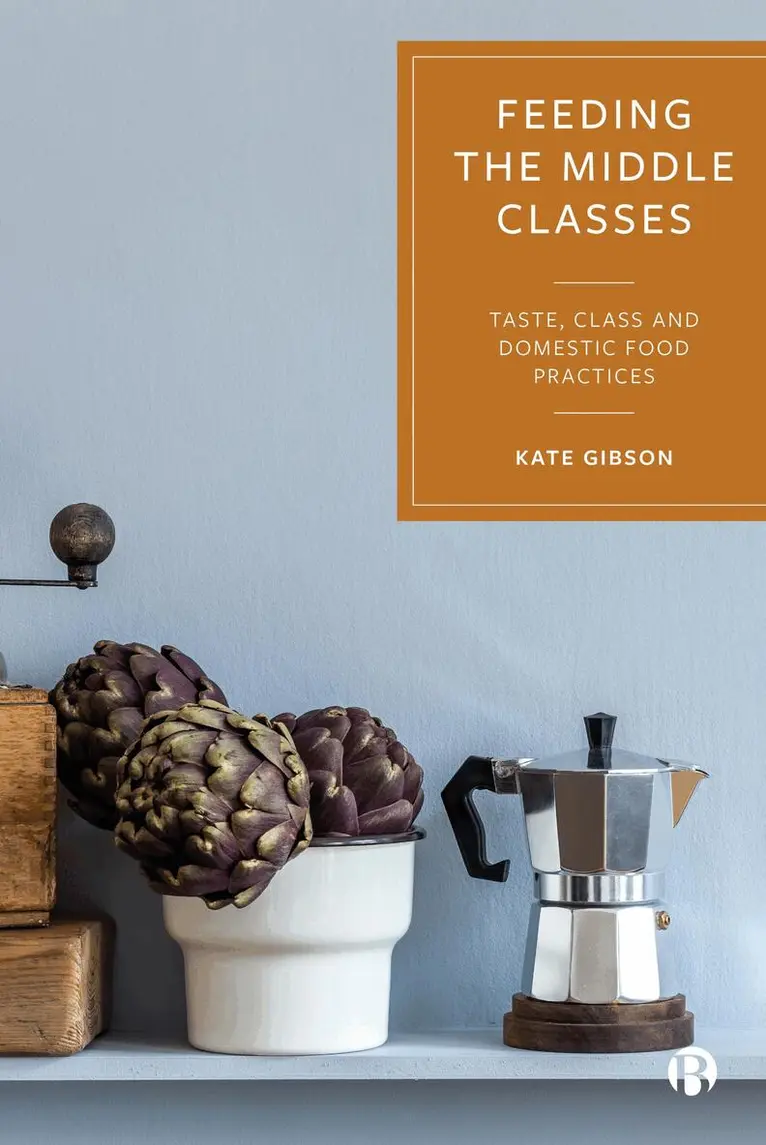
Feeding the Middle Classes
Taste, Class and Domestic Food Practices
Av Kate Gibson
Inbunden, 2023
1198 kr
Lägg i varukorg
Political and public stories about class and food rarely scrutinize how socio-economic and cultural resources enable access to certain foods. Tracing the symbolic links between everyday eating at home and broader social frameworks, this book examines how classed relations play out in middle-class …
Królewski sekret
Gdy przeszlośc staje się teraźniejszością
Av Kate Gibson
Häftad, 2026
204 kr
Lägg i varukorg