Kate Imy - Böcker
Visar alla böcker från författaren Kate Imy. Handla med fri frakt och snabb leverans.
5 produkter
5 produkter
1 300 kr
Skickas inom 7-10 vardagar
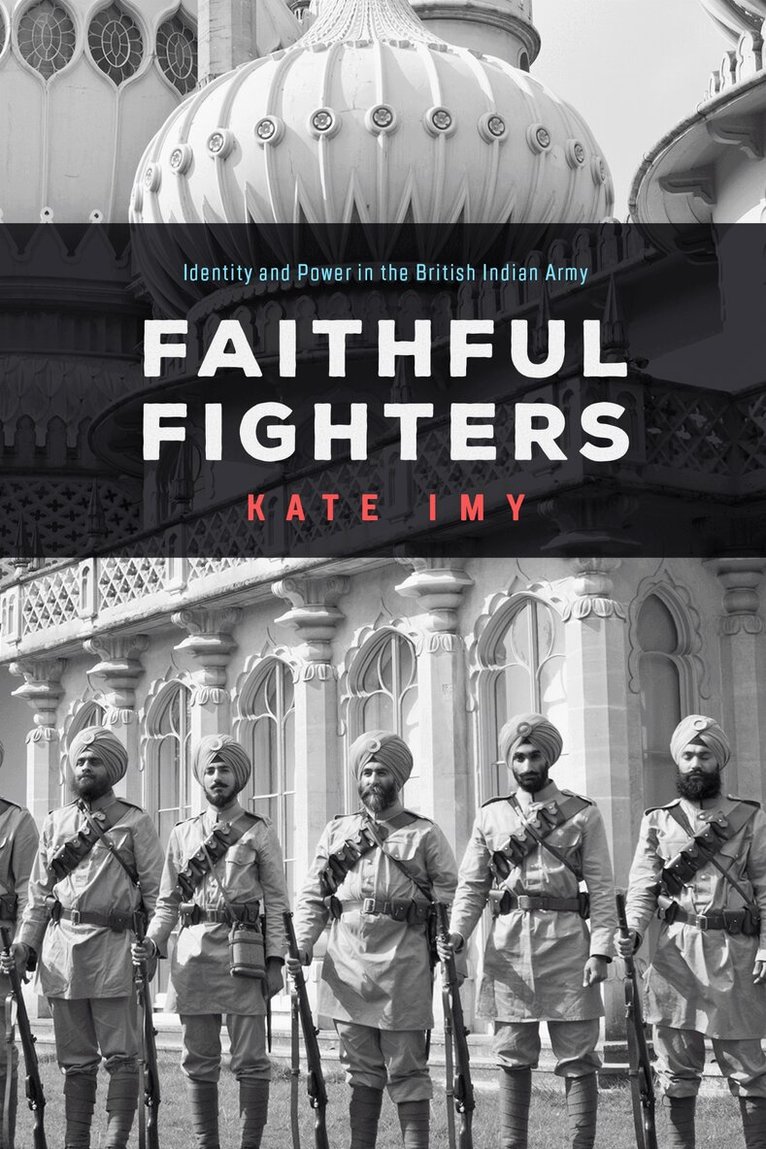
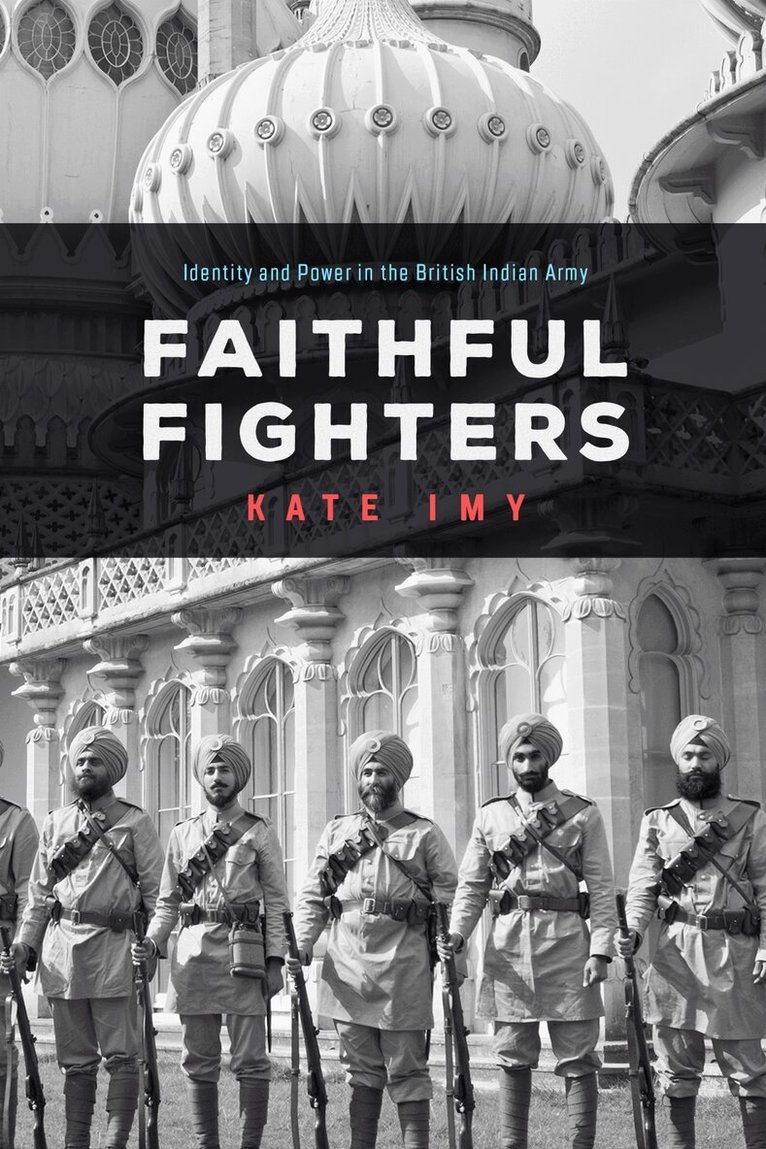
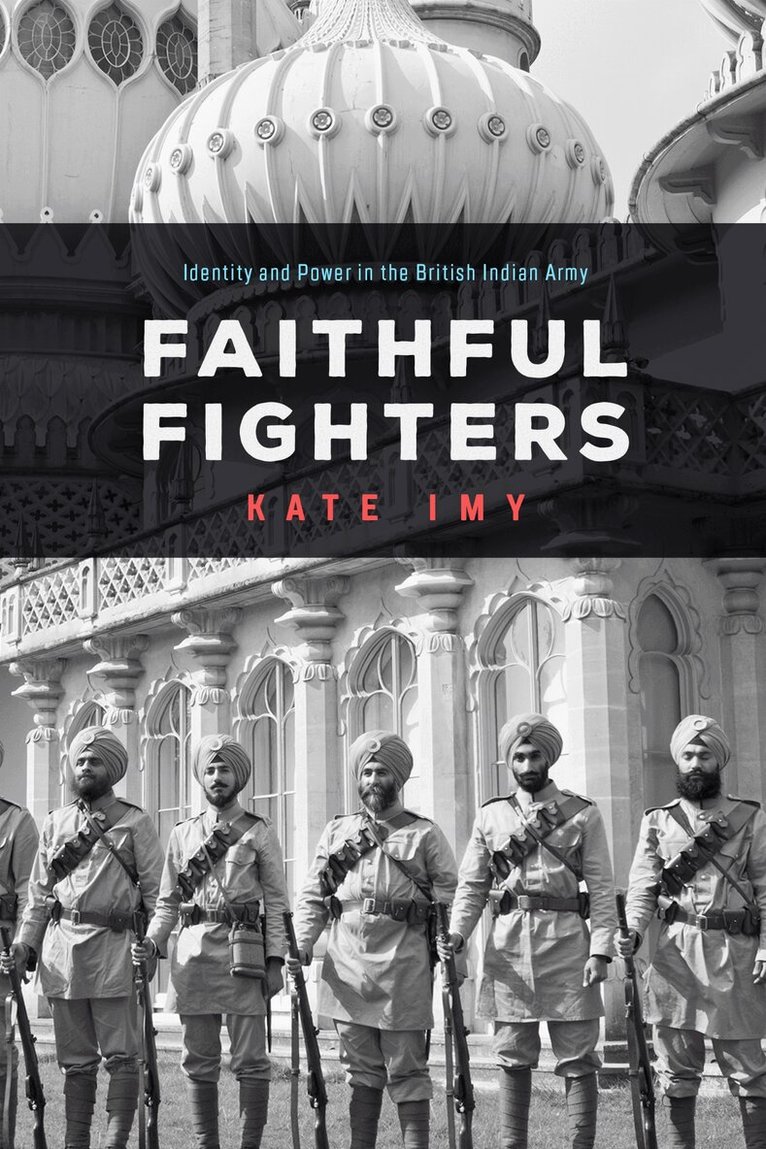
During the first four decades of the twentieth century, the British Indian Army possessed an illusion of racial and religious inclusivity. The army recruited diverse soldiers, known as the "Martial Races," including British Christians, Hindustani Muslims, Punjabi Sikhs, Hindu Rajputs, Pathans from northwestern India, and "Gurkhas" from Nepal. As anti-colonial activism intensified, military officials incorporated some soldiers' religious traditions into the army to keep them disciplined and loyal. They facilitated acts such as the fast of Ramadan for Muslim soldiers and allowed religious swords among Sikhs to recruit men from communities where anti-colonial sentiment grew stronger. Consequently, Indian nationalists and anti-colonial activists charged the army with fomenting racial and religious divisions. In Faithful Fighters, Kate Imy explores how military culture created unintended dialogues between soldiers and civilians, including Hindu nationalists, Sikh revivalists, and pan-Islamic activists. By the 1920s and '30s, the army constructed military schools and academies to isolate soldiers from anti-colonial activism. While this carefully managed military segregation crumbled under the pressure of the Second World War, Imy argues that the army militarized racial and religious difference, creating lasting legacies for the violent partition and independence of India, and the endemic warfare and violence of the post-colonial world.
317 kr
Skickas inom 7-10 vardagar
During the first four decades of the twentieth century, the British Indian Army possessed an illusion of racial and religious inclusivity. The army recruited diverse soldiers, known as the "Martial Races," including British Christians, Hindustani Muslims, Punjabi Sikhs, Hindu Rajputs, Pathans from northwestern India, and "Gurkhas" from Nepal. As anti-colonial activism intensified, military officials incorporated some soldiers' religious traditions into the army to keep them disciplined and loyal. They facilitated acts such as the fast of Ramadan for Muslim soldiers and allowed religious swords among Sikhs to recruit men from communities where anti-colonial sentiment grew stronger. Consequently, Indian nationalists and anti-colonial activists charged the army with fomenting racial and religious divisions. In Faithful Fighters, Kate Imy explores how military culture created unintended dialogues between soldiers and civilians, including Hindu nationalists, Sikh revivalists, and pan-Islamic activists. By the 1920s and '30s, the army constructed military schools and academies to isolate soldiers from anti-colonial activism. While this carefully managed military segregation crumbled under the pressure of the Second World War, Imy argues that the army militarized racial and religious difference, creating lasting legacies for the violent partition and independence of India, and the endemic warfare and violence of the post-colonial world.
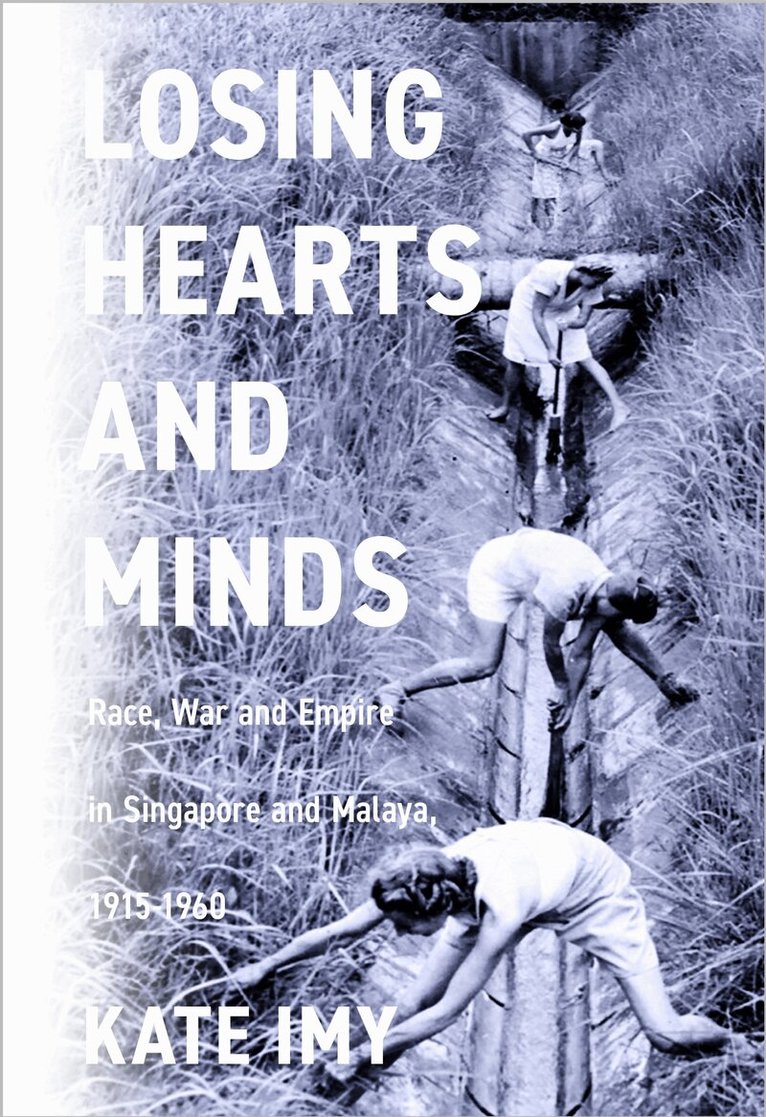
Losing Hearts and Minds
Race, War, and Empire in Singapore and Malaya, 1915–1960
Inbunden, Engelska, 2024
1 408 kr
Skickas inom 7-10 vardagar
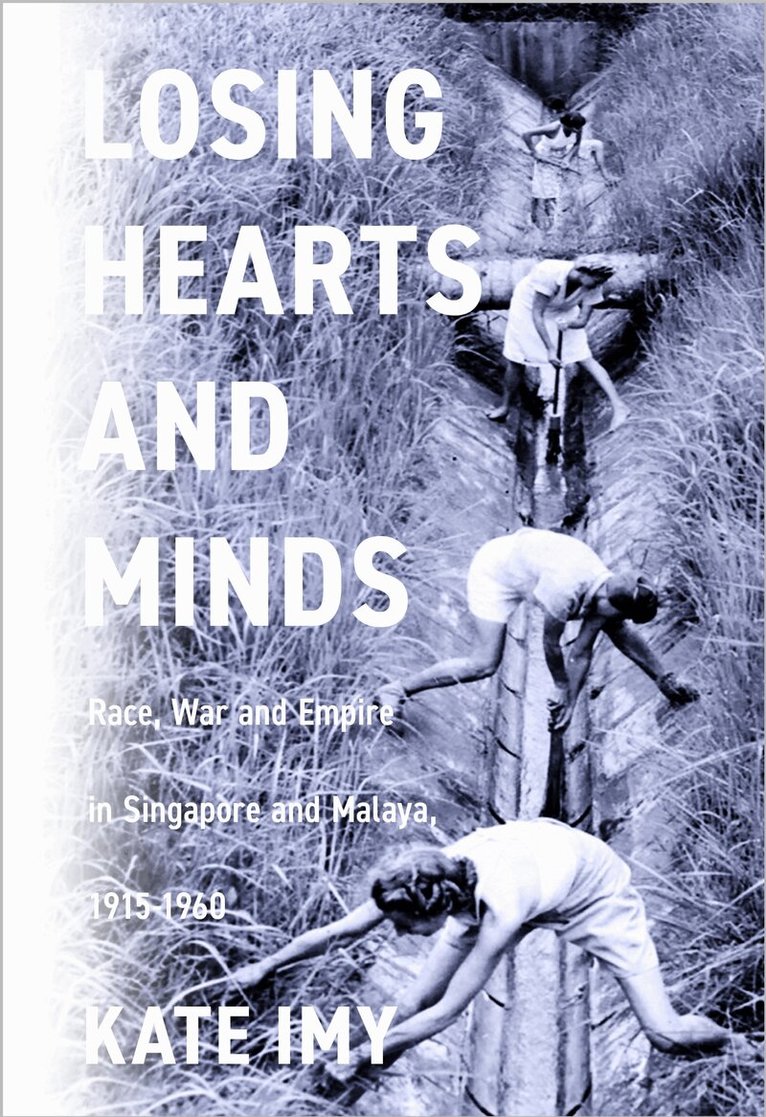
Losing Hearts and Minds explores the loss of British power and prestige in colonial Singapore and Malaya from the First World War to the Malayan Emergency. During this period, British leaders relied on a growing number of Asian, European and Eurasian allies and servicepeople, including servants, police, soldiers, and medical professionals, to maintain their empire. At the same time, British institutions and leaders continued to use racial and gender violence to wage war. As a result, those colonial subjects closest to British power frequently experienced the limits of belonging and the broken promises of imperial inclusion, hastening the end of British rule in Southeast Asia.From the World Wars to the Cold War, European, Indigenous, Chinese, Malay, and Indian civilians resisted or collaborated with British and Commonwealth soldiers, rebellious Indian troops, invading Japanese combatants, and communists. Historian Kate Imy tells the story of how Singapore and Malaya became sites of some of the most impactful military and anti-colonial conflicts of the twentieth century, where British military leaders repeatedly tried—but largely failed—to win the "hearts and minds" of colonial subjects.
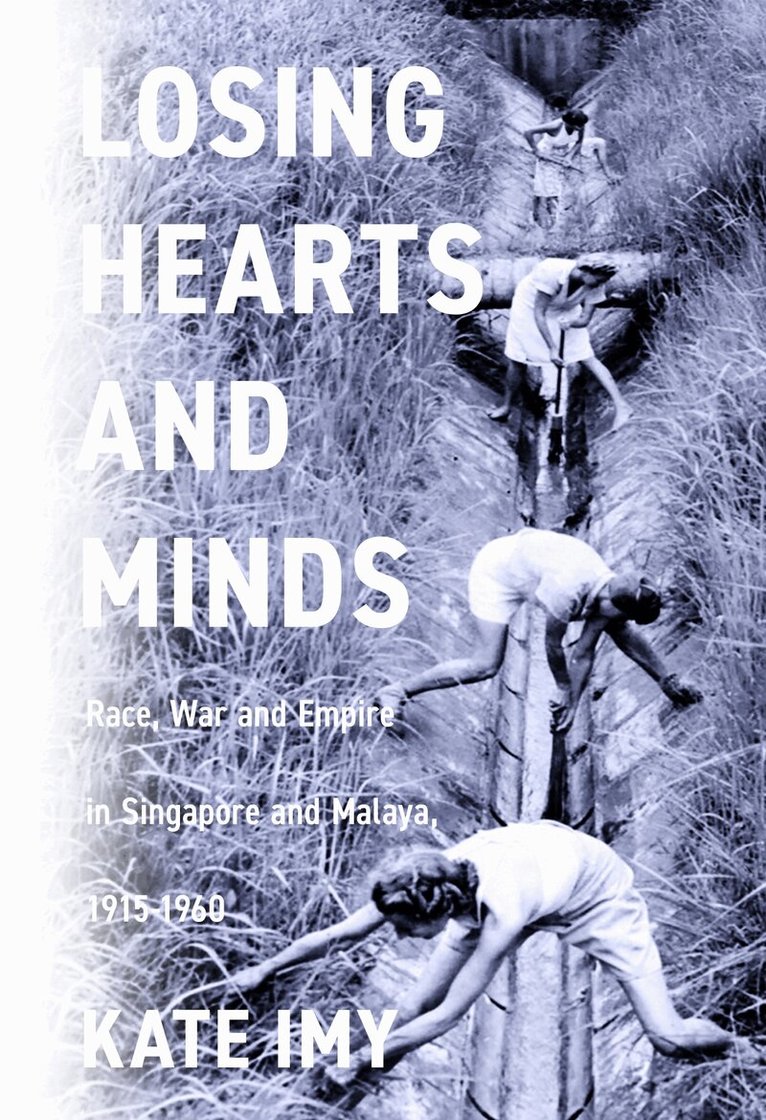
Losing Hearts and Minds
Race, War, and Empire in Singapore and Malaya, 1915–1960
Häftad, Engelska, 2024
330 kr
Skickas inom 7-10 vardagar
Losing Hearts and Minds explores the loss of British power and prestige in colonial Singapore and Malaya from the First World War to the Malayan Emergency. During this period, British leaders relied on a growing number of Asian, European and Eurasian allies and servicepeople, including servants, police, soldiers, and medical professionals, to maintain their empire. At the same time, British institutions and leaders continued to use racial and gender violence to wage war. As a result, those colonial subjects closest to British power frequently experienced the limits of belonging and the broken promises of imperial inclusion, hastening the end of British rule in Southeast Asia.From the World Wars to the Cold War, European, Indigenous, Chinese, Malay, and Indian civilians resisted or collaborated with British and Commonwealth soldiers, rebellious Indian troops, invading Japanese combatants, and communists. Historian Kate Imy tells the story of how Singapore and Malaya became sites of some of the most impactful military and anti-colonial conflicts of the twentieth century, where British military leaders repeatedly tried—but largely failed—to win the "hearts and minds" of colonial subjects.
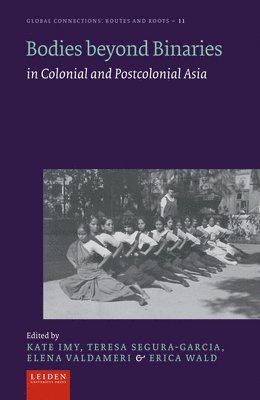
Del 11 - Global Connections: Routes and Roots
Bodies beyond Binaries
in Colonial and Postcolonial Asia
Inbunden, Engelska, 2024
1 262 kr
Skickas inom 7-10 vardagar
"Bodies beyond Binaries' advances the historiographical debate around the body in colonial and postcolonial Asia. Opening new research avenues that go beyond the binaries that have sometimes permeated previous scholarly contributions, this book explores not just the direct colonial encounter, but also wider global interconnections and flows involved in the making of knowledge, cultural constructions, and ‘techniques’ of the body. Throughout the volume, critical concepts such as gender, sexuality, race, class, caste, and religion intersect and dialogue with supposedly binary categories of corporeality such as ruled and unruly, emotional and trained, mobile and confined, and respectable and deviant. Problematised and transcended, these categories reveal their ambiguous and malleable nature. Bringing together a range of contributions from established and emerging scholars working on different Asian regional and transregional foci, 'Bodies beyond Binaries' offers insights that are not simply relevant across Asia and within colonial settings, but also question Western-centric and culturally essentialist perspectives on the history of the body."