
Kate J. Neville – författare
Visar alla böcker från författaren . Handla med fri frakt och snabb leverans.
4 produkter
4 produkter
Inbunden, Engelska, 2021
810 kr
Skickas inom 5-8 vardagar
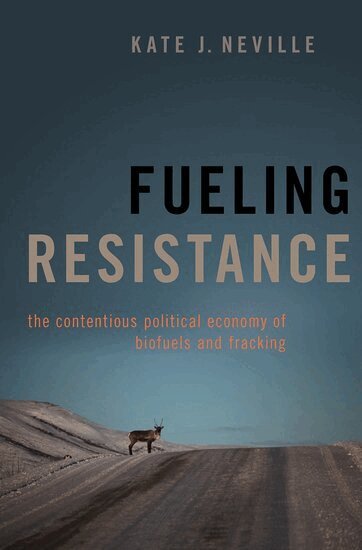
A series of concurrent pressures in the early 2000s--climate change, financial system crashes, economic development in rural regions, and shifts in geopolitics--intensified interest in alternative energy production. At the same time, rising oil prices rendered alternative fuels a more economically viable option. Among these energy sources, liquid biofuels (bioethanol and biodiesel) and natural gas derived from hydraulic fracturing ("fracking") took center stage as promising commodities and technologies. But controversy quickly erupted in surprisingly similar ways around both renewable fuels. Global enthusiasm for these fuels--and the widespread projections for their production around the world--collided with local politics in debates over "food versus fuel" and concerns over "land grabs." What seemed, from a global perspective, like empty lands ripe for development were, to rural communities, vibrant and already contested spaces. As proposals for biofuels and fracking landed in specific communities and ecosystems, they reignited and reshaped old disputes over land, water, and decision-making authority. Fueling Resistance offers an account of how and why controversies over these different fuels unfolded in surprisingly similar ways in the global North and South. To explain these convergent dynamics of contention and resistance, Kate J. Neville argues that the emergence of grievances and the patterns of resistance to new fuel technologies depends less on the type of energy developed (renewable versus fossil fuel) than on intersecting elements of the political economy of energy: finance, ownership, and trade relations. As local commodities enter global supply chains and are integrated into existing corporate structures, opportunities arise to broker connections between otherwise disparate communities. Neville looks at biofuels in Kenya and fracking in the Canadian Yukon and shows how organizers connect specific energy projects to broader issues of globalization, climate, food, water, and justice. Taken together, the intersecting elements of the political economy of energy shape the contentious politics of biofuels and fracking at both local and global scales, and help explain how and why particular mechanisms of contention emerge at different times and places.
E-bok
PDF, Engelska, 2021694 kr
Läs direkt efter köp
A series of concurrent pressures in the early 2000s--climate change, financial system crashes, economic development in rural regions, and shifts in geopolitics--intensified interest in alternative energy production. At the same time, rising oil prices rendered alternative fuels a more economically viable option. Among these energy sources, liquid biofuels (bioethanol and biodiesel) and natural gas derived from hydraulic fracturing ("fracking") took center stage as promising commodities and technologies. But controversy quickly erupted in surprisingly similar ways around both renewable fuels. Global enthusiasm for these fuels--and the widespread projections for their production around the world--collided with local politics in debates over "food versus fuel" and concerns over "land grabs." What seemed, from a global perspective, like empty lands ripe for development were, to rural communities, vibrant and already contested spaces. As proposals for biofuels and fracking landed in specific communities and ecosystems, they reignited and reshaped old disputes over land, water, and decision-making authority.Fueling Resistance offers an account of how and why controversies over these different fuels unfolded in surprisingly similar ways in the global North and South. To explain these convergent dynamics of contention and resistance, Kate J. Neville argues that the emergence of grievances and the patterns of resistance to new fuel technologies depends less on the type of energy developed (renewable versus fossil fuel) than on intersecting elements of the political economy of energy: finance, ownership, and trade relations. As local commodities enter global supply chains and are integrated into existing corporate structures, opportunities arise to broker connections between otherwise disparate communities.Neville looks at biofuels in Kenya and fracking in the Canadian Yukon and shows how organizers connect specific energy projects to broader issues of globalization, climate, food, water, and justice. Taken together, the intersecting elements of the political economy of energy shape the contentious politics of biofuels and fracking at both local and global scales, and help explain how and why particular mechanisms of contention emerge at different times and places.
E-bok
Engelska, 2021694 kr
Läs direkt efter köp
A series of concurrent pressures in the early 2000s--climate change, financial system crashes, economic development in rural regions, and shifts in geopolitics--intensified interest in alternative energy production. At the same time, rising oil prices rendered alternative fuels a more economically viable option. Among these energy sources, liquid biofuels (bioethanol and biodiesel) and natural gas derived from hydraulic fracturing ("fracking") took center stage as promising commodities and technologies. But controversy quickly erupted in surprisingly similar ways around both renewable fuels. Global enthusiasm for these fuels--and the widespread projections for their production around the world--collided with local politics in debates over "food versus fuel" and concerns over "land grabs." What seemed, from a global perspective, like empty lands ripe for development were, to rural communities, vibrant and already contested spaces. As proposals for biofuels and fracking landed in specific communities and ecosystems, they reignited and reshaped old disputes over land, water, and decision-making authority.Fueling Resistance offers an account of how and why controversies over these different fuels unfolded in surprisingly similar ways in the global North and South. To explain these convergent dynamics of contention and resistance, Kate J. Neville argues that the emergence of grievances and the patterns of resistance to new fuel technologies depends less on the type of energy developed (renewable versus fossil fuel) than on intersecting elements of the political economy of energy: finance, ownership, and trade relations. As local commodities enter global supply chains and are integrated into existing corporate structures, opportunities arise to broker connections between otherwise disparate communities.Neville looks at biofuels in Kenya and fracking in the Canadian Yukon and shows how organizers connect specific energy projects to broader issues of globalization, climate, food, water, and justice. Taken together, the intersecting elements of the political economy of energy shape the contentious politics of biofuels and fracking at both local and global scales, and help explain how and why particular mechanisms of contention emerge at different times and places.
Häftad, Engelska, 2024
323 kr
Skickas inom 5-8 vardagar
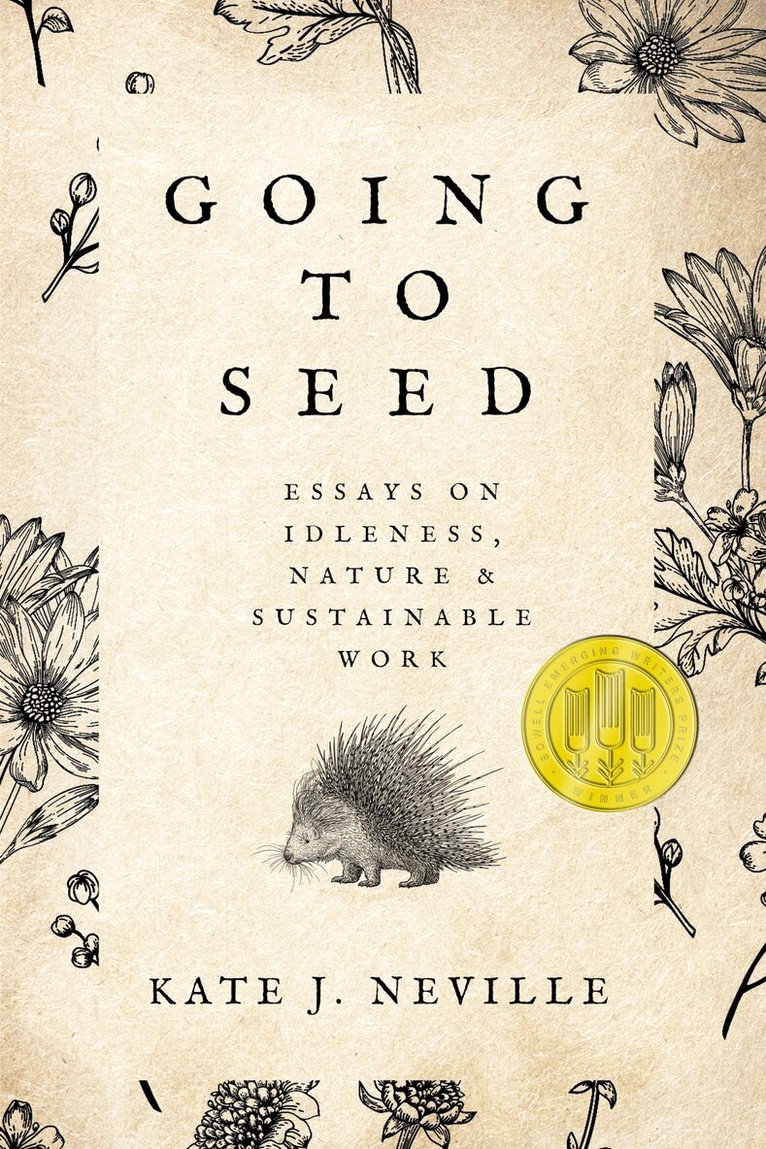
An abandoned place, a dishevelled person, a shabby or deteriorating state: we describe such ruin colloquially as "going to seed."But gardeners will protest: going to seed as idle? No, plants are sending out compressed packets filled with the energy needed to sow new life. A pause from flowering gives a chance for the seeds to form.In a time of urgent environmental change, of pressing social injustice, and of ever-advancing technologies and global connections, we often respond with acceleration--a speeding up and scaling up of our strategies to counter the damage and destruction around us. But what if we take the seeds as a starting point: what might we learn about work, sustainability, and relationships on this beleaguered planet if we slowed down, stepped back, and held off?Going to Seed explores questions of idleness, considering the labour both of humans and of the myriad other inhabitants of the world. Drawing on science, literature, poetry, and personal observation, these winding and sometimes playful essays pay attention to the exertions and activities of the other-than-human lives that are usually excluded from our built and settled spaces, asking whose work and what kinds of work might be needed for a more just future for all.