Katerina Lagos – författare
Visar alla böcker från författaren Katerina Lagos. Handla med fri frakt och snabb leverans.
8 produkter
The Greek Revolution
Ottoman Transits and the Modern World
Inbunden, 2028
1232 kr
Kommande
This book examines the period of the Greek War of Independence from 1821 through 1829. It uses a multidimensional approach to collectively examine the transition from the Ottoman world defined by localism, exceptionalism, and deep entanglement within imperial governance to one increasingly …
Greek Environmental Perspectives since Antiquity
Envisioning the Landscape
Av James Horncastle, Katerina Lagos
Inbunden, 2027
1232 kr
Kommande
Bringing together an international, multidisciplinary cast of scholars, this book provides an examination of the ways in which the natural environment and human societies have interacted throughout history in the Greek lands. Using Greece as a case study, it traces this complex relationship from …
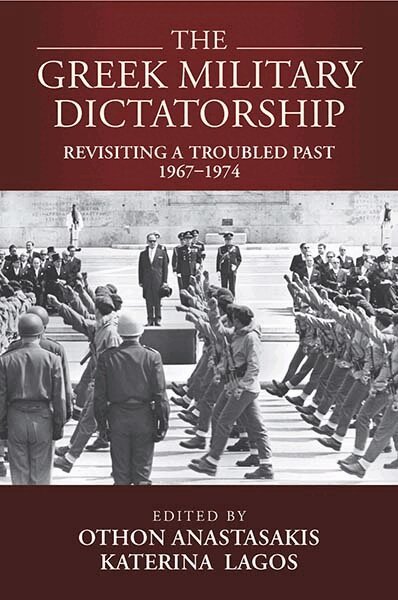
Greek Military Dictatorship
Revisiting a Troubled Past, 1967–1974
Av Othon Anastasakis, Katerina Lagos
Inbunden, 2021
2186 kr
Lägg i varukorg
From 1967 to 1974, the military junta ruling Greece attempted a dramatic reshaping of the nation, implementing ideas and policies that left a lasting mark on both domestic affairs and international relations. Bringing together leading scholars from a range of disciplines, The Greek Military …
Greek Military Dictatorship
Revisiting a Troubled Past, 1967–1974
Av Othon Anastasakis, Katerina Lagos
Häftad, 2023
463 kr
Lägg i varukorg
From 1967 to 1974, the military junta ruling Greece attempted a dramatic reshaping of the nation, implementing ideas and policies that left a lasting mark on both domestic affairs and international relations. Bringing together leading scholars from a range of disciplines, The Greek Military …
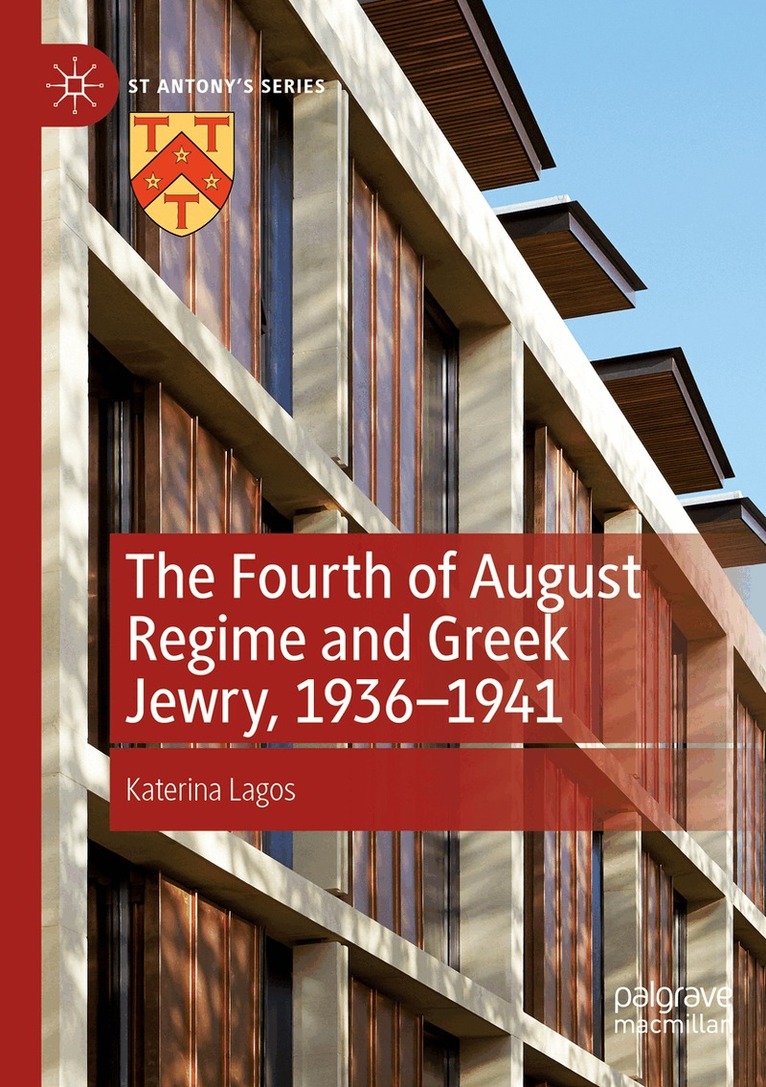
Fourth of August Regime and Greek Jewry, 1936-1941
Inbunden, 2023
1641 kr
Lägg i varukorg
Delving into a traditionally underexplored period, this book focuses on the treatment of Greek Jews under the dictatorship of Ioannis Metaxas in the years leading up to the Second World War. Almost 86% of Greek Jews died in the Holocaust, leading many to think this was because of Metaxas and his …
Fourth of August Regime and Greek Jewry, 1936-1941
E-bok, 2023
2174 kr
Lägg i varukorg
Delving into a traditionally underexplored period, this book focuses on the treatment of Greek Jews under the dictatorship of Ioannis Metaxas in the years leading up to the Second World War. Almost 86% of Greek Jews died in the Holocaust, leading many to think this was because of Metaxas and his …
Fourth of August Regime and Greek Jewry, 1936-1941
Häftad, 2024
1641 kr
Lägg i varukorg
Delving into a traditionally underexplored period, this book focuses on the treatment of Greek Jews under the dictatorship of Ioannis Metaxas in the years leading up to the Second World War. Almost 86% of Greek Jews died in the Holocaust, leading many to think this was because of Metaxas and his …