Katerina Mihaylova – författare
Visar alla böcker från författaren Katerina Mihaylova. Handla med fri frakt och snabb leverans.
5 produkter
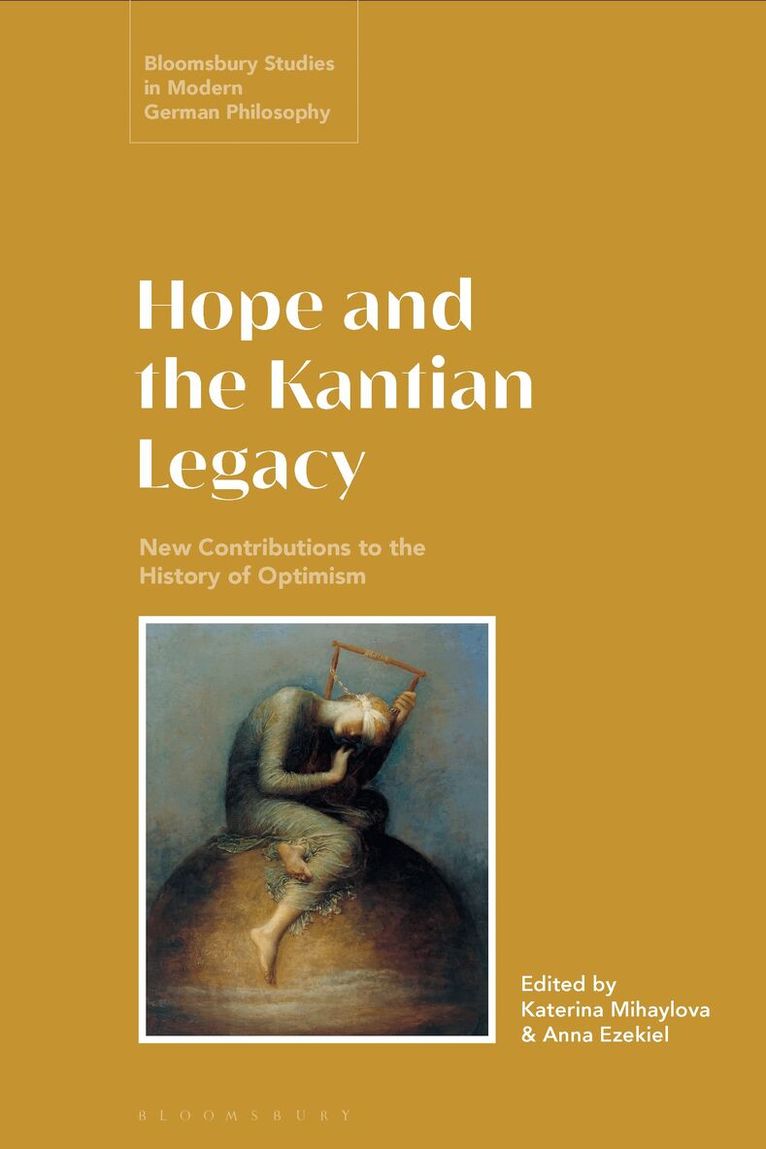
Hope and the Kantian Legacy
New Contributions to the History of Optimism
Av Katerina Mihaylova, Anna Ezekiel
Inbunden, 2023
1985 kr
Lägg i varukorg
Hope is understood to be a significant part of human experience, including for motivating behaviour, promoting happiness, and justifying a conception of the self as having agency. Yet substantial gaps remain regarding the development of the concept of hope in the history of philosophy. This …
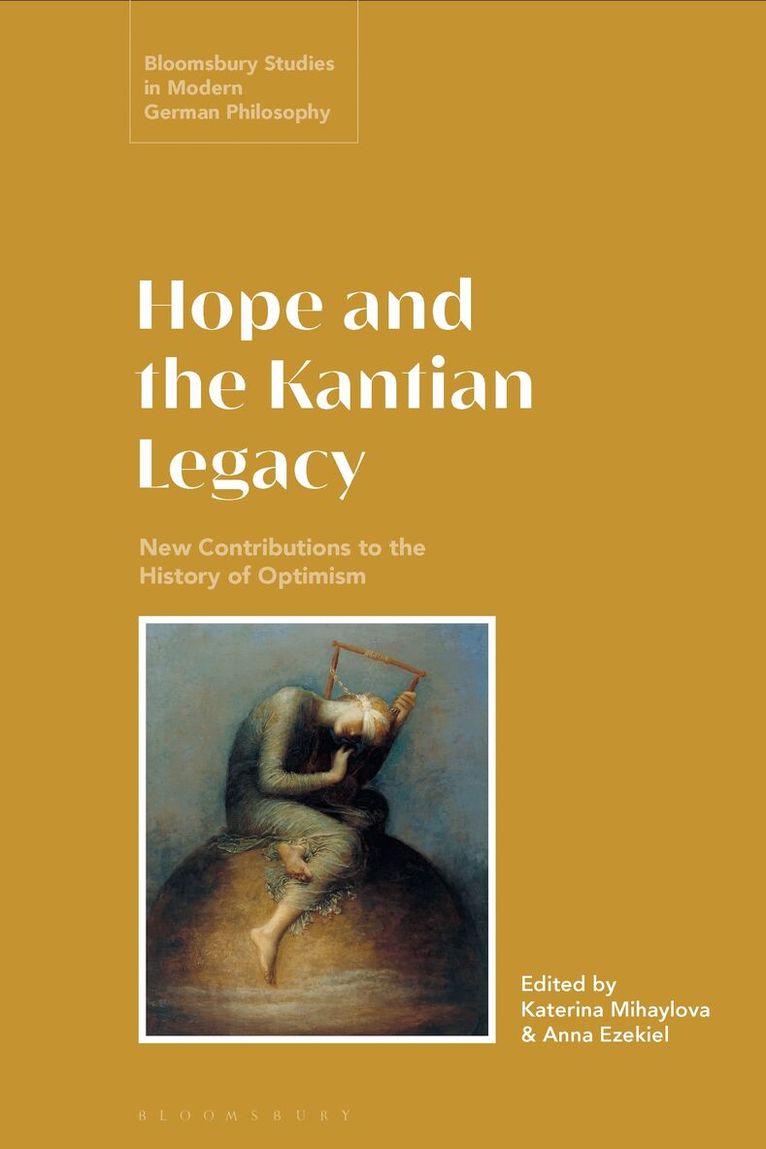
Hope and the Kantian Legacy
New Contributions to the History of Optimism
Av Katerina Mihaylova, Anna Ezekiel
E-bok, 2023
624 kr
Lägg i varukorg
Hope is understood to be a significant part of human experience, including for motivating behaviour, promoting happiness, and justifying a conception of the self as having agency. Yet substantial gaps remain regarding the development of the concept of hope in the history of philosophy. This …
Hope and the Kantian Legacy
New Contributions to the History of Optimism
Av Katerina Mihaylova, Anna Ezekiel
E-bok, 2023
624 kr
Lägg i varukorg
Hope is understood to be a significant part of human experience, including for motivating behaviour, promoting happiness, and justifying a conception of the self as having agency. Yet substantial gaps remain regarding the development of the concept of hope in the history of philosophy. This …
Hope and the Kantian Legacy
New Contributions to the History of Optimism
Av Katerina Mihaylova, Anna Ezekiel
Häftad, 2025
572 kr
Lägg i varukorg
Hope is understood to be a significant part of human experience, including for motivating behaviour, promoting happiness, and justifying a conception of the self as having agency. Yet substantial gaps remain regarding the development of the concept of hope in the history of philosophy. This …
Das Band der Gesellschaft
Verbindlichkeitsdiskurse im 18. Jahrhundert
Av Katerina Mihaylova, Simon Bunke m. fl.
Häftad, 2015
1320 kr
Tillfälligt slut
Mit den Rationalisierungsbemühungen der Frühneuzeit ergeben sich weiterreichende Konsequenzen für das Selbstverständnis der Individuen als soziale wie moralische Akteure. Grundlegend ist dabei die Verinnerlichung verbindlichkeitsverbürgender Geltungsmaßstäbe der Moral. Dort, wo rein äußerliche, …