Katherine Cumings Mansfield - Böcker
Visar alla böcker från författaren Katherine Cumings Mansfield. Handla med fri frakt och snabb leverans.
4 produkter
4 produkter
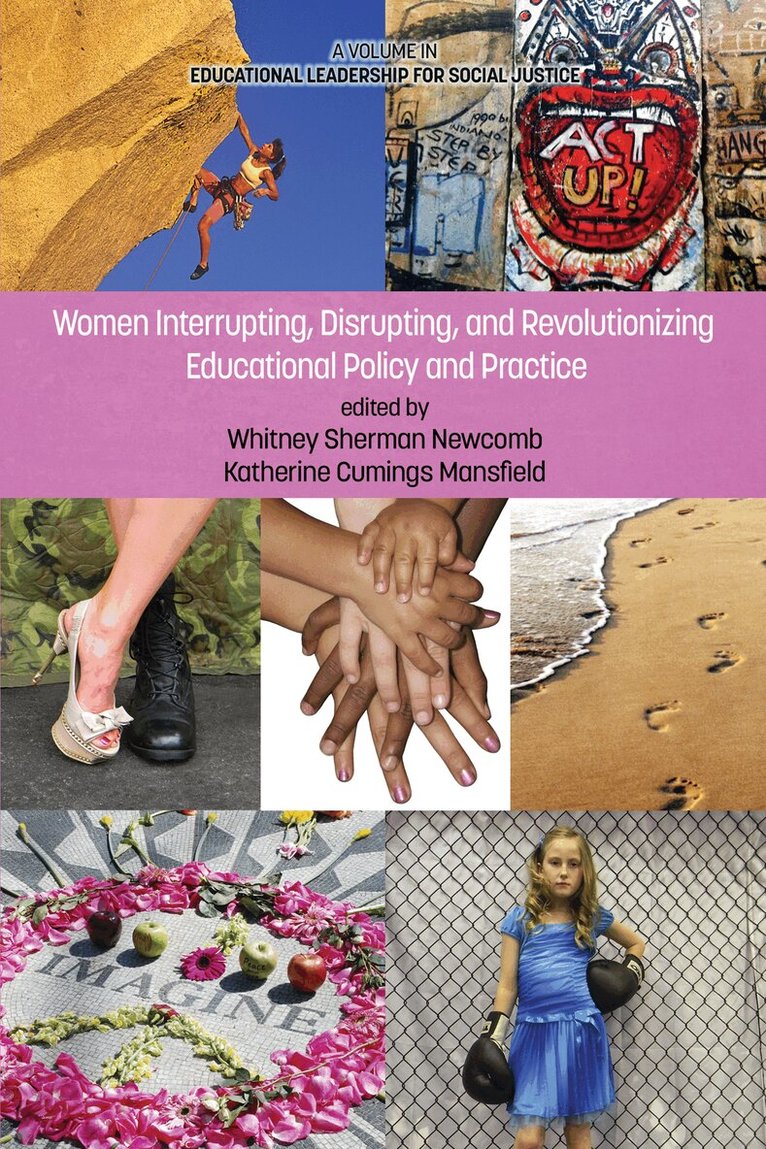
Women Interrupting, Disrupting, and Revolutionizing Educational Policy and Practice
Häftad, Engelska, 2014
642 kr
Skickas inom 7-10 vardagar
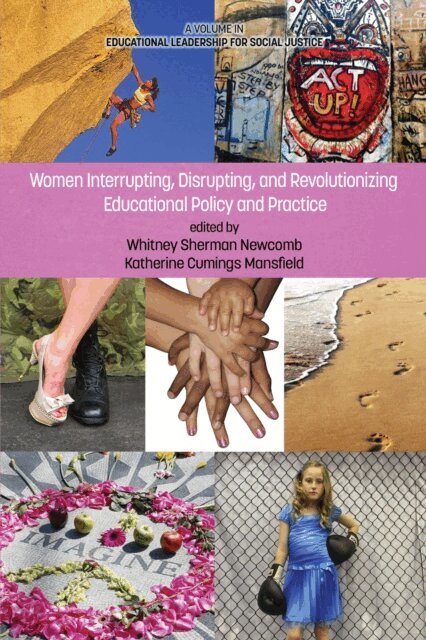
The idea for this book was born from discussions at several recent academic events including the Women Leading Education (WLE) International Conference in Volos, Greece (2012) and the University Council for Educational Administration (UCEA) Conference in Pittsburgh, Pennsylvania (2011) as well as from informal dialogue amongst ourselves and various colleagues, both new and veteran to the field of educational leadership and, in particular, dedicated to the study of women in leadership. At both the WLE Conference and the UCEA Conference, we heard frustration from veteran women in the field that the study of women in leadership is stagnant and has not moved forward in several years; with scholars new to the field continuing to write and publish work about barriers to aspiring and practicing women leaders (the same types of reports that began the "formal" inquiry into women's lives as leaders back in the 1980s) without being able to push forward with "new" information or ideas for change. In essence, the concerns and questions that were posed from some veteran women were: Why are we continuing to report the same things that we reported 30 years ago?; Why are we still talking about barriers to women in leadership?; and Why haven't we moved past gender binaries in regard to leadership ideas and practice? Considering these questions, some women new to the field countered with their own set of responses and questions that included: Is it not significant to report that some women are still experiencing the same types of barriers in leadership that were highlighted 30 years ago?; Is it accurate to report that all women's voices have now been heard/represented?; and How can we report something different if it hasn't happened?The discussions that have ensued between veteran women and those new to the field inspired us to develop a book that situates women in leadership exactly where we are today (and reports the status of girls who are positioned to continue the "good fight" that began many years ago) and that both highlights the changes that have occurred and reports any stagnancy that continues to threaten women's positionality in educational leadership literature, practice, and policy. It forefronts the voices of women educational scholars who have (and are) interrupting, disrupting, and revolutionizing educational policy and practice. Our book reports women's leadership activities and knowledge in both the k-12 and university settings and concludes with chapters ripe with ideas for pushing for change through policy, advocacy, and activism. The final chapter presents themes that emerged from the individual chapters and sets forth an agenda to move forward with the study of women in leadership.
Women Interrupting, Disrupting, and Revolutionizing Educational Policy and Practice
Inbunden, Engelska, 2014
1 087 kr
Skickas inom 7-10 vardagar
The idea for this book was born from discussions at several recent academic events including the Women Leading Education (WLE) International Conference in Volos, Greece (2012) and the University Council for Educational Administration (UCEA) Conference in Pittsburgh, Pennsylvania (2011) as well as from informal dialogue amongst ourselves and various colleagues, both new and veteran to the field of educational leadership and, in particular, dedicated to the study of women in leadership. At both the WLE Conference and the UCEA Conference, we heard frustration from veteran women in the field that the study of women in leadership is stagnant and has not moved forward in several years; with scholars new to the field continuing to write and publish work about barriers to aspiring and practicing women leaders (the same types of reports that began the "formal" inquiry into women's lives as leaders back in the 1980s) without being able to push forward with "new" information or ideas for change. In essence, the concerns and questions that were posed from some veteran women were: Why are we continuing to report the same things that we reported 30 years ago?; Why are we still talking about barriers to women in leadership?; and Why haven't we moved past gender binaries in regard to leadership ideas and practice? Considering these questions, some women new to the field countered with their own set of responses and questions that included: Is it not significant to report that some women are still experiencing the same types of barriers in leadership that were highlighted 30 years ago?; Is it accurate to report that all women's voices have now been heard/represented?; and How can we report something different if it hasn't happened?The discussions that have ensued between veteran women and those new to the field inspired us to develop a book that situates women in leadership exactly where we are today (and reports the status of girls who are positioned to continue the "good fight" that began many years ago) and that both highlights the changes that have occurred and reports any stagnancy that continues to threaten women's positionality in educational leadership literature, practice, and policy. It forefronts the voices of women educational scholars who have (and are) interrupting, disrupting, and revolutionizing educational policy and practice. Our book reports women's leadership activities and knowledge in both the k-12 and university settings and concludes with chapters ripe with ideas for pushing for change through policy, advocacy, and activism. The final chapter presents themes that emerged from the individual chapters and sets forth an agenda to move forward with the study of women in leadership.
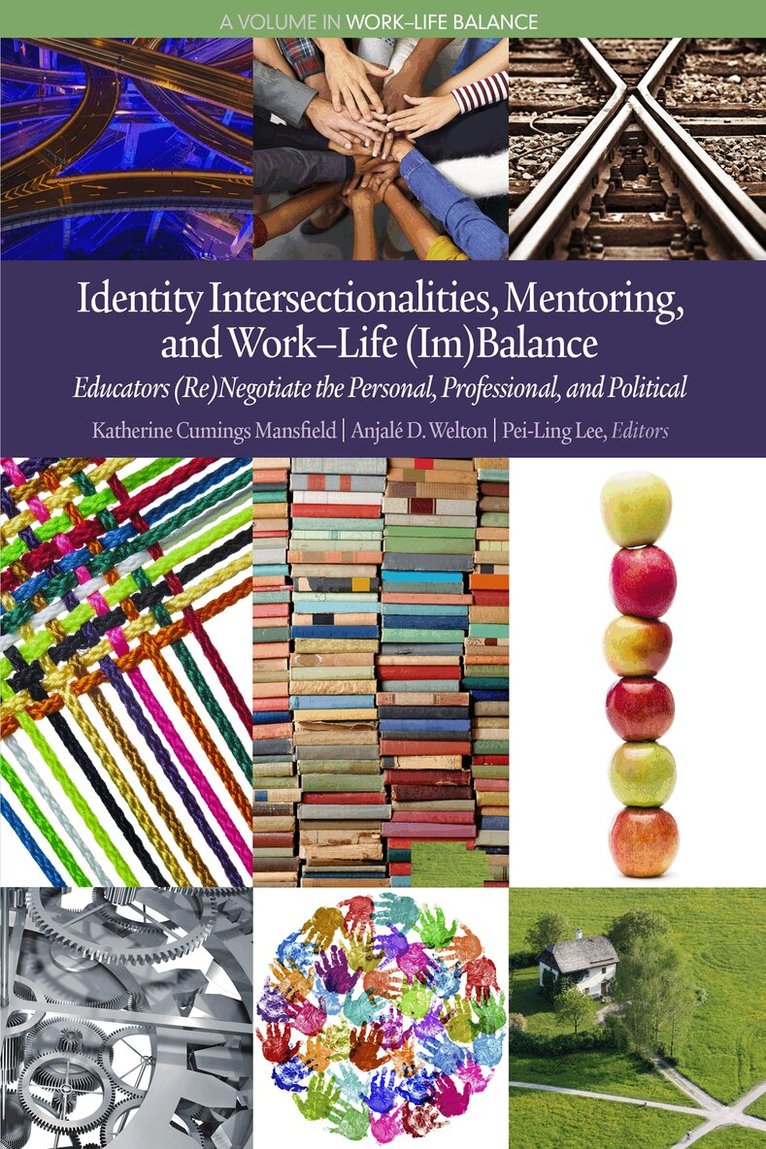
Identity Intersectionalities, Mentoring, and Work-Life (Im)Balance
Educators (Re)Negotiate the Personal, Professional, and Political
Häftad, Engelska, 2016
579 kr
Skickas inom 7-10 vardagar
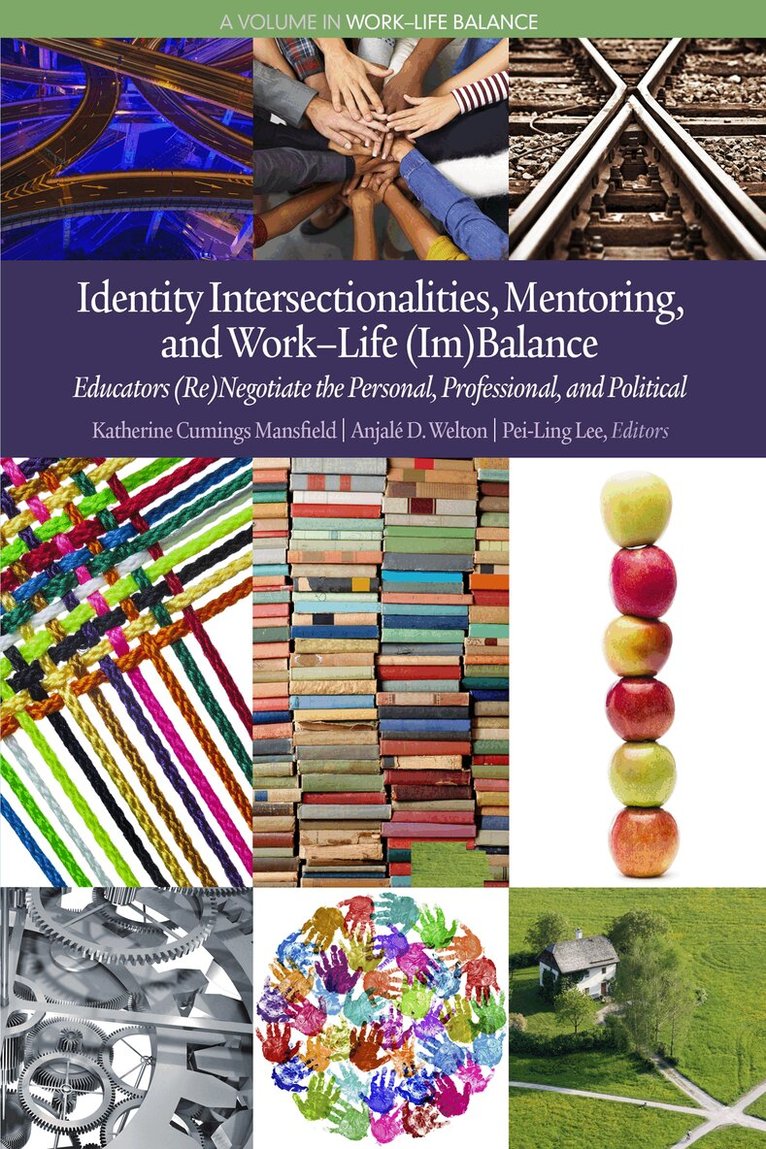
Identity matters. Who we are in terms of our intersecting identities such as gender, race, social class, (dis)ability, geography, and religion are integral to who we are and how we navigate work and life. Unfortunately, many people have yet to grasp this understanding and, as a result, so many of our work spaces lack appropriate responses to what this means. Therefore, Identity Intersectionalities, Mentoring, and Work-life (Im)balance: Educators (Re)negotiate the Personal, Professional, and Political, the most recent installment of the work-life balance series, uses an intersectional perspective to critically examine the concept of work-life balance.In an effort to build on the first book in the series, that focused on professors in educational leadership preparation programs, the authors here represent educators across the P-20 pipeline (primary and secondary schools in addition to higher education). This book is also unique in that it includes the voices of practitioners, students, and academics from a variety of related disciplines within the education profession, enabling the editors to include a diverse group of educators whose many voices speak to work-life balance in unique and very personal ways.Contributing authors challenge whether the concept of work-life balance might be conceived as a privileged –and even an impractical-endeavor. Yet, the bottom line is, conceptions of work-life balance are exceptionally complex and vary widely depending on one’s many roles and intersecting identities. Moreover, this book considers how mentoring is important to negotiating the politics that come with balancing work and life; especially, if those intersecting identities are frequently associated with unsolicited stereotypes that impede upon one’s academic, professional and personal pursuits in life.Finally, the editors argue that the power to authentically 'be ourselves' is not only important to individual success, but also beneficial to fostering an institutional culture and climate that is truly supportive of and responsive to diversity, equity, and justice. Taken together, the voices in this book are a clarion call for P-12 and higher education professionals and organizations to envision how identity intersectionalities might become an every-day understanding, a normalized appreciation, and a customary commitment that translates into policy and practice.
Identity Intersectionalities, Mentoring, and Work-Life (Im)Balance
Educators (Re)Negotiate the Personal, Professional, and Political
Inbunden, Engelska, 2016
1 023 kr
Skickas inom 7-10 vardagar
Identity matters. Who we are in terms of our intersecting identities such as gender, race, social class, (dis)ability, geography, and religion are integral to who we are and how we navigate work and life. Unfortunately, many people have yet to grasp this understanding and, as a result, so many of our work spaces lack appropriate responses to what this means. Therefore, Identity Intersectionalities, Mentoring, and Work-life (Im)balance: Educators (Re)negotiate the Personal, Professional, and Political, the most recent installment of the work-life balance series, uses an intersectional perspective to critically examine the concept of work-life balance.In an effort to build on the first book in the series, that focused on professors in educational leadership preparation programs, the authors here represent educators across the P-20 pipeline (primary and secondary schools in addition to higher education). This book is also unique in that it includes the voices of practitioners, students, and academics from a variety of related disciplines within the education profession, enabling the editors to include a diverse group of educators whose many voices speak to work-life balance in unique and very personal ways.Contributing authors challenge whether the concept of work-life balance might be conceived as a privileged –and even an impractical-endeavor. Yet, the bottom line is, conceptions of work-life balance are exceptionally complex and vary widely depending on one’s many roles and intersecting identities. Moreover, this book considers how mentoring is important to negotiating the politics that come with balancing work and life; especially, if those intersecting identities are frequently associated with unsolicited stereotypes that impede upon one’s academic, professional and personal pursuits in life.Finally, the editors argue that the power to authentically 'be ourselves' is not only important to individual success, but also beneficial to fostering an institutional culture and climate that is truly supportive of and responsive to diversity, equity, and justice. Taken together, the voices in this book are a clarion call for P-12 and higher education professionals and organizations to envision how identity intersectionalities might become an every-day understanding, a normalized appreciation, and a customary commitment that translates into policy and practice.