Katherine Fusco - Böcker
Visar alla böcker från författaren Katherine Fusco. Handla med fri frakt och snabb leverans.
6 produkter
6 produkter
1 099 kr
Skickas inom 7-10 vardagar
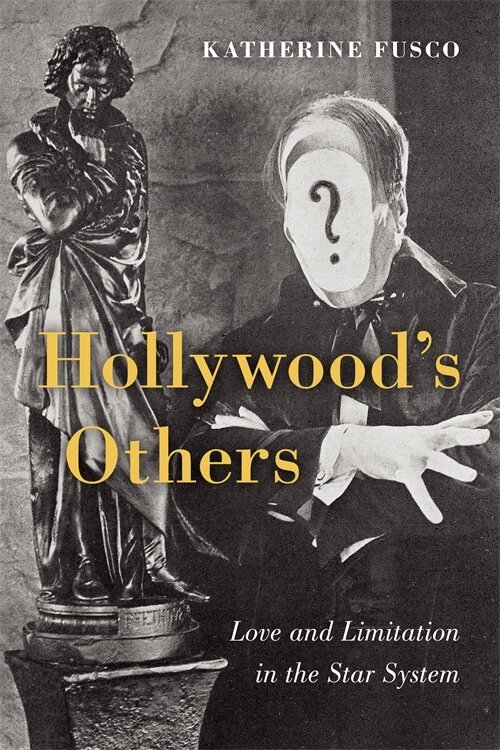
We tend to think about movie stars as either glamorous or relatable. But in the 1920s and 1930s, when the Hollywood star system was taking shape, a number of unusual stars appeared on the silver screen, representing groups from which the American mainstream typically sought to avert its eyes. What did it mean for a white entertainment columnist to empathize with an ambiguously gendered Black child star? Or for boys to idolize Lon Chaney, famous for portraying characters with disabilities?Hollywood’s Others explores the affective ties between white, non-disabled audiences and the fascinatingly different stars with whom they identified—but only up to a point. Katherine Fusco argues that stardom in this era at once offered ways for viewers to connect across group boundaries while also policing the limits of empathy. Examining fan magazines alongside film performances, she traces the intense audience attachment to atypical celebrities and the ways the film industry sought to manage it. Fusco considers Shirley Temple’s career in light of child labor laws and changing notions of childhood; shows how white viewers responded to Black music in depictions of the antebellum South; and analyzes the gender politics of conspiracy theories around celebrity suicides. Shedding light on marginalized stardoms and the anxieties they provoked, Hollywood’s Others challenges common notions about film’s capacity to build empathy.
276 kr
Skickas inom 7-10 vardagar
We tend to think about movie stars as either glamorous or relatable. But in the 1920s and 1930s, when the Hollywood star system was taking shape, a number of unusual stars appeared on the silver screen, representing groups from which the American mainstream typically sought to avert its eyes. What did it mean for a white entertainment columnist to empathize with an ambiguously gendered Black child star? Or for boys to idolize Lon Chaney, famous for portraying characters with disabilities?Hollywood’s Others explores the affective ties between white, non-disabled audiences and the fascinatingly different stars with whom they identified—but only up to a point. Katherine Fusco argues that stardom in this era at once offered ways for viewers to connect across group boundaries while also policing the limits of empathy. Examining fan magazines alongside film performances, she traces the intense audience attachment to atypical celebrities and the ways the film industry sought to manage it. Fusco considers Shirley Temple’s career in light of child labor laws and changing notions of childhood; shows how white viewers responded to Black music in depictions of the antebellum South; and analyzes the gender politics of conspiracy theories around celebrity suicides. Shedding light on marginalized stardoms and the anxieties they provoked, Hollywood’s Others challenges common notions about film’s capacity to build empathy.
1 239 kr
Skickas inom 7-10 vardagar
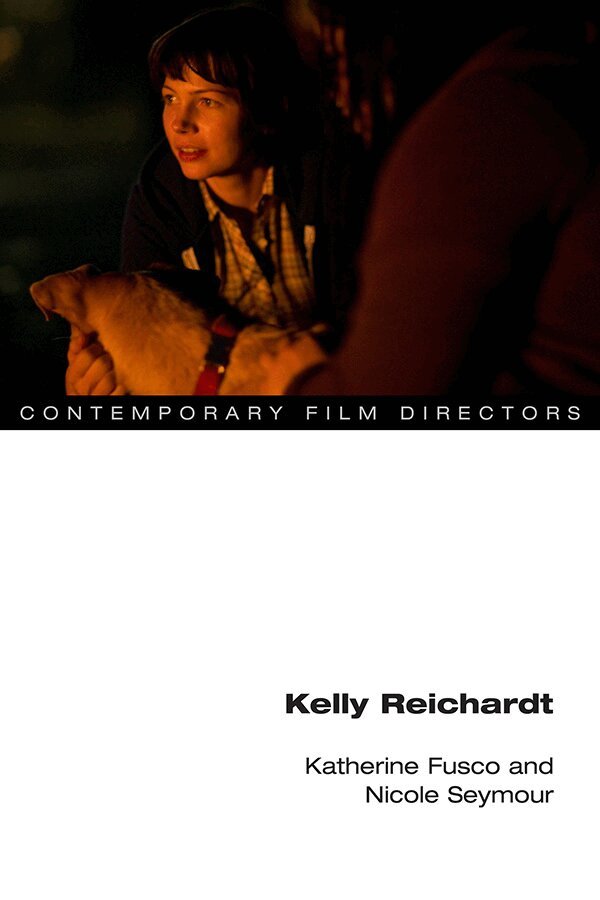
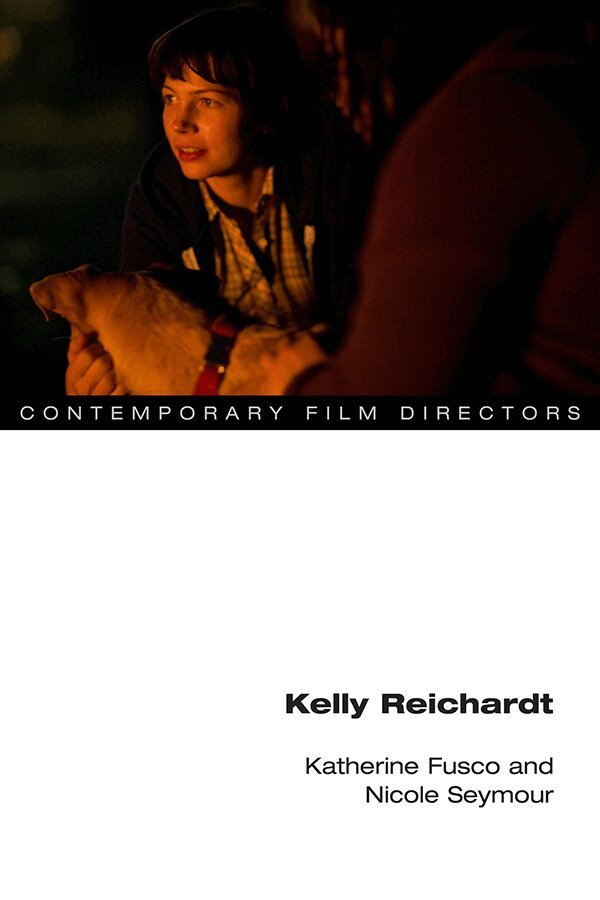
Kelly Reichardt's 1994 debut River of Grass established her gift for a slow-paced realism that emphasizes the ongoing, everyday nature of emergency. Her work since then has communed with--yet remained apart from--postwar European realisms, the American avant-garde, independent film, and the emerging slow cinema movement. Katherine Fusco and Nicole Seymour read such Reichardt films as Wendy and Lucy and Night Moves to consider the root that emergency shares with emergence --the slowly unfolding or the barely perceptible. They see Reichardt as a filmmaker preoccupied with how environmental and economic crises affect those living on society's fringes. Her spare plots and slow editing reveal an artist who recognizes that disasters are gradual, with effects experienced through duration rather than sudden shock. Insightful and boldly argued, Kelly Reichardt is a long overdue portrait of a filmmaker who sees emergency not as a break from the everyday, but as a version of it.
245 kr
Skickas inom 7-10 vardagar
Kelly Reichardt's 1994 debut River of Grass established her gift for a slow-paced realism that emphasizes the ongoing, everyday nature of emergency. Her work since then has communed with--yet remained apart from--postwar European realisms, the American avant-garde, independent film, and the emerging slow cinema movement. Katherine Fusco and Nicole Seymour read such Reichardt films as Wendy and Lucy and Night Moves to consider the root that emergency shares with emergence --the slowly unfolding or the barely perceptible. They see Reichardt as a filmmaker preoccupied with how environmental and economic crises affect those living on society's fringes. Her spare plots and slow editing reveal an artist who recognizes that disasters are gradual, with effects experienced through duration rather than sudden shock. Insightful and boldly argued, Kelly Reichardt is a long overdue portrait of a filmmaker who sees emergency not as a break from the everyday, but as a version of it.
727 kr
Skickas inom 10-15 vardagar
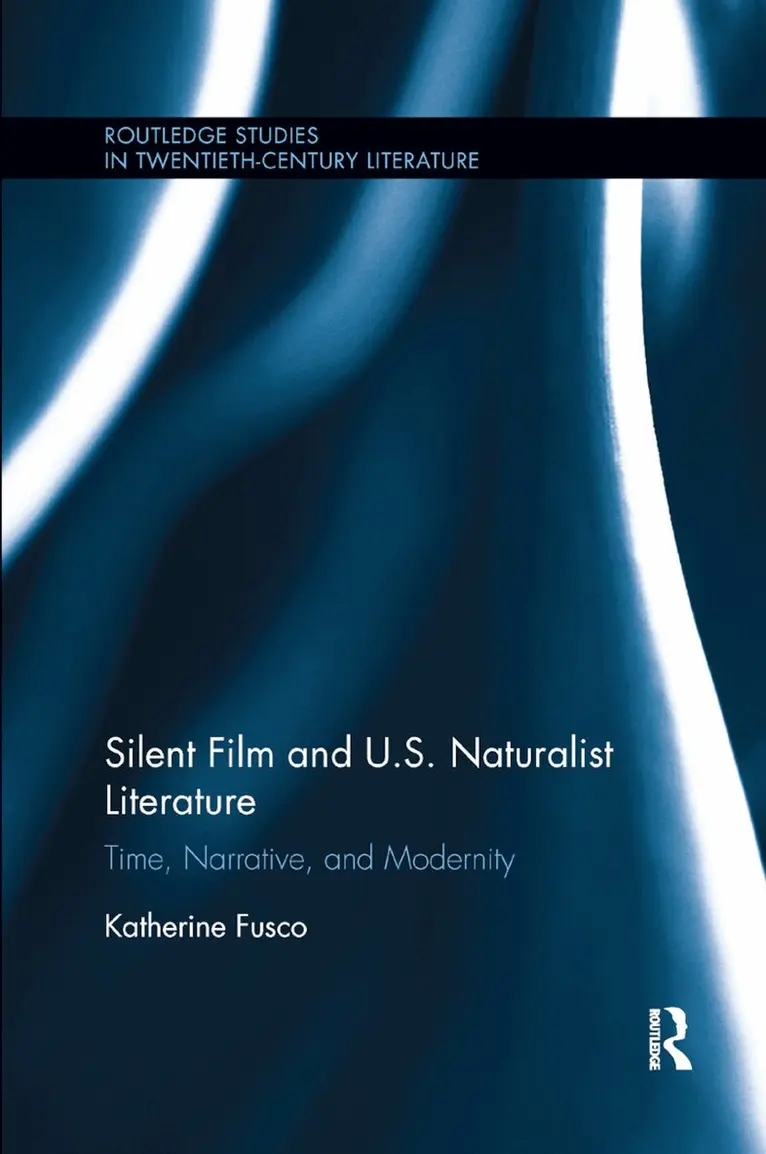
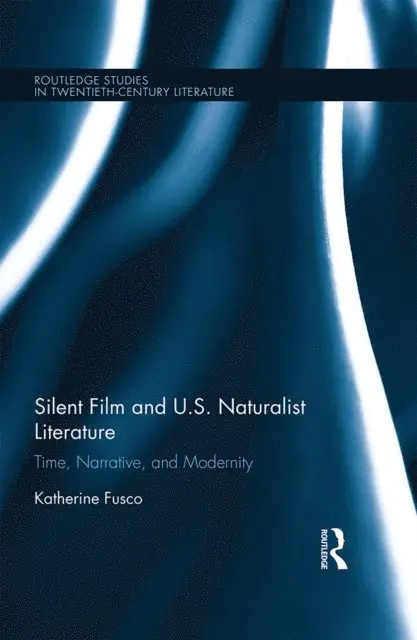
Typically, studies of early cinema’s relation to literature have focused on the interactions between film and modernism. When film first emerged, however, it was naturalism, not modernism, competing for the American public’s attention. In this media ecosystem, the cinema appeared alongside the works of authors including Charlotte Perkins Gilman, Jack London, and Frank Norris. Drawing on contemporaneous theories of time and modernity as well as recent scholarship on film, narrative, and naturalism, this book moves beyond traditional adaptation studies approaches to argue that both naturalism and the early cinema intervened in the era’s varying experiments with temporality and time management. Specifically, it shows that American naturalist novels are constructed around a sustained formal and thematic interrogation of the relationship between human freedom and temporal inexorability and that the early cinema developed its norms in the context of naturalist experiments with time. The book identifies the silent cinema and naturalist novel’s shared privileging of narrative progress over character development as a symbolic solution to social and aesthetic concerns ranging from systems of representation, to historiography, labor reform, miscegenation, and birth control. This volume thus establishes the dynamic exchange between silent film and naturalism, arguing that in the products of this exchange, personality figures as excess bogging down otherwise efficient narratives of progress. Considering naturalist authors and a diverse range of early film genres, this is the first book-length study of the reciprocal media exchanges that took place when the cinema was new. It will be a valuable resource to those with interests in Adaptation Studies, American Literature, Film History, Literary Naturalism, Modernism, and Narrative Theory.
2 664 kr
Skickas inom 10-15 vardagar
Typically, studies of early cinema’s relation to literature have focused on the interactions between film and modernism. When film first emerged, however, it was naturalism, not modernism, competing for the American public’s attention. In this media ecosystem, the cinema appeared alongside the works of authors including Charlotte Perkins Gilman, Jack London, and Frank Norris. Drawing on contemporaneous theories of time and modernity as well as recent scholarship on film, narrative, and naturalism, this book moves beyond traditional adaptation studies approaches to argue that both naturalism and the early cinema intervened in the era’s varying experiments with temporality and time management. Specifically, it shows that American naturalist novels are constructed around a sustained formal and thematic interrogation of the relationship between human freedom and temporal inexorability and that the early cinema developed its norms in the context of naturalist experiments with time. The book identifies the silent cinema and naturalist novel’s shared privileging of narrative progress over character development as a symbolic solution to social and aesthetic concerns ranging from systems of representation, to historiography, labor reform, miscegenation, and birth control. This volume thus establishes the dynamic exchange between silent film and naturalism, arguing that in the products of this exchange, personality figures as excess bogging down otherwise efficient narratives of progress. Considering naturalist authors and a diverse range of early film genres, this is the first book-length study of the reciprocal media exchanges that took place when the cinema was new. It will be a valuable resource to those with interests in Adaptation Studies, American Literature, Film History, Literary Naturalism, Modernism, and Narrative Theory.