Katherine L. French – författare
Visar alla böcker från författaren Katherine L. French. Handla med fri frakt och snabb leverans.
13 produkter
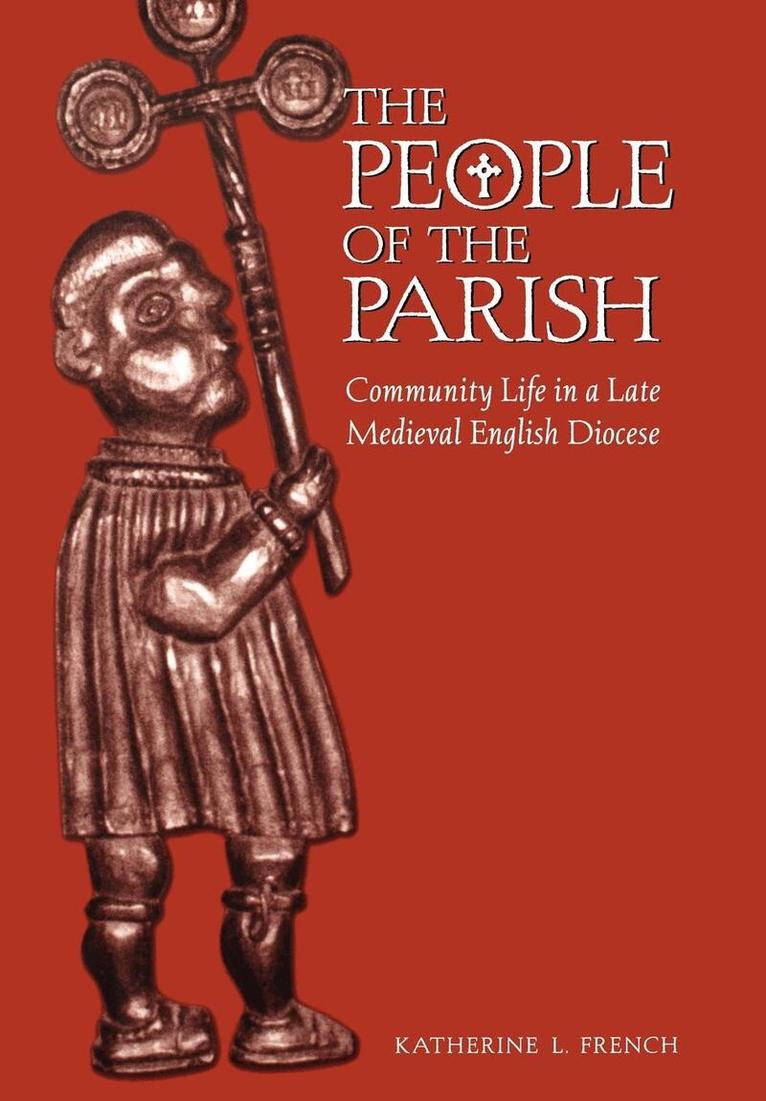
People of the Parish
Community Life in a Late Medieval English Diocese
E-bok, 2012
1157 kr
Lägg i varukorg
The parish, the lowest level of hierarchy in the medieval church, was the shared responsibility of the laity and the clergy. Most Christians were baptized, went to confession, were married, and were buried in the parish church or churchyard; in addition, business, legal settlements, sociability, …
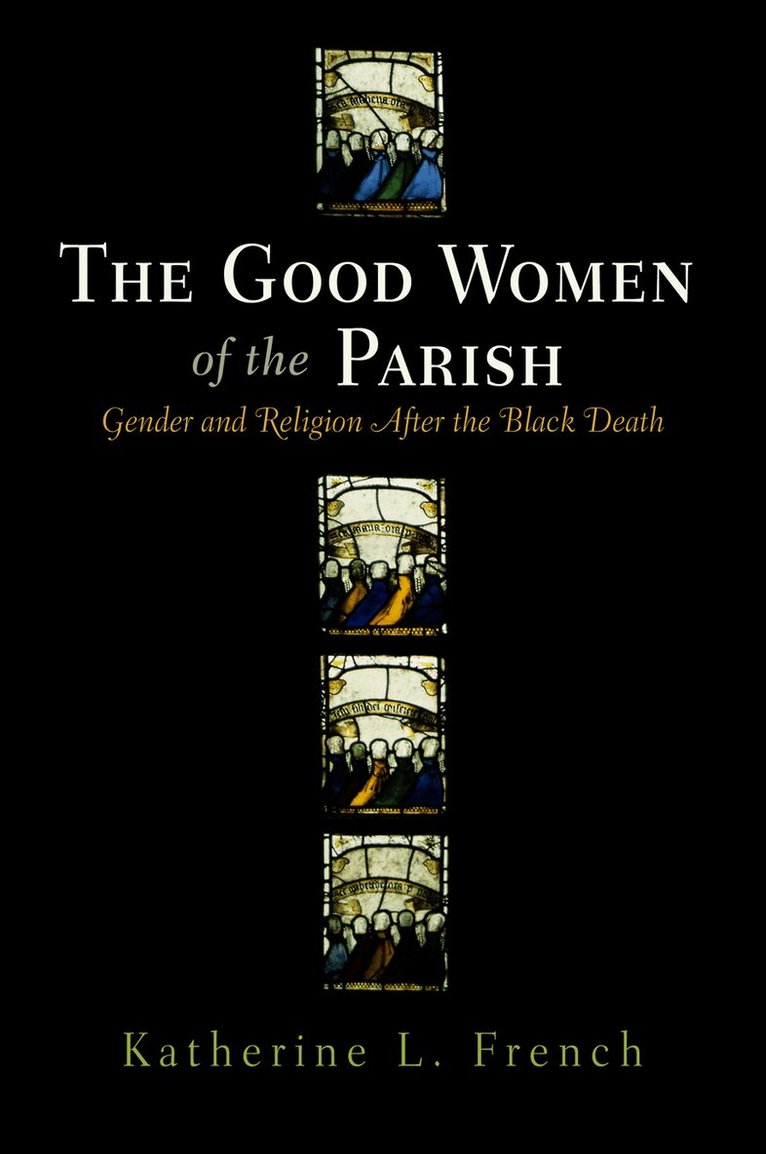
Good Women of the Parish
Gender and Religion After the Black Death
E-bok, 2013
1192 kr
Lägg i varukorg
There was immense social and economic upheaval between the Black Death and the English Reformation, and contemporary writers often blamed this upheaval on immorality, singling out women's behavior for particular censure. Late medieval moral treatises and sermons increasingly connected good behavior …
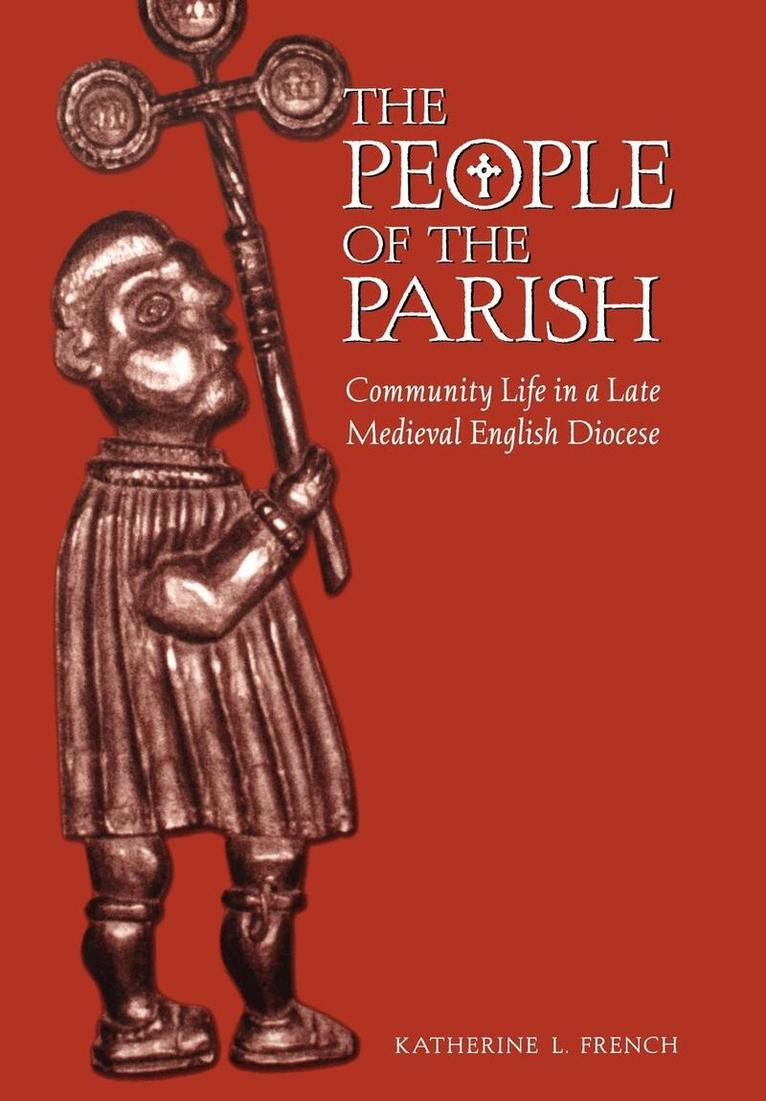
People of the Parish
Community Life in a Late Medieval English Diocese
Inbunden, 2000
967 kr
Lägg i varukorg
The parish, the lowest level of hierarchy in the medieval church, was the shared responsibility of the laity and the clergy. Most Christians were baptized, went to confession, were married, and were buried in the parish church or churchyard; in addition, business, legal settlements, sociability, …
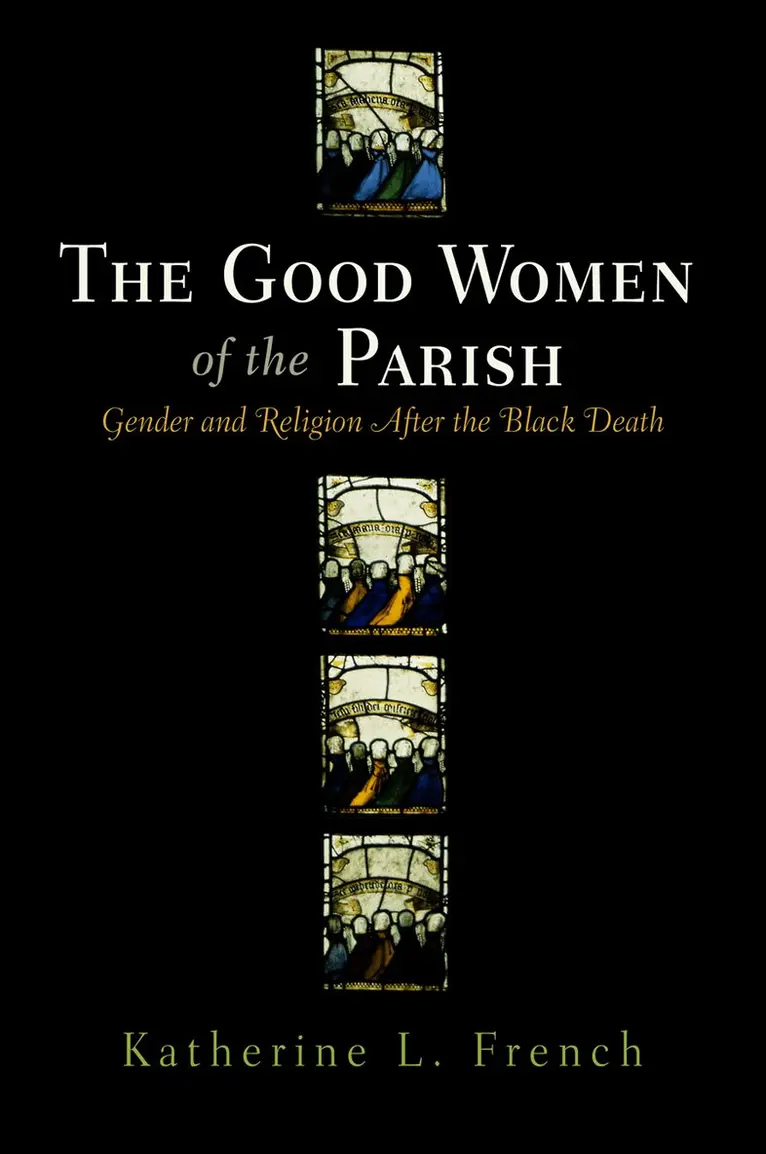
Good Women of the Parish
Gender and Religion After the Black Death
Inbunden, 2007
996 kr
Lägg i varukorg
There was immense social and economic upheaval between the Black Death and the English Reformation, and contemporary writers often blamed this upheaval on immorality, singling out women's behavior for particular censure. Late medieval moral treatises and sermons increasingly connected good behavior …
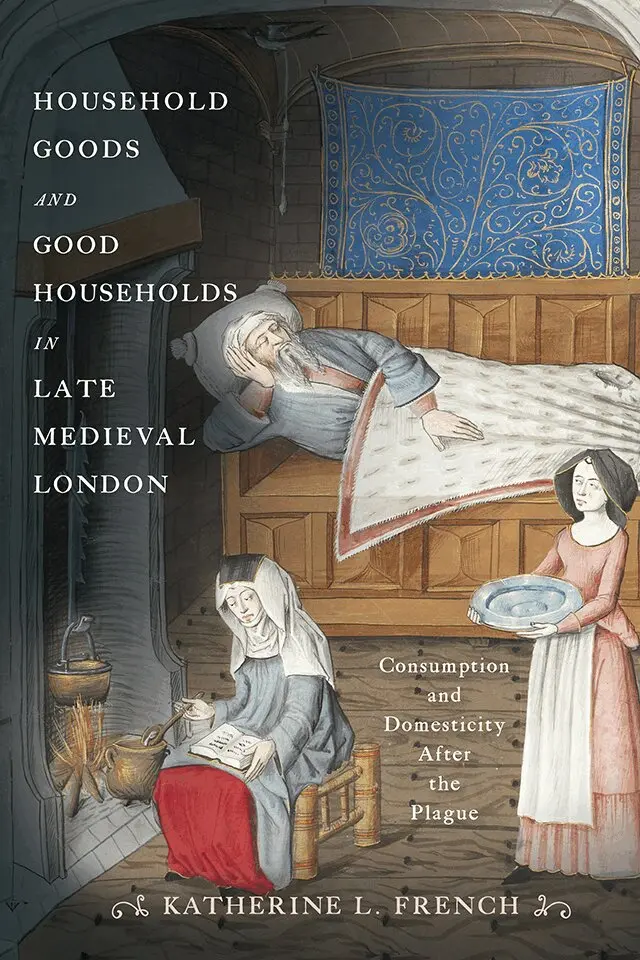
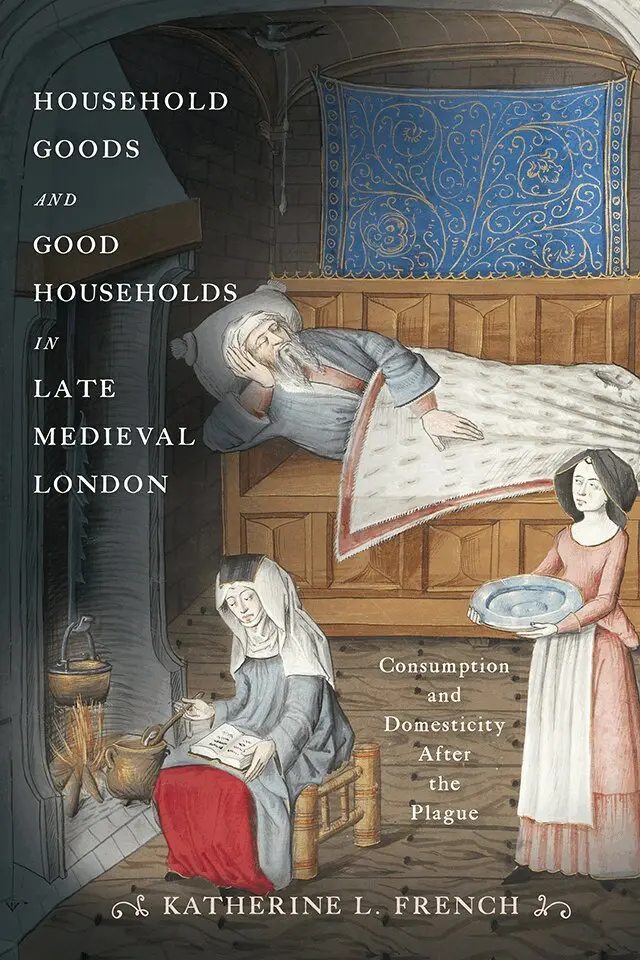
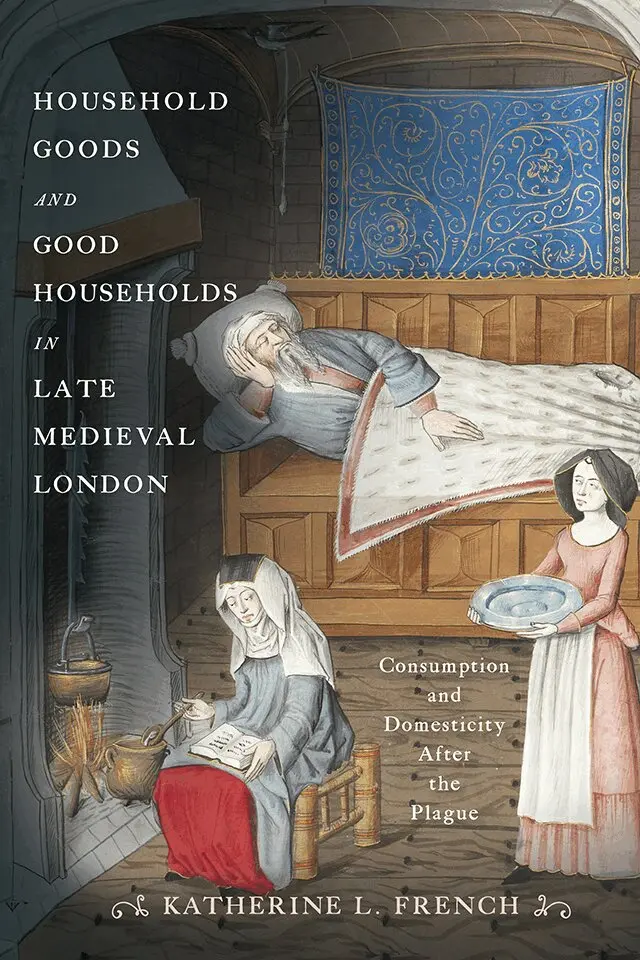
Household Goods and Good Households in Late Medieval London
Consumption and Domesticity After the Plague
Inbunden, 2021
938 kr
Lägg i varukorg
The Black Death that arrived in the spring of 1348 eventually killed nearly half of England's population. In its long aftermath, wages in London rose in response to labor shortages, many survivors moved into larger quarters in the depopulated city, and people in general spent more money on food, …
Household Goods and Good Households in Late Medieval London
Consumption and Domesticity After the Plague
E-bok, 2021
1125 kr
Lägg i varukorg
The Black Death that arrived in the spring of 1348 eventually killed nearly half of England's population. In its long aftermath, wages in London rose in response to labor shortages, many survivors moved into larger quarters in the depopulated city, and people in general spent more money on food, …
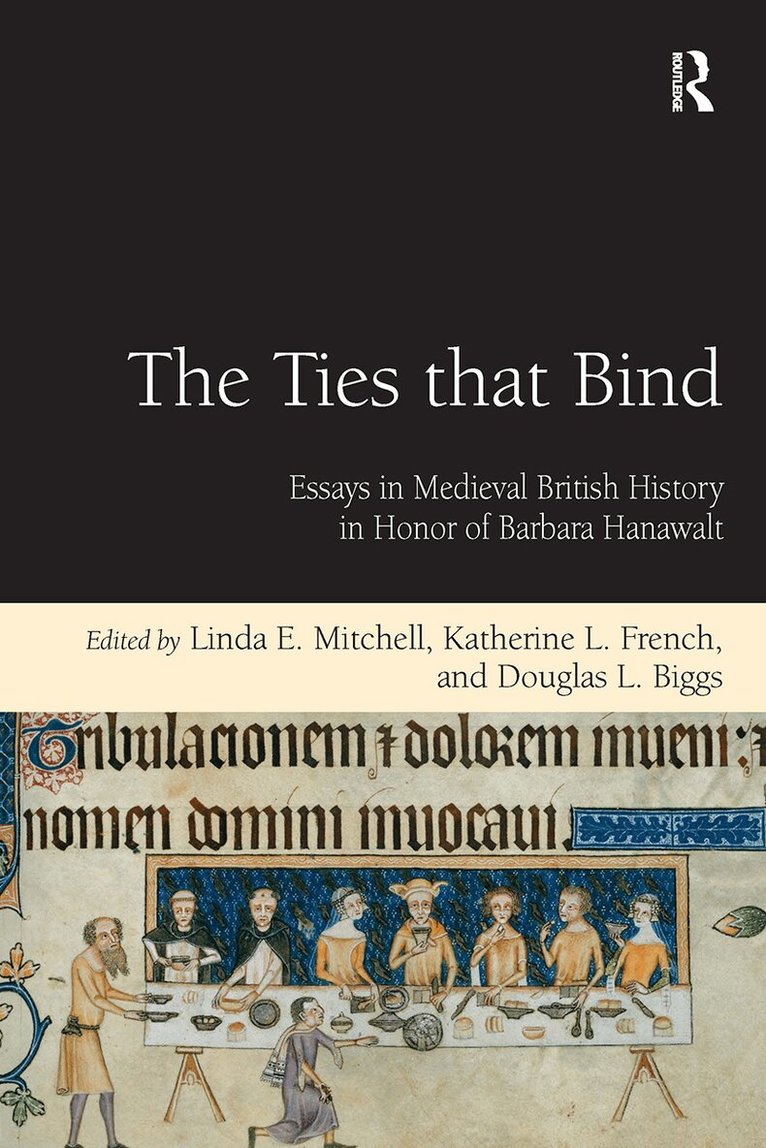
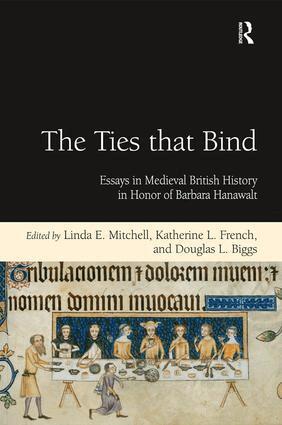
Ties that Bind
Essays in Medieval British History in Honor of Barbara Hanawalt
Av Katherine L. French, Douglas L. Biggs m. fl.
Häftad, 2024
667 kr
Lägg i varukorg
This collection of essays, whose title echoes that of her most well-known book, celebrates the career of Barbara A. Hanawalt, emerita George III Professor of British Studies at The Ohio State University. The volume's contents -- ranging from politics to family histories, from intimate portraits to …
Ties that Bind
Essays in Medieval British History in Honor of Barbara Hanawalt
Av Douglas L. Biggs, Katherine L. French m. fl.
E-bok, 2016
785 kr
Lägg i varukorg
This collection of essays, whose title echoes that of her most well-known book, celebrates the career of Barbara A. Hanawalt, emerita George III Professor of British Studies at The Ohio State University. The volume''s contents -- ranging from politics to family histories, from intimate portraits to …
Ties that Bind
Essays in Medieval British History in Honor of Barbara Hanawalt
Av Douglas L. Biggs, Katherine L. French m. fl.
E-bok, 2016
785 kr
Lägg i varukorg
This collection of essays, whose title echoes that of her most well-known book, celebrates the career of Barbara A. Hanawalt, emerita George III Professor of British Studies at The Ohio State University. The volume''s contents -- ranging from politics to family histories, from intimate portraits to …
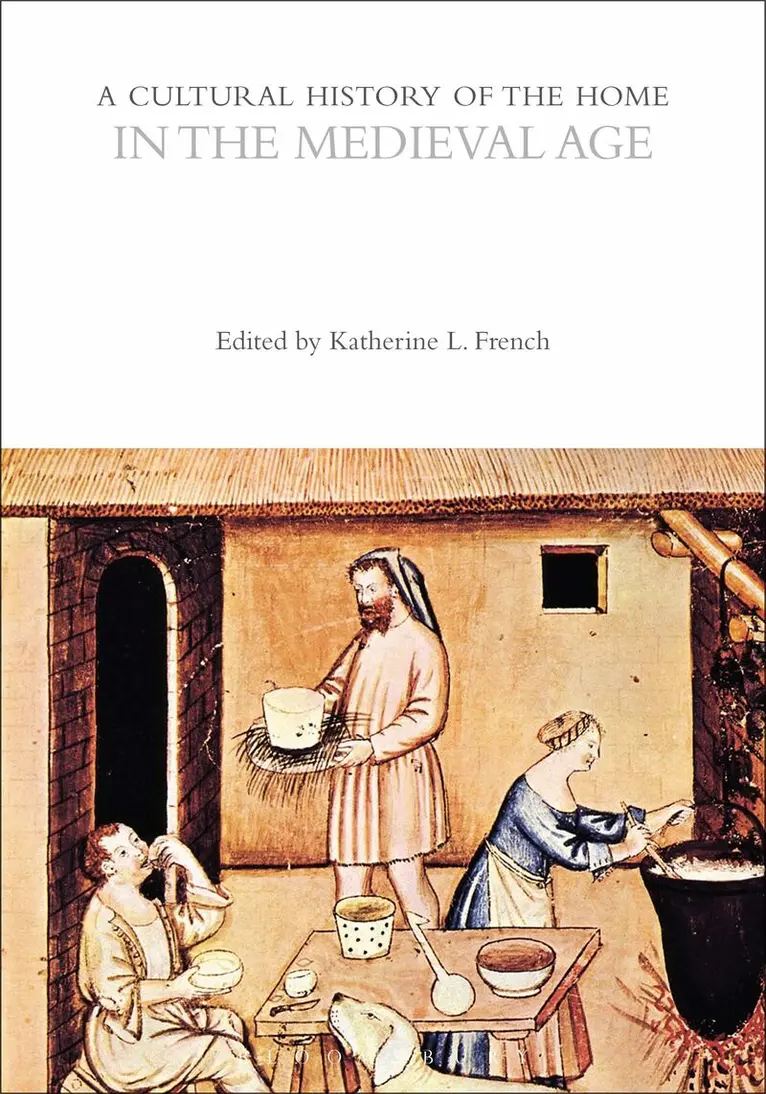
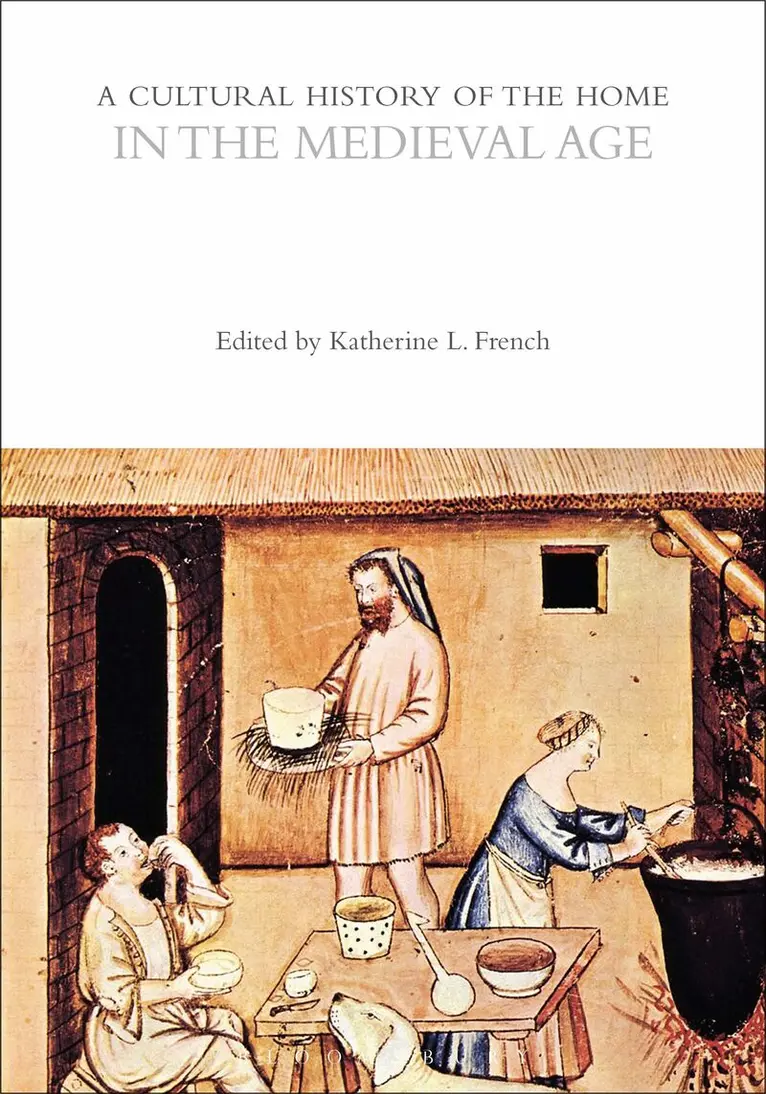
Cultural History of the Home in the Medieval Age
Häftad, 2024
396 kr
Lägg i varukorg
The period covered by this volume, roughly 800-1450, was one of enormous change in the way people lived in their houses. Medieval people could call a grand castle, a humble thatched hut, or anything in between home, but houses were more than physical spaces. They changed according to technological …
Ties that Bind
Essays in Medieval British History in Honor of Barbara Hanawalt
Av Katherine L. French, Douglas L. Biggs m. fl.
Inbunden, 2010
3564 kr
Lägg i varukorg
This collection of essays, whose title echoes that of her most well-known book, celebrates the career of Barbara A. Hanawalt, emerita George III Professor of British Studies at The Ohio State University. The volume's contents -- ranging from politics to family histories, from intimate portraits to …
Cultural History of the Home in the Medieval Age
Inbunden, 2022
1231 kr
Lägg i varukorg
The period covered by this volume, roughly 800-1450, was one of enormous change in the way people lived in their houses. Medieval people could call a grand castle, a humble thatched hut, or anything in between home, but houses were more than physical spaces. They changed according to technological …
Household Goods and Good Households in Late Medieval London
Consumption and Domesticity After the Plague
Häftad, 2025
375 kr
Lägg i varukorg
The Black Death that arrived in the spring of 1348 eventually killed nearly half of England's population. In its long aftermath, wages in London rose in response to labor shortages, many survivors moved into larger quarters in the depopulated city, and people in general spent more money on food, …