Katherine Luongo - Böcker
Visar alla böcker från författaren Katherine Luongo. Handla med fri frakt och snabb leverans.
6 produkter
6 produkter
871 kr
Skickas inom 7-10 vardagar
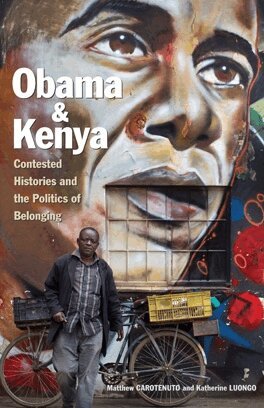
Barack Obama's political ascendancy has focused considerable global attention on the history of Kenya generally and the history of the Luo community particularly. From politicos populating the blogosphere and bookshelves in the U.S and Kenya, to tourists traipsing through Obama's ancestral home, a variety of groups have mobilized new readings of Kenya's past in service of their own ends.Through narratives placing Obama into a simplified, sweeping narrative of anticolonial barbarism and postcolonial "tribal" violence, the story of the United States president's nuanced relationship to Kenya has been lost amid stereotypical portrayals of Africa. At the same time, Kenyan state officials have aimed to weave Obama into the contested narrative of Kenyan nationhood.Matthew Carotenuto and Katherine Luongo argue that efforts to cast Obama as a "son of the soil" of the Lake Victoria basin invite insights into the politicized uses of Kenya's past. Ideal for classroom use and directed at a general readership interested in global affairs, Obama and Kenya offers an important counterpoint to the many popular but inaccurate texts about Kenya's history and Obama's place in it as well as focused, thematic analyses of contemporary debates about ethnic politics, "tribal" identities, postcolonial governance, and U.S. African relations.
281 kr
Skickas inom 10-15 vardagar
Barack Obama's political ascendancy has focused considerable global attention on the history of Kenya generally and the history of the Luo community particularly. From politicos populating the blogosphere and bookshelves in the U.S and Kenya, to tourists traipsing through Obama's ancestral home, a variety of groups have mobilized new readings of Kenya's past in service of their own ends.Through narratives placing Obama into a simplified, sweeping narrative of anticolonial barbarism and postcolonial "tribal" violence, the story of the United States president's nuanced relationship to Kenya has been lost amid stereotypical portrayals of Africa. At the same time, Kenyan state officials have aimed to weave Obama into the contested narrative of Kenyan nationhood.Matthew Carotenuto and Katherine Luongo argue that efforts to cast Obama as a "son of the soil" of the Lake Victoria basin invite insights into the politicized uses of Kenya's past. Ideal for classroom use and directed at a general readership interested in global affairs, Obama and Kenya offers an important counterpoint to the many popular but inaccurate texts about Kenya's history and Obama's place in it as well as focused, thematic analyses of contemporary debates about ethnic politics, "tribal" identities, postcolonial governance, and U.S. African relations.
2 023 kr
Skickas inom 10-15 vardagar
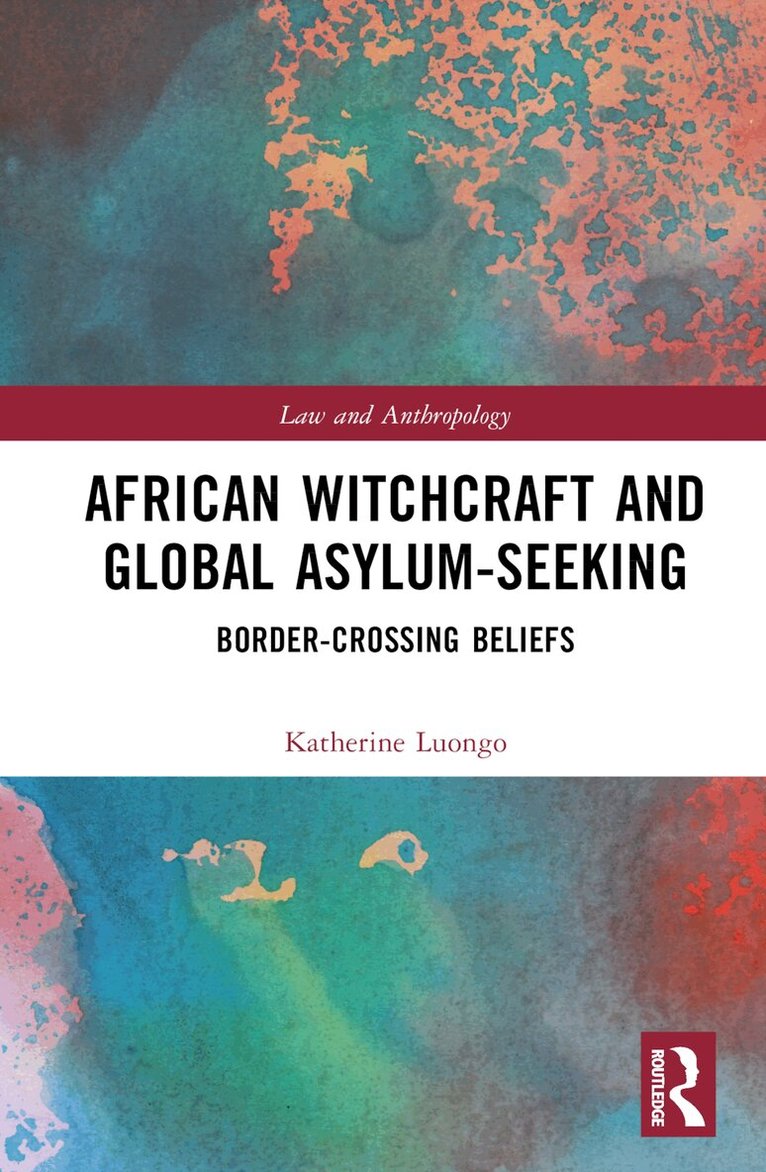
This book analyzes how over the last two decades, immigration regimes in three primary refugee-receiving states in the Global North – Canada, Australia, and the United Kingdom – have engaged with allegations about witchcraft-driven violence made by asylum seekers coming from Anglophone countries across the African continent.The work intervenes at the nexus of anthropological, historical, legal, developmental, and human rights literatures to offer fresh insights into extrajudicial violence and global migration. Taking witchcraft-based asylum cases as its focal point, it argues that the recent dramatic expansion in claims to refugee protection under the ‘particular social group’ category of the 1951 UN Refugee Convention reflects immigration authorities’ increasing willingness to consider how legally recognizable persecution can derive from cultural practices and beliefs. Reflecting critically on such cases, it advances understandings of how witchcraft beliefs and practices have persisted as significant engines of violence in the contemporary world. It sheds light both on the limits of legal pluralism and cultural relativism in asylum adjudication and on how social scientific expertise contributes not simply to the flow of ideas, but also to the channelling of people across national, cultural, and epistemological boundaries.The book will be essential reading for students and researchers in legal anthropology, African studies, human rights, transnational history, migration and refugee law and policy, and the history and anthropology of witchcraft.
528 kr
Skickas inom 10-15 vardagar
This book analyzes how over the last two decades, immigration regimes in three primary refugee-receiving states in the Global North – Canada, Australia, and the United Kingdom – have engaged with allegations about witchcraft-driven violence made by asylum seekers coming from Anglophone countries across the African continent.The work intervenes at the nexus of anthropological, historical, legal, developmental, and human rights literatures to offer fresh insights into extrajudicial violence and global migration. Taking witchcraft-based asylum cases as its focal point, it argues that the recent dramatic expansion in claims to refugee protection under the ‘particular social group’ category of the 1951 UN Refugee Convention reflects immigration authorities’ increasing willingness to consider how legally recognizable persecution can derive from cultural practices and beliefs. Reflecting critically on such cases, it advances understandings of how witchcraft beliefs and practices have persisted as significant engines of violence in the contemporary world. It sheds light both on the limits of legal pluralism and cultural relativism in asylum adjudication and on how social scientific expertise contributes not simply to the flow of ideas, but also to the channelling of people across national, cultural, and epistemological boundaries.The book will be essential reading for students and researchers in legal anthropology, African studies, human rights, transnational history, migration and refugee law and policy, and the history and anthropology of witchcraft.
1 192 kr
Tillfälligt slut
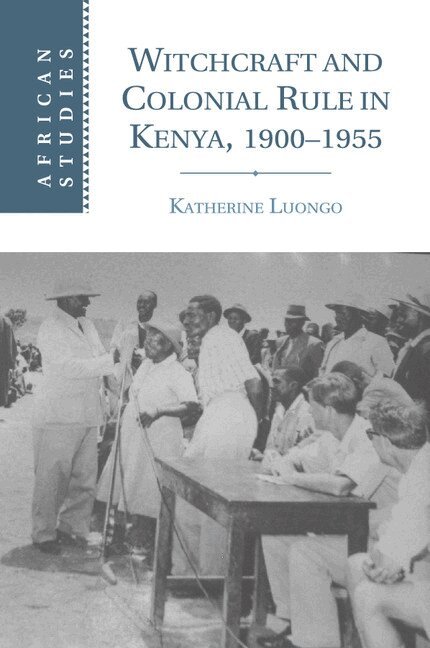
Focusing on colonial Kenya, this book shows how conflicts between state authorities and Africans over witchcraft-related crimes provided an important space in which the meanings of justice, law and order in the empire were debated. Katherine Luongo discusses the emergence of imperial networks of knowledge about witchcraft. She then demonstrates how colonial concerns about witchcraft produced an elaborate body of jurisprudence about capital crimes. The book analyzes the legal wrangling that produced the Witchcraft Ordinances in the 1910s, the birth of an anthro-administrative complex surrounding witchcraft in the 1920s, the hotly contested Wakamba Witch Trials of the 1930s, the explosive growth of legal opinion on witch-murder in the 1940s, and the unprecedented state-sponsored cleansings of witches and Mau Mau adherents during the 1950s. A work of anthropological history, this book develops an ethnography of Kamba witchcraft or uoi.
428 kr
Skickas inom 7-10 vardagar
Focusing on colonial Kenya, this book shows how conflicts between state authorities and Africans over witchcraft-related crimes provided an important space in which the meanings of justice, law and order in the empire were debated. Katherine Luongo discusses the emergence of imperial networks of knowledge about witchcraft. She then demonstrates how colonial concerns about witchcraft produced an elaborate body of jurisprudence about capital crimes. The book analyzes the legal wrangling that produced the Witchcraft Ordinances in the 1910s, the birth of an anthro-administrative complex surrounding witchcraft in the 1920s, the hotly contested Wakamba Witch Trials of the 1930s, the explosive growth of legal opinion on witch-murder in the 1940s, and the unprecedented state-sponsored cleansings of witches and Mau Mau adherents during the 1950s. A work of anthropological history, this book develops an ethnography of Kamba witchcraft or uoi.