Katherine M. B. Osburn - Böcker
Visar alla böcker från författaren Katherine M. B. Osburn. Handla med fri frakt och snabb leverans.
3 produkter
3 produkter
214 kr
Skickas inom 10-15 vardagar
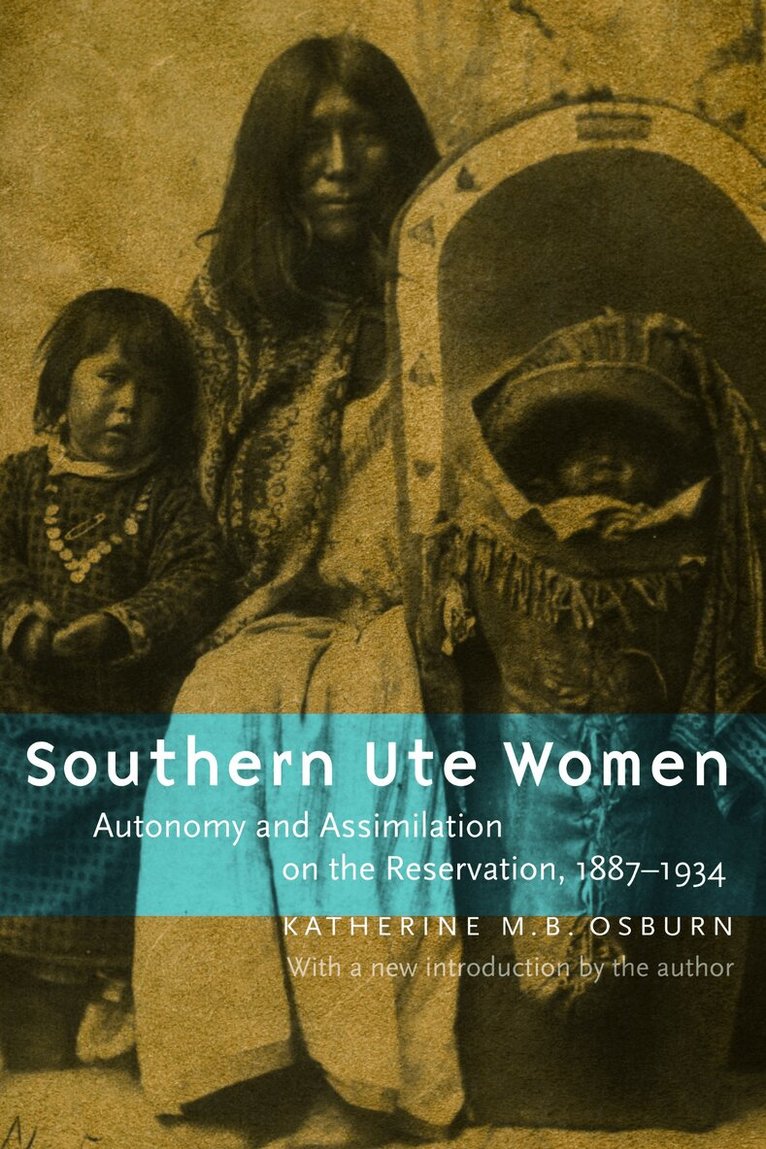
After the passage of the Dawes Severalty Act in 1887, the Southern Ute Agency was the scene of an intense federal effort to assimilate the Ute Indians. The Southern Utes were to break up their common land holdings and transform themselves into middle-class patriarchal farm and pastoral families. In this assimilationist scheme, women were to surrender the considerable autonomy they enjoyed in traditional Ute society and become housebound homemakers, the "civilizers" of their fathers, husbands, brothers, and sons. Southern Ute Women shows that these women accommodated Anglo ways that benefited them but refused to give up indigenous culture and ways that gave their lives meaning and bolstered personal autonomy. In spite of federal policies that stripped women of many legal rights, Southern Ute women demanded participation in political, economic, and legal decisions that affected their lives and insisted on retaining control over their marital and sexual behavior.
Choctaw Resurgence in Mississippi
Race, Class, and Nation Building in the Jim Crow South, 1830-1977
Inbunden, Engelska, 2014
723 kr
Skickas inom 10-15 vardagar
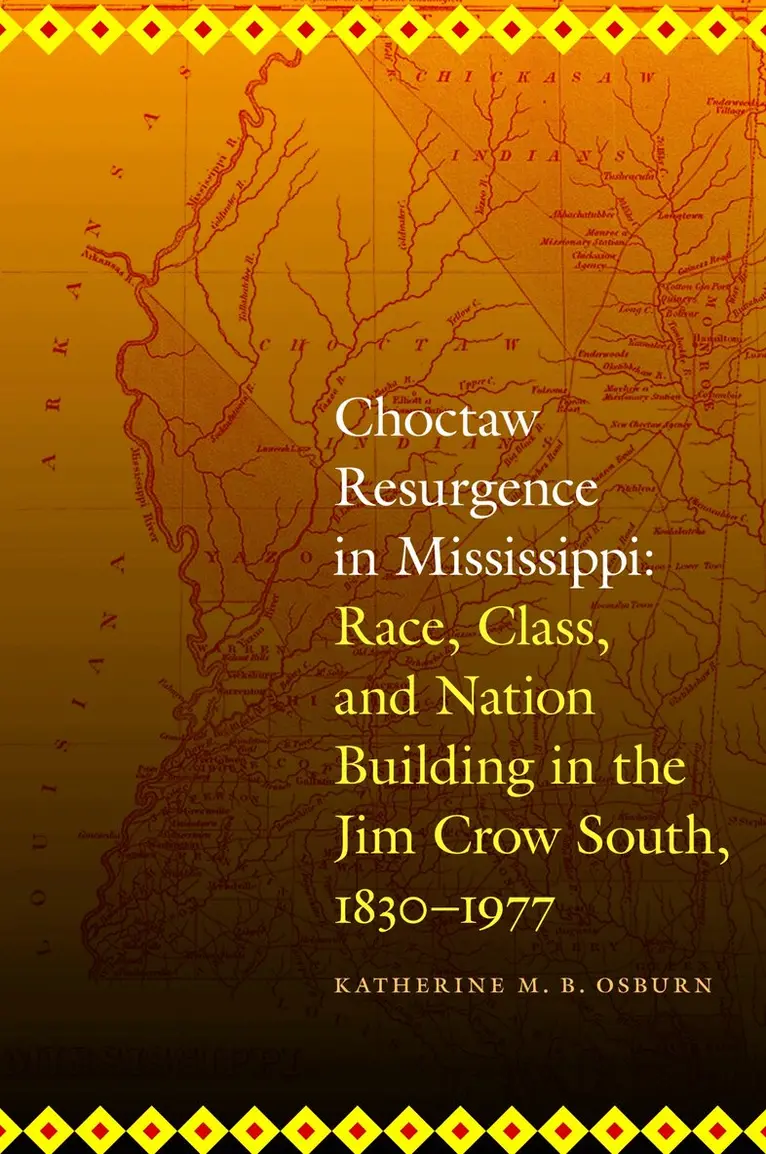
When the Choctaws were removed from their Mississippi homeland to Indian Territory in 1830, several thousand remained behind, planning to take advantage of Article 14 in the removal treaty, which promised that any Choctaws who wished to remain in Mississippi could apply for allotments of land. When the remaining Choctaws applied for their allotments, however, the government reneged, and the Choctaws were left dispossessed and impoverished. Thus begins the history of the Mississippi Choctaws as a distinct people. Despite overwhelming poverty and significant racial prejudice in the rural South, the Mississippi Choctaws managed, over the course of a century and a half, to maintain their ethnic identity, persuade the Office of Indian Affairs to provide them with services and lands, create a functioning tribal government, and establish a prosperous and stable reservation economy. The Choctaws' struggle against segregation in the 1950s and 1960s is an overlooked story of the civil rights movement, and this study of white supremacist support for Choctaw tribalism considerably complicates our understanding of southern history. Choctaw Resurgence in Mississippi traces the Choctaw's remarkable tribal rebirth, attributing it to their sustained political and social activism.
Choctaw Resurgence in Mississippi
Race, Class, and Nation Building in the Jim Crow South, 1830-1977
Häftad, Engelska, 2014
269 kr
Skickas inom 10-15 vardagar
When the Choctaws were removed from their Mississippi homeland to Indian Territory in 1830, several thousand remained behind, planning to take advantage of Article 14 in the removal treaty, which promised that any Choctaws who wished to remain in Mississippi could apply for allotments of land. When the remaining Choctaws applied for their allotments, however, the government reneged, and the Choctaws were left dispossessed and impoverished. Thus begins the history of the Mississippi Choctaws as a distinct people. Despite overwhelming poverty and significant racial prejudice in the rural South, the Mississippi Choctaws managed, over the course of a century and a half, to maintain their ethnic identity, persuade the Office of Indian Affairs to provide them with services and lands, create a functioning tribal government, and establish a prosperous and stable reservation economy. The Choctaws' struggle against segregation in the 1950s and 1960s is an overlooked story of the civil rights movement, and this study of white supremacist support for Choctaw tribalism considerably complicates our understanding of southern history. Choctaw Resurgence in Mississippi traces the Choctaw's remarkable tribal rebirth, attributing it to their sustained political and social activism.