Katherine M. D. Dunbabin - Böcker
Visar alla böcker från författaren Katherine M. D. Dunbabin. Handla med fri frakt och snabb leverans.
2 produkter
2 produkter
579 kr
Skickas inom 3-6 vardagar
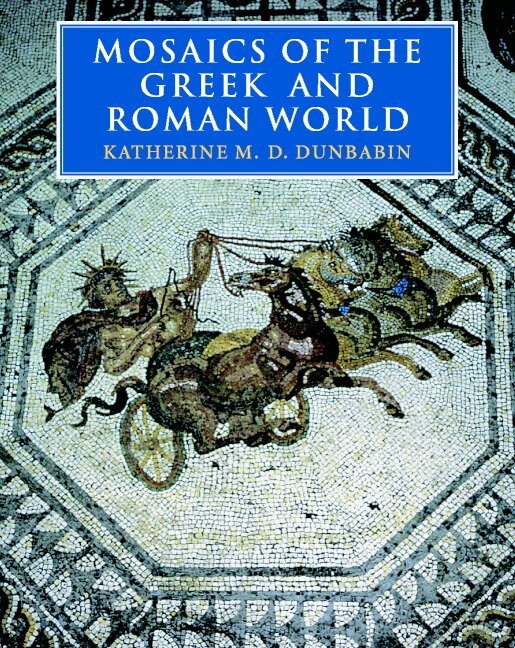
This book provides a comprehensive account of mosaics in the ancient world from the early pebble mosaics of Greece to the pavements of Christian churches in the East. Separate chapters in Part I cover the principal regions of the Roman Empire in turn, in order to bring out the distinctive characteristics of their mosaic workshops. Questions of technique and production, of the role of mosaics in architecture, and of their social functions and implications are treated in Part II. The book discusses both well-known works and recent finds, and balances consideration of exceptional masterpieces against standard workshop production. Two main lines of approach are followed throughout: first, the role of mosaics as a significant art form, which over an unbroken span illuminates the evolution of pictorial style better than any comparable surviving medium; and secondly, their character as works of artisan production closely linked to their architectural context.
603 kr
Skickas inom 7-10 vardagar
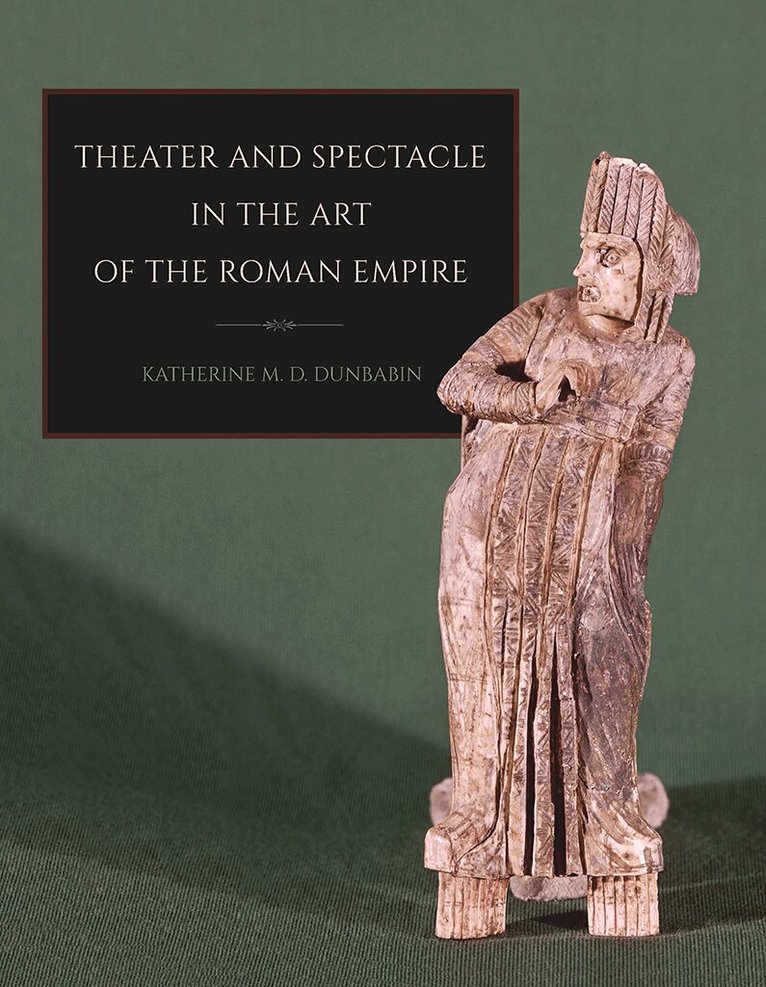
Theater, spectacle, and performance played significant roles in the political and social structure of the Roman Empire, which was diverse in population and language. A wide and varied range of entertainment was available to a Roman audience: the traditional festivals with their athletic contests and dramatic performances, pantomime and mime, the chariot races of the circus, and the gladiatorial shows and wild beast hunts of the arena. In Theater and Spectacle in the Art of the Roman Empire, which is richly illustrated in color throughout, Katherine M. D. Dunbabin emphasizes the visual evidence for these events.Images of spectacle appear in a wide range of artistic media, from the mosaics and paintings that decorated wealthy private houses to the sculpture of tomb monuments, and from luxury objects such as silver tableware to more humble ceramic lamps and pottery vessels. Dunbabin places the information derived from this visual material into the wider context provided by the written sources, both literary and epigraphic. This allows us to understand the functions that these images served in the social rituals of public and domestic life. By explicating both the social and cultural role of the spectacles themselves and the nature of their representation in art, Dunbabin provides a comprehensive portrait of the popular culture of the period.