Katherine M. Faull - Böcker
Visar alla böcker från författaren Katherine M. Faull. Handla med fri frakt och snabb leverans.
5 produkter
5 produkter
Del 2 - Pietist, Moravian, and Anabaptist Studies
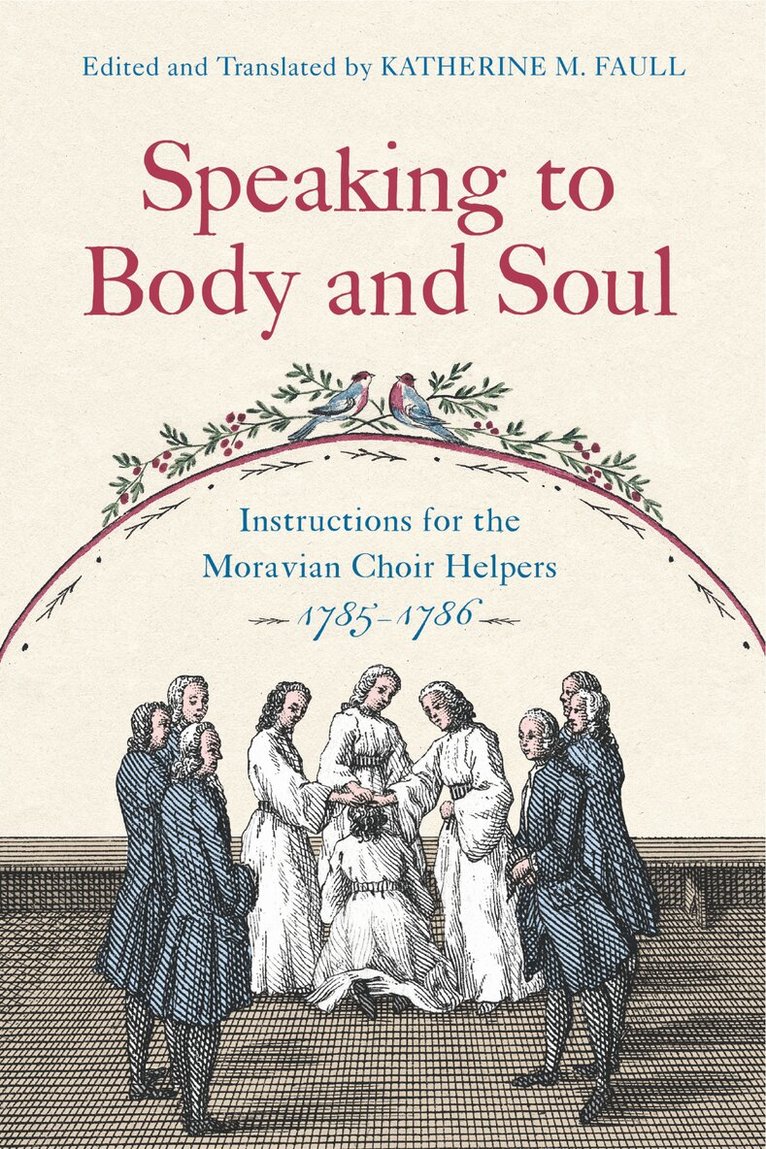
Speaking to Body and Soul
Instructions for the Moravian Choir Helpers, 1785–1786
Häftad, Engelska, 2017
237 kr
Skickas inom 7-10 vardagar
Dating back to 1785, the Moravian “Instructions for the Choir Helpers” contain detailed advice for the spiritual counselors of the men, women, and children in Moravian congregations on how to address concerns about one’s body and soul. In this volume, Katherine Faull presents an annotated, translated edition of the original German manuscript.In monthly “speakings”—regularly scheduled dialogues between the choir helper and individual church members to determine whether the congregant could be admitted to communion—men and women received spiritual guidance on topics as varied as the physical manifestations of puberty, sexual attraction, frequency of intercourse, infant care, and bereavement. From their founding in 1722, the Moravians were remarkable for their positive evaluation of the body; they held that the natural manifestations of masculinity and femininity were integral elements of spiritual consciousness. The “Instructions for the Choir Helpers”—which were highly confidential at the time and passed on only by permission of the church administration—reflect that philosophy, providing insights into an interpretation of the body as a holistic system that should be cared for as a vessel for the spirit.A unique resource for scholars of religious history, gender studies, and colonial American church history, Faull’s translation of this fascinating set of documents provides an unprecedented glimpse into a period of foundational change in Moravian history.
Del 9 - Pietist, Moravian, and Anabaptist Studies
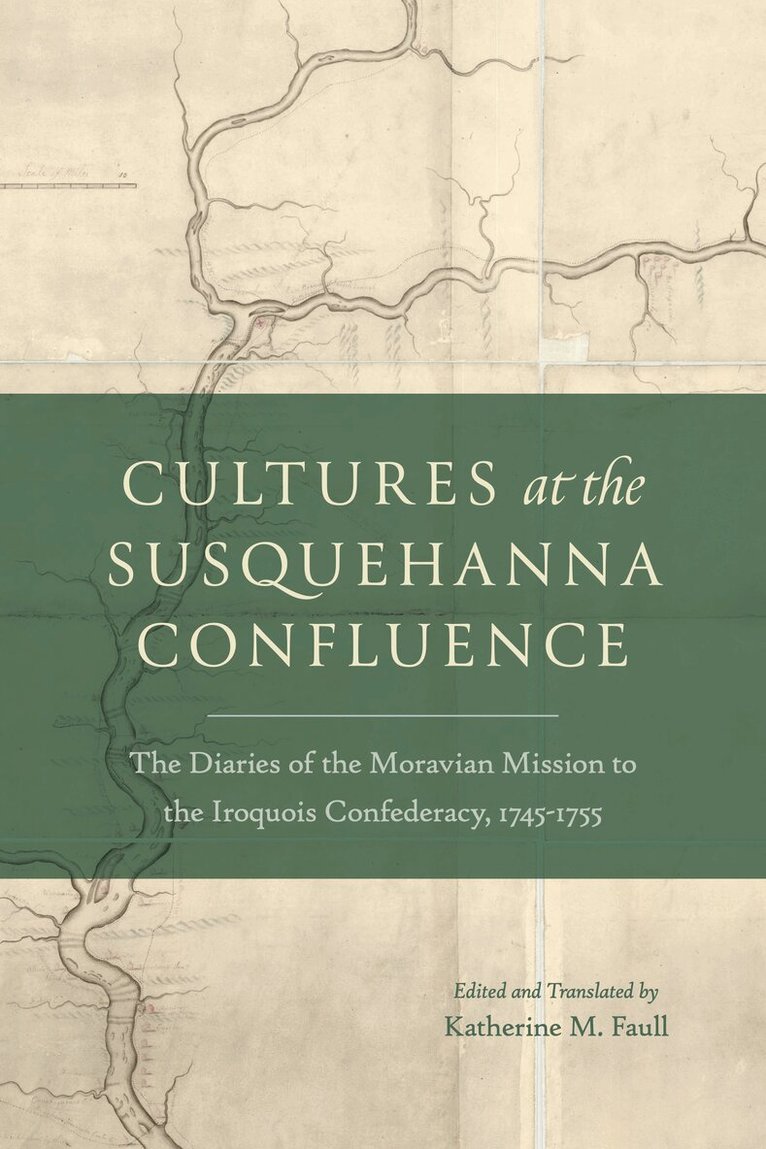
Cultures at the Susquehanna Confluence
The Diaries of the Moravian Mission to the Iroquois Confederacy, 1745–1755
Inbunden, Engelska, 2024
1 211 kr
Skickas inom 7-10 vardagar
Located at the confluence of the north and west branches of the Susquehanna River, Shamokin was a significant historical settlement in the region that became Pennsylvania. By the time the Moravians arrived to set up a mission in the 1740s, Shamokin had been a site of intertribal commerce and refuge for the Native peoples of Pennsylvania for several centuries. It served first as a Susquehannock, then a Shawnee, and then a primarily Lenape settlement and trading post, overseen by the Oneida leader and diplomat Shikellamy.Cultures at the Susquehanna Confluence is an annotated translation of the diaries documenting the Moravian mission to the area. Unlike other missions of the time, the Moravians at Shamokin integrated their work and daily life into the diverse cultures they encountered, demonstrating an unusual compromise between the Church’s missionary impetus and the needs of the Six Nations of the Iroquois. The diaries counter the dominant vision of the area around Shamokin as a sinister place, revealing instead a nexus of vibrant cultural exchange where women and men speaking Lenape, Mohican, English, and German collaborated in the business of survival at a pivotal time.The Shamokin diaries, which until now existed only in manuscript form in difficult-to-read German script in the Moravian Archives in Bethlehem, Pennsylvania, allow today’s readers to experience the Susquehanna confluence and the rich intercultural exchanges that took place there between Europeans and Native Americans.
Del 9 - Pietist, Moravian, and Anabaptist Studies
Cultures at the Susquehanna Confluence
The Diaries of the Moravian Mission to the Iroquois Confederacy, 1745–1755
Häftad, Engelska, 2025
374 kr
Skickas inom 7-10 vardagar
Located at the confluence of the north and west branches of the Susquehanna River, Shamokin was a significant historical settlement in the region that became Pennsylvania. By the time the Moravians arrived to set up a mission in the 1740s, Shamokin had been a site of intertribal commerce and refuge for the Native peoples of Pennsylvania for several centuries. It served first as a Susquehannock, then a Shawnee, and then a primarily Lenape settlement and trading post, overseen by the Oneida leader and diplomat Shikellamy.Cultures at the Susquehanna Confluence is an annotated translation of the diaries documenting the Moravian mission to the area. Unlike other missions of the time, the Moravians at Shamokin integrated their work and daily life into the diverse cultures they encountered, demonstrating an unusual compromise between the Church’s missionary impetus and the needs of the Six Nations of the Iroquois. The diaries counter the dominant vision of the area around Shamokin as a sinister place, revealing instead a nexus of vibrant cultural exchange where women and men speaking Lenape, Mohican, English, and German collaborated in the business of survival at a pivotal time.The Shamokin diaries, which until now existed only in manuscript form in difficult-to-read German script in the Moravian Archives in Bethlehem, Pennsylvania, allow today’s readers to experience the Susquehanna confluence and the rich intercultural exchanges that took place there between Europeans and Native Americans.
219 kr
Skickas inom 10-15 vardagar
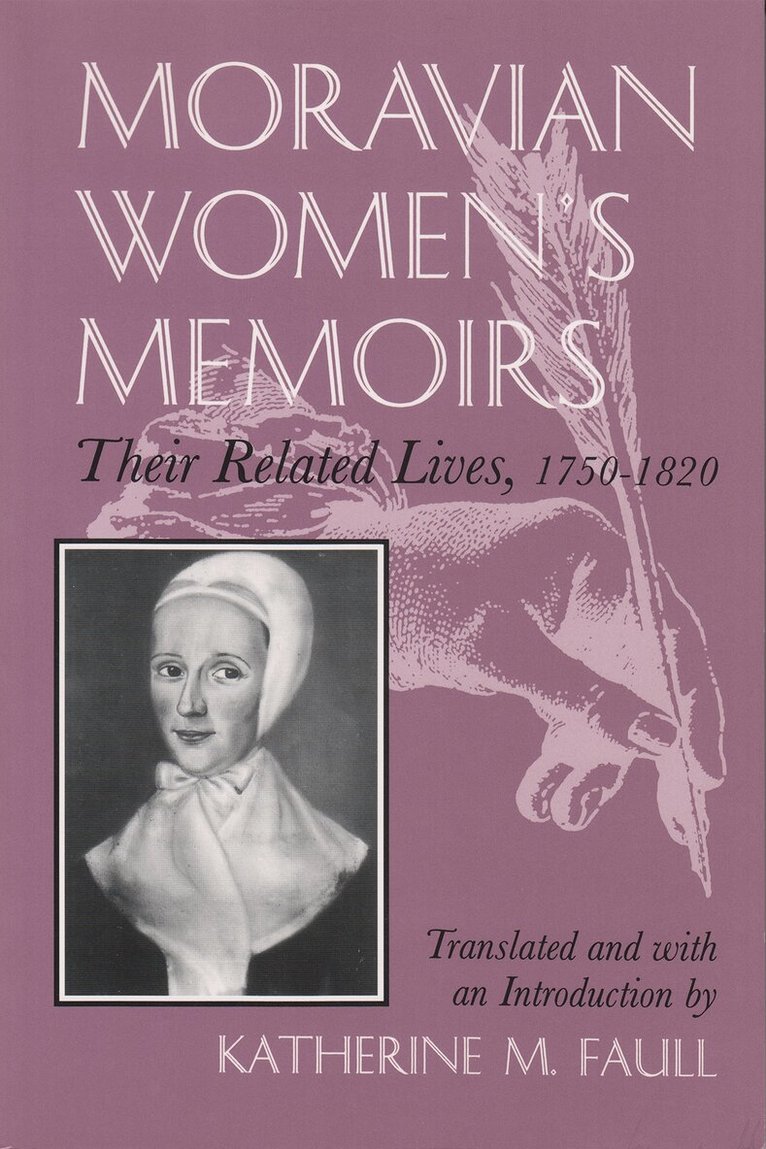
Moravians came to Pennsylvania in 1740 as missionaries to the Indians and as members of the Moravian Church were required to write an autobiography summing up their lives. This work is a collection of 18th-century Moravian spiritual narratives written by women.
695 kr
Skickas inom 10-15 vardagar
Masculinity, Senses, Spirit brings together current work by leading scholars in the fields of gender studies, religion, history, and cultural studies to examine the complex interrelationship between gender, sexuality, and the realms of the spirit and the senses in the Atlantic world from the eighteenthcentury to the present. Ranging in scope from the bridal mysticism of eighteenthcentury German Moravians, through the education theories of the German "Gymnasium," the creation of the gendered "gourmand," the "discovery" of homosexuality, and the hyper-masculinized homosocial groupings of the National Socialists, the essays explore the inflections of constructed masculinity in the religious, educational, culinary, political, and social institutions of Germany, France, and North America from the eighteenth century to the twentieth centuries. The collection reveals the disparate and yet related worlds of masculine gender performance, recognizing the central role of the body and its relation to the spirit and senses in notions of European and Atlantic masculinity.