Katherine Reid - Böcker
Visar alla böcker från författaren Katherine Reid. Handla med fri frakt och snabb leverans.
3 produkter
3 produkter
435 kr
Skickas inom 10-15 vardagar
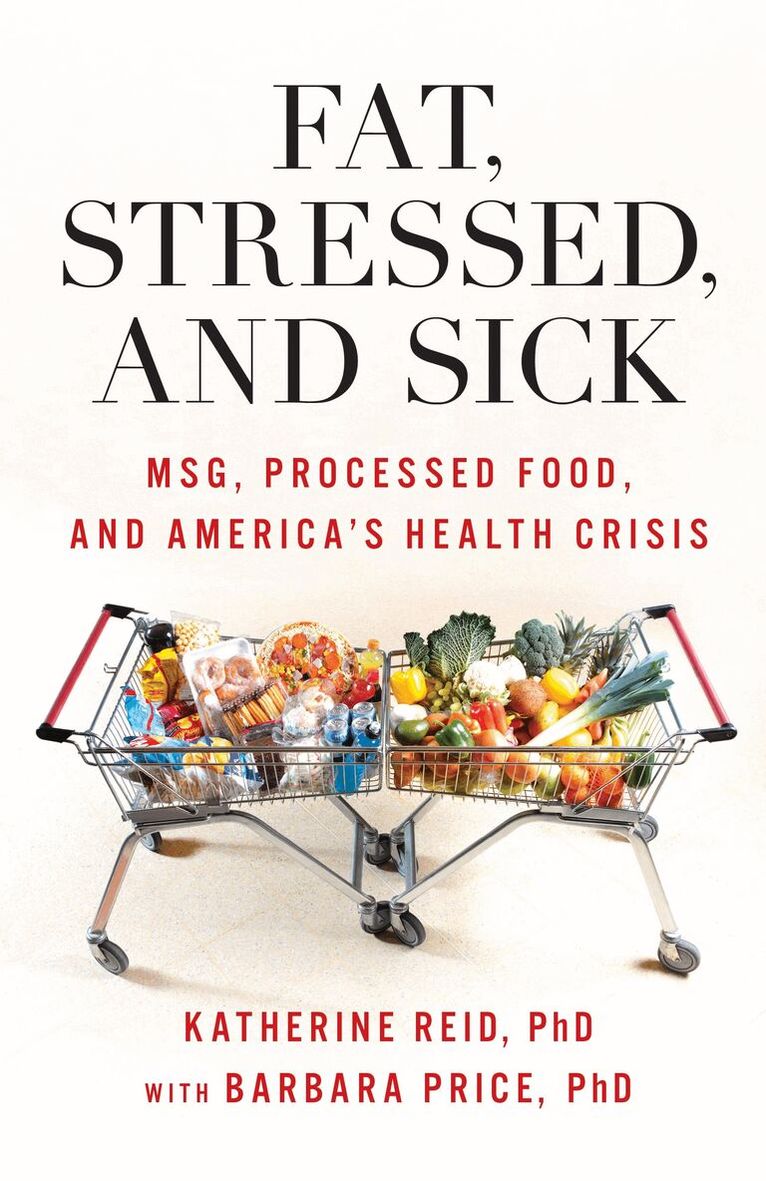
Presents the scientific evidence that glutamate—aka MSG—in processed food contributes to a suite of preventable inflammatory diseases.Fat, Stressed, and Sick makes the case that processed food compromises health not just because of added sugar, salt, and fat, but also because these foods contain significant amounts of glutamate—aka MSG. MSG makes food deliciously addicting. What was not well-known until described here is that most of the MSG in processed food is created during food manufacturing. As the authors show, food processing of protein alone adds 10 grams or more a day of MSG to the average American diet—a statistic that may surprise you.The book details the research linking dietary glutamate to a suite of inflammatory diseases: obesity, diabetes, autism, addiction, depression, and cancer, to name a few. Understanding the role of MSG in disease became the quest of author and biochemist Katherine Reid when she learned that her young daughter’s autism symptoms were associated with inflammation of the brain. Reid made the connection between inflammation and glutamate in the diet—a connection amply supported by other studies. A deep dive into food manufacturing patents and FDA regulations revealed that, in addition to industry practices that create MSG during food processing, MSG is also found in ingredients labeled “hydrolyzed protein,” “yeast extract,” and even “natural flavors,” misleading labels that disguise a food’s true MSG content. In what became an experiment in her home kitchen, Reid examined every ingredient on every food label, removing all items with MSG and replacing them with whole foods. The results were swift and undeniable. Reid’s discovery that what one ate mattered was the start of a program of food-based solutions to chronic inflammatory illnesses, through which now, a decade later, she has helped thousands of people. The idea that large amounts glutamate in the diet jeopardizes health is supported by decades of research, despite efforts by the glutamate industry to discredit the scientific evidence that MSG poses a risk. Some would have you believe the science is settled. It is not. This book explains the science behind why we crave the MSG in processed food, why it is hidden, how it is making us sick, and what we can do about it.
497 kr
Skickas inom 10-15 vardagar
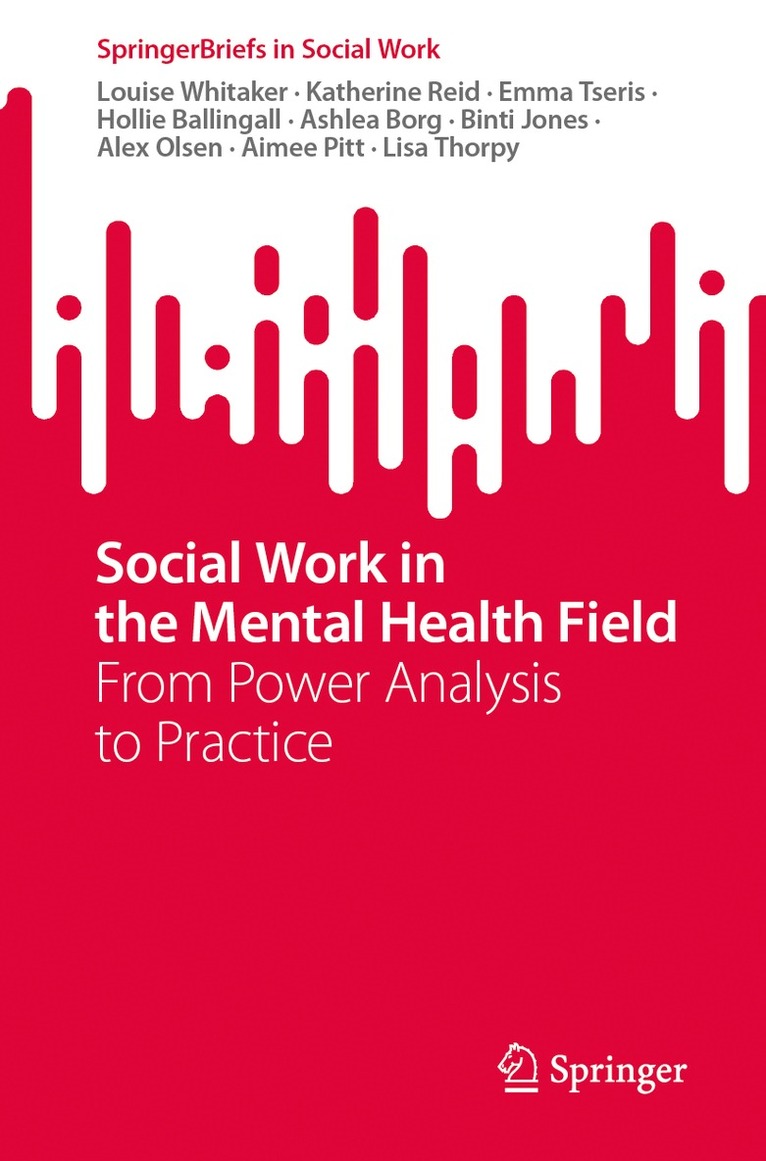
This book provides a contemporary and practical resource for exploring critical social work practices in mental health. It explores how a power analysis can be enacted, through a variety of skills and actions, in order to navigate complex organisational and social contexts and make a difference in the mental health field. Mental health social work is contested and complex. While it is widely accepted that social workers should bring a social justice lens to their practice, it is often unclear how an analysis of power influences and is applied in the minutiae of everyday practice. Social workers might settle into complacency, making rhetorical commitments to ‘person-centred’ and ‘trauma-informed’ approaches that are not meaningfully connected to actions, or they might find themselves complying with dominant colonial and biomedical agendas in an attempt to gain professional legitimacy within healthcare teams. Beyond naming the tensions and competing values faced by social workers in mental health contexts, the book explores concrete examples of working towards justice in solidarity with people and communities experiencing distress. Through a collaboration between three social work researchers and six social workers currently working in the field, the book offers a unique perspective. Areas covered include: the complexities of working in biomedical and neoliberal environments; noticing and responding to epistemic injustices; multidisciplinary teamwork; systemic advocacy; the politics of language; elevating socio-political contexts and lived experience knowledges; navigating risk paradigms; and addressing White privilege. Social Work in the Mental Health Field: From Power Analysis to Practice is relevant to social work students and educators, as it moves beyond micro-macro binary thinking, through exploring how social workers have aimed to enact practices that are informed by a power analysis in mental health settings. Examples are provided across the contexts of individual direct practice, groupwork, community work, systems change, and private practice. The book is pertinent to new and experienced social workers who are seeking an accessible and contemporary resource to reflect on their practice and to explore ways of working toward social justice in the mental health field.
399 kr
Kommande
Presents the scientific evidence that glutamate—aka MSG—in processed food contributes to a suite of preventable inflammatory diseases.Fat, Stressed, and Sick makes the case that processed food compromises health not just because of added sugar, salt, and fat, but also because these foods contain significant amounts of glutamate—aka MSG. MSG makes food deliciously addicting. What was not well-known until described here is that most of the MSG in processed food is created during food manufacturing. As the authors show, food processing of protein alone adds 10 grams or more a day of MSG to the average American diet—a statistic that may surprise you.The book details the research linking dietary glutamate to a suite of inflammatory diseases: obesity, diabetes, autism, addiction, depression, and cancer, to name a few. Understanding the role of MSG in disease became the quest of author and biochemist Katherine Reid when she learned that her young daughter’s autism symptoms were associated with inflammation of the brain. Reid made the connection between inflammation and glutamate in the diet—a connection amply supported by other studies. A deep dive into food manufacturing patents and FDA regulations revealed that, in addition to industry practices that create MSG during food processing, MSG is also found in ingredients labeled “hydrolyzed protein,” “yeast extract,” and even “natural flavors,” misleading labels that disguise a food’s true MSG content. In what became an experiment in her home kitchen, Reid examined every ingredient on every food label, removing all items with MSG and replacing them with whole foods. The results were swift and undeniable. Reid’s discovery that what one ate mattered was the start of a program of food-based solutions to chronic inflammatory illnesses, through which now, a decade later, she has helped thousands of people. The idea that large amounts glutamate in the diet jeopardizes health is supported by decades of research, despite efforts by the glutamate industry to discredit the scientific evidence that MSG poses a risk. Some would have you believe the science is settled. It is not. This book explains the science behind why we crave the MSG in processed food, why it is hidden, how it is making us sick, and what we can do about it.