Kathleen J. Frydl - Böcker
Visar alla böcker från författaren Kathleen J. Frydl. Handla med fri frakt och snabb leverans.
6 produkter
6 produkter
1 761 kr
Skickas inom 3-6 vardagar
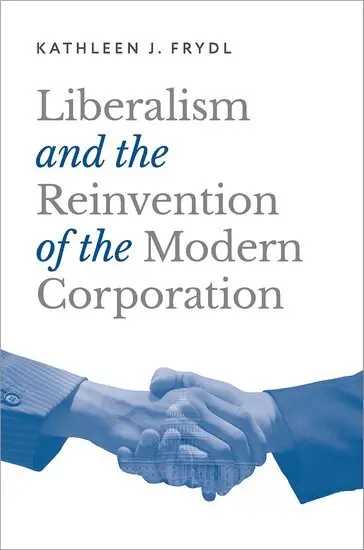
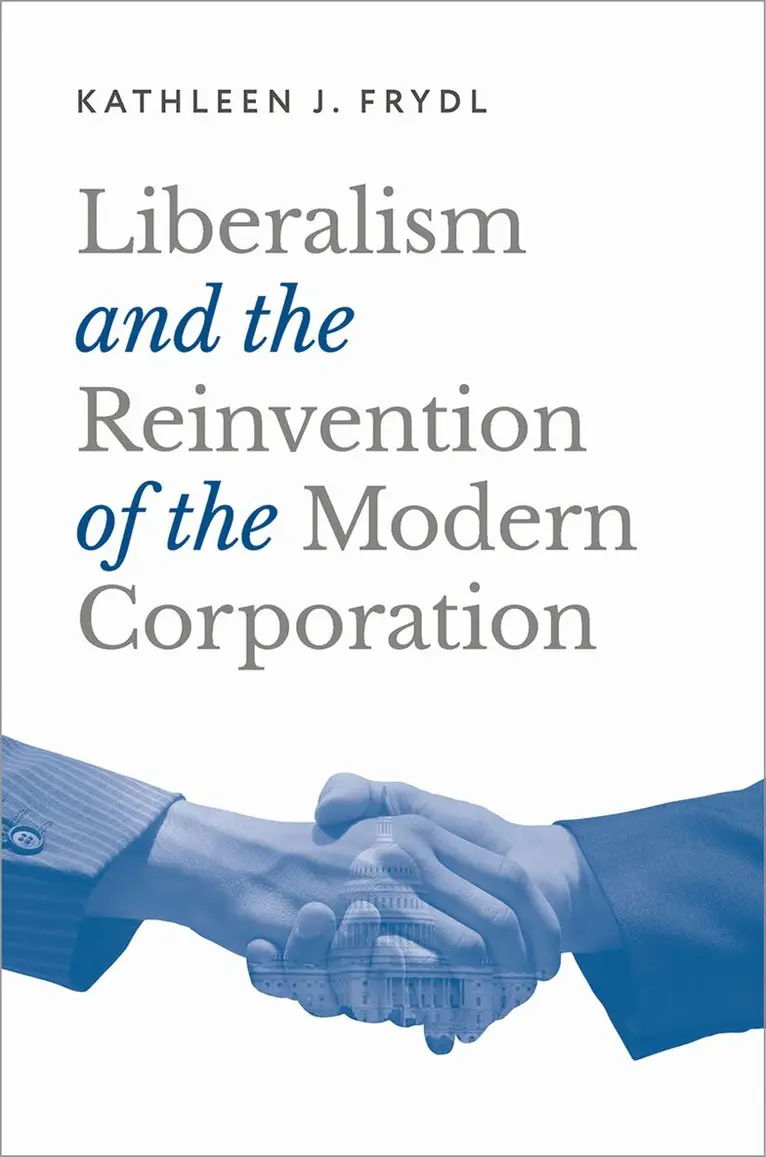
Corporations in the United States have for many decades sought to preserve and extend their power by claiming attributes and privileges reserved for natural persons.Liberalism and the Reinvention of the Modern Corporation presents a political history of corporate "identity politics." Wielding arguments derived from social movements in search of equity and equality, corporate advocates used identity-based claims not to "right" historical wrongs, but to peel back popular regulations designed to provide access to healthcare, safer workplaces and communities, and elections free from the influence of concentrated wealth. Looking beyond the courtroom, Kathleen J. Frydl argues that members of Congress played the decisive role in securing identity-based corporate powers. By couching their efforts to assist corporations as "fair play," legislators turned modern liberalism into a strictly procedural philosophy, devoid of substantive claims and uninterested in power differentials. In a sweeping narrative, Liberalism and the Reinvention of the Modern Corporation places corporate identity politics at the heart of the modern conservative movement, the crisis of liberalism, and the fractured politics that define the current American political moment.
256 kr
Kommande
Corporations in the United States have for many decades sought to preserve and extend their power by claiming attributes and privileges reserved for natural persons.Liberalism and the Reinvention of the Modern Corporation presents a political history of corporate "identity politics." Wielding arguments derived from social movements in search of equity and equality, corporate advocates used identity-based claims not to "right" historical wrongs, but to peel back popular regulations designed to provide access to healthcare, safer workplaces and communities, and elections free from the influence of concentrated wealth. Looking beyond the courtroom, Kathleen J. Frydl argues that members of Congress played the decisive role in securing identity-based corporate powers. By couching their efforts to assist corporations as "fair play," legislators turned modern liberalism into a strictly procedural philosophy, devoid of substantive claims and uninterested in power differentials. In a sweeping narrative, Liberalism and the Reinvention of the Modern Corporation places corporate identity politics at the heart of the modern conservative movement, the crisis of liberalism, and the fractured politics that define the current American political moment.
1 485 kr
Skickas inom 7-10 vardagar
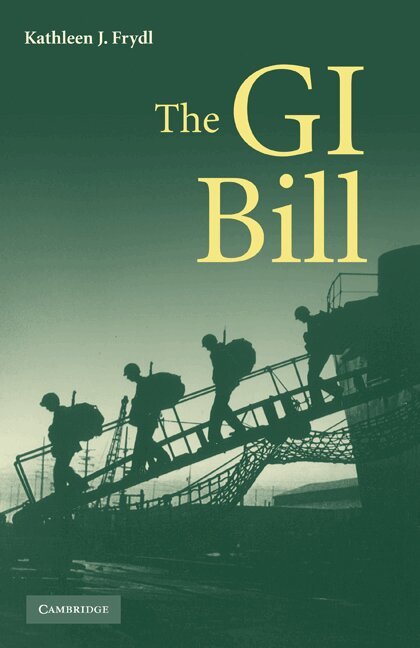
Scholars have argued about U.S. state development - in particular its laggard social policy and weak institutional capacity - for generations. Neo-institutionalism has informed and enriched these debates, but, as yet, no scholar has reckoned with a very successful and sweeping social policy designed by the federal government: the Servicemen's Readjustment Act of 1944, more popularly known as the GI Bill. Kathleen J. Frydl addresses the GI Bill in this study based on systematic and comprehensive use of the records of the Veterans Administration. Frydl's research situates the Bill squarely in debates about institutional development, social policy and citizenship, and political legitimacy. It demonstrates the multiple ways in which the GI Bill advanced federal power and social policy, and, at the very same time, limited its extent and its effects.
834 kr
Skickas inom 7-10 vardagar
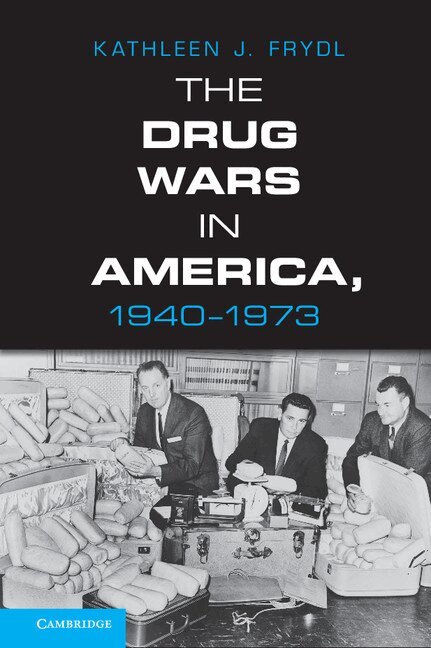
The Drug Wars in America, 1940-1973 argues that the US government has clung to its militant drug war, despite its obvious failures, because effective control of illicit traffic and consumption were never the critical factors motivating its adoption in the first place. Instead, Kathleen J. Frydl shows that the shift from regulating illicit drugs through taxes and tariffs to criminalizing the drug trade developed from, and was marked by, other dilemmas of governance in an age of vastly expanding state power. Most believe the 'drug war' was inaugurated by President Richard Nixon's declaration of a war on drugs in 1971, but in fact his announcement heralded changes that had taken place in the two decades prior. Frydl examines this critical interval of time between regulation and prohibition, demonstrating that the war on drugs advanced certain state agendas, such as policing inner cities or exercising power abroad.
396 kr
Skickas inom 7-10 vardagar
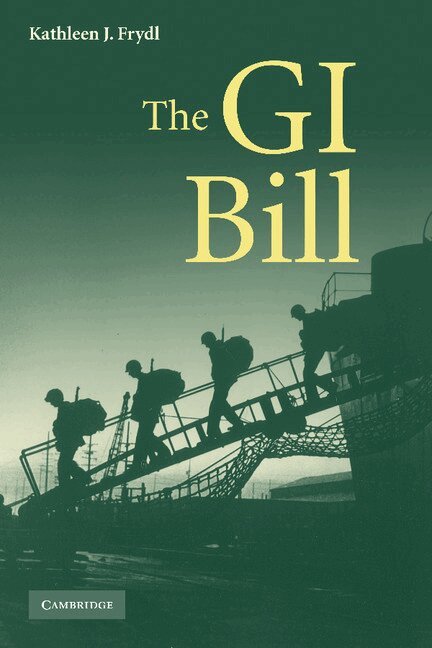
Scholars have argued about U.S. state development - in particular its laggard social policy and weak institutional capacity - for generations. Neo-institutionalism has informed and enriched these debates, but, as yet, no scholar has reckoned with a very successful and sweeping social policy designed by the federal government: the Servicemen's Readjustment Act of 1944, more popularly known as the GI Bill. Kathleen J. Frydl addresses the GI Bill in this study based on systematic and comprehensive use of the records of the Veterans Administration. Frydl's research situates the Bill squarely in debates about institutional development, social policy and citizenship, and political legitimacy. It demonstrates the multiple ways in which the GI Bill advanced federal power and social policy, and, at the very same time, limited its extent and its effects.
422 kr
Skickas inom 7-10 vardagar
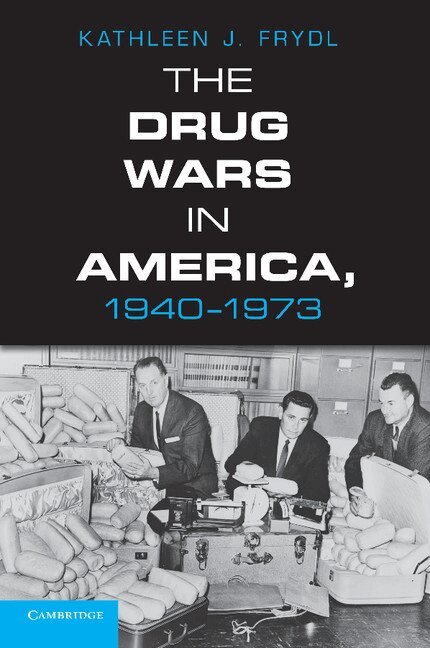
The Drug Wars in America, 1940-1973 argues that the US government has clung to its militant drug war, despite its obvious failures, because effective control of illicit traffic and consumption were never the critical factors motivating its adoption in the first place. Instead, Kathleen J. Frydl shows that the shift from regulating illicit drugs through taxes and tariffs to criminalizing the drug trade developed from, and was marked by, other dilemmas of governance in an age of vastly expanding state power. Most believe the 'drug war' was inaugurated by President Richard Nixon's declaration of a war on drugs in 1971, but in fact his announcement heralded changes that had taken place in the two decades prior. Frydl examines this critical interval of time between regulation and prohibition, demonstrating that the war on drugs advanced certain state agendas, such as policing inner cities or exercising power abroad.