Kathleen Riley – författare
Visar alla böcker från författaren Kathleen Riley. Handla med fri frakt och snabb leverans.
13 produkter
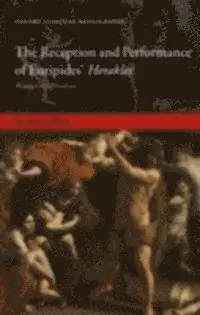
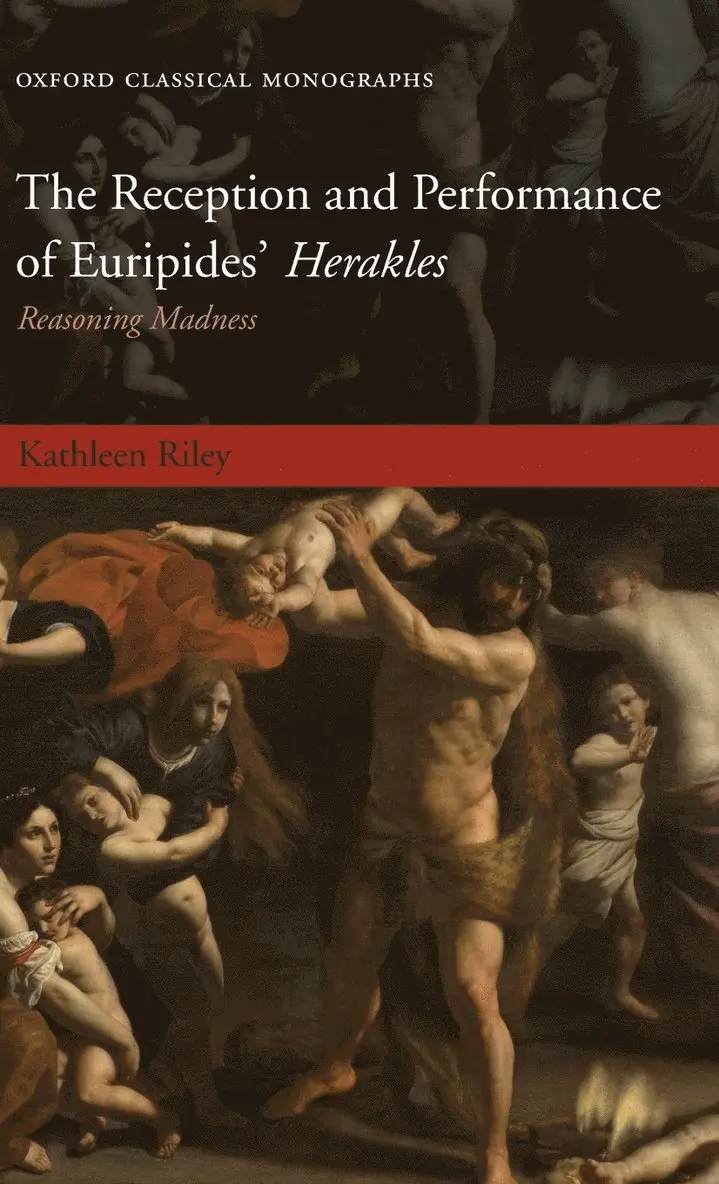
Reception and Performance of Euripides' Herakles
Reasoning Madness
E-bok, 2008
1624 kr
Lägg i varukorg
Euripides'' Herakles, which tells the story of the hero''s sudden descent into filicidal madness, is one of the least familiar and least performed plays in the Greek tragic canon. Kathleen Riley explores its reception and performance history from the fifth century BC to AD 2006. Her focus is upon …
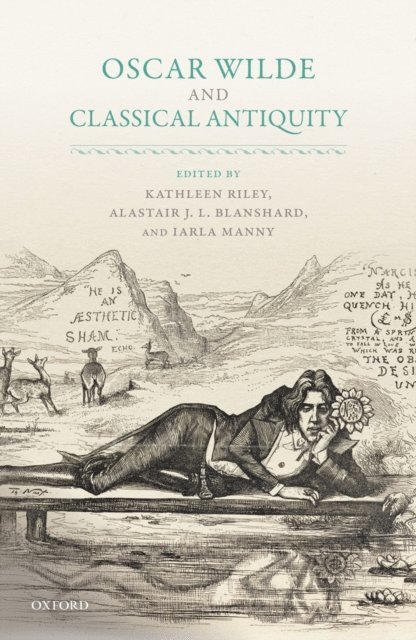
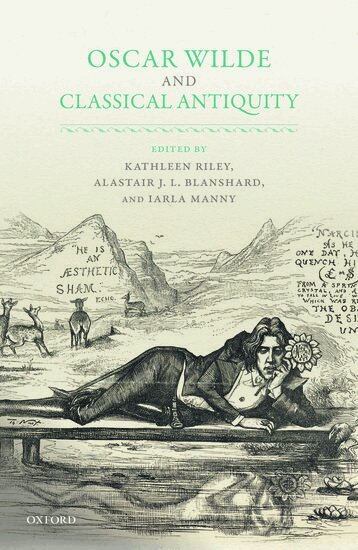
Oscar Wilde and Classical Antiquity
Av Iarla Manny, Alastair J. L. Blanshard m. fl.
E-bok, 2017
1666 kr
Lägg i varukorg
Few authors of the Victorian period were as immersed in classical learning as Oscar Wilde. Although famous now and during his lifetime as a wit, aesthete, and master epigrammist, Wilde distinguished himself early on as a talented classical scholar, studying at Trinity College Dublin and Oxford and …
Oscar Wilde and Classical Antiquity
Av Iarla Manny, Alastair J. L. Blanshard m. fl.
E-bok, 2017
1666 kr
Lägg i varukorg
Few authors of the Victorian period were as immersed in classical learning as Oscar Wilde. Although famous now and during his lifetime as a wit, aesthete, and master epigrammist, Wilde distinguished himself early on as a talented classical scholar, studying at Trinity College Dublin and Oxford and …
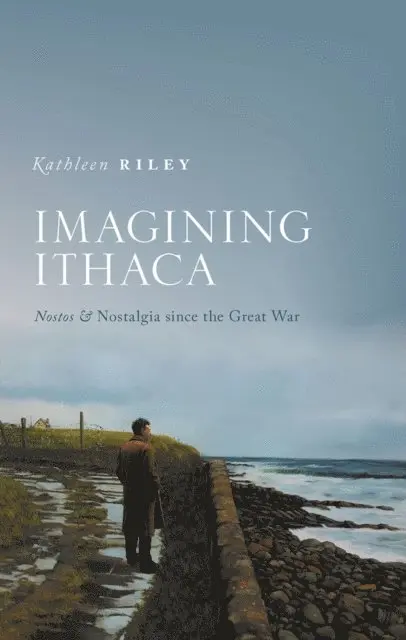
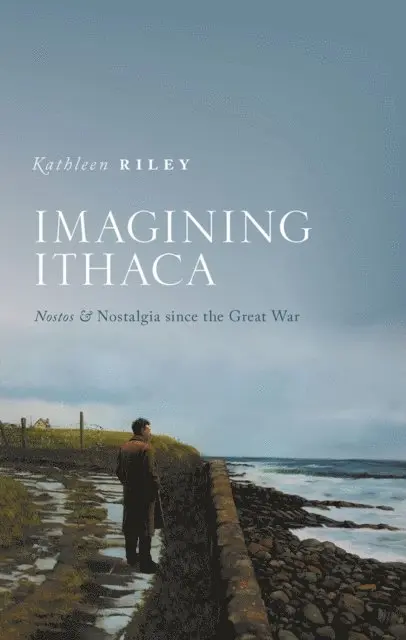
Imagining Ithaca
Nostos and Nostalgia Since the Great War
E-bok, 2021
450 kr
Lägg i varukorg
''Though home is a name, a word, it is a strong one'', said Charles Dickens, ''stronger than magician ever spoke, or spirit answered to, in strongest conjuration.'' The ancient Greek word nostos , meaning homecoming or return, has a commensurate power and mystique. Irish philosopher-poet John …
Imagining Ithaca
Nostos and Nostalgia Since the Great War
E-bok, 2021
450 kr
Lägg i varukorg
''Though home is a name, a word, it is a strong one'', said Charles Dickens, ''stronger than magician ever spoke, or spirit answered to, in strongest conjuration.'' The ancient Greek word nostos , meaning homecoming or return, has a commensurate power and mystique. Irish philosopher-poet John …
Oscar Wilde and Classical Antiquity
Av RILEY ET AL, Kathleen Riley m. fl.
Inbunden, 2017
2599 kr
Lägg i varukorg
Few authors of the Victorian period were as immersed in classical learning as Oscar Wilde. Although famous now and during his lifetime as a wit, aesthete, and master epigrammist, Wilde distinguished himself early on as a talented classical scholar, studying at Trinity College Dublin and Oxford and …
Imagining Ithaca
Nostos and Nostalgia Since the Great War
Inbunden, 2021
609 kr
Lägg i varukorg
'Though home is a name, a word, it is a strong one', said Charles Dickens, 'stronger than magician ever spoke, or spirit answered to, in strongest conjuration.' The ancient Greek word nostos, meaning homecoming or return, has a commensurate power and mystique. Irish philosopher-poet John Moriarty …
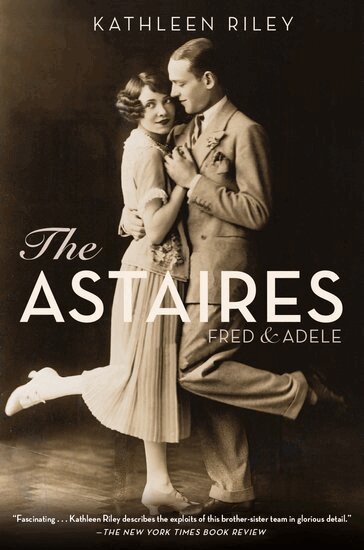
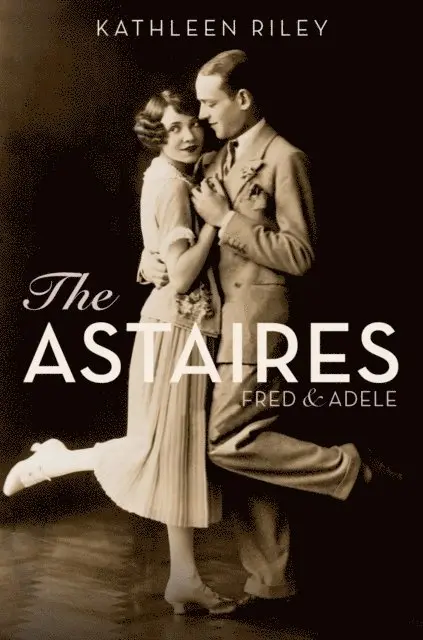
The Astaires
Fred & Adele
Häftad, 2014
299 kr
Lägg i varukorg
Before "Fred and Ginger," there was "Fred and Adele," a show-business partnership and cultural sensation like no other. In our celebrity-saturated era, it's hard to comprehend what a genuine phenomenon these two siblings from Omaha were. At the height of their success in the mid-1920s, the Astaires …
The Reception and Performance of Euripides' Herakles
Reasoning Madness
Inbunden, 2008
2863 kr
Lägg i varukorg
Euripides' Herakles, which tells the story of the hero's sudden descent into filicidal madness, is one of the least familiar and least performed plays in the Greek tragic canon. Kathleen Riley explores its reception and performance history from the fifth century BC to AD 2006. Her focus is upon …
Astaires
Fred & Adele
E-bok, 2012
115 kr
Lägg i varukorg
This is the first book about the theatre career of Fred and Adele Astaire, detailing their years in vaudeville, on Broadway, and in London, their impact culturally, and the essence of their partnership on and off the stage.
Astaires
Fred & Adele
E-bok, 2012
115 kr
Lägg i varukorg
This is the first book about the theatre career of Fred and Adele Astaire, detailing their years in vaudeville, on Broadway, and in London, their impact culturally, and the essence of their partnership on and off the stage.
Healing & Wellness Beyond Recovery: Self-Healing to Relieve Anxiety, Addiction, Depression, Grief, Post-Traumatic Stress, and Pain
Häftad, 2017
356 kr
Lägg i varukorg
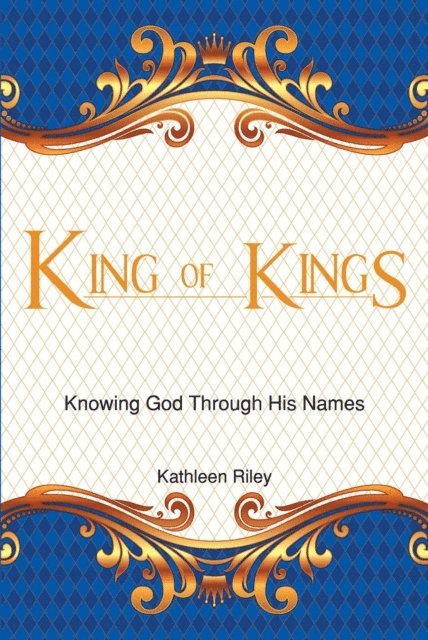
King of Kings
Knowing God Through His Names
E-bok, 2020
131 kr
Lägg i varukorg
In this book, we will discover that God has revealed Himself to us through His many-faceted names, such as Abba Father, Healer, Provider, Sanctifier, Peace, Shepherd, King, Deliverer and many more! Kathleen Riley has spent years researching the hundreds of names of God in the hopes of understanding …