Kathryn A. Edwards – författare
Visar alla böcker från författaren Kathryn A. Edwards. Handla med fri frakt och snabb leverans.
5 produkter
5 produkter
581 kr
Skickas inom 10-15 vardagar
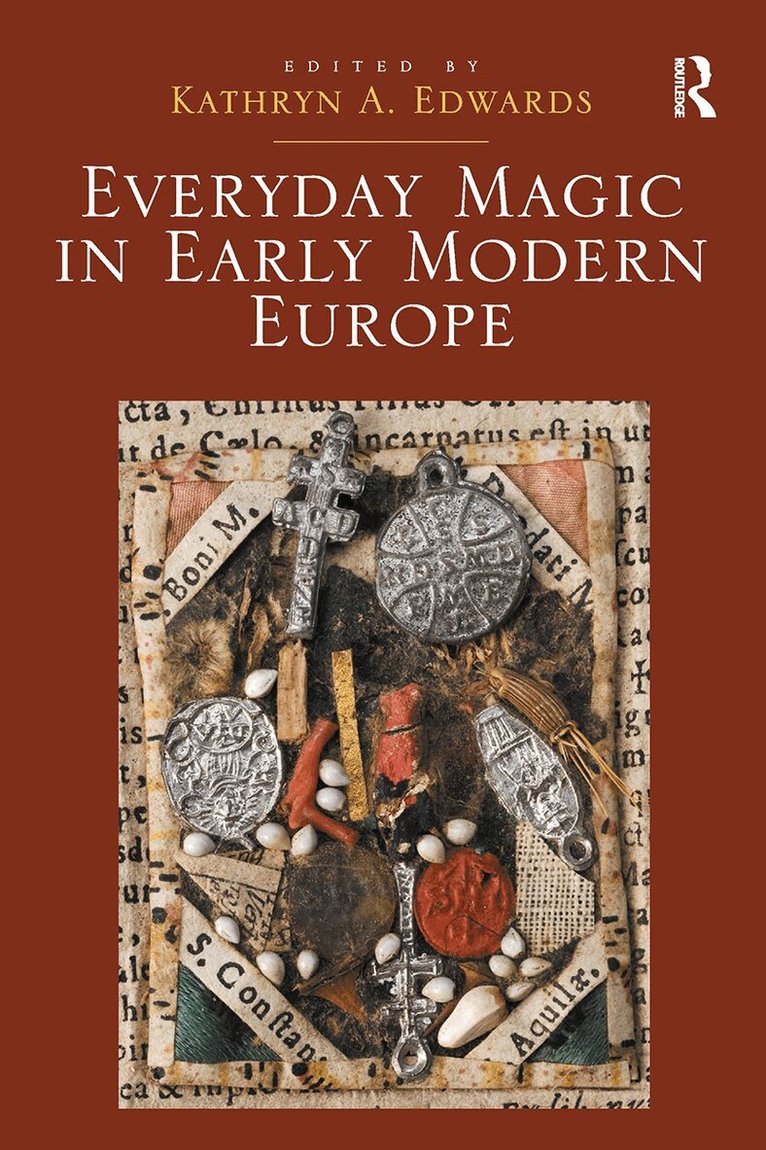
While pre-modern Europe is often seen as having an 'enchanted' or 'magical' worldview, the full implications of such labels remain inconsistently explored. Witchcraft, demonology, and debates over pious practices have provided the main avenues for treating those themes, but integrating them with other activities and ideas seen as forming an enchanted Europe has proven to be a much more difficult task. This collection offers one method of demystifying this world of everyday magic. Integrating case studies and more theoretical responses to the magical and preternatural, the authors here demonstrate that what we think of as extraordinary was often accepted as legitimate, if unusual, occurrences or practices. In their treatment of and attitudes towards spirit-assisted treasure-hunting, magical recipes, trials for sanctity, and visits by guardian angels, early modern Europeans showed more acceptance of and comfort with the extraordinary than modern scholars frequently acknowledge. Even witchcraft could be more pervasive and less threatening than many modern interpretations suggest. Magic was both mundane and mysterious in early modern Europe, and the witches who practiced it could in many ways be quite ordinary members of their communities. The vivid cases described in this volume should make the reader question how to distinguish the ordinary and extraordinary and the extent to which those terms need to be redefined for an early modern context. They should also make more immediate a world in which magic was an everyday occurrence.
2 176 kr
Skickas inom 10-15 vardagar
While pre-modern Europe is often seen as having an 'enchanted' or 'magical' worldview, the full implications of such labels remain inconsistently explored. Witchcraft, demonology, and debates over pious practices have provided the main avenues for treating those themes, but integrating them with other activities and ideas seen as forming an enchanted Europe has proven to be a much more difficult task. This collection offers one method of demystifying this world of everyday magic. Integrating case studies and more theoretical responses to the magical and preternatural, the authors here demonstrate that what we think of as extraordinary was often accepted as legitimate, if unusual, occurrences or practices. In their treatment of and attitudes towards spirit-assisted treasure-hunting, magical recipes, trials for sanctity, and visits by guardian angels, early modern Europeans showed more acceptance of and comfort with the extraordinary than modern scholars frequently acknowledge. Even witchcraft could be more pervasive and less threatening than many modern interpretations suggest. Magic was both mundane and mysterious in early modern Europe, and the witches who practiced it could in many ways be quite ordinary members of their communities. The vivid cases described in this volume should make the reader question how to distinguish the ordinary and extraordinary and the extent to which those terms need to be redefined for an early modern context. They should also make more immediate a world in which magic was an everyday occurrence.
Forecasting Public Recovery Expenditures' Effect on Construction Prices and the Demand for Construction Labor
Häftad, Engelska, 2022
254 kr
Tillfälligt slut
Guidance on When to Estimate a Future Price Factor
Development of Criteria and Thresholds
Häftad, Engelska, 2022
247 kr
Tillfälligt slut
Del 111 - Brill's Companions to the Christian Tradition
Companion to the Devil and Demons, c.1100–1750
Inbunden, Engelska, 2025
2 845 kr
Skickas inom 3-6 vardagar
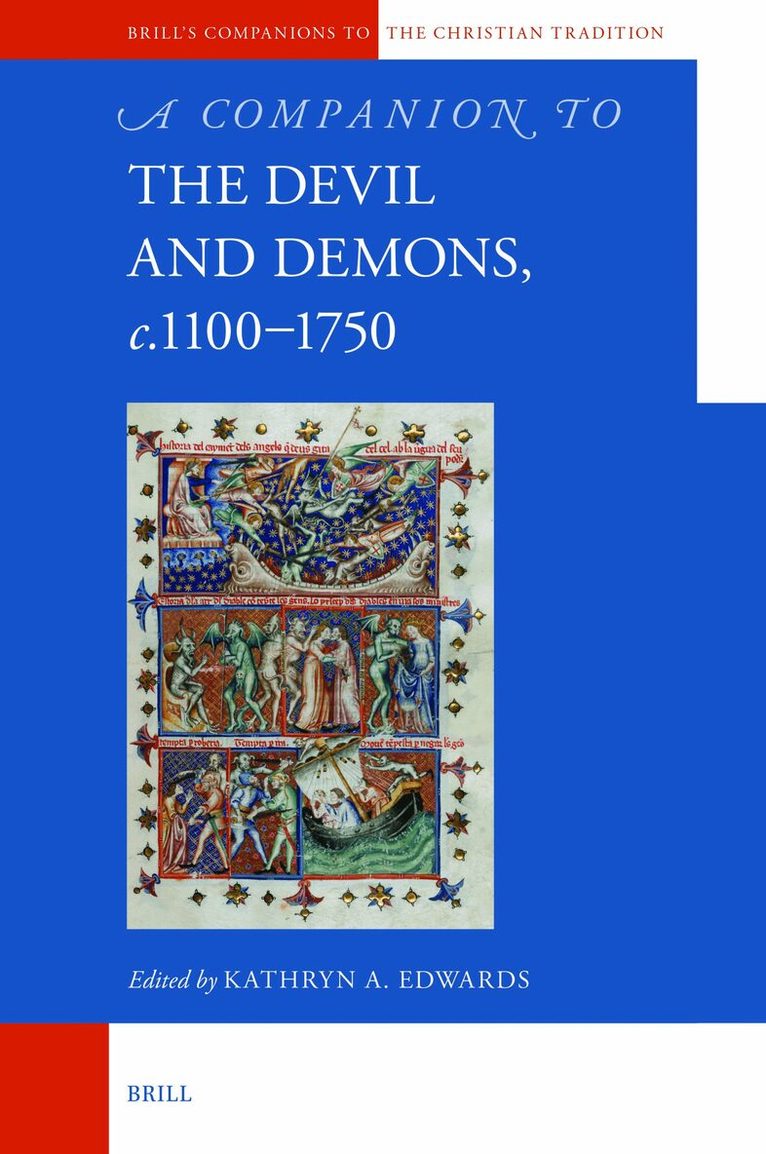
For medieval and early modern Europeans, the Devil and his demonic minions were seen as increasingly active. They tempted monks, tortured the unwary, and conspired against humanity. They were responsible for waves of heresy, plague, famine, and religious division, and they formed unholy alliances foreshadowing the approaching Apocalypse and End Times.Bringing together eighteen internationally recognized specialists, A Companion to the Devil and Demons explores the latest research on premodern European beliefs about the Devil and demons. With chapters ranging from scholastic and necromantic perceptions of demons to the place of demons within witch trials, connections between demons and non-human beings, and media that spread ideas about demons, it argues for the centrality and durability of “demon knowledge” in European culture.Contributors to this volume: Philip C. Almond, Robin B. Barnes, Dean Phillip Bell, Michelle D. Brock, Fabián Alejandro Campagne, David J. Collins, SJ, Ismael del Olmo, Kathryn A. Edwards, Lizanne Henderson, David Johannes Olszynski, Richard Raiswell, Juanita Feros Ruys, James Sharpe, Julien Véronèse, Rita Voltmer, Hans de Waardt, Gary K. Waite, and Charles Zika.