Kathryn Kraft - Böcker
Visar alla böcker från författaren Kathryn Kraft. Handla med fri frakt och snabb leverans.
3 produkter
3 produkter
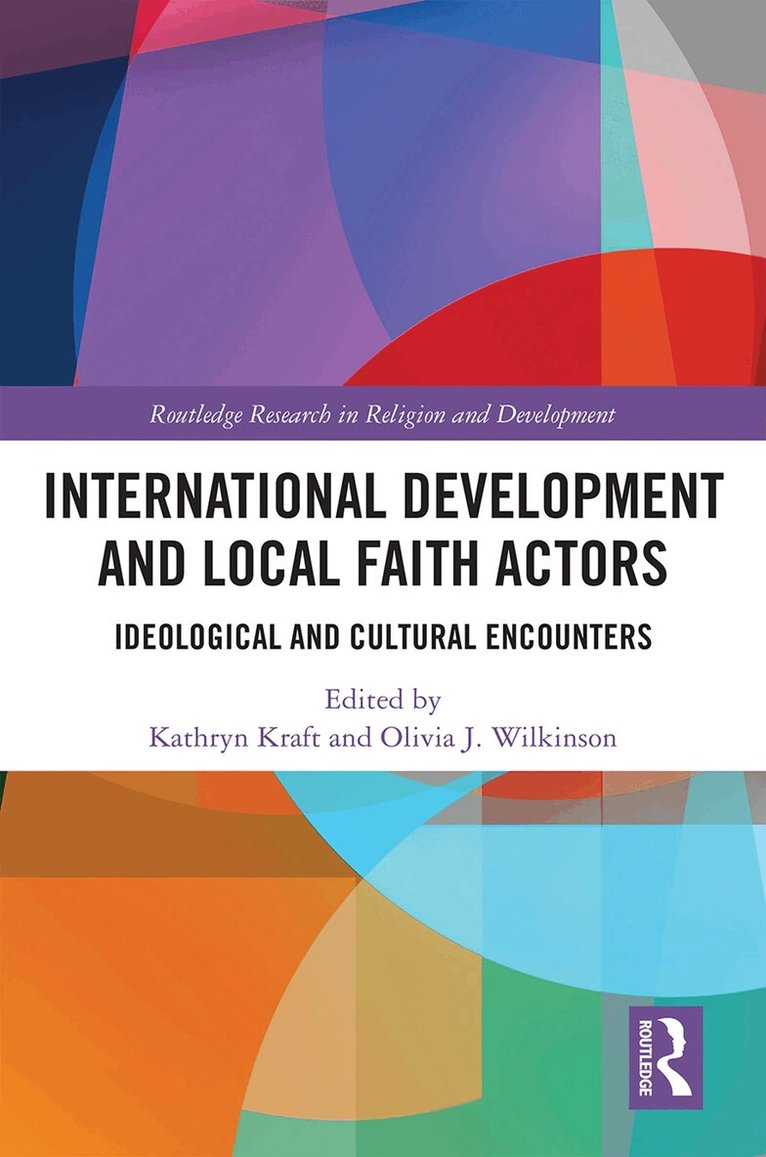
International Development and Local Faith Actors
Ideological and Cultural Encounters
Inbunden, Engelska, 2020
2 104 kr
Skickas inom 10-15 vardagar
This book explores the interplay and dialogue between faith communities and the humanitarian-development community. Faith and religion are key influencers of thought and practice in many communities around the world and development practitioners would not be able to change behaviours for improved health and social relations without the understanding and influence of those with authority in communities, such as religious leaders. Equally, religious leaders feel responsibilities to their communities, but do not necessarily have the technical knowledge and resources at hand to provide the information or services needed to promote the well-being of all in their scope of influence. The book demonstrates that partnerships between humanitarian-development practitioners and religious communities can be mutually beneficial exchanges, but that there are also frequently pitfalls along the way and opportunities for lessons to be learned by each party. Delving into how humanitarians and faith communities engage with one another, the book focuses on building knowledge about how they interact as peers with different yet complementary roles in community development. The authors draw on the Channels of Hope methodology, a tool which seeks to engage faith leaders in addressing social norms and enact social change, as well as other related research in the sector to demonstrate the many ways in which humanitarian and development policy makers and practitioners could achieve more systematic engagement with faith groups. This book is an important contribution to the growing body of literature on faith and development, and will be useful both to researchers, and to practitioners working with faith communities.
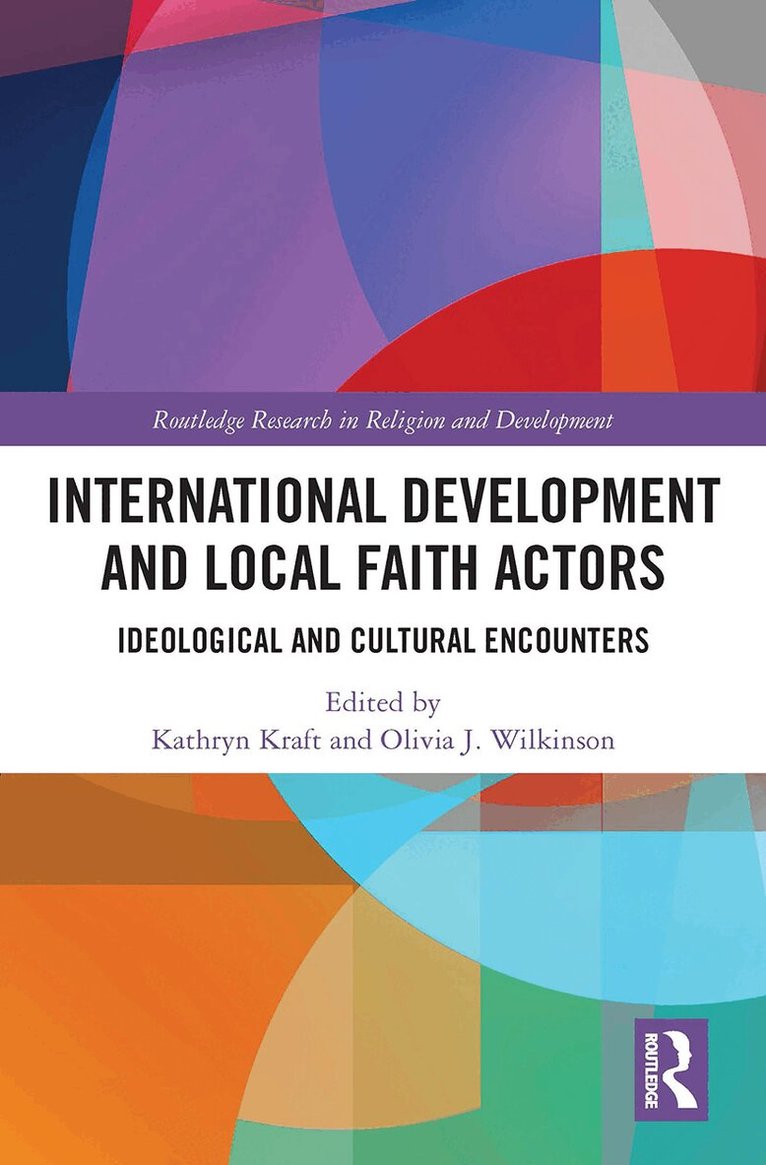
International Development and Local Faith Actors
Ideological and Cultural Encounters
Häftad, Engelska, 2021
616 kr
Skickas inom 10-15 vardagar
This book explores the interplay and dialogue between faith communities and the humanitarian-development community. Faith and religion are key influencers of thought and practice in many communities around the world and development practitioners would not be able to change behaviours for improved health and social relations without the understanding and influence of those with authority in communities, such as religious leaders. Equally, religious leaders feel responsibilities to their communities, but do not necessarily have the technical knowledge and resources at hand to provide the information or services needed to promote the well-being of all in their scope of influence. The book demonstrates that partnerships between humanitarian-development practitioners and religious communities can be mutually beneficial exchanges, but that there are also frequently pitfalls along the way and opportunities for lessons to be learned by each party. Delving into how humanitarians and faith communities engage with one another, the book focuses on building knowledge about how they interact as peers with different yet complementary roles in community development. The authors draw on the Channels of Hope methodology, a tool which seeks to engage faith leaders in addressing social norms and enact social change, as well as other related research in the sector to demonstrate the many ways in which humanitarian and development policy makers and practitioners could achieve more systematic engagement with faith groups. This book is an important contribution to the growing body of literature on faith and development, and will be useful both to researchers, and to practitioners working with faith communities.
2 258 kr
Kommande
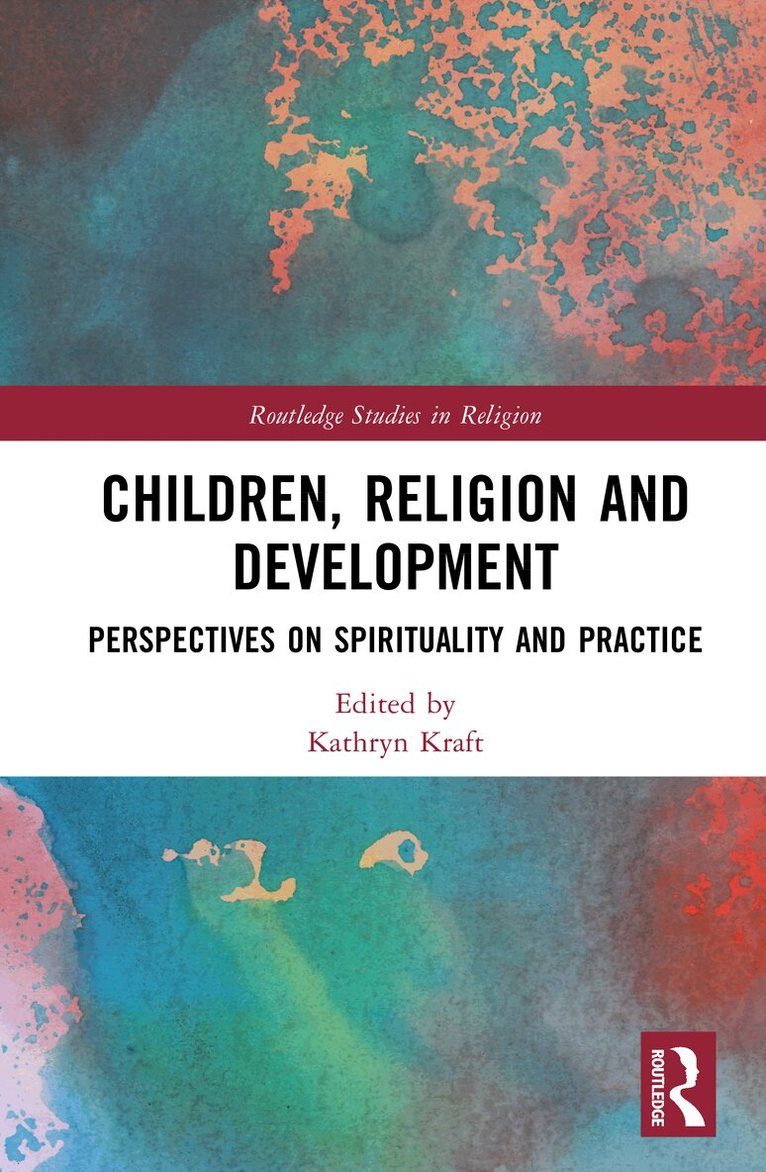
Drawing from teachings and practices of diverse and distinct religious traditions, this volume takes a unique approach to exploring spiritual aspects of child development which may apply universally to children of all backgrounds. Research with children demonstrates how spirituality is a universal trait, an innate aspect of humanity, which may be and indeed often is nurtured within religious traditions. Though spirituality is not inherently religious in nature, its connection to religion has proven near impossible for scholars to sever. Nonetheless, spirituality is an integral aspect of human development with universal relevance. Child spirituality has been linked to aspects of well-being including prosocial coping skills, avoidance of risky behaviours, confidence-building, forging of meaningful affective ties, development of generosity, mental health and psychosocial well-being. While each chapter brings a unique religious perspective, it offers insight, case studies and practical applications that help nurture children’s development regardless of the child’s own religious tradition – in other words, the starting point is religion but the ending point is a shared vision for well-being of children. With contributions from Malaysia, Sri Lanka, India, Ghana, Bosnia and Herzegovina, UK, Australia, Canada and USA, this book will be of particular interest to scholars of religion, theology, development studies and humanitarian studies.