Kathryn McClymond - Böcker
Visar alla böcker från författaren Kathryn McClymond. Handla med fri frakt och snabb leverans.
3 produkter
3 produkter
587 kr
Tillfälligt slut
For many Westerners, the term sacrifice is associated with ancient, often primitive ritual practices. It suggests the death-frequently violent, often bloody-of an animal victim, usually with the aim of atoning for human guilt. Sacrifice is a serious ritual, culminating in a dramatic event. The reality of religious sacrificial acts across the globe and throughout history is, however, more expansive and inclusive. In Beyond Sacred Violence, Kathryn McClymond argues that the modern Western world's reductive understanding of sacrifice simplifies an enormously broad and dynamic cluster of religious activities. Drawing on a comparative study of Vedic and Jewish sacrificial practices, she demonstrates not only that sacrifice has no single, essential, identifying characteristic but also that the elements most frequently attributed to such acts-death and violence-are not universal. McClymond reveals that the world of religious sacrifice varies greatly, including grain-based offerings, precious liquids, and complex interdependent activities.Engagingly argued and written, Beyond Sacred Violence significantly extends our understanding of religious sacrifice and serves as a timely reminder that the field of religious studies is largely framed by Christianity.
2 098 kr
Skickas inom 10-15 vardagar
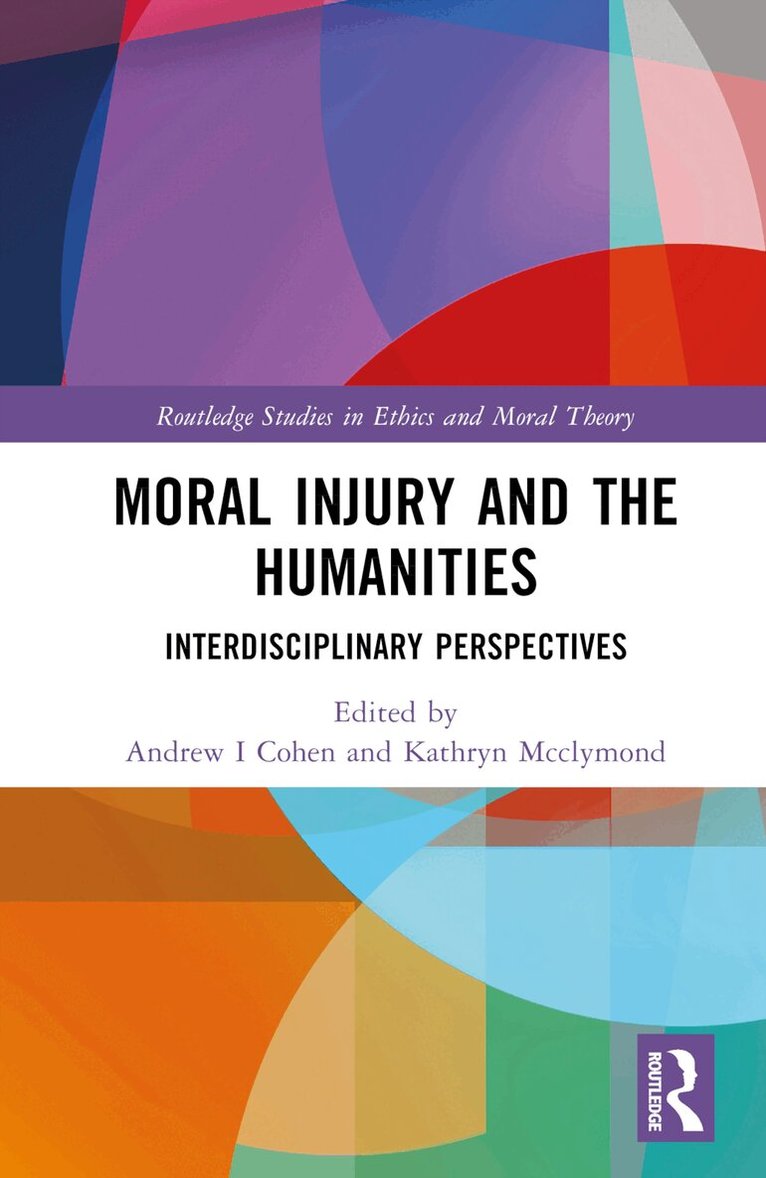
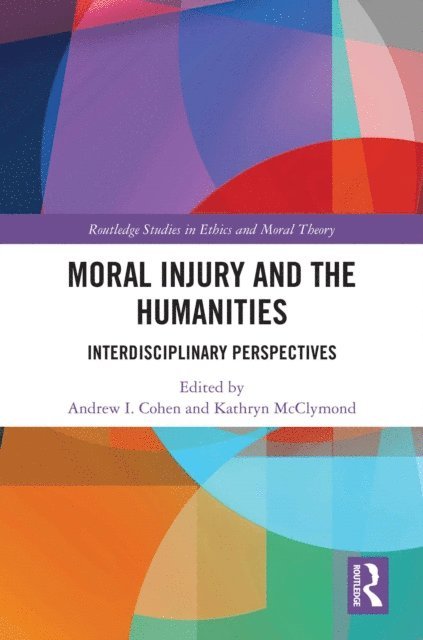
This book brings together leading interdisciplinary scholars to broaden and deepen the conversation about moral injury. In the original chapters, the contributors present new research to show how the humanities are crucial for understanding the expressions, meaning, and significance of moral injury.Moral injury is the disorientation we suffer when we are complicit in some moral transgression. Most existing works address moral injury from a clinical or neuroscientific perspective. The chapters in this volume show how the humanities are crucial for understanding the meaning and significance of moral injury as well as suggesting how to grapple with its lived challenges. The chapters address the conceptual, sociological, historical, and ritualistic dimensions of moral injury across three thematic sections. Section 1 explores how tools of the humanities provide new lenses for understanding conceptual and genealogical themes about moral injury. Section 2 highlights the experiences of moral injury in combat soldiers, law enforcement, and noncombatants such as photojournalists. These chapters examine the power and limits to theorizing moral phenomena by appeals to lived experience. Section 3 considers how humanistic inquiry illuminates important dimensions of the aftermath of moral injury beyond the scope of clinical research. These chapters consider how ritual, relationship repair, and atonement might shape the ways people navigate moral injury and consider how such responses shape our understanding of what we owe to one another. Moral Injury and the Humanities: Interdisciplinary Perspectives is an essential resource for researchers and advanced students in philosophy, religious studies, literature, journalism, and the arts who are interested in moral injury.
579 kr
Skickas inom 10-15 vardagar
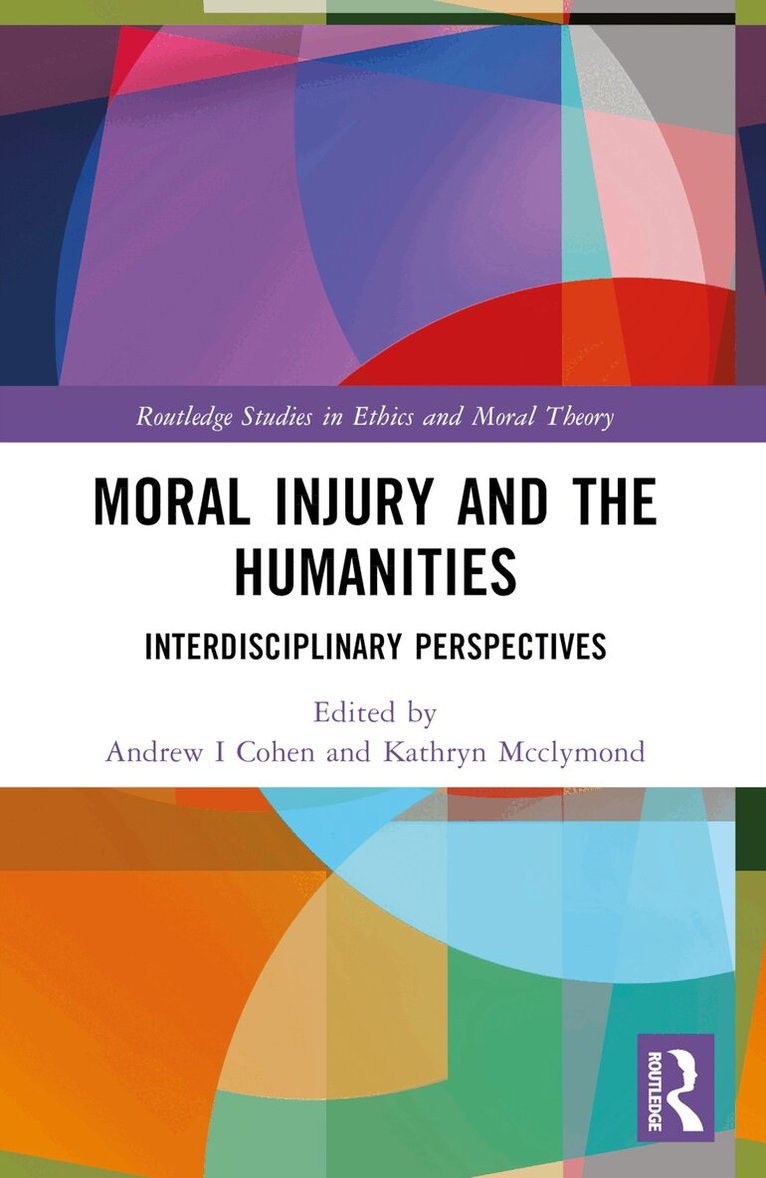
This book brings together leading interdisciplinary scholars to broaden and deepen the conversation about moral injury. In the original chapters, the contributors present new research to show how the humanities are crucial for understanding the expressions, meaning, and significance of moral injury.Moral injury is the disorientation we suffer when we are complicit in some moral transgression. Most existing works address moral injury from a clinical or neuroscientific perspective. The chapters in this volume show how the humanities are crucial for understanding the meaning and significance of moral injury as well as suggesting how to grapple with its lived challenges. The chapters address the conceptual, sociological, historical, and ritualistic dimensions of moral injury across three thematic sections. Section 1 explores how tools of the humanities provide new lenses for understanding conceptual and genealogical themes about moral injury. Section 2 highlights the experiences of moral injury in combat soldiers, law enforcement, and noncombatants such as photojournalists. These chapters examine the power and limits to theorizing moral phenomena by appeals to lived experience. Section 3 considers how humanistic inquiry illuminates important dimensions of the aftermath of moral injury beyond the scope of clinical research. These chapters consider how ritual, relationship repair, and atonement might shape the ways people navigate moral injury and consider how such responses shape our understanding of what we owe to one another. Moral Injury and the Humanities: Interdisciplinary Perspectives is an essential resource for researchers and advanced students in philosophy, religious studies, literature, journalism, and the arts who are interested in moral injury.