Kathryn Riley – författare
Visar alla böcker från författaren Kathryn Riley. Handla med fri frakt och snabb leverans.
26 produkter
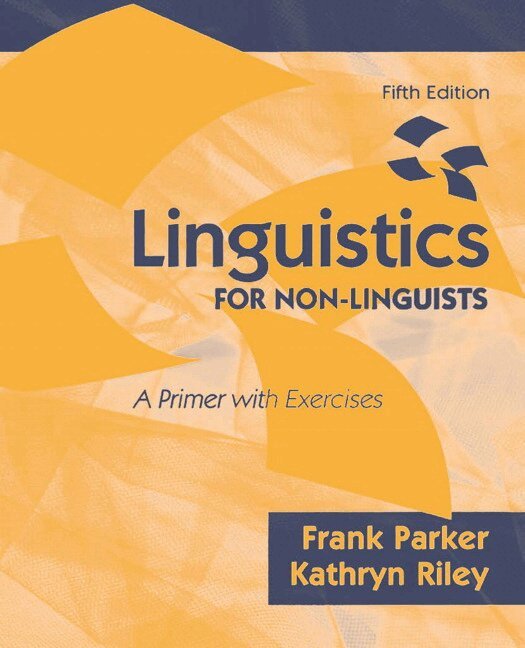
Linguistics for Non-Linguists
A Primer with Exercises
Av Frank Parker, Kathryn Riley
Häftad, 2009
1650 kr
Lägg i varukorg
Linguistics for Non-Linguists is a highly readable introductory text that presents students with the basic elements of linguistics in a clear and concise style that any beginner will understand. This newly revised edition continues to expand on the success of earlier editions, taking a subject that …
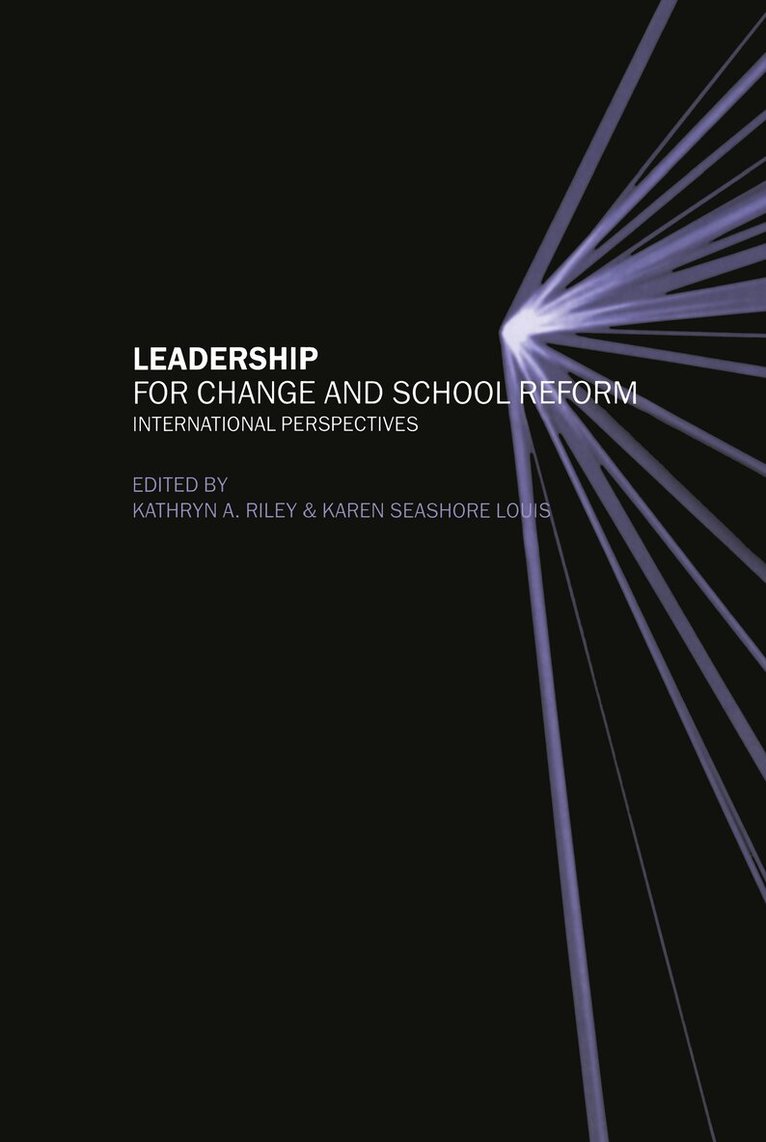
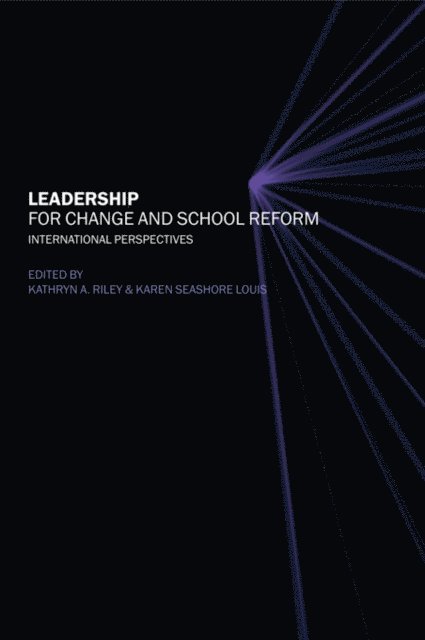
Leadership for Change and School Reform
International Perspectives
Av Kathryn Riley, Karen Seashore Louis
Inbunden, 2000
2979 kr
Lägg i varukorg
School reform is a top priority for governments today. This timely and challenging book, edited by leading international researchers, Kathryn Riley and Karen Seashore Louis, offers a rich comparative perspective on leadership for change and school reform. Contributors form North America, Europe and …
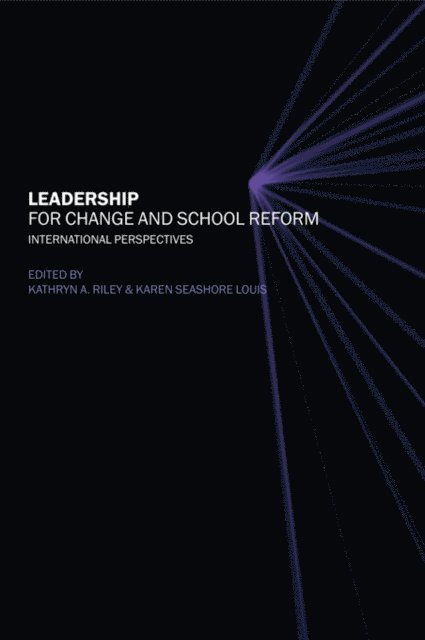
Leadership for Change and School Reform
International Perspectives
Av Kathryn Riley, Karen Seashore Louis
Häftad, 2000
799 kr
Lägg i varukorg
School reform is a top priority for governments today. This timely and challenging book, edited by leading international researchers, Kathryn Riley and Karen Seashore Louis, offers a rich comparative perspective on leadership for change and school reform. Contributors form North America, Europe and …
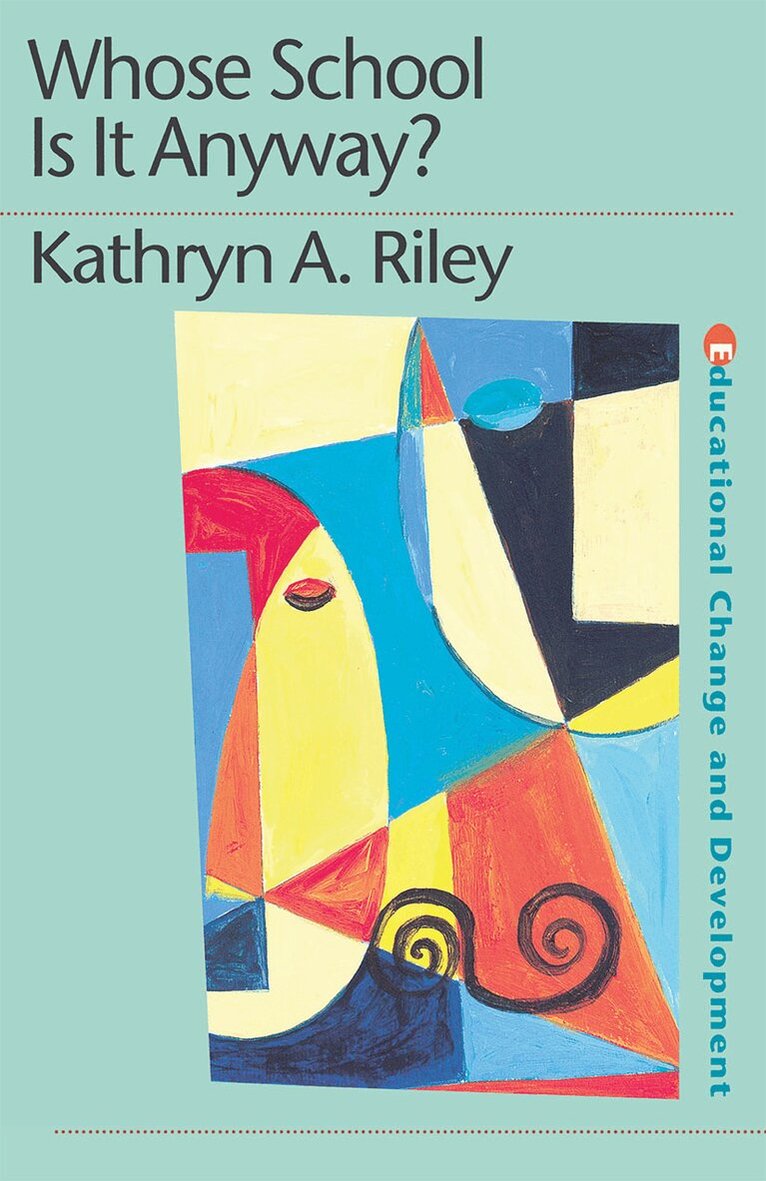
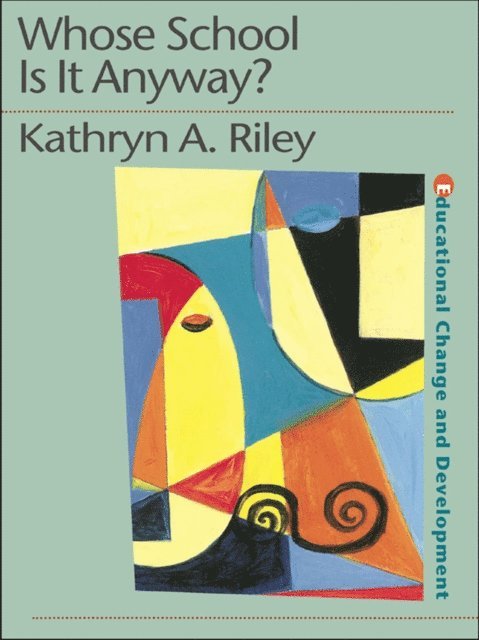
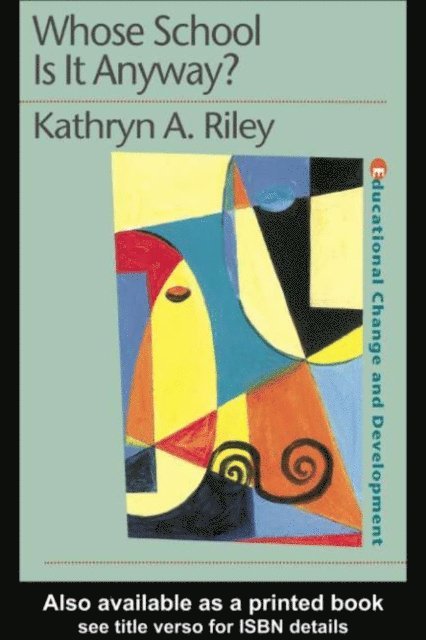
Whose School is it Anyway?
Power and politics
Häftad, 1998
799 kr
Lägg i varukorg
In the 1970s, two events in particular, the William Tyndale School and James Callaghan's Ruskin speech, generated extensive media coverage and political activity and became 'watersheds' along the path to political and educational reform. This has shaped the system of school and governments in the …
Big Sale
E-bok, 2011
452 kr
Lägg i varukorg
Jenna and Jeff are helping Grandpa with his big sale. They even sell some of their old toys. That makes Mom glad...until she sees what they bring home!
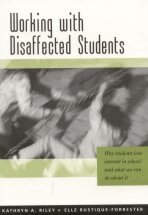
Working with Disaffected Students
Why Students Lose Interest in School and What We Can Do About It
Av Kathryn Riley, Elle Rustique-Forrester
Häftad, 2002
1607 kr
Lägg i varukorg
` This is an extremely readable volume and those who work in this field will find themselves nodding in agreement. It is hoped that this is not just read by those like-minded educationalists but reaches a broad readership. It gives a wide-angle view of the problem of disaffection, which cannot fail …
Leadership for Change and School Reform
International Perspectives
Av Karen Seashore Louis, Kathryn Riley
E-bok, 2013
922 kr
Lägg i varukorg
School reform is a top priority for governments today. This timely and challenging book, edited by leading international researchers, Kathryn Riley and Karen Seashore Louis, offers a rich comparative perspective on leadership for change and school reform. Contributors form North America, Europe and …
Leadership for Change and School Reform
International Perspectives
Av Karen Seashore Louis, Kathryn Riley
E-bok, 2013
922 kr
Lägg i varukorg
School reform is a top priority for governments today. This timely and challenging book, edited by leading international researchers, Kathryn Riley and Karen Seashore Louis, offers a rich comparative perspective on leadership for change and school reform. Contributors form North America, Europe and …
Whose School is it Anyway?
Power and politics
E-bok, 2003
943 kr
Lägg i varukorg
In the 1970s, two events in particular, the William Tyndale School and James Callaghan''s Ruskin speech, generated extensive media coverage and political activity and became ''watersheds'' along the path to political and educational reform. This has shaped the system of school and governments in …
Whose School is it Anyway?
Power and politics
E-bok, 2003
922 kr
Lägg i varukorg
In the 1970s, two events in particular, the William Tyndale School and James Callaghan''s Ruskin speech, generated extensive media coverage and political activity and became ''watersheds'' along the path to political and educational reform. This has shaped the system of school and governments in …
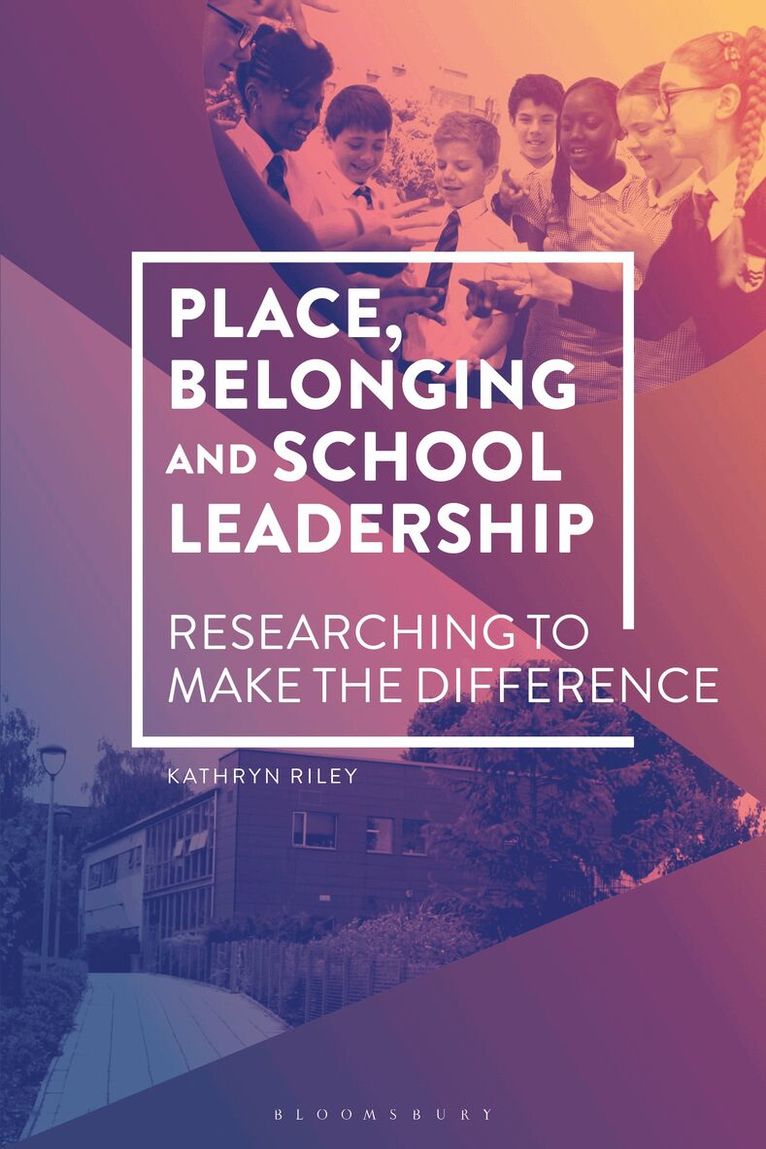
Place, Belonging and School Leadership
Researching to Make the Difference
Häftad, 2018
487 kr
Lägg i varukorg
Place, Belonging and School Leadership offers research findings, analysis and accessible tools for further research inquiry that are designed to contribute to the development of professional learning communities. Researching about place and belonging, Kathryn Riley argues, gives new teachers …
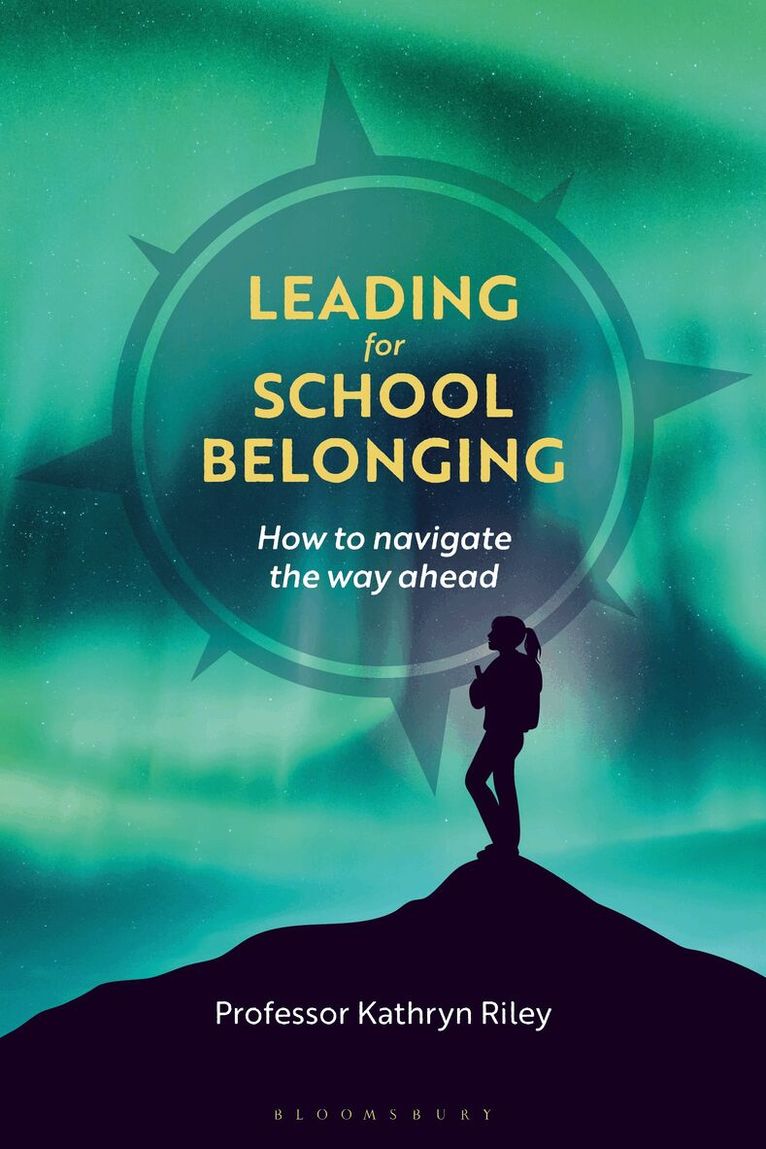
Leading for School Belonging
How to Navigate the Way Ahead
Häftad, 2026
304 kr
Lägg i varukorg
“Urgent, fearless and profoundly resonant.” Claudet Hedman, Principal, Christ Church (Erith) C of E Primary School“Everyone working in, and with, every school, can learn from this powerful book.” Dame Mary Marsh, Leader and EducatorEvery young person and adult entering a school for the first time …
Leading for School Belonging
How to Navigate the Way Ahead
Inbunden, 2026
1037 kr
Lägg i varukorg
“Urgent, fearless and profoundly resonant.” Claudet Hedman, Principal, Christ Church (Erith) C of E Primary School“Everyone working in, and with, every school, can learn from this powerful book.” Dame Mary Marsh, Leader and EducatorEvery young person and adult entering a school for the first time …
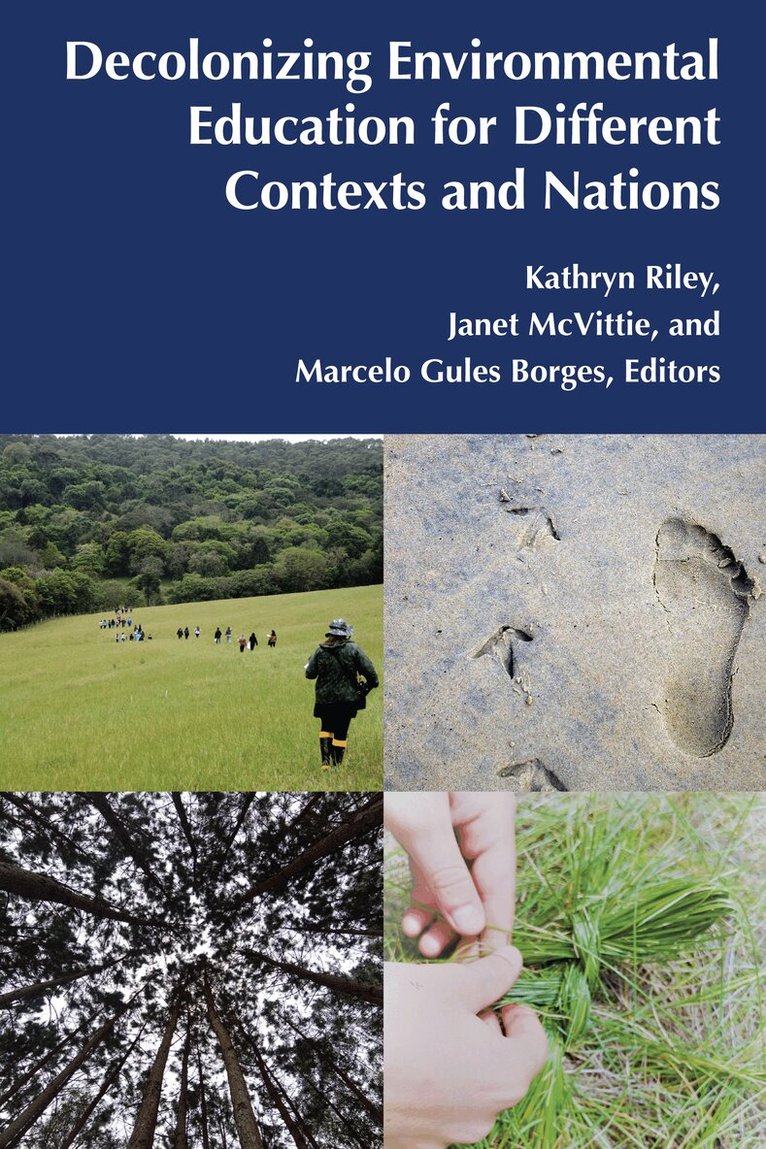
Decolonizing Environmental Education for Different Contexts and Nations
Av Kathryn Riley, Janet McVittie m. fl.
Häftad, 2022
428 kr
Lägg i varukorg
As Dominant Western Worldviews (DWWs) proliferate through ongoing structures of globalization, neoliberalism, extractive capitalism, and colonialism, they inevitably marginalize those deemed as ‘Other’ (Indigenous, Black, Minority Ethnic, non-Western communities and non-human ‘Others’, including …
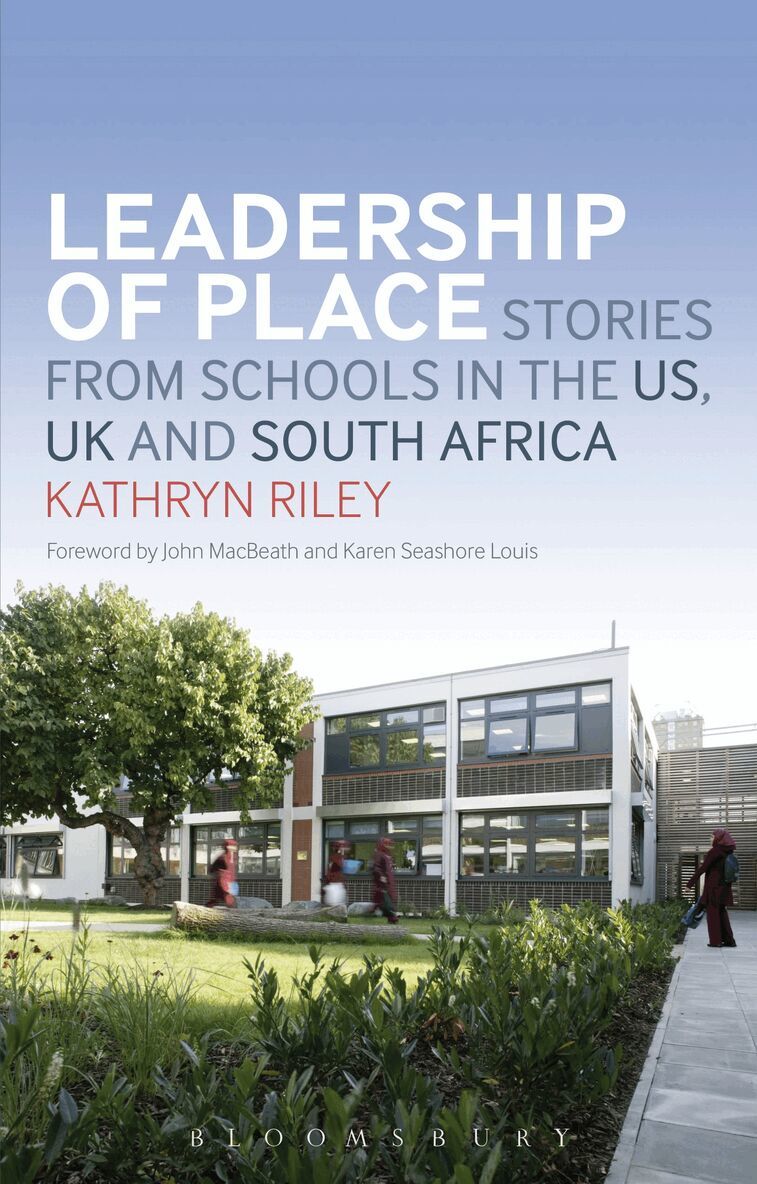
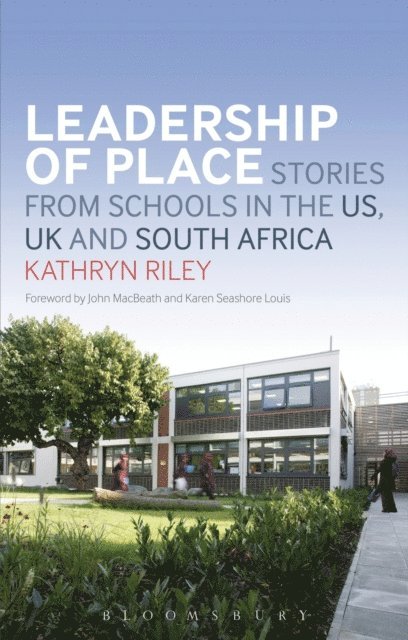
Leadership of Place
Stories from Schools in the US, UK and South Africa
Häftad, 2013
475 kr
Lägg i varukorg
The notion of 'place' is a powerful one: the place where we are from; the place where we live; the place where we would like to be. It raises issues of identity and belonging (or lack of it), and about roots and connections (or lack of them). In a world that is more uncertain, more liquid, less …
Leadership of Place
Stories from Schools in the Us, Uk and South Africa
E-bok, 2013
515 kr
Lägg i varukorg
The notion of 'place' is a powerful one: the place where we are from; the place where we live; the place where we would like to be. It raises issues of identity and belonging (or lack of it), and about roots and connections (or lack of them). In a world that is more uncertain, more liquid, less …
Leadership of Place
Stories from Schools in the US, UK and South Africa
Inbunden, 2013
1935 kr
Lägg i varukorg
The notion of 'place' is a powerful one: the place where we are from; the place where we live; the place where we would like to be. It raises issues of identity and belonging (or lack of it), and about roots and connections (or lack of them). In a world that is more uncertain, more liquid, less …
Leadership of Place
Stories from Schools in the Us, Uk and South Africa
E-bok, 2013
504 kr
Lägg i varukorg
The notion of 'place' is a powerful one: the place where we are from; the place where we live; the place where we would like to be. It raises issues of identity and belonging (or lack of it), and about roots and connections (or lack of them). In a world that is more uncertain, more liquid, less …
Place, Belonging and School Leadership
Researching to Make the Difference
E-bok, 2017
515 kr
Lägg i varukorg
Place, Belonging and School Leadership offers research findings, analysis and accessible tools for further research inquiry that are designed to contribute to the development of professional learning communities. Researching about place and belonging, Kathryn Riley argues, gives new teachers …
Place, Belonging and School Leadership
Researching to Make the Difference
E-bok, 2017
530 kr
Lägg i varukorg
Place, Belonging and School Leadership offers research findings, analysis and accessible tools for further research inquiry that are designed to contribute to the development of professional learning communities. Researching about place and belonging, Kathryn Riley argues, gives new teachers …
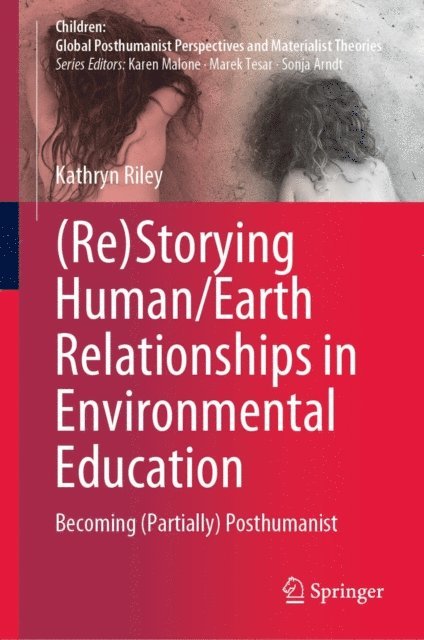
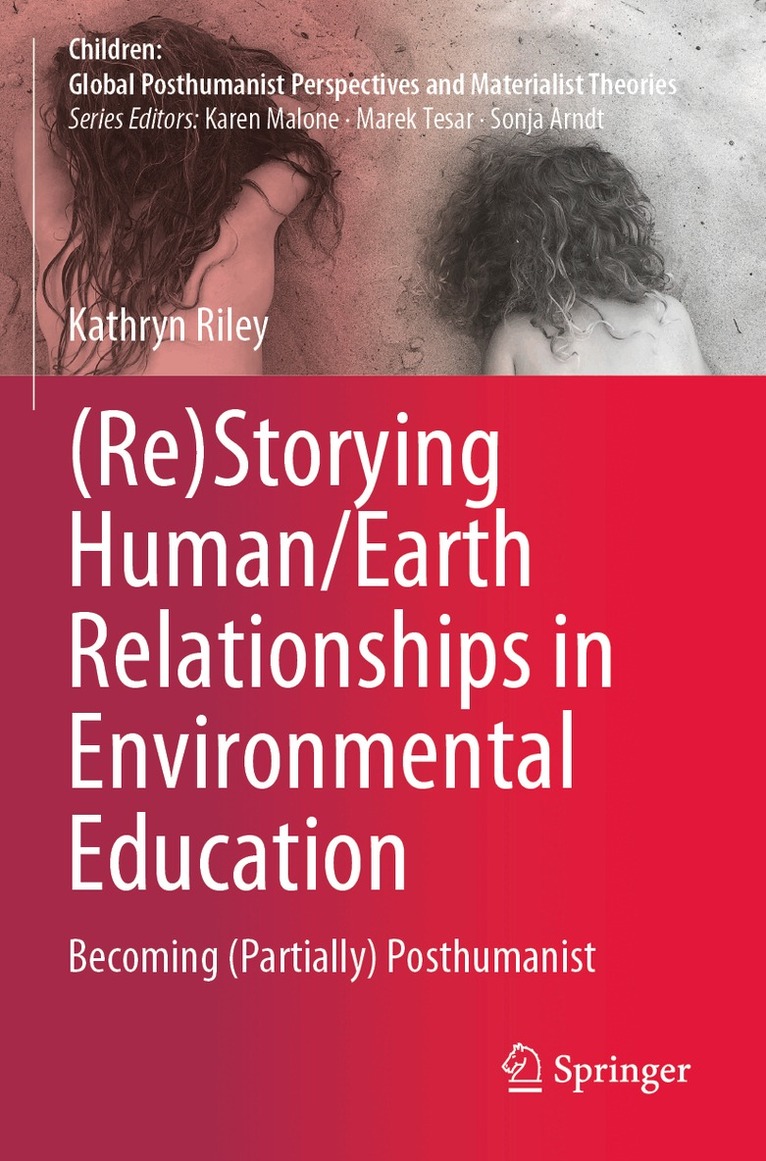
(Re)Storying Human/Earth Relationships in Environmental Education
Becoming (Partially) Posthumanist
Inbunden, 2023
1534 kr
Lägg i varukorg
This book is situated in the simultaneous thinking (theory) and doing (action) of posthumanist performativity and new materialist methodologies to bring forth a multitude of stories that demonstrate co-constituted and co-implicated worldmaking practices.It is written in response to the fact that …
(Re)Storying Human/Earth Relationships in Environmental Education
Becoming (Partially) Posthumanist
E-bok, 2023
1948 kr
Lägg i varukorg
This book is situated in the simultaneous thinking (theory) and doing (action) of posthumanist performativity and new materialist methodologies to bring forth a multitude of stories that demonstrate co-constituted and co-implicated worldmaking practices. It is written in response to the fact that …
(Re)Storying Human/Earth Relationships in Environmental Education
Becoming (Partially) Posthumanist
Häftad, 2024
1534 kr
Lägg i varukorg
This book is situated in the simultaneous thinking (theory) and doing (action) of posthumanist performativity and new materialist methodologies to bring forth a multitude of stories that demonstrate co-constituted and co-implicated worldmaking practices.It is written in response to the fact that …
Whose School is it Anyway?
Power and politics
Inbunden, 1998
1714 kr
Tillfälligt slut
In the 1970s, two events in particular, the William Tyndale School and James Callaghan's Ruskin speech, generated extensive media coverage and political activity and became 'watersheds' along the path to political and educational reform. This has shaped the system of school and governments in the …
Working with Disaffected Students
Why Students Lose Interest in School and What We Can Do About It
Av Kathryn Riley, Elle Rustique-Forrester
Inbunden, 2002
2292 kr
Tillfälligt slut
` This is an extremely readable volume and those who work in this field will find themselves nodding in agreement. It is hoped that this is not just read by those like-minded educationalists but reaches a broad readership. It gives a wide-angle view of the problem of disaffection, which cannot fail …